What can I bring to Japan?
Two checks, not one.Airport security decides what goes on the plane. Japanese quarantine and customs decide what comes into the country. Use the first filter to see one or the other.
Where it gets checked
Category
Answer
Which flight are you on?
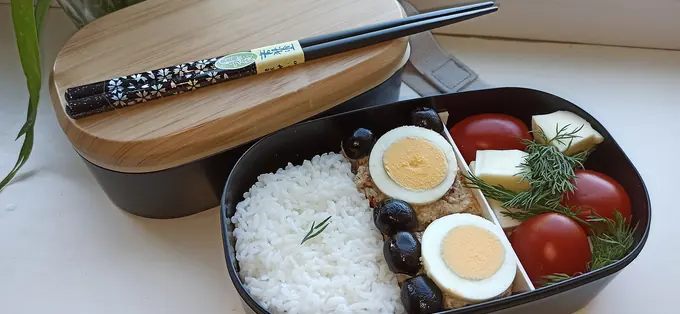
Food & drink11
Bottled drinks, alcohol, snacks, baby milk, dry ice and powders.
Carry-on: yesChecked bag: yes
In the cabin — Yes on domestic flights inside Japan, with no limit on how much liquid you carry. On international flights each container must be 100ml or less.DetailsClose
- In the cabin
- Yes on domestic flights inside Japan, with no limit on how much liquid you carry. On international flights each container must be 100ml or less.
- In the hold
- Yes, with no limit.
- Domestic flights in Japan
- No limit on how much liquid you carry.
- International flights
- Each container 100ml or less, all of them inside one transparent re-sealable bag of 1 litre or less, one bag per person.
Why, and what the rule is based on
Security staff at Japanese airports may ask you to open the bottle and take a sip, or scan it with a liquid detector. This is routine and takes a few seconds. Vending machines are everywhere after security, so you do not need to stock up.
Source: Japan Civil Aviation Bureau
Open the full pageCarry-on: yesChecked bag: yes
In the cabin — Yes, but it must be empty when you pass through security on an international flight. Fill it at a water fountain after the checkpoint.DetailsClose
- In the cabin
- Yes, but it must be empty when you pass through security on an international flight. Fill it at a water fountain after the checkpoint.
- In the hold
- Yes.
- Domestic flights in Japan
- No limit on how much liquid you carry.
- International flights
- Each container 100ml or less, all of them inside one transparent re-sealable bag of 1 litre or less, one bag per person.
Why, and what the rule is based on
Most Japanese airports have free water fountains past security, and many have hot water taps for tea. An empty bottle is worth carrying.
Source: Japan Civil Aviation Bureau
Open the full pageAlcohol (bottles of sake, whisky, wine)
Carry-on: conditionsChecked bag: conditions
- Up to 24%
- No limit
- 24–70%
- 5L
- Over 70%
- Refused
- Duty free
- 3bottles
In the cabin — Depends on the strength. Up to 24% alcohol: no limit. Over 24% and up to 70%: 5 litres per person. Over 70%: not allowed at all. It must stay in the retail bottle it was sold in — decanting into a hip flask is not accepted.DetailsClose
- In the cabin
- Depends on the strength. Up to 24% alcohol: no limit. Over 24% and up to 70%: 5 litres per person. Over 70%: not allowed at all. It must stay in the retail bottle it was sold in — decanting into a hip flask is not accepted.
- In the hold
- Same limits as carry-on.
- Domestic flights in Japan
- No limit on how much liquid you carry.
- International flights
- Each container 100ml or less, all of them inside one transparent re-sealable bag of 1 litre or less, one bag per person.
Why, and what the rule is based on
Japan Customs lets an adult bring in 3 bottles of alcohol duty free (a bottle counts as about 760cc). Over that you pay duty — 200 yen per litre for wine and beer, 800 yen per litre for whisky and brandy. You must be 20 or over.
Source: Japan Civil Aviation Bureau
Open the full pageCarry-on: yesChecked bag: yes
In the cabin — Yes.DetailsClose
- In the cabin
- Yes.
- In the hold
- Yes.
Why, and what the rule is based on
Sweets are fine, but anything containing meat is not — see the quarantine rules. Chocolate and biscuits are no problem.
Source: Japan Civil Aviation Bureau
Open the full pageCarry-on: yesChecked bag: yes
In the cabin — Yes.DetailsClose
- In the cabin
- Yes.
- In the hold
- Yes.
Why, and what the rule is based on
Bringing food into Japan is where most travellers get caught. Anything with meat in it is banned, including a ham sandwich or a pork bun, even if it was bought at a duty-free shop. Fresh fruit and vegetables are banned too. Eat your in-flight meal on the plane and leave nothing in your bag.
Source: Japan Civil Aviation Bureau
Open the full pageCarry-on: noChecked bag: no
In the cabin — No. The heating element counts as dangerous goods.DetailsClose
- In the cabin
- No. The heating element counts as dangerous goods.
- In the hold
- No.
Why, and what the rule is based on
Source: Japan Civil Aviation Bureau
Open the full pageCarry-on: yesChecked bag: yes
In the cabin — Yes, and it is exempt from the 100ml rule on international flights. Bring what your baby needs for the journey. You may be asked to taste it.DetailsClose
- In the cabin
- Yes, and it is exempt from the 100ml rule on international flights. Bring what your baby needs for the journey. You may be asked to taste it.
- In the hold
- Yes.
- Domestic flights in Japan
- No limit on how much liquid you carry.
- International flights
- Each container 100ml or less, all of them inside one transparent re-sealable bag of 1 litre or less, one bag per person.
Why, and what the rule is based on
Japanese convenience stores and drugstores sell liquid baby formula in cartons, so you can restock easily once you arrive.
Source: Japan Civil Aviation Bureau
Open the full pageCarry-on: conditionsChecked bag: conditions
- Per person
- 2.5kg
- Tell the airline
- At check-in
In the cabin — Up to 2.5kg per person, and only if it is cooling something that is not itself dangerous. The container must let the gas escape.DetailsClose
- In the cabin
- Up to 2.5kg per person, and only if it is cooling something that is not itself dangerous. The container must let the gas escape.
- In the hold
- Same limit. Tell the airline at check-in.
Why, and what the rule is based on
Source: Japan Civil Aviation Bureau
Open the full pageCarry-on: yesChecked bag: yes
In the cabin — Yes. Glass is not restricted by itself — what is inside it decides the rule.DetailsClose
- In the cabin
- Yes. Glass is not restricted by itself — what is inside it decides the rule.
- In the hold
- Yes. Wrap it: airlines do not pay for broken glass.
- Domestic flights in Japan
- No limit on how much liquid you carry.
- International flights
- Each container 100ml or less, all of them inside one transparent re-sealable bag of 1 litre or less, one bag per person.
Why, and what the rule is based on
Source: Japan Civil Aviation Bureau
Open the full pagePowders (protein, powdered medicine)
Carry-on: yesChecked bag: yes
In the cabin — Yes. Powders are not restricted in Japan.DetailsClose
- In the cabin
- Yes. Powders are not restricted in Japan.
- In the hold
- Yes.
Why, and what the rule is based on
Some countries screen powders over 350ml on flights leaving their airports. Japan does not have that rule, but the country you fly from might.
Source: Japan Civil Aviation Bureau
Open the full pageFresh food, vegetables and fruit
Carry-on: yesChecked bag: yes
In the cabin — Yes as far as airport security is concerned — fresh food is not dangerous goods.DetailsClose
- In the cabin
- Yes as far as airport security is concerned — fresh food is not dangerous goods.
- In the hold
- Yes, for security purposes.
Why, and what the rule is based on
This is the one that catches people out. Most fresh fruit and vegetables cannot be brought INTO Japan at all, no matter how they are packed. Mangoes, lychees, longans, guavas, citrus, apples, pears and chillies are all on the banned list. So are cut fruit and sandwiches from your in-flight meal. Declare anything you are carrying at the quarantine counter before customs. Bringing it in without declaring can mean up to three years in prison or a fine of up to 3 million yen.
Source: Japan Civil Aviation Bureau
Open the full page
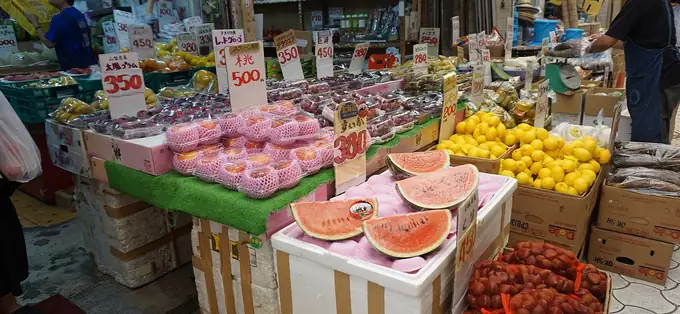
Meat, fruit & plants17
What quarantine checks before customs does: meat, fruit, plants, dairy and eggs.
Into Japan: noChecked on arrival
- Prison up to
- 3years
- Fine up to
- 3,000,000yen
- For a business
- 50,000,000yen
The rule — Meat cannot be brought into Japan. This covers raw meat and anything made with it, however it is packed or cooked.DetailsClose
- The rule
- Meat cannot be brought into Japan. This covers raw meat and anything made with it, however it is packed or cooked.
What happens if you bring it anyway
There is no exception for vacuum packing, cooking, duty-free shops or Japanese labelling. The ban applies whether it is for you, a gift or for sale, and whether it comes in your bag, as cargo or by post. Bringing it in without declaring it can mean up to three years in prison or a fine of up to 3 million yen — up to 50 million yen for a business. People have been arrested for it.
- Why
- Foot-and-mouth disease and African swine fever are spreading outside Japan and are carried in meat.
Source: Animal Quarantine Service / Plant Protection Station
Open the full pageHam, sausage, bacon and salami
Into Japan: noChecked on arrival
The rule — Not allowed. Cured and uncured ham, sausages, salami and bacon are all banned.DetailsClose
- The rule
- Not allowed. Cured and uncured ham, sausages, salami and bacon are all banned.
What happens if you bring it anyway
Being cured, dried or vacuum packed makes no difference. Neither does buying it at an airport duty-free shop on the way. If you are carrying any, hand it in at the animal quarantine counter before you go through customs — there is no penalty for declaring it.
Source: Animal Quarantine Service / Plant Protection Station
Open the full pageInto Japan: noChecked on arrival
The rule — Not allowed, including beef jerky and meat floss.DetailsClose
- The rule
- Not allowed, including beef jerky and meat floss.
What happens if you bring it anyway
Dried meat is one of the items most often found in visitors' bags. It is banned on the same terms as fresh meat.
Source: Animal Quarantine Service / Plant Protection Station
Open the full pageMeat buns, dumplings and gimbap
Into Japan: noChecked on arrival
The rule — Not allowed. Anything containing meat at all is banned, even when meat is not the main ingredient.DetailsClose
- The rule
- Not allowed. Anything containing meat at all is banned, even when meat is not the main ingredient.
What happens if you bring it anyway
The quarantine service lists meat buns, dumplings with meat, chicken feet, ham sandwiches, hamburgers and gimbap by name. A sandwich with a slice of ham in it counts.
Source: Animal Quarantine Service / Plant Protection Station
Open the full pageInto Japan: noChecked on arrival
The rule — Not allowed off the plane if it contains meat, fresh fruit or vegetables.DetailsClose
- The rule
- Not allowed off the plane if it contains meat, fresh fruit or vegetables.
What happens if you bring it anyway
Eat it on board or leave it on the aircraft. Cut fruit and sandwiches from the meal tray are both on the banned list, and taking them through arrivals counts as an illegal import.
Source: Animal Quarantine Service / Plant Protection Station
Open the full pageInto Japan: noChecked on arrival
The rule — Most fresh fruit cannot be brought into Japan.DetailsClose
- The rule
- Most fresh fruit cannot be brought into Japan.
What happens if you bring it anyway
Mangoes, longans, guavas, lychees, citrus fruit, pears and apples are all named on the prohibited list. A few fruits from a few countries can enter with a phytosanitary certificate issued by that country's government, but the certificate has to be arranged before you travel — you cannot get one at the airport.
- Why
- Fruit flies and other pests that would damage Japanese agriculture travel in fruit.
Source: Animal Quarantine Service / Plant Protection Station
Open the full pageInto Japan: noChecked on arrival
The rule — Most fresh vegetables cannot be brought in. Red peppers and chillies are specifically named.DetailsClose
- The rule
- Most fresh vegetables cannot be brought in. Red peppers and chillies are specifically named.
What happens if you bring it anyway
Dried, roasted and processed vegetable products are usually fine, but anything fresh needs a phytosanitary certificate from the exporting country and inspection on arrival.
Source: Animal Quarantine Service / Plant Protection Station
Open the full pageInto Japan: limits applyChecked on arrival
The rule — Allowed only with a phytosanitary certificate from the government of the country you bring them from, plus inspection on arrival.DetailsClose
- The rule
- Allowed only with a phytosanitary certificate from the government of the country you bring them from, plus inspection on arrival.
What happens if you bring it anyway
This covers seedlings, seeds, grain and beans. Some plants are prohibited outright. Go to the plant quarantine counter before customs — it is in the arrivals hall at every international airport in Japan.
Source: Animal Quarantine Service / Plant Protection Station
Open the full pageInto Japan: noChecked on arrival
The rule — Banned outright, including soil attached to a plant or to your boots.DetailsClose
- The rule
- Banned outright, including soil attached to a plant or to your boots.
What happens if you bring it anyway
If you have been on a farm or touched livestock before flying, stop at the animal quarantine counter on arrival so your shoes can be disinfected.
Source: Animal Quarantine Service / Plant Protection Station
Open the full pageInto Japan: limits applyChecked on arrival
The rule — Allowed only with a phytosanitary certificate and inspection on arrival.DetailsClose
- The rule
- Allowed only with a phytosanitary certificate and inspection on arrival.
What happens if you bring it anyway
Flowers count as plants under Japanese law. Some, including those with soil or roots attached, are prohibited.
Source: Animal Quarantine Service / Plant Protection Station
Open the full pageInto Japan: limits applyChecked on arrival
The rule — Dairy products from most countries need an inspection certificate, which is difficult to obtain for personal use.DetailsClose
- The rule
- Dairy products from most countries need an inspection certificate, which is difficult to obtain for personal use.
What happens if you bring it anyway
In practice this means most cheese and milk products cannot be brought in. Declare anything you are carrying at the animal quarantine counter.
Source: Animal Quarantine Service / Plant Protection Station
Open the full pageInto Japan: noChecked on arrival
The rule — Not allowed. Eggs and egg products are covered by the same animal quarantine rules as meat.DetailsClose
- The rule
- Not allowed. Eggs and egg products are covered by the same animal quarantine rules as meat.
What happens if you bring it anyway
This includes preserved eggs and shelled eggs in processed foods where the egg is a main ingredient.
- Why
- Avian influenza.
Source: Animal Quarantine Service / Plant Protection Station
Open the full pageInto Japan: yesChecked on arrival
The rule — Generally allowed. Fish and seafood are not covered by the animal quarantine ban on meat.DetailsClose
- The rule
- Generally allowed. Fish and seafood are not covered by the animal quarantine ban on meat.
What happens if you bring it anyway
Live aquatic animals and some species are restricted separately. Processed and dried seafood for personal use is normally fine.
Source: Animal Quarantine Service / Plant Protection Station
Open the full pageInto Japan: limits applyChecked on arrival
The rule — Processed and preserved vegetables are usually accepted; anything still recognisable as fresh vegetable is not.DetailsClose
- The rule
- Processed and preserved vegetables are usually accepted; anything still recognisable as fresh vegetable is not.
What happens if you bring it anyway
Kimchi made with seafood is fine. Kimchi containing pork is banned under the meat rules. Declare it if you are not sure.
Source: Animal Quarantine Service / Plant Protection Station
Open the full pageInto Japan: limits applyChecked on arrival
- Per year
- 100kg
- Paperwork
- Required
The rule — Up to 100kg a year duty free, but you must file a report with the local Food Office and show the returned copy to customs.DetailsClose
- The rule
- Up to 100kg a year duty free, but you must file a report with the local Food Office and show the returned copy to customs.
What happens if you bring it anyway
Rice is also a plant, so it needs a phytosanitary certificate and plant quarantine inspection.
Source: Animal Quarantine Service / Plant Protection Station
Open the full pageInto Japan: limits applyChecked on arrival
- Notice before
- 40days
- Wait after test
- 180days
- Rabies shots
- 2doses
The rule — Allowed only after advance notice and a process that takes at least seven months to complete.DetailsClose
- The rule
- Allowed only after advance notice and a process that takes at least seven months to complete.
What happens if you bring it anyway
You must notify the Animal Quarantine Service at least 40 days before arrival, and the animal needs a microchip, two rabies vaccinations, a blood test at an approved laboratory and a 180-day wait after that test. Animals that do not meet the conditions are held in quarantine for up to 180 days at your expense.
Source: Animal Quarantine Service / Plant Protection Station
Open the full pageWooden souvenirs and packing material
Into Japan: limits applyChecked on arrival
The rule — Untreated wood and bamboo are plant quarantine items and need inspection.DetailsClose
- The rule
- Untreated wood and bamboo are plant quarantine items and need inspection.
What happens if you bring it anyway
Finished furniture and manufactured wooden goods are normally fine. Raw wood, bark, and wooden packing crates are not.
Source: Animal Quarantine Service / Plant Protection Station
Open the full page
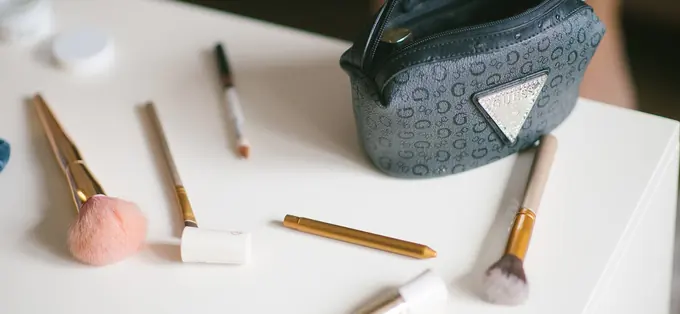
Cosmetics & skincare11
Sunscreen, toner, make-up, perfume, nail polish and contact lens solution.
Carry-on: yesChecked bag: yes
- Per container
- 100ml
- Or in the hold
- 500ml
- Total per person
- 2L
In the cabin — Yes. Each container must be 0.5 litres or 0.5kg or less, and 2 litres or 2kg in total per person. On international flights the 100ml rule applies as well.DetailsClose
- In the cabin
- Yes. Each container must be 0.5 litres or 0.5kg or less, and 2 litres or 2kg in total per person. On international flights the 100ml rule applies as well.
- In the hold
- Yes, within the same 2 litre total.
- Domestic flights in Japan
- No limit on how much liquid you carry.
- International flights
- Each container 100ml or less, all of them inside one transparent re-sealable bag of 1 litre or less, one bag per person.
Why, and what the rule is based on
The 2 litre limit is shared across cosmetics, medicines and aerosols together, not 2 litres of each.
Source: Japan Civil Aviation Bureau
Open the full pageCarry-on: yesChecked bag: yes
In the cabin — Yes. Same limits as sunscreen cream, and the nozzle must have a cap or be otherwise protected so it cannot go off by accident.DetailsClose
- In the cabin
- Yes. Same limits as sunscreen cream, and the nozzle must have a cap or be otherwise protected so it cannot go off by accident.
- In the hold
- Yes, with the nozzle protected.
- Domestic flights in Japan
- No limit on how much liquid you carry.
- International flights
- Each container 100ml or less, all of them inside one transparent re-sealable bag of 1 litre or less, one bag per person.
Why, and what the rule is based on
Source: Japan Civil Aviation Bureau
Open the full pageCarry-on: yesChecked bag: yes
In the cabin — Yes. Each container 0.5 litres or less, 2 litres per person in total. The 100ml rule applies on international flights.DetailsClose
- In the cabin
- Yes. Each container 0.5 litres or less, 2 litres per person in total. The 100ml rule applies on international flights.
- In the hold
- Yes.
- Domestic flights in Japan
- No limit on how much liquid you carry.
- International flights
- Each container 100ml or less, all of them inside one transparent re-sealable bag of 1 litre or less, one bag per person.
Why, and what the rule is based on
Source: Japan Civil Aviation Bureau
Open the full pageMake-up (foundation, lipstick)
Carry-on: yesChecked bag: yes
In the cabin — Yes. Solid make-up such as powder foundation and lipstick is not treated as a liquid.DetailsClose
- In the cabin
- Yes. Solid make-up such as powder foundation and lipstick is not treated as a liquid.
- In the hold
- Yes.
Why, and what the rule is based on
Japan Customs allows 24 items of cosmetics duty free (one item means one container of a single product).
Source: Japan Civil Aviation Bureau
Open the full pageCarry-on: yesChecked bag: yes
In the cabin — Yes, within the 0.5 litre per container and 2 litre per person limits.DetailsClose
- In the cabin
- Yes, within the 0.5 litre per container and 2 litre per person limits.
- In the hold
- Yes.
- Domestic flights in Japan
- No limit on how much liquid you carry.
- International flights
- Each container 100ml or less, all of them inside one transparent re-sealable bag of 1 litre or less, one bag per person.
Why, and what the rule is based on
Source: Japan Civil Aviation Bureau
Open the full pageCarry-on: yesChecked bag: yes
- Per container
- 100ml
- Duty free
- 2oz
- Total per person
- 2L
In the cabin — Yes, within the same cosmetics limits.DetailsClose
- In the cabin
- Yes, within the same cosmetics limits.
- In the hold
- Yes.
- Domestic flights in Japan
- No limit on how much liquid you carry.
- International flights
- Each container 100ml or less, all of them inside one transparent re-sealable bag of 1 litre or less, one bag per person.
Why, and what the rule is based on
Japan Customs allows 2 ounces of perfume duty free — about 56ml.
Source: Japan Civil Aviation Bureau
Open the full pageCarry-on: yesChecked bag: yes
In the cabin — Yes, within the 0.5 litre per container and 2 litre per person limits. Remover counts too.DetailsClose
- In the cabin
- Yes, within the 0.5 litre per container and 2 litre per person limits. Remover counts too.
- In the hold
- Yes.
- Domestic flights in Japan
- No limit on how much liquid you carry.
- International flights
- Each container 100ml or less, all of them inside one transparent re-sealable bag of 1 litre or less, one bag per person.
Why, and what the rule is based on
Source: Japan Civil Aviation Bureau
Open the full pageCarry-on: yesChecked bag: yes
In the cabin — Yes. Each can 0.5 litres or less, 2 litres per person in total, nozzle protected.DetailsClose
- In the cabin
- Yes. Each can 0.5 litres or less, 2 litres per person in total, nozzle protected.
- In the hold
- Yes, nozzle protected.
- Domestic flights in Japan
- No limit on how much liquid you carry.
- International flights
- Each container 100ml or less, all of them inside one transparent re-sealable bag of 1 litre or less, one bag per person.
Why, and what the rule is based on
Source: Japan Civil Aviation Bureau
Open the full pageCarry-on: yesChecked bag: yes
In the cabin — Yes, within the cosmetics limits, nozzle protected.DetailsClose
- In the cabin
- Yes, within the cosmetics limits, nozzle protected.
- In the hold
- Yes.
- Domestic flights in Japan
- No limit on how much liquid you carry.
- International flights
- Each container 100ml or less, all of them inside one transparent re-sealable bag of 1 litre or less, one bag per person.
Why, and what the rule is based on
Source: Japan Civil Aviation Bureau
Open the full pageCarry-on: yesChecked bag: yes
In the cabin — Yes. Powder and solid bath salts are not liquids; bath oil counts towards the liquid limits.DetailsClose
- In the cabin
- Yes. Powder and solid bath salts are not liquids; bath oil counts towards the liquid limits.
- In the hold
- Yes.
Why, and what the rule is based on
Bath salts make a good souvenir and are sold in every drugstore in Japan, so there is little reason to carry them in.
Source: Japan Civil Aviation Bureau
Open the full pageCarry-on: yesChecked bag: yes
- Per container
- 100ml
- Or in the hold
- 500ml
- Total per person
- 2L
In the cabin — Yes. It counts as a cosmetic under the Japanese rules, so 0.5 litres per container and 2 litres per person. On international flights containers over 100ml have to go in the hold.DetailsClose
- In the cabin
- Yes. It counts as a cosmetic under the Japanese rules, so 0.5 litres per container and 2 litres per person. On international flights containers over 100ml have to go in the hold.
- In the hold
- Yes.
- Domestic flights in Japan
- No limit on how much liquid you carry.
- International flights
- Each container 100ml or less, all of them inside one transparent re-sealable bag of 1 litre or less, one bag per person.
Why, and what the rule is based on
Source: Japan Civil Aviation Bureau
Open the full page
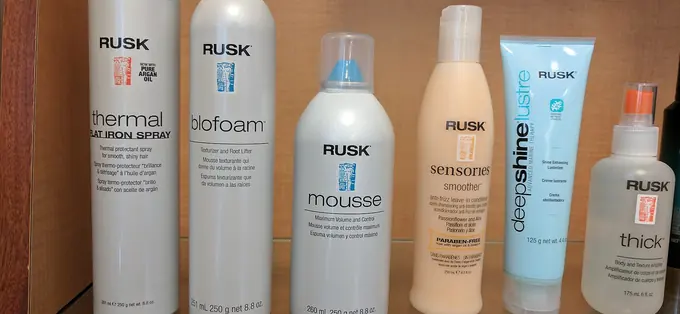
Hair care7
Shampoo, hairspray, wax, dye, straighteners and dryers.
Carry-on: yesChecked bag: yes
- Per container
- 100ml
- Or in the hold
- 500ml
- Total per person
- 2L
In the cabin — Yes, within the 0.5 litre per container and 2 litre per person limits.DetailsClose
- In the cabin
- Yes, within the 0.5 litre per container and 2 litre per person limits.
- In the hold
- Yes.
- Domestic flights in Japan
- No limit on how much liquid you carry.
- International flights
- Each container 100ml or less, all of them inside one transparent re-sealable bag of 1 litre or less, one bag per person.
Why, and what the rule is based on
Source: Japan Civil Aviation Bureau
Open the full pageCarry-on: yesChecked bag: yes
In the cabin — Yes. Same limits as cosmetics, and the nozzle must be protected.DetailsClose
- In the cabin
- Yes. Same limits as cosmetics, and the nozzle must be protected.
- In the hold
- Yes, nozzle protected.
- Domestic flights in Japan
- No limit on how much liquid you carry.
- International flights
- Each container 100ml or less, all of them inside one transparent re-sealable bag of 1 litre or less, one bag per person.
Why, and what the rule is based on
Source: Japan Civil Aviation Bureau
Open the full pageCarry-on: yesChecked bag: yes
In the cabin — Yes. Wax and paste count towards the liquid limits.DetailsClose
- In the cabin
- Yes. Wax and paste count towards the liquid limits.
- In the hold
- Yes.
- Domestic flights in Japan
- No limit on how much liquid you carry.
- International flights
- Each container 100ml or less, all of them inside one transparent re-sealable bag of 1 litre or less, one bag per person.
Why, and what the rule is based on
Source: Japan Civil Aviation Bureau
Open the full pageCarry-on: yesChecked bag: yes
In the cabin — Yes, within the cosmetics limits. Bleach sold as a hair product is included.DetailsClose
- In the cabin
- Yes, within the cosmetics limits. Bleach sold as a hair product is included.
- In the hold
- Yes.
- Domestic flights in Japan
- No limit on how much liquid you carry.
- International flights
- Each container 100ml or less, all of them inside one transparent re-sealable bag of 1 litre or less, one bag per person.
Why, and what the rule is based on
Source: Japan Civil Aviation Bureau
Open the full pageHair tonic and hair growth products
Carry-on: yesChecked bag: yes
In the cabin — Yes, within the cosmetics limits.DetailsClose
- In the cabin
- Yes, within the cosmetics limits.
- In the hold
- Yes.
- Domestic flights in Japan
- No limit on how much liquid you carry.
- International flights
- Each container 100ml or less, all of them inside one transparent re-sealable bag of 1 litre or less, one bag per person.
Why, and what the rule is based on
Source: Japan Civil Aviation Bureau
Open the full pageHair straighteners and curlers
Carry-on: conditionsChecked bag: conditions
In the cabin — Depends on the power source. Mains-powered and USB-powered irons: yes. Gas cartridge type: one per person, and the heating element must have a safety cover. Lithium-battery type: only if the battery can be separated from the heating element.DetailsClose
- In the cabin
- Depends on the power source. Mains-powered and USB-powered irons: yes. Gas cartridge type: one per person, and the heating element must have a safety cover. Lithium-battery type: only if the battery can be separated from the heating element.
- In the hold
- Mains-powered: yes. Battery type: only with the battery removed; the battery itself must travel in the cabin.
Why, and what the rule is based on
Spare gas cartridges for a gas hair iron cannot be brought on board at all.
Source: Japan Civil Aviation Bureau
Open the full pageCarry-on: yesChecked bag: yes
In the cabin — Yes.DetailsClose
- In the cabin
- Yes.
- In the hold
- Yes.
Why, and what the rule is based on
Japan runs on 100V. A dryer made for 220–240V will not work properly and can overheat. Nearly every Japanese hotel already has one in the room.
Source: Japan Civil Aviation Bureau
Open the full page
Medicine & health13
Tablets, eye drops, hand sanitiser, patches, syringes and thermometers.
Medicine (tablets and prescriptions)
Carry-on: yesChecked bag: yes
In the cabin — Yes. Medicine is exempt from the 100ml liquid rule on international flights — carry it separately and tell the officer.DetailsClose
- In the cabin
- Yes. Medicine is exempt from the 100ml liquid rule on international flights — carry it separately and tell the officer.
- In the hold
- Yes, but keep anything you need during the flight with you.
Why, and what the rule is based on
Japan bans some medicines that are sold over the counter elsewhere. Anything containing pseudoephedrine (Sudafed, some cold and sinus tablets) and stimulants such as Adderall are prohibited — bringing them in is a criminal offence, even with a prescription. Without a permit you may bring in up to a two-month supply of most medicines, or one month for prescription drugs. Carry them in the original packaging with your prescription.
Source: Japan Civil Aviation Bureau
Open the full pageCarry-on: yesChecked bag: yes
In the cabin — Yes. Eye drops count as medicine, so they are exempt from the 100ml rule.DetailsClose
- In the cabin
- Yes. Eye drops count as medicine, so they are exempt from the 100ml rule.
- In the hold
- Yes.
- Domestic flights in Japan
- No limit on how much liquid you carry.
- International flights
- Each container 100ml or less, all of them inside one transparent re-sealable bag of 1 litre or less, one bag per person.
Why, and what the rule is based on
Source: Japan Civil Aviation Bureau
Open the full pageCarry-on: conditionsChecked bag: conditions
In the cabin — Depends on the strength. Up to 70% alcohol: yes, within 0.5 litres per container and 2 litres per person. Over 70%: not allowed.DetailsClose
- In the cabin
- Depends on the strength. Up to 70% alcohol: yes, within 0.5 litres per container and 2 litres per person. Over 70%: not allowed.
- In the hold
- Same.
- Domestic flights in Japan
- No limit on how much liquid you carry.
- International flights
- Each container 100ml or less, all of them inside one transparent re-sealable bag of 1 litre or less, one bag per person.
Why, and what the rule is based on
Source: Japan Civil Aviation Bureau
Open the full pageCarry-on: yesChecked bag: yes
In the cabin — Yes, within the 0.5 litre and 2 litre limits.DetailsClose
- In the cabin
- Yes, within the 0.5 litre and 2 litre limits.
- In the hold
- Yes.
- Domestic flights in Japan
- No limit on how much liquid you carry.
- International flights
- Each container 100ml or less, all of them inside one transparent re-sealable bag of 1 litre or less, one bag per person.
Why, and what the rule is based on
Source: Japan Civil Aviation Bureau
Open the full pageCarry-on: noChecked bag: no
In the cabin — No. Air-sanitising products that release chlorine dioxide are treated as dangerous goods.DetailsClose
- In the cabin
- No. Air-sanitising products that release chlorine dioxide are treated as dangerous goods.
- In the hold
- No.
Why, and what the rule is based on
Products that do not contain sodium chlorite solution or other dangerous substances can be carried. Check the label, or buy it in Japan instead.
Source: Japan Civil Aviation Bureau
Open the full pageInsect repellent and bite cream
Carry-on: yesChecked bag: yes
In the cabin — Yes, within the medicine limits of 0.5 litres per container and 2 litres per person.DetailsClose
- In the cabin
- Yes, within the medicine limits of 0.5 litres per container and 2 litres per person.
- In the hold
- Yes.
- Domestic flights in Japan
- No limit on how much liquid you carry.
- International flights
- Each container 100ml or less, all of them inside one transparent re-sealable bag of 1 litre or less, one bag per person.
Why, and what the rule is based on
Source: Japan Civil Aviation Bureau
Open the full pagePain relief patches and sprays
Carry-on: yesChecked bag: yes
In the cabin — Yes. Patches, gels and sprays all count as medicine.DetailsClose
- In the cabin
- Yes. Patches, gels and sprays all count as medicine.
- In the hold
- Yes.
- Domestic flights in Japan
- No limit on how much liquid you carry.
- International flights
- Each container 100ml or less, all of them inside one transparent re-sealable bag of 1 litre or less, one bag per person.
Why, and what the rule is based on
Japanese pain patches are a popular souvenir and are sold in every drugstore.
Source: Japan Civil Aviation Bureau
Open the full pageCold spray and instant ice packs
Carry-on: yesChecked bag: yes
In the cabin — Yes, within the medicine limits, nozzle protected.DetailsClose
- In the cabin
- Yes, within the medicine limits, nozzle protected.
- In the hold
- Yes.
Why, and what the rule is based on
Source: Japan Civil Aviation Bureau
Open the full pageCarry-on: yesChecked bag: yes
- Per tube
- 100ml
- Total per person
- 2L
In the cabin — Yes. Toothpaste counts as a liquid, so on international flights the tube must be 100ml or less.DetailsClose
- In the cabin
- Yes. Toothpaste counts as a liquid, so on international flights the tube must be 100ml or less.
- In the hold
- Yes.
- Domestic flights in Japan
- No limit on how much liquid you carry.
- International flights
- Each container 100ml or less, all of them inside one transparent re-sealable bag of 1 litre or less, one bag per person.
Why, and what the rule is based on
Source: Japan Civil Aviation Bureau
Open the full pageNeedles and syringes (for your own use)
Carry-on: conditionsChecked bag: yes
In the cabin — Yes if you need it for your own treatment. Bring the medicine it goes with and, if you can, a doctor's note or the prescription label. Show it to the officer before your bag goes through.DetailsClose
- In the cabin
- Yes if you need it for your own treatment. Bring the medicine it goes with and, if you can, a doctor's note or the prescription label. Show it to the officer before your bag goes through.
- In the hold
- Yes.
Why, and what the rule is based on
An EpiPen or insulin pen is accepted at Japanese airports on the same terms. Keep it in the cabin — the hold gets cold enough to damage some medicines.
Source: Japan Civil Aviation Bureau
Open the full pageCarry-on: conditionsChecked bag: conditions
In the cabin — Digital: yes. Mercury thermometer: one per person, for personal use, in a protective case.DetailsClose
- In the cabin
- Digital: yes. Mercury thermometer: one per person, for personal use, in a protective case.
- In the hold
- Digital: yes. Mercury: no.
Why, and what the rule is based on
Source: Japan Civil Aviation Bureau
Open the full pagePacemakers and implanted medical devices
Carry-on: conditionsChecked bag: conditions
In the cabin — Yes. Implanted and worn medical devices are allowed, including ones powered by lithium batteries.DetailsClose
- In the cabin
- Yes. Implanted and worn medical devices are allowed, including ones powered by lithium batteries.
- In the hold
- The device stays with you.
Why, and what the rule is based on
Japanese airports will hand-screen you instead of sending you through the walk-through detector if you ask. Say 'pacemaker' and show your device card — staff at the checkpoint are trained for this.
Source: Japan Civil Aviation Bureau
Open the full pageCarry-on: yesChecked bag: yes
In the cabin — Yes. Electric ones too.DetailsClose
- In the cabin
- Yes. Electric ones too.
- In the hold
- Yes.
Why, and what the rule is based on
Source: Japan Civil Aviation Bureau
Open the full page
Batteries & electronics14
Power banks, spare batteries, laptops, cameras, earbuds and smart luggage.
Power banks (portable chargers)
Carry-on: conditionsChecked bag: no
- No approval
- 100Wh
- Max allowed
- 160Wh
- In the cabin
- 2units
- In the hold
- Never
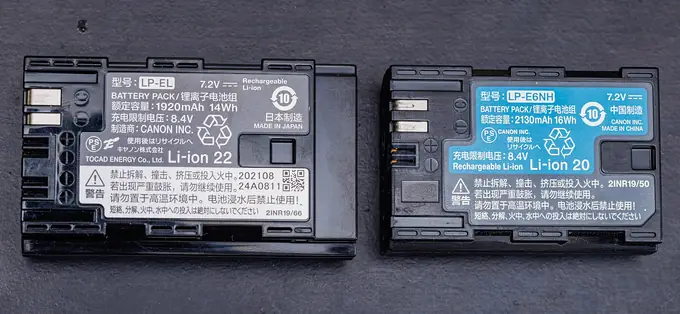
In the cabin — Up to 100Wh: yes, and most airlines let you carry two. Over 100Wh and up to 160Wh: two per person. Over 160Wh: not allowed at all. Tape the terminals or keep it in its own pouch.DetailsClose
- In the cabin
- Up to 100Wh: yes, and most airlines let you carry two. Over 100Wh and up to 160Wh: two per person. Over 160Wh: not allowed at all. Tape the terminals or keep it in its own pouch.
- In the hold
- Never. A power bank cannot go in checked baggage under any circumstances.
Why, and what the rule is based on
From 2026 Japanese airlines ask you to keep power banks in sight and not in the overhead locker, and not to charge anything from them during the flight. Watch for the announcement after boarding. Wh is printed on the battery itself — if only mAh and volts are shown, Wh = mAh ÷ 1000 × V.
Source: Japan Civil Aviation Bureau
Open the full pageCarry-on: yesChecked bag: yes
In the cabin — Yes.DetailsClose
- In the cabin
- Yes.
- In the hold
- Yes.
Why, and what the rule is based on
Japan uses type A plugs (two flat pins) at 100V. Most phone and laptop chargers handle 100–240V and need only a plug adapter, not a transformer.
Source: Japan Civil Aviation Bureau
Open the full pageBatteries (AA, AAA, rechargeable)
Carry-on: conditionsChecked bag: conditions
- Lithium metal
- 2g
- Lithium ion
- 100Wh
- Spares in hold
- No
In the cabin — Yes. Spare lithium batteries must be protected against short circuits — keep them in the original packaging or tape the ends.DetailsClose
- In the cabin
- Yes. Spare lithium batteries must be protected against short circuits — keep them in the original packaging or tape the ends.
- In the hold
- Alkaline and dry cells: yes. Spare lithium batteries: no, they must travel in the cabin.
Why, and what the rule is based on
Source: Japan Civil Aviation Bureau
Open the full pageCarry-on: conditionsChecked bag: conditions
In the cabin — Yes. Take it out of your bag at the X-ray in most Japanese airports.DetailsClose
- In the cabin
- Yes. Take it out of your bag at the X-ray in most Japanese airports.
- In the hold
- Allowed, but the battery has to be under 160Wh and the device switched fully off. Keep it with you instead.
Why, and what the rule is based on
Source: Japan Civil Aviation Bureau
Open the full pageCarry-on: conditionsChecked bag: conditions
In the cabin — Yes.DetailsClose
- In the cabin
- Yes.
- In the hold
- Allowed if switched fully off and protected from damage, but carry it with you.
Why, and what the rule is based on
Source: Japan Civil Aviation Bureau
Open the full pageCarry-on: yesChecked bag: yes
In the cabin — Yes. Spare camera batteries must be in the cabin.DetailsClose
- In the cabin
- Yes. Spare camera batteries must be in the cabin.
- In the hold
- The camera yes, loose lithium batteries no.
Why, and what the rule is based on
Source: Japan Civil Aviation Bureau
Open the full pageWireless earbuds and headphones
Carry-on: yesChecked bag: yes
In the cabin — Yes.DetailsClose
- In the cabin
- Yes.
- In the hold
- Yes, but the charging case holds a lithium battery, so keep it with you.
Why, and what the rule is based on
Source: Japan Civil Aviation Bureau
Open the full pageWired earphones and headphones
Carry-on: yesChecked bag: yes
In the cabin — Yes.DetailsClose
- In the cabin
- Yes.
- In the hold
- Yes.
Why, and what the rule is based on
Source: Japan Civil Aviation Bureau
Open the full pageSmart luggage (with a built-in battery)
Carry-on: conditionsChecked bag: conditions
- Fine either way
- 2.7Wh
- Cabin only
- 160Wh
- Over that
- Refused
In the cabin — Only if the battery can be removed. Up to 2.7Wh: fine either way. Between 2.7Wh and 160Wh: carry-on only unless the battery comes out. Over 160Wh: not allowed.DetailsClose
- In the cabin
- Only if the battery can be removed. Up to 2.7Wh: fine either way. Between 2.7Wh and 160Wh: carry-on only unless the battery comes out. Over 160Wh: not allowed.
- In the hold
- Only with the battery taken out. The removed battery goes in the cabin.
Why, and what the rule is based on
Source: Japan Civil Aviation Bureau
Open the full pageE-cigarettes and heated tobacco
Carry-on: yesChecked bag: no
In the cabin — Yes. E-cigarettes, vapes and heated tobacco devices must travel in the cabin.DetailsClose
- In the cabin
- Yes. E-cigarettes, vapes and heated tobacco devices must travel in the cabin.
- In the hold
- No. They cannot go in checked baggage.
Why, and what the rule is based on
You cannot use or charge them on board. Nicotine-containing e-liquid is regulated as a medicine in Japan and cannot be bought here — visitors may bring in a personal supply, but it cannot be sold or given away. Heated tobacco (IQOS, glo, Ploom) is widely sold in Japan and duty free allows 10 packs.
Source: Japan Civil Aviation Bureau
Open the full pageCarry-on: noChecked bag: no
In the cabin — No.DetailsClose
- In the cabin
- No.
- In the hold
- No, unless the fuel tank has never held fuel or has been purged, the fuel system is completely empty and it is sealed.
Why, and what the rule is based on
Source: Japan Civil Aviation Bureau
Open the full pageCarry-on: conditionsChecked bag: conditions
In the cabin — Mains or USB powered: yes, unless the tip is sharply pointed. Gas type: no.DetailsClose
- In the cabin
- Mains or USB powered: yes, unless the tip is sharply pointed. Gas type: no.
- In the hold
- Mains powered: yes. Battery and gas types: no.
Why, and what the rule is based on
Source: Japan Civil Aviation Bureau
Open the full pageCarry-on: conditionsChecked bag: conditions
In the cabin — Household magnets: yes. Large industrial magnets: no.DetailsClose
- In the cabin
- Household magnets: yes. Large industrial magnets: no.
- In the hold
- Household magnets: yes. Large industrial magnets: no.
Why, and what the rule is based on
Source: Japan Civil Aviation Bureau
Open the full pageElectric wheelchairs and mobility scooters
Carry-on: conditionsChecked bag: conditions
- Two spares up to
- 160Wh
- One spare up to
- 300Wh
- Notice
- 48hours
In the cabin — The chair itself goes in the hold. A removed battery up to 160Wh comes into the cabin, two per person; up to 300Wh, one per person.DetailsClose
- In the cabin
- The chair itself goes in the hold. A removed battery up to 160Wh comes into the cabin, two per person; up to 300Wh, one per person.
- In the hold
- Yes, with the battery secured against short circuits. Tell the airline before you fly — some chairs are too large for certain aircraft.
Why, and what the rule is based on
Japanese airlines ask for notice, usually 48 hours ahead, and will want the battery type and the chair's dimensions.
Source: Japan Civil Aviation Bureau
Open the full page
Blades & tools14
Razors, scissors, nail clippers, knives, tweezers and hand tools.
Razors (safety and disposable)
Carry-on: conditionsChecked bag: yes
In the cabin — Safety razors and disposable razors where the blade is set into the head: yes. Loose blades and straight razors: no.DetailsClose
- In the cabin
- Safety razors and disposable razors where the blade is set into the head: yes. Loose blades and straight razors: no.
- In the hold
- Yes.
Why, and what the rule is based on
Source: Japan Civil Aviation Bureau
Open the full pageCarry-on: yesChecked bag: yes
In the cabin — Yes.DetailsClose
- In the cabin
- Yes.
- In the hold
- Yes.
Why, and what the rule is based on
Source: Japan Civil Aviation Bureau
Open the full pageCarry-on: conditionsChecked bag: yes
- Blade under
- 6cm
- Longer than that
- Hold only
In the cabin — Only if the blade is shorter than 6cm. Anything longer goes in the hold.DetailsClose
- In the cabin
- Only if the blade is shorter than 6cm. Anything longer goes in the hold.
- In the hold
- Yes.
Why, and what the rule is based on
Japanese airports measure the blade, not the whole tool. Small nail scissors usually pass; craft and kitchen scissors do not.
Source: Japan Civil Aviation Bureau
Open the full pageCarry-on: yesChecked bag: yes
In the cabin — Yes, including the small file. A clipper with a folding knife blade is not allowed.DetailsClose
- In the cabin
- Yes, including the small file. A clipper with a folding knife blade is not allowed.
- In the hold
- Yes.
Why, and what the rule is based on
Source: Japan Civil Aviation Bureau
Open the full pageCarry-on: conditionsChecked bag: yes
In the cabin — No. Every kind of knife has to go in the hold.DetailsClose
- In the cabin
- No. Every kind of knife has to go in the hold.
- In the hold
- Yes, wrapped so it cannot cut anyone handling the bag.
Why, and what the rule is based on
Carrying a knife in Japan is controlled by law once you land, not just at the airport. A blade over 6cm carried without a good reason is an offence, and even a smaller one can be if you have no reason to have it. Buying a kitchen knife in Japan is fine — have the shop wrap it, put it in your checked bag, and take it straight to your hotel.
Source: Japan Civil Aviation Bureau
Open the full pageBox cutters and utility knives
Carry-on: conditionsChecked bag: yes
In the cabin — No.DetailsClose
- In the cabin
- No.
- In the hold
- Yes.
Why, and what the rule is based on
Source: Japan Civil Aviation Bureau
Open the full pageCarry-on: conditionsChecked bag: yes
In the cabin — Yes if the tips are rounded. Sharply pointed tweezers can be refused.DetailsClose
- In the cabin
- Yes if the tips are rounded. Sharply pointed tweezers can be refused.
- In the hold
- Yes.
Why, and what the rule is based on
Source: Japan Civil Aviation Bureau
Open the full pageTools (screwdrivers, spanners)
Carry-on: conditionsChecked bag: yes
- Under
- 6cm
- Longer than that
- Hold only
In the cabin — Only if under 6cm. Screwdrivers, spanners and pliers longer than that go in the hold.DetailsClose
- In the cabin
- Only if under 6cm. Screwdrivers, spanners and pliers longer than that go in the hold.
- In the hold
- Yes.
Why, and what the rule is based on
Source: Japan Civil Aviation Bureau
Open the full pageCarry-on: conditionsChecked bag: yes
In the cabin — No.DetailsClose
- In the cabin
- No.
- In the hold
- Yes.
Why, and what the rule is based on
Source: Japan Civil Aviation Bureau
Open the full pageKnitting needles and sewing needles
Carry-on: yesChecked bag: yes
In the cabin — Yes. Knitting needles and sewing needles are accepted.DetailsClose
- In the cabin
- Yes. Knitting needles and sewing needles are accepted.
- In the hold
- Yes.
Why, and what the rule is based on
Source: Japan Civil Aviation Bureau
Open the full pageCarry-on: yesChecked bag: yes
In the cabin — Yes, if the point is not unusually sharp.DetailsClose
- In the cabin
- Yes, if the point is not unusually sharp.
- In the hold
- Yes.
Why, and what the rule is based on
Source: Japan Civil Aviation Bureau
Open the full pageCan openers, bottle openers, corkscrews
Carry-on: conditionsChecked bag: yes
In the cabin — A corkscrew without a blade: yes. Anything with a small knife attached: no.DetailsClose
- In the cabin
- A corkscrew without a blade: yes. Anything with a small knife attached: no.
- In the hold
- Yes.
Why, and what the rule is based on
Source: Japan Civil Aviation Bureau
Open the full pageCarry-on: conditionsChecked bag: yes
In the cabin — No. A peeler has a fixed blade.DetailsClose
- In the cabin
- No. A peeler has a fixed blade.
- In the hold
- Yes.
Why, and what the rule is based on
Source: Japan Civil Aviation Bureau
Open the full pageIce picks and sharp pointed objects
Carry-on: conditionsChecked bag: yes
In the cabin — No.DetailsClose
- In the cabin
- No.
- In the hold
- Yes, with the point covered.
Why, and what the rule is based on
Source: Japan Civil Aviation Bureau
Open the full page
Aerosols & gas7
Aerosol cans, pepper spray, insecticide, camping gas and fire extinguishers.
Carry-on: yesChecked bag: yes
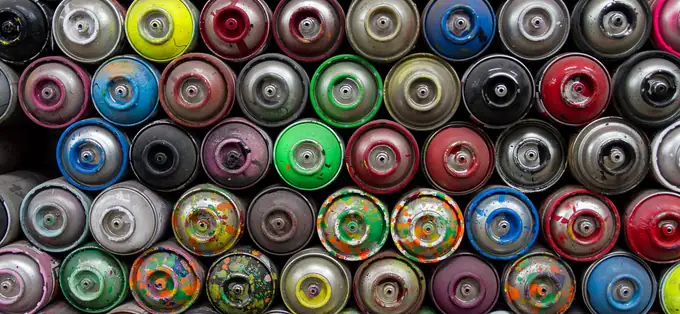
In the cabin — Depends what is in it. Cosmetic, medicinal and household aerosols: 0.5 litres or 0.5kg per can, 2 litres or 2kg per person in total, nozzle protected. Anything flammable or toxic beyond that: no.DetailsClose
- In the cabin
- Depends what is in it. Cosmetic, medicinal and household aerosols: 0.5 litres or 0.5kg per can, 2 litres or 2kg per person in total, nozzle protected. Anything flammable or toxic beyond that: no.
- In the hold
- Same limits.
- Domestic flights in Japan
- No limit on how much liquid you carry.
- International flights
- Each container 100ml or less, all of them inside one transparent re-sealable bag of 1 litre or less, one bag per person.
Why, and what the rule is based on
The 2 litre allowance is shared between cosmetics, medicines and aerosols together.
Source: Japan Civil Aviation Bureau
Open the full pageCarry-on: noChecked bag: no
In the cabin — No.DetailsClose
- In the cabin
- No.
- In the hold
- No.
Why, and what the rule is based on
Pepper spray is not just banned on the plane — carrying it in Japan can be an offence in itself. Leave it at home.
Source: Japan Civil Aviation Bureau
Open the full pageDeodorising and sanitising sprays
Carry-on: yesChecked bag: yes
In the cabin — Yes, within the 0.5 litre per can and 2 litre per person limits, nozzle protected. Alcohol-based sanitising sprays are included.DetailsClose
- In the cabin
- Yes, within the 0.5 litre per can and 2 litre per person limits, nozzle protected. Alcohol-based sanitising sprays are included.
- In the hold
- Yes.
- Domestic flights in Japan
- No limit on how much liquid you carry.
- International flights
- Each container 100ml or less, all of them inside one transparent re-sealable bag of 1 litre or less, one bag per person.
Why, and what the rule is based on
Source: Japan Civil Aviation Bureau
Open the full pageInsecticides and fumigation products
Carry-on: noChecked bag: no
In the cabin — No. Smoke-type and fumigating insecticides are dangerous goods.DetailsClose
- In the cabin
- No. Smoke-type and fumigating insecticides are dangerous goods.
- In the hold
- No.
Why, and what the rule is based on
Source: Japan Civil Aviation Bureau
Open the full pageCarry-on: conditionsChecked bag: conditions
- Small cartridges
- 50ml
- Per person
- 4units
In the cabin — No, with one exception: small cartridges of 50ml or less that use neither flammable nor toxic gas, up to four per person.DetailsClose
- In the cabin
- No, with one exception: small cartridges of 50ml or less that use neither flammable nor toxic gas, up to four per person.
- In the hold
- Same.
Why, and what the rule is based on
Camping gas is sold in outdoor shops and home centres all over Japan, and cartridges for portable stoves are in most supermarkets.
Source: Japan Civil Aviation Bureau
Open the full pageCarry-on: conditionsChecked bag: conditions
- Medical oxygen
- 5kg
- Anything else
- Refused
In the cabin — Medical oxygen: up to 5kg, with the valve protected against accidental release. Anything else: no.DetailsClose
- In the cabin
- Medical oxygen: up to 5kg, with the valve protected against accidental release. Anything else: no.
- In the hold
- Medical oxygen only, on the same terms. Tell the airline well before you fly.
Why, and what the rule is based on
Source: Japan Civil Aviation Bureau
Open the full pageCarry-on: noChecked bag: no
In the cabin — No.DetailsClose
- In the cabin
- No.
- In the hold
- No.
Why, and what the rule is based on
Source: Japan Civil Aviation Bureau
Open the full page
Lighters & smoking3
Lighters, matches and lighter fuel, and where each one is allowed.
Carry-on: conditionsChecked bag: no
- In the cabin
- 1lighter
- In the hold
- None
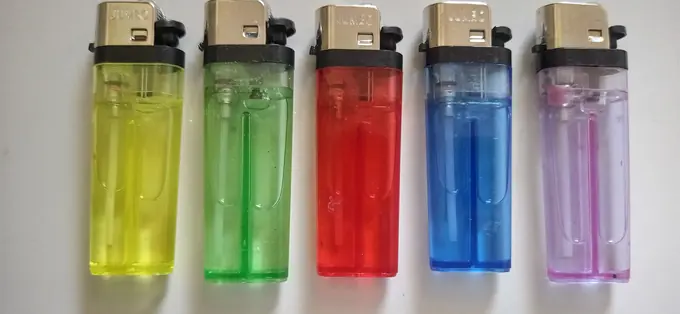
In the cabin — One per person, carried on your body — not in your bag. Gas lighters and oil lighters with an absorbent filling are accepted. Oil tank lighters without the filling are not.DetailsClose
- In the cabin
- One per person, carried on your body — not in your bag. Gas lighters and oil lighters with an absorbent filling are accepted. Oil tank lighters without the filling are not.
- In the hold
- No.
Why, and what the rule is based on
One lighter per person is the rule at every Japanese airport. A second one will be taken off you at the checkpoint. Electric arc and plasma lighters are not allowed at all.
Source: Japan Civil Aviation Bureau
Open the full pageCarry-on: noChecked bag: no
In the cabin — No. Japan does not allow matches in the cabin or the hold, including safety matches.DetailsClose
- In the cabin
- No. Japan does not allow matches in the cabin or the hold, including safety matches.
- In the hold
- No.
Why, and what the rule is based on
This is stricter than some countries, where one book of safety matches is permitted. In Japan the answer is no.
Source: Japan Civil Aviation Bureau
Open the full pageCarry-on: noChecked bag: no
In the cabin — No.DetailsClose
- In the cabin
- No.
- In the hold
- No.
Why, and what the rule is based on
Source: Japan Civil Aviation Bureau
Open the full page
Everyday items10
Umbrellas, backpacks, hand warmers, detergent, glue and poster tubes.
Carry-on: conditionsChecked bag: yes
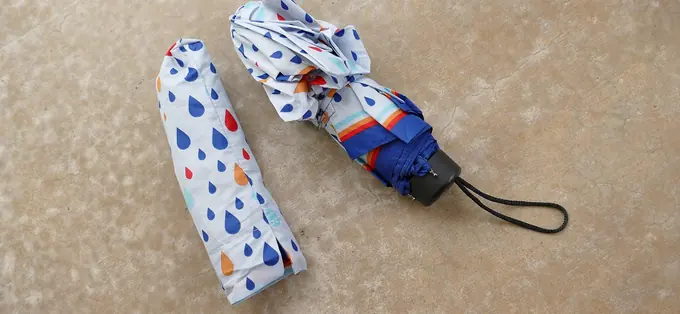
In the cabin — Folding umbrellas: yes. Long umbrellas with a metal point can be refused at the checkpoint.DetailsClose
- In the cabin
- Folding umbrellas: yes. Long umbrellas with a metal point can be refused at the checkpoint.
- In the hold
- Yes.
Why, and what the rule is based on
Convenience stores in Japan sell clear plastic umbrellas for a few hundred yen on every corner. Do not fill your bag with one.
Source: Japan Civil Aviation Bureau
Open the full pageCarry-on: yesChecked bag: yes
In the cabin — Yes, as your personal item or carry-on within the airline's size limits.DetailsClose
- In the cabin
- Yes, as your personal item or carry-on within the airline's size limits.
- In the hold
- Yes.
Why, and what the rule is based on
Source: Japan Civil Aviation Bureau
Open the full pageCarry-on: yesChecked bag: yes
In the cabin — Yes.DetailsClose
- In the cabin
- Yes.
- In the hold
- Yes.
Why, and what the rule is based on
Source: Japan Civil Aviation Bureau
Open the full pageCarry-on: yesChecked bag: yes
In the cabin — Yes. On international flights you need one: all your liquid containers of 100ml or less must fit in a single transparent re-sealable bag of 1 litre or less, one bag per person.DetailsClose
- In the cabin
- Yes. On international flights you need one: all your liquid containers of 100ml or less must fit in a single transparent re-sealable bag of 1 litre or less, one bag per person.
- In the hold
- Yes.
Why, and what the rule is based on
Japanese airports hand out the bags free at the checkpoint if you arrive without one, but the queue is faster if you pack it yourself.
Source: Japan Civil Aviation Bureau
Open the full pageCarry-on: yesChecked bag: yes
In the cabin — Yes. The disposable iron-powder type is not dangerous goods.DetailsClose
- In the cabin
- Yes. The disposable iron-powder type is not dangerous goods.
- In the hold
- Yes.
Why, and what the rule is based on
These are sold everywhere in Japan from autumn to spring, in stick-on and pocket versions, for about 50 yen each.
Source: Japan Civil Aviation Bureau
Open the full pageRefillable hand warmers (fuel type)
Carry-on: noChecked bag: no
In the cabin — No. Fuel-burning and platinum catalytic hand warmers are not allowed.DetailsClose
- In the cabin
- No. Fuel-burning and platinum catalytic hand warmers are not allowed.
- In the hold
- No.
Why, and what the rule is based on
Source: Japan Civil Aviation Bureau
Open the full pageCarry-on: conditionsChecked bag: conditions
In the cabin — Household detergent: yes, within 0.5 litres per container and 2 litres per person. Bleach, mould remover and anything labelled chlorine-based: no.DetailsClose
- In the cabin
- Household detergent: yes, within 0.5 litres per container and 2 litres per person. Bleach, mould remover and anything labelled chlorine-based: no.
- In the hold
- Same.
- Domestic flights in Japan
- No limit on how much liquid you carry.
- International flights
- Each container 100ml or less, all of them inside one transparent re-sealable bag of 1 litre or less, one bag per person.
Why, and what the rule is based on
Source: Japan Civil Aviation Bureau
Open the full pageCarry-on: noChecked bag: no
In the cabin — No. Solvent-based glue is flammable.DetailsClose
- In the cabin
- No. Solvent-based glue is flammable.
- In the hold
- No.
- Domestic flights in Japan
- No limit on how much liquid you carry.
- International flights
- Each container 100ml or less, all of them inside one transparent re-sealable bag of 1 litre or less, one bag per person.
Why, and what the rule is based on
Source: Japan Civil Aviation Bureau
Open the full pageCarry-on: noChecked bag: no
In the cabin — No.DetailsClose
- In the cabin
- No.
- In the hold
- No. Liquids with a flash point above 60°C can be carried.
- Domestic flights in Japan
- No limit on how much liquid you carry.
- International flights
- Each container 100ml or less, all of them inside one transparent re-sealable bag of 1 litre or less, one bag per person.
Why, and what the rule is based on
Source: Japan Civil Aviation Bureau
Open the full pageCarry-on: conditionsChecked bag: yes
In the cabin — The tube itself is fine, but it counts towards your carry-on size limit and most are longer than the 55cm most airlines allow.DetailsClose
- In the cabin
- The tube itself is fine, but it counts towards your carry-on size limit and most are longer than the 55cm most airlines allow.
- In the hold
- Yes.
Why, and what the rule is based on
Source: Japan Civil Aviation Bureau
Open the full page
Sports & outdoors10
Golf clubs, bats, fishing rods, tripods, skis and trekking poles.
Carry-on: conditionsChecked bag: yes
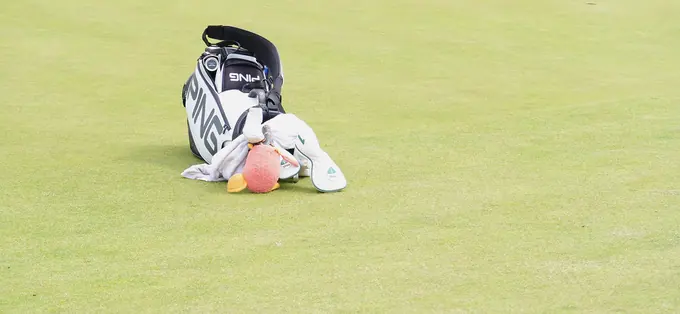
In the cabin — No.DetailsClose
- In the cabin
- No.
- In the hold
- Yes. Most airlines count a golf bag as one piece of checked baggage.
Why, and what the rule is based on
Japanese courses rent full sets, and luggage delivery services will send your clubs from the airport to the course — see the airport guides.
Source: Japan Civil Aviation Bureau
Open the full pageCarry-on: conditionsChecked bag: yes
In the cabin — No. Anything that could be used as a club goes in the hold.DetailsClose
- In the cabin
- No. Anything that could be used as a club goes in the hold.
- In the hold
- Yes.
Why, and what the rule is based on
Source: Japan Civil Aviation Bureau
Open the full pageCarry-on: conditionsChecked bag: yes
In the cabin — No, unless it folds down inside your carry-on allowance. Hooks must go in the hold.DetailsClose
- In the cabin
- No, unless it folds down inside your carry-on allowance. Hooks must go in the hold.
- In the hold
- Yes.
Why, and what the rule is based on
Source: Japan Civil Aviation Bureau
Open the full pageCarry-on: conditionsChecked bag: yes
In the cabin — Small tripods and selfie sticks: usually yes. Anything over about 60cm or with a heavy metal leg can be refused.DetailsClose
- In the cabin
- Small tripods and selfie sticks: usually yes. Anything over about 60cm or with a heavy metal leg can be refused.
- In the hold
- Yes.
Why, and what the rule is based on
Source: Japan Civil Aviation Bureau
Open the full pageCarry-on: conditionsChecked bag: yes
In the cabin — No.DetailsClose
- In the cabin
- No.
- In the hold
- Yes, usually as one piece of checked baggage together with boots.
Why, and what the rule is based on
Luggage delivery from the airport to the resort is common in Japan and costs roughly 2,000–3,000 yen per item. Most ski areas also rent everything.
Source: Japan Civil Aviation Bureau
Open the full pageCarry-on: conditionsChecked bag: conditions
In the cabin — Solid wax: yes. Liquid, paste and powder wax and wax remover: no.DetailsClose
- In the cabin
- Solid wax: yes. Liquid, paste and powder wax and wax remover: no.
- In the hold
- Solid wax: yes. Liquid types: no.
Why, and what the rule is based on
Source: Japan Civil Aviation Bureau
Open the full pageWalking sticks and trekking poles
Carry-on: conditionsChecked bag: yes
In the cabin — A walking stick you need to get around: yes. Trekking poles: no, they go in the hold.DetailsClose
- In the cabin
- A walking stick you need to get around: yes. Trekking poles: no, they go in the hold.
- In the hold
- Yes.
Why, and what the rule is based on
Source: Japan Civil Aviation Bureau
Open the full pageCarry-on: yesChecked bag: yes
In the cabin — Yes, but let some air out — pressure changes can split a fully inflated ball.DetailsClose
- In the cabin
- Yes, but let some air out — pressure changes can split a fully inflated ball.
- In the hold
- Yes.
Why, and what the rule is based on
Source: Japan Civil Aviation Bureau
Open the full pageCarry-on: yesChecked bag: yes
In the cabin — Masks, fins and regulators: yes. A dive light must have the battery removed or the lamp disabled.DetailsClose
- In the cabin
- Masks, fins and regulators: yes. A dive light must have the battery removed or the lamp disabled.
- In the hold
- Yes. Cylinders only if the valve is removed and the tank is completely empty and open.
Why, and what the rule is based on
Source: Japan Civil Aviation Bureau
Open the full pageCarry-on: conditionsChecked bag: yes
In the cabin — A massage gun with a built-in lithium battery under 160Wh: yes.DetailsClose
- In the cabin
- A massage gun with a built-in lithium battery under 160Wh: yes.
- In the hold
- Allowed if it switches fully off, but the battery makes it safer to carry.
Why, and what the rule is based on
Source: Japan Civil Aviation Bureau
Open the full page
Dangerous goods11
Fireworks, petrol, weapons, ammunition, mercury and chemicals.
Carry-on: noChecked bag: no
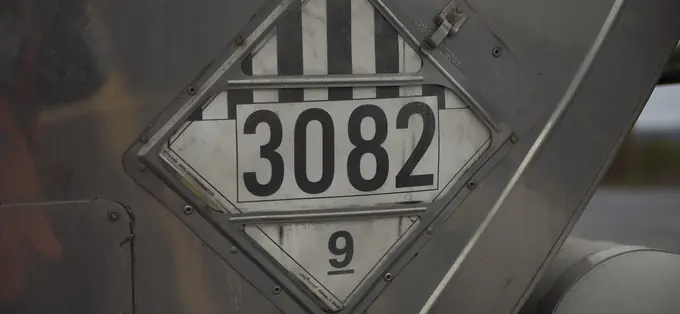
In the cabin — No.DetailsClose
- In the cabin
- No.
- In the hold
- No. Fireworks, sparklers and party poppers are all banned.
Why, and what the rule is based on
Source: Japan Civil Aviation Bureau
Open the full pageCarry-on: noChecked bag: no
In the cabin — No.DetailsClose
- In the cabin
- No.
- In the hold
- No.
- Domestic flights in Japan
- No limit on how much liquid you carry.
- International flights
- Each container 100ml or less, all of them inside one transparent re-sealable bag of 1 litre or less, one bag per person.
Why, and what the rule is based on
Source: Japan Civil Aviation Bureau
Open the full pageCarry-on: noChecked bag: yes
In the cabin — No.DetailsClose
- In the cabin
- No.
- In the hold
- Only with a permit, in a locked hard case, declared at check-in.
Why, and what the rule is based on
Japan does not let you bring in guns without a permit obtained in advance, and that includes air guns and realistic replicas. Airsoft guns and model guns bought in Japan can be taken home, but check the rules of the country you are flying to.
Source: Japan Civil Aviation Bureau
Open the full pageCarry-on: noChecked bag: yes
In the cabin — No.DetailsClose
- In the cabin
- No.
- In the hold
- Yes, packed so it cannot injure anyone handling the bag.
Why, and what the rule is based on
A real Japanese sword needs an export permit from the Agency for Cultural Affairs, and it must be registered. Souvenir replicas with a blunt blade do not, but they still go in the hold. Ask the shop for the paperwork before you buy.
Source: Japan Civil Aviation Bureau
Open the full pageCarry-on: noChecked bag: yes
In the cabin — No.DetailsClose
- In the cabin
- No.
- In the hold
- Yes as far as the aviation rules go — but see below.
Why, and what the rule is based on
Stun guns and extendable batons are treated as weapons under Japanese law. Bringing one in can lead to arrest even if the airline accepted it in your checked bag.
Source: Japan Civil Aviation Bureau
Open the full pageCarry-on: noChecked bag: yes
In the cabin — No.DetailsClose
- In the cabin
- No.
- In the hold
- Yes.
Why, and what the rule is based on
Crossbows have needed a licence in Japan since 2022. Possessing one without a permit is an offence.
Source: Japan Civil Aviation Bureau
Open the full pageCarry-on: conditionsChecked bag: yes
- Gross weight
- 5kg
- In the cabin
- Never
In the cabin — No.DetailsClose
- In the cabin
- No.
- In the hold
- Up to 5kg gross weight per person for your own use, securely packed, and only with the airline's agreement. You cannot carry someone else's.
Why, and what the rule is based on
Ammunition cannot be brought into Japan without a permit. In practice this rule applies to people transiting, not visitors.
Source: Japan Civil Aviation Bureau
Open the full pageCarry-on: noChecked bag: no
In the cabin — No, except a medical or clinical thermometer in a protective case, one per person.DetailsClose
- In the cabin
- No, except a medical or clinical thermometer in a protective case, one per person.
- In the hold
- No.
Why, and what the rule is based on
Source: Japan Civil Aviation Bureau
Open the full pageCarry-on: noChecked bag: no
In the cabin — No.DetailsClose
- In the cabin
- No.
- In the hold
- No.
- Domestic flights in Japan
- No limit on how much liquid you carry.
- International flights
- Each container 100ml or less, all of them inside one transparent re-sealable bag of 1 litre or less, one bag per person.
Why, and what the rule is based on
Source: Japan Civil Aviation Bureau
Open the full pageCarry-on: noChecked bag: no
In the cabin — No.DetailsClose
- In the cabin
- No.
- In the hold
- No, unless it has never held fuel or has been fully purged and sealed.
Why, and what the rule is based on
Source: Japan Civil Aviation Bureau
Open the full pageCarry-on: conditionsChecked bag: conditions
In the cabin — Charcoal for burning: no. Activated carbon sold as a finished product for filtering or purifying: yes.DetailsClose
- In the cabin
- Charcoal for burning: no. Activated carbon sold as a finished product for filtering or purifying: yes.
- In the hold
- Same.
Why, and what the rule is based on
Source: Japan Civil Aviation Bureau
Open the full page
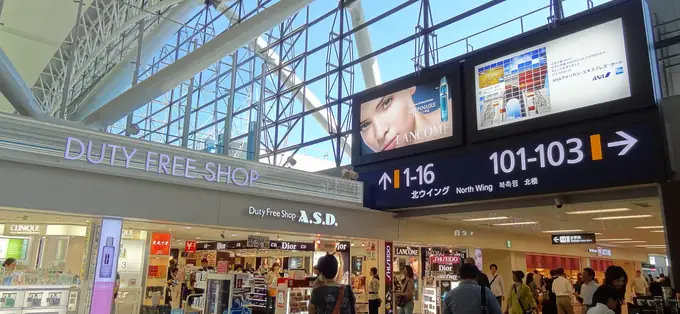
Money, duty-free & documents15
Cash, duty-free allowances, banned medicines and what you must declare.
Into Japan: limits applyChecked on arrival
- Declare above
- 1,000,000yen
- Upper limit
- None
The rule — You must declare cash and other means of payment worth more than 1 million yen. There is no limit on how much you may carry — only a duty to declare it.DetailsClose
- The rule
- You must declare cash and other means of payment worth more than 1 million yen. There is no limit on how much you may carry — only a duty to declare it.
What happens if you bring it anyway
The total counts every currency together, plus travellers' cheques, bearer securities and gold of 90% purity or higher. Ask for the declaration form at the airport. Failing to declare is an offence.
Source: Japan Customs
Open the full pageInto Japan: limits applyChecked on arrival
- Duty free
- 3bottles
- A bottle is
- 760cc
- Minimum age
- 20years
The rule — Three bottles per adult, duty free. A bottle counts as about 760cc.DetailsClose
- The rule
- Three bottles per adult, duty free. A bottle counts as about 760cc.
What happens if you bring it anyway
Over three bottles you pay duty at the airport: 200 yen per litre for wine and beer, 300 yen for distilled drinks, 400 yen for liqueur, 500 yen for rum, gin and vodka, and 800 yen for whisky and brandy. You have to be 20 or over — there is no allowance for anyone younger.
Source: Japan Customs
Open the full pageInto Japan: limits applyChecked on arrival
- Cigarettes
- 200sticks
- Cigars
- 50cigars
- Heated tobacco
- 10packs
- Other tobacco
- 250g
The rule — 200 cigarettes, or 50 cigars, or 10 packs of heated tobacco, or 250g of other tobacco, per adult.DetailsClose
- The rule
- 200 cigarettes, or 50 cigars, or 10 packs of heated tobacco, or 250g of other tobacco, per adult.
What happens if you bring it anyway
If you bring more than one kind the total must come to 250g. For heated tobacco the guide is 200 sticks of IQOS or glo, or 50 Ploom TECH capsules. Over the allowance you pay 15 yen per cigarette or stick, or 50 yen per capsule. You have to be 20 or over.
Source: Japan Customs
Open the full pageInto Japan: limits applyChecked on arrival
- Duty free
- 2oz
- That is about
- 56ml
The rule — Two ounces per person, duty free — about 56ml.DetailsClose
- The rule
- Two ounces per person, duty free — about 56ml.
What happens if you bring it anyway
Eau de toilette and cologne are counted under the general 200,000 yen allowance instead, not as perfume.
Source: Japan Customs
Open the full pageDuty-free allowance: everything else
Into Japan: limits applyChecked on arrival
- Total allowance
- 200,000yen
- Ignored below
- 10,000yen
- Commercial over
- 300,000yen
The rule — 200,000 yen in total for everything other than alcohol, tobacco and perfume, valued at overseas market prices.DetailsClose
- The rule
- 200,000 yen in total for everything other than alcohol, tobacco and perfume, valued at overseas market prices.
What happens if you bring it anyway
Anything worth 10,000 yen or less is free and does not count towards the total. A single item or set worth more than 200,000 yen gets no allowance at all — you pay duty on the whole value. Over 300,000 yen of dutiable goods and you have to clear them as commercial cargo.
Source: Japan Customs
Open the full pageHow much medicine you can bring
Into Japan: limits applyChecked on arrival
- Over the counter
- 2months
- On prescription
- 1month
- Cosmetics
- 24items
The rule — Up to a two-month supply of over-the-counter medicine, or one month of prescription medicine, without a permit.DetailsClose
- The rule
- Up to a two-month supply of over-the-counter medicine, or one month of prescription medicine, without a permit.
What happens if you bring it anyway
Over that you need a Yakkan Shoumei certificate, applied for before you travel. Keep everything in its original packaging and carry the prescription. Some drugs sold freely elsewhere are banned in Japan whatever the quantity — see the entry for medicine.
Source: Japan Customs
Open the full pageHow many cosmetics you can bring
Into Japan: limits applyChecked on arrival
- Cosmetics
- 24items
- Quasi-drugs
- 2months
The rule — 24 items of cosmetics without a permit. One item means one container of one product.DetailsClose
- The rule
- 24 items of cosmetics without a permit. One item means one container of one product.
What happens if you bring it anyway
Quasi-drugs, such as medicated skincare, count as a two-month supply rather than by item.
Source: Japan Customs
Open the full pageMedicines that are banned in Japan
Into Japan: noChecked on arrival
The rule — Medicines containing pseudoephedrine or stimulants such as amphetamine cannot be brought into Japan, even with a prescription from your own doctor.DetailsClose
- The rule
- Medicines containing pseudoephedrine or stimulants such as amphetamine cannot be brought into Japan, even with a prescription from your own doctor.
What happens if you bring it anyway
This catches common cold and sinus tablets sold over the counter in other countries, including some Sudafed and Vicks products, and ADHD medication such as Adderall. Bringing them in is a criminal offence and people have been detained for it. If you take a prescribed stimulant, contact the Japanese embassy before you travel and ask what alternative is available here. Codeine-based medicines are limited to a small personal supply.
Source: Japan Customs
Open the full pageInto Japan: noChecked on arrival
The rule — Banned outright. Japan makes no exception for cannabis that is legal where you bought it, in any form.DetailsClose
- The rule
- Banned outright. Japan makes no exception for cannabis that is legal where you bought it, in any form.
What happens if you bring it anyway
Heroin, cocaine, MDMA, opium, cannabis, stimulants and psychotropic substances are all prohibited by law. CBD products are only allowed if they contain no THC at all and you can prove it — many travellers have had them seized.
Source: Japan Customs
Open the full pageInto Japan: noChecked on arrival
The rule — Anything that infringes a trademark or copyright is confiscated at the border, even for personal use.DetailsClose
- The rule
- Anything that infringes a trademark or copyright is confiscated at the border, even for personal use.
What happens if you bring it anyway
Copy handbags, watches and clothing bought abroad are seized and destroyed. You are not fined for a single item for personal use, but you lose it.
Source: Japan Customs
Open the full pageIvory, coral and crocodile leather
Into Japan: limits applyChecked on arrival
The rule — Products from species protected by CITES need an export permit from the country you bought them in and an import permit for Japan.DetailsClose
- The rule
- Products from species protected by CITES need an export permit from the country you bought them in and an import permit for Japan.
What happens if you bring it anyway
This covers ivory, tortoiseshell, some coral, crocodile and python leather, and traditional medicines made with protected species. Without the paperwork the item is seized at the airport, whether or not you knew.
Source: Japan Customs
Open the full pageInto Japan: noChecked on arrival
The rule — Material that Japanese law considers obscene is prohibited, as is child pornography.DetailsClose
- The rule
- Material that Japanese law considers obscene is prohibited, as is child pornography.
What happens if you bring it anyway
Japanese standards differ from those in many countries. Customs officers may inspect printed matter and digital devices.
Source: Japan Customs
Open the full pageGuns and swords: the Japanese permit
Into Japan: noChecked on arrival
The rule — Firearms, ammunition and swords cannot be brought into Japan without a possession permit obtained in advance.DetailsClose
- The rule
- Firearms, ammunition and swords cannot be brought into Japan without a possession permit obtained in advance.
What happens if you bring it anyway
This is separate from the airline rules. A hunting gun, an air gun or a sword needs the permit before you arrive. Realistic replicas are treated as firearms. Buying a sword in Japan and taking it out is a different process — the shop arranges the export paperwork.
Source: Japan Customs
Open the full pageInto Japan: yesChecked on arrival
- Registration from
- 100g
- Remote ID
- Required
The rule — You may bring a drone into Japan, and it travels in the cabin because of its battery.DetailsClose
- The rule
- You may bring a drone into Japan, and it travels in the cabin because of its battery.
What happens if you bring it anyway
Flying it is the harder part. A drone weighing 100g or more must be registered with the Japanese authorities and carry a remote ID, and you need permission to fly near airports, over crowds or in most of central Tokyo and Osaka. Registration is open to visitors but takes time, so start before you travel.
Source: Japan Customs
Open the full pageInto Japan: limits applyChecked on arrival
The rule — Treated as medicine if they contain an active pharmaceutical ingredient, otherwise as food. The medicine limit is a two-month supply.DetailsClose
- The rule
- Treated as medicine if they contain an active pharmaceutical ingredient, otherwise as food. The medicine limit is a two-month supply.
What happens if you bring it anyway
Ordinary vitamins and protein powder for personal use are not a problem. Supplements containing hormones, or ingredients controlled in Japan such as ephedra, are another matter and can be held at the border.
Source: Japan Customs
Open the full page
Nothing matched. Try a different word — the search looks at other names for the same thing.
Two different checks, two different answers
Everything you carry passes two inspections on the way into Japan, run by different people with different rules. An item can sail through one and be seized at the other.
| Check | Where | Who runs it | What they are looking for |
|---|---|---|---|
| Airport security | Before you board, at your departure airport | The airport, under Japan Civil Aviation Bureau rules | Things that could bring down the aircraft: flammables, pressurised gas, lithium batteries, blades |
| Quarantine | Arrivals hall, before customs | Animal Quarantine Service and Plant Protection Station | Meat, fruit, vegetables, plants, soil — anything that could carry disease or pests |
| Customs | Arrivals hall, after quarantine | Japan Customs | Prohibited goods, and anything over the duty-free allowance |
A duty-free bag is not a free pass.Meat bought at an airport duty-free shop, on the plane, or in a sealed vacuum pack is still banned. So is a ham sandwich left over from your in-flight meal.
Use the switch at the top of this page to see only one of the two: what airport security cares about, or what Japan will let through the border.
Liquids: 100ml, one bag, and the exceptions
On international flights every liquid, gel and aerosol in your hand baggage has to fit the same rule. On domestic flights inside Japan there is no liquid limit at all.
- Per container
- 100ml
- Bag size
- 1litre
- Bags per person
- 1bag
- Total per person
- 2litres
| Kind | Per container | Total per person |
|---|---|---|
| Cosmetics and toiletries | 0.5 litres or 0.5kg | 2 litres or 2kg, shared across all three rows |
| Medicines and quasi-drugs | 0.5 litres or 0.5kg | Included in the same 2 litres |
| Aerosols | 0.5 litres or 0.5kg, nozzle protected | Included in the same 2 litres |
- Medicine, baby milk and special dietary food are exempt from the 100ml rule. Carry them separately and tell the officer.
- Liquids bought after security at a Japanese airport are exempt — but if you transit through a third country, that country may take them.
- Alcohol over 24% is capped at 5 litres per person. Over 70% cannot be carried at all.
- Bleach, mould remover and anything labelled chlorine-based cannot be carried in either bag.
Source: Japan Civil Aviation Bureau — screening of liquids, aerosols and gels
The mistake that costs 3 million yen
Bringing meat or fresh produce into Japan without declaring it is a criminal offence, not a formality. The penalty was raised on 1 July 2020 and people have been arrested since.
Up to three years in prison, or a fine of up to 3 million yen.Up to 50 million yen for a business. Quarantine officers can open your bag, ask what you are carrying, and destroy anything they find.
Banned, whatever the packaging
- Meat and anything made with it — ham, sausage, salami, bacon, jerky, meat floss, chicken feet
- Dishes with meat in them — meat buns, dumplings, hamburgers, ham sandwiches, gimbap
- Fresh fruit — mangoes, longans, guavas, lychees, citrus, pears, apples
- Fresh vegetables, including red peppers and chillies
- Soil, and plants with soil attached
- Leftovers from your in-flight meal, including cut fruit and sandwiches
Vacuum packing, cooking, a duty-free receipt or Japanese labelling make no difference. The rule is the same whether the food is for you, a gift, or for sale, and whether it comes in your bag, as cargo or by post.
What to do if you are carrying some
- Declare it at the quarantine counter in the arrivals hall, before customs. There is no penalty for handing it in.
- If you have been on a farm or touched livestock before flying, stop at the same counter to have your shoes disinfected.
- Plants, seeds and flowers can enter with a phytosanitary certificate from the government of the country you bought them in — arranged before you travel, not at the airport.
Sources: Animal Quarantine Service and Plant Protection Station
What an adult can bring in duty free
Over these amounts you pay at the airport. The allowance is per adult — there is none for anyone under 20 for alcohol or tobacco.
| Item | Allowance | If you go over |
|---|---|---|
| Alcohol | 3bottles | 200–800 yen per litre depending on the drink |
| Cigarettes | 200sticks | 15 yen per cigarette |
| Heated tobacco | 10packs | 15 yen per stick, 50 yen per capsule |
| Cigars | 50cigars | Counted towards the same 250g total |
| Perfume | 2ounces | Counted under the 200,000 yen allowance |
| Everything else | 200,000yen | 15% on most goods |
The details that decide how much you pay
- A bottle of alcohol counts as about 760cc. One ounce of perfume is about 28ml.
- Anything worth 10,000 yen or less is free and does not count towards the 200,000 yen.
- A single item worth more than 200,000 yen gets no allowance — you pay on the whole value.
- Carrying more than 1 million yen in cash and other means of payment must be declared. There is no limit, only a duty to declare.
Medicines that are ordinary at home and illegal here
Japan bans some ingredients that are sold over the counter elsewhere. This catches more visitors than anything else on this page, because the medicine is legal where it was bought and often prescribed.
Pseudoephedrine and amphetamine-type stimulants cannot be brought into Japan at all.That includes some Sudafed and Vicks cold and sinus tablets, and ADHD medication such as Adderall. A prescription from your own doctor does not change it.
| Kind | Amount | Notes |
|---|---|---|
| Over-the-counter medicine | 2 months' supply | Original packaging |
| Prescription medicine | 1 month's supply | Carry the prescription |
| Quasi-drugs (medicated skincare) | 2 months' supply | — |
| Cosmetics | 24 items | One item = one container of one product |
If you go over, or if you are not sure
- Over these amounts you need a Yakkan Shoumei certificate, applied for before you travel.
- Codeine-based medicines are limited to a small personal supply.
- If you take a prescribed stimulant, ask the Japanese embassy before you travel what is available here instead.
Where your airline is stricter
The rules on this page are the national ones. Airlines can and do set tighter limits, and where they do, the airline wins at the gate.
- Cabin bag size and weight: Japanese full-service carriers allow 115cm and 10kg; low-cost carriers allow the same size but 7kg.
- Number of pieces: one bag plus one personal item on every airline flying to Japan.
- From 1 July 2026 ANA and Solaseed cap the personal item at 40 × 30 × 20cm — smaller than many laptop bags.
- Power banks: no airline will accept one in checked baggage, whatever the national rule says.
How to read this page
- OK
- Allowed with no special condition.
- IF
- Allowed, but only within a limit or under a condition. The condition is written out on the card.
- NO
- Not allowed. For airport security that means it will be taken at the checkpoint; for customs it means it cannot enter Japan.
Where an airline is stricter than the national rule, the airline wins. If an item matters to your trip, check your airline's own page as well — the baggage rules for all 17 airlines flying into Japan are on this site.
Frequently asked questions
Can I bring a power bank to Japan?
Yes, in your hand baggage only — never in checked baggage. Up to 100Wh is fine and most airlines allow two. Between 100Wh and 160Wh the limit is two per person. Over 160Wh it cannot be carried at all. Since 2026 Japanese airlines also ask you to keep it in sight rather than in the overhead locker, and not to charge anything from it during the flight.
Can I bring food into Japan?
Packaged food without meat is generally fine. Anything containing meat is banned, including a ham sandwich, a pork bun or beef jerky, however it is packed and wherever it was bought. Most fresh fruit and vegetables are banned too. Bringing them in without declaring can mean up to three years in prison or a fine of up to 3 million yen.
How much alcohol can I bring into Japan?
Three bottles per adult duty free, where a bottle counts as about 760cc. On the plane itself, drinks up to 24% alcohol have no limit, drinks between 24% and 70% are capped at 5 litres, and anything over 70% cannot be carried. You must be 20 or over.
Can I take my medicine to Japan?
Most medicines, yes — up to a two-month supply over the counter or one month on prescription, in the original packaging. But medicines containing pseudoephedrine, such as some Sudafed products, and stimulants such as Adderall are prohibited outright, even with a prescription. Check your tablets before you pack.
Can I bring scissors or a knife in my hand luggage?
Scissors with a blade shorter than 6cm are usually accepted. Knives of any kind are not — they go in checked baggage. Once you land, carrying a blade over 6cm in public without a good reason is an offence under Japanese law, so if you buy a kitchen knife here, keep it wrapped and take it straight to your accommodation.
How many lighters can I take on a plane in Japan?
One per person, carried on your body rather than in a bag. Matches are not allowed at all, in the cabin or the hold — that is stricter than some countries, where a book of safety matches is permitted.
Are liquids limited on domestic flights in Japan?
No. Domestic flights within Japan have no liquid limit, so you can take a full water bottle through security. The 100ml rule applies only to international flights.
What happens if I declare something that turns out to be banned?
It is taken from you and destroyed, and that is the end of it. There is no penalty for declaring. The penalties apply to people who bring banned items through without declaring them.
Where these numbers come from
- Ministry of Land, Infrastructure, Transport and Tourism Japan Civil Aviation Bureau — items that can and cannot be carried by airchecked September 29, 2026
- Japan Civil Aviation Bureau Security control for screening liquids, aerosols and gels (LAGs)checked September 29, 2026
- Animal Quarantine Service Bringing animal products into Japanchecked September 29, 2026
- Plant Protection Station Request to people coming to Japanchecked September 29, 2026
- Japan Customs Procedures of passenger clearancechecked September 29, 2026
- Japan Customs Prohibited and restricted articleschecked September 29, 2026
143 items a traveller to Japan might carry, each with whether it can go in the cabin, whether it can go in the hold, and whether it can be brought into the country. Compiled from the Japan Civil Aviation Bureau list of restricted articles, the Animal Quarantine Service and Plant Protection Station rules on meat and produce, and Japan Customs allowances.
Read more
- What Is Japan Airlines’ Checked Baggage Allowance? 2026 FeesOn international flights, Japan Airlines Economy includes two free checked bags of 23kg…
- What Can You Not Bring Into Japan? 2026 Customs RulesMeat, most fresh fruit, amphetamine medicines and fake brand goods are stopped at Japan…
- Can You Use an Onsen With Tattoos in Japan? 2026 RulesThe rule is not a law, and it is not the same everywhere. Here is what to expect, and h…
- How Many Power Banks Can You Bring to Japan? 2026 RulesYes, in your carry-on only: 160Wh or less, two per person at most. Since 24 April 2026 …
Compiled by Japan Japan !! · Updated September 29, 2026