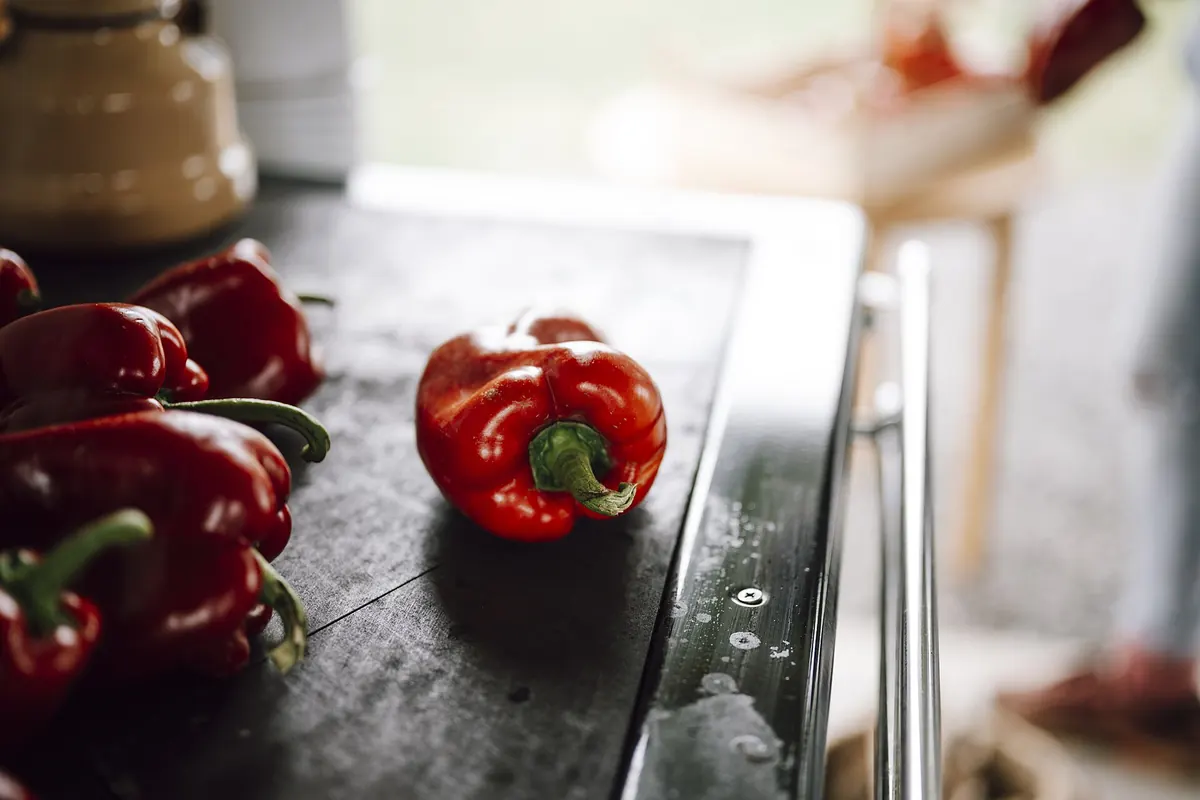

It is prohibited to bring most fresh vegetables into Japan; red peppers are named as an example.
Checked against the official page on · Report a correction
Vegetables that are not prohibited need a phytosanitary certificate from the exporting country's government and an import inspection. Highly processed plant products are not subject to plant quarantine.
Fresh vegetables at the Japanese border
This is decided when you land in Japan, by the quarantine services. Airport security at your departure airport is a separate check.
It is prohibited to bring most fresh vegetables into Japan; red peppers are named as an example. Vegetables that are not prohibited need a phytosanitary certificate from the exporting country's government and an import inspection. Highly processed plant products are not subject to plant quarantine.
- Named as not allowed
- red peppers
- Paperwork
- phytosanitary certificate issued by a government agency of the exporting country
- Not subject to plant quarantine
- highly processed items such as tea, and sealed items such as bottled dried spices
- Penalty
- imprisonment of up to three years or a fine of up to 3 million yen (up to 50 million yen for business entities)
Fresh, dried or pickled: how Japan sorts vegetables
Japan's Plant Protection Station sorts vegetables by where they were grown and by how far they have been processed.
- The country of origin changes the answer
- The Plant Protection Station bans certain fruits and vegetables depending on the country or region where they were produced or exported from. The same vegetable can therefore be prohibited from one origin and open to inspection from another. The Station says the rules differ by country of production, exporting country and plant type, and that banned items can be looked up in English in its Database for Importing Conditions.
- What the phytosanitary certificate is
- The certificate is issued to plants that have been inspected and passed by the plant protection organisation of the exporting country's government, a system set by the International Plant Protection Convention. The Station's FAQ sends travellers to the convention's website, which lists each country's contact point, to ask where certificates are issued. On arrival it is submitted with the import plant inspection application.
- Dried and pickled forms on the exempt list
- Besides tea and sealed spices, the Station's list of plants outside import quarantine names dried bamboo shoots and plants steeped in salt, sugar, acetic acid or alcohol. Everything that could still carry pests stays subject to plant quarantine. The Station's notice gives an everyday case: in-flight meals containing fresh fruits and vegetables cannot be brought in, so leftovers stay on the aircraft.
- Why one pepper matters
- The ban targets pests and diseases such as the oriental fruit fly and fire blight, which the Station says may be brought into Japan through fruits and vegetables. The same notice adds that the rules apply regardless of quantity and whether the vegetables are for commercial or individual use, and that cargo, personal baggage and international mail are all covered.
Declaring fresh vegetables when you arrive
Take any vegetables and their phytosanitary certificate to the Plant Quarantine Counter and complete the inspection before going through customs.
If you bring fresh vegetables into Japan without declaring
Illegally bringing in vegetables can result in imprisonment of up to three years or a fine of up to 3 million yen (up to 50 million yen for business entities).
Frequently asked questions
Can I bring vegetables to Japan?
It is prohibited to bring most fresh vegetables into Japan; red peppers are named as an example. Vegetables that are not prohibited need a phytosanitary certificate from the exporting country's government and an import inspection. Highly processed plant products are not subject to plant quarantine.
What should I do if I find vegetables in my bag after leaving the airport in Japan?
Contact the nearest Plant Protection Station straight away. That is the Station's answer for travellers who brought in fruit or other plants without declaring them, and vegetables fall under the same plant rules. Pests harmful to Japan's agriculture may have entered with them, so it asks to be told immediately.
Can a prohibited vegetable or fruit be stored at the airport until I leave Japan?
Yes, through bonded storage. The Plant Protection Station says it cannot keep prohibited plants itself, but storage can be entrusted, for a fee, to a specialist company inside the bonded area. On departure the traveller shows the copy of the deposit slip at the airline counter and receives the item after exit immigration.
Are chillies allowed?
Red peppers are named among the examples of fruits and vegetables that cannot be brought in.
Are processed vegetable products treated the same way?
No. Highly processed plant products, and sealed products such as bottled dried spices, that cannot carry plant pests are not subject to import plant quarantine.
Where is the inspection done?
At the Plant Quarantine Counter, before going through customs inspections.
Read more
- What Can You Not Bring Into Japan? 2026 Customs Banned ListMeat, most fresh fruit, amphetamine medicines and fake brand goods are stopped at Japan…
- Osechi 2027: Boxes From 6,480 Yen, Order by 22 DecemberOsechi is Japan's boxed New Year meal, eaten 1 to 3 January. 2027 department store boxe…
- Japan Packing List for Winter: What to Wear and Carry OnJapan packing list for winter: layers for Tokyo (1.2°C lows), boots for Sapporo (-6.4°C…
- Nishiki Market vs Kuromon vs Tsukiji: Hours and Eating RulesNishiki Market asks you to eat at the shop, Kuromon welcomes eating as you stroll, and …
Sources for this page
- Plant Protection Station — Request to people coming to Japan
- Plant Protection Station — Plants not subject to import plant quarantine (Japanese)
- Plant Protection Station — Regulations when Bringing Plants into Japan from Another Country
- Plant Protection Station — FAQ on bringing plants from overseas (Japanese)