Japan power plugs and voltage: country by country
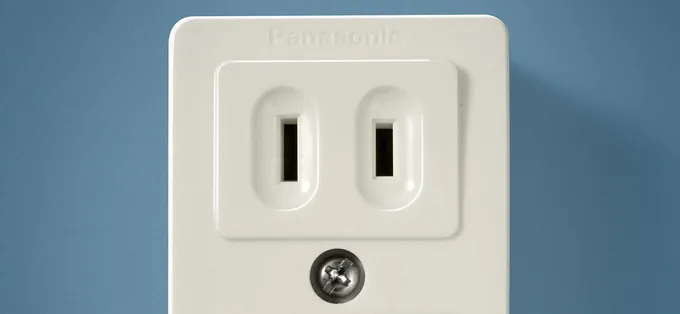
Japan runs on 100V. The frequency is 50Hz in eastern Japan and 60Hz in western Japan, including Nagoya, Kyoto and Osaka (JNTO). Outlets take Type A plugs with two flat pins. Pick your country or your device below.
- Voltage
- 100V
- East / west
- 50 / 60Hz
- Plug
- Type A
- 220–240V homes
- 73% of visitors

Figure by japan-japan.com from JNTO, Panasonic and the official pages of each country.
Type A plugs100V everywhere50Hz east, 60Hz west
Show
In Japan you need
Voltage at home
INPUT on your device
Countries and regions20
South Korea, China, Taiwan and 17 more, in order of 2025 visitors.
- Voltage
- 220V
- Frequency
- 60Hz
- Plug
- Round pins
Round pins from South Korea need a Type A adapter in Japan. 220V at home, 100V in Japan.DetailsClose
- Voltage
- 220V (Electricity Business Act Enforcement Rule, Korea, law.go.kr)
- Frequency
- 60Hz (Electricity Business Act Enforcement Rule, Korea, law.go.kr)
- Plug
- Round pins (Type C and F) (Korea Tourism Organization)
- In Japan
- A plug adapter to Type A
- 2025 visitors
- 9,459,711 (JNTO)
- INPUT 100-240V
- A plug adapter to Type A. No voltage converter
- INPUT 220V only
- 100V is outside the range: a voltage converter (JNTO) or a dual-voltage model
Where this comes from
Source: Electricity Business Act Enforcement Rule (Korea, law.go.kr) — Annex 3, amended 13 June 2025 · Korea Electric Power Corporation (KEPCO) — Basic supply terms, Article 23 · Korea Electric Power Corporation (KEPCO) — KEPCO in-house magazine, 2023
Open the full pageOfficial page: Korea Tourism Organization- 2
China220V · 50Hz · Two flat parallel pins, round pins or three pins in a triangle
Depends on the plug
- Voltage
- 220V
- Frequency
- 50Hz
- Plug
- Flat two-pin and others
Flat two-pin plugs fit; round pins or three pins in a triangle need a Type A adapter. 220V at home, 100V in Japan.DetailsClose
- Voltage
- 220V (National Energy Administration, Northwest Regulatory Bureau)
- Frequency
- 50Hz (National Energy Administration, Northwest Regulatory Bureau)
- Plug
- Two flat parallel pins, round pins or three pins in a triangle (Beijing Municipal People's Government)
- In Japan
- None for flat two-pin plugs; a Type A adapter for the other shapes
- 2025 visitors
- 9,095,931 (JNTO)
- INPUT 100-240V
- No plug adapter for flat two-pin plugs; a plug adapter to Type A. No voltage converter
- INPUT 220V only
- 100V is outside the range: a voltage converter (JNTO) or a dual-voltage model
Where this comes from
Source: National Energy Administration, Northwest Regulatory Bureau — Rules for power supply business, Articles 5 and 6 · Beijing Municipal People's Government — FAQ: electricity · Beijing Municipal People's Government — Travel tips
Open the full pageOfficial page: National Energy Administration, Northwest Regulatory Bureau - 3
Taiwan110V · 60Hz · Two flat parallel pins or two flat pins and a round earth pin (Type A and B)
Flat two-pin plugs fit
- Voltage
- 110V
- Frequency
- 60Hz
- Plug
- Flat two-pin and others
Flat two-pin plugs from Taiwan fit Japan's Type A outlets. 110V at home, 100V in Japan.DetailsClose
- Voltage
- 110V (Taiwan Ministry of Economic Affairs)
- Frequency
- 60Hz (Taiwan Ministry of Economic Affairs)
- Plug
- Two flat parallel pins or two flat pins and a round earth pin (Type A and B) (Taoyuan City Government, Taoyuan Tourism)
- In Japan
- No plug adapter for flat two-pin plugs
- 2025 visitors
- 6,763,424 (JNTO)
- INPUT 100-240V
- No plug adapter for flat two-pin plugs. No voltage converter
- Home voltage only
- Read the range: Japan's 100V has to be inside it
Where this comes from
Source: Taiwan Ministry of Economic Affairs — Standards for supply voltage and frequency, Articles 3 and 4 · Talent Taiwan Office (entrusted by the National Development Council) — Household utilities: water, electricity and gas · Taiwan Power Company (Taipower) — Electrical safety: why some sockets have two holes and some three
Open the full pageOfficial page: Taiwan Tourism Administration - Voltage
- 110/120V
- Frequency
- 60Hz
- Plug
- Flat two-pin
Flat two-pin plugs from the United States fit Japan's Type A outlets. 110/120V at home, 100V in Japan.DetailsClose
- Voltage
- 110/120V (Brand USA, Visit The USA)
- Frequency
- 60Hz (U.S. Department of Energy)
- Plug
- Two flat parallel pins (Tourism Authority of Thailand)
- In Japan
- No plug adapter for flat two-pin plugs
- 2025 visitors
- 3,306,820 (JNTO)
- INPUT 100-240V
- No plug adapter for flat two-pin plugs. No voltage converter
- Home voltage only
- Read the range: Japan's 100V has to be inside it
Where this comes from
Source: U.S. Department of Energy — Electricity 101 · U.S. Department of Energy — United States Electricity Industry Primer · Brand USA (Visit The USA) — Travel trade FAQ
Open the full pageOfficial page: Brand USA (Visit The USA)- Voltage
- 220V
- Frequency
- 50Hz
- Plug
- Three rectangular pins
Three rectangular pins from Hong Kong need a Type A adapter in Japan. 220V at home, 100V in Japan.DetailsClose
- Voltage
- 220V (HKSAR Government)
- Frequency
- 50Hz (HKSAR Government)
- Plug
- Three rectangular pins (Hong Kong Tourism Board)
- In Japan
- A plug adapter to Type A
- 2025 visitors
- 2,517,399 (JNTO)
- INPUT 100-240V
- A plug adapter to Type A. No voltage converter
- INPUT 220V only
- 100V is outside the range: a voltage converter (JNTO) or a dual-voltage model
Where this comes from
Source: HKSAR Government — Hong Kong: The Facts, power and gas supplies · Electrical and Mechanical Services Department (EMSD) — Electricity Classroom · Electrical and Mechanical Services Department (EMSD) — Guidance notes, Electrical Products (Safety) Regulation
Open the full pageOfficial page: Hong Kong Tourism Board- Voltage
- 220V
- Frequency
- 50Hz
- Plug
- Flat two-pin and others
Flat two-pin plugs fit; round pins need a Type A adapter. 220V at home, 100V in Japan.DetailsClose
- Voltage
- 220V (Provincial Electricity Authority, PEA)
- Frequency
- 50Hz (Electricity Generating Authority of Thailand, EGAT)
- Plug
- Two flat parallel pins or round pins (Tourism Authority of Thailand)
- In Japan
- None for flat two-pin plugs; a Type A adapter for the other shapes
- 2025 visitors
- 1,233,103 (JNTO)
- INPUT 100-240V
- No plug adapter for flat two-pin plugs; a plug adapter to Type A. No voltage converter
- INPUT 220V only
- 100V is outside the range: a voltage converter (JNTO) or a dual-voltage model
Where this comes from
Source: Provincial Electricity Authority (PEA) — Electricity tariffs, May 2023 · Electricity Generating Authority of Thailand (EGAT) — Grid code (operation) · Tourism Authority of Thailand — Plan your trip: electricity (2019)
Open the full pageOfficial page: Tourism Authority of Thailand- Voltage
- 230V
- Frequency
- 50Hz
- Plug
- Pins in a V
Two flat pins in an inverted V from Australia need a Type A adapter in Japan. 230V at home, 100V in Japan.DetailsClose
- Voltage
- 230V (Essential Services Commission, Victoria)
- Frequency
- 50Hz (Australian Energy Market Commission, Reliability Panel)
- Plug
- Two flat pins in an inverted V (Tourism Australia)
- In Japan
- A plug adapter to Type A
- 2025 visitors
- 1,058,396 (JNTO)
- INPUT 100-240V
- A plug adapter to Type A. No voltage converter
- INPUT 230V only
- 100V is outside the range: a voltage converter (JNTO) or a dual-voltage model
Where this comes from
Source: Australian Energy Market Commission (Reliability Panel) — Frequency operating standard · Essential Services Commission (Victoria) — Electricity Distribution Code of Practice · Electrical Equipment Safety System (EESS) — Information bulletin: equipment with integral pins
Open the full pageOfficial page: Tourism Australia- Voltage
- 220V
- Frequency
- 60Hz
- Plug
- Flat two-pin
Flat two-pin plugs from the Philippines fit Japan's Type A outlets. 220V at home, 100V in Japan.DetailsClose
- Voltage
- 220V (Department of Foreign Affairs, Philippine Embassy in Hanoi)
- Frequency
- 60Hz (Energy Regulatory Commission and Department of Energy)
- Plug
- Two flat parallel pins (Department of Foreign Affairs, Philippine Embassy in Hanoi)
- In Japan
- No plug adapter for flat two-pin plugs
- 2025 visitors
- 885,023 (JNTO)
- INPUT 100-240V
- No plug adapter for flat two-pin plugs. No voltage converter
- INPUT 220V only
- 100V is outside the range: a voltage converter (JNTO) or a dual-voltage model
Where this comes from
Source: Energy Regulatory Commission and Department of Energy — Philippine Distribution Code, 2001 (archived copy) · Department of Foreign Affairs (Philippine Embassy in Hanoi) — Traveling in the Philippines (archived copy) · Department of Foreign Affairs (Philippine Embassy in Rome) — General information (archived copy)
Open the full pageOfficial page: Philippines Department of Tourism- 9
Singapore230V · 50Hz · Three rectangular pins or round pins (Type G; also M and C)
Plug adapter needed
- Voltage
- 230V
- Frequency
- 50Hz
- Plug
- Three rectangular pins and others
Three rectangular pins from Singapore need a Type A adapter in Japan. 230V at home, 100V in Japan.DetailsClose
- Voltage
- 230V (Singapore Statutes Online)
- Frequency
- 50Hz (Singapore Statutes Online)
- Plug
- Three rectangular pins or round pins (Type G; also M and C) (Singapore Tourism Board)
- In Japan
- A plug adapter to Type A
- 2025 visitors
- 726,251 (JNTO)
- INPUT 100-240V
- A plug adapter to Type A. No voltage converter
- INPUT 230V only
- 100V is outside the range: a voltage converter (JNTO) or a dual-voltage model
Where this comes from
Source: Singapore Statutes Online — Electricity (Electrical Installations) Regulations, reg. 3 · Consumer Product Safety Office (Enterprise Singapore) — Types of mains plugs suitable for use in Singapore · Singapore Tourism Board — Essential travel information
Open the full pageOfficial page: Singapore Tourism Board - Voltage
- 120V
- Frequency
- 60Hz
- Plug
- Flat two-pin
Flat two-pin plugs from Canada fit Japan's Type A outlets. 120V at home, 100V in Japan.DetailsClose
- Voltage
- 120V (Tourism PEI, Government of Prince Edward Island)
- Frequency
- 60Hz (Health Canada)
- Plug
- Two flat parallel pins (Tourism PEI, Government of Prince Edward Island)
- In Japan
- No plug adapter for flat two-pin plugs
- 2025 visitors
- 688,019 (JNTO)
- INPUT 100-240V
- No plug adapter for flat two-pin plugs. No voltage converter
- Home voltage only
- Read the range: Japan's 100V has to be inside it
Where this comes from
Source: Health Canada — Power lines and electrical appliances · BC Hydro — Rate schedules for residential service, 2022 · Tourism PEI (Government of Prince Edward Island) — What type of power outlet is used in Canada?
Open the full pageOfficial page: Tourism PEI (Government of Prince Edward Island)- Voltage
- 220V
- Frequency
- 50Hz
- Plug
- Round pins
Round pins from Vietnam need a Type A adapter in Japan. 220V at home, 100V in Japan.DetailsClose
- Voltage
- 220V (Vietnam National Authority of Tourism)
- Frequency
- 50Hz (Vietnam Ministry of Industry and Trade)
- Plug
- Round pins (Vietnam National Authority of Tourism)
- In Japan
- A plug adapter to Type A
- 2025 visitors
- 678,594 (JNTO)
- INPUT 100-240V
- A plug adapter to Type A. No voltage converter
- INPUT 220V only
- 100V is outside the range: a voltage converter (JNTO) or a dual-voltage model
Where this comes from
Source: Vietnam Ministry of Industry and Trade — Circular 39/2015/TT-BCT, Article 4 · Vietnam National Authority of Tourism — Plan your trip · Japan National Tourism Organization (JNTO) — Plugs & Electricity
Open the full pageOfficial page: Vietnam National Authority of Tourism- Voltage
- 230V
- Frequency
- 50Hz
- Plug
- Round pins
Round pins from Indonesia need a Type A adapter in Japan. 230V at home, 100V in Japan.DetailsClose
- Voltage
- 230V (Indonesia Ministry of Tourism)
- Frequency
- 50Hz (Indonesia Ministry of Energy and Mineral Resources)
- Plug
- Round pins (Type C and F) (Indonesia Ministry of Tourism)
- In Japan
- A plug adapter to Type A
- 2025 visitors
- 640,577 (JNTO)
- INPUT 100-240V
- A plug adapter to Type A. No voltage converter
- INPUT 230V only
- 100V is outside the range: a voltage converter (JNTO) or a dual-voltage model
Where this comes from
Source: Indonesia Ministry of Energy and Mineral Resources — Regulation No. 20/2020 (grid code) · Indonesia Ministry of Tourism — Plugs and electricity · Seoul Tourism Organization — Visit Seoul: essential information
Open the full pageOfficial page: Indonesia Ministry of Tourism- Voltage
- 230V
- Frequency
- 50Hz
- Plug
- Three rectangular pins
Three rectangular pins from Malaysia need a Type A adapter in Japan. 230V at home, 100V in Japan.DetailsClose
- Voltage
- 230V (Energy Commission, Suruhanjaya Tenaga)
- Frequency
- 50Hz (Energy Commission, Suruhanjaya Tenaga)
- Plug
- Three rectangular pins (Consumer Product Safety Office, Enterprise Singapore)
- In Japan
- A plug adapter to Type A
- 2025 visitors
- 636,575 (JNTO)
- INPUT 100-240V
- A plug adapter to Type A. No voltage converter
- INPUT 230V only
- 100V is outside the range: a voltage converter (JNTO) or a dual-voltage model
Where this comes from
Source: Energy Commission (Suruhanjaya Tenaga) — Regulatory requirements related to national differences · Tenaga Nasional Berhad (TNB) — Electricity Supply Application Handbook 3.1 · Tourism Malaysia — Travel guide
Open the full pageOfficial page: Tourism Malaysia- Voltage
- 230V
- Frequency
- 50Hz
- Plug
- Three rectangular pins
Three rectangular pins from the United Kingdom need a Type A adapter in Japan. 230V at home, 100V in Japan.DetailsClose
- Voltage
- 230V (UK Government, legislation.gov.uk)
- Frequency
- 50Hz (UK Government, legislation.gov.uk)
- Plug
- Three rectangular pins (Type G) (VisitBritain)
- In Japan
- A plug adapter to Type A
- 2025 visitors
- 535,004 (JNTO)
- INPUT 100-240V
- A plug adapter to Type A. No voltage converter
- INPUT 230V only
- 100V is outside the range: a voltage converter (JNTO) or a dual-voltage model
Where this comes from
Source: UK Government (legislation.gov.uk) — Electricity Safety, Quality and Continuity Regulations 2002, reg. 27 · VisitBritain — Useful information · VisitScotland — Scotland FAQs
Open the full pageOfficial page: VisitBritain- Voltage
- 230V
- Frequency
- 50Hz
- Plug
- Round pins
Round pins from France need a Type A adapter in Japan. 230V at home, 100V in Japan.DetailsClose
- Voltage
- 230V (Commission de régulation de l'énergie, CRE)
- Frequency
- 50Hz (Commission de régulation de l'énergie, CRE)
- Plug
- Round pins (Type E) (Atout France, france.fr)
- In Japan
- A plug adapter to Type A
- 2025 visitors
- 457,566 (JNTO)
- INPUT 100-240V
- A plug adapter to Type A. No voltage converter
- INPUT 230V only
- 100V is outside the range: a voltage converter (JNTO) or a dual-voltage model
Where this comes from
Source: Commission de régulation de l'énergie (CRE) — Voltage quality · RTE (French grid operator) — Electric frequency · Atout France (france.fr) — What are the electricity requirements in France? (2012)
Open the full pageOfficial page: Atout France (france.fr)- Voltage
- 230V
- Frequency
- 50Hz
- Plug
- Round pins
Round pins from Germany need a Type A adapter in Japan. 230V at home, 100V in Japan.DetailsClose
- Voltage
- 230V (Federal Republic of Germany, gesetze-im-internet.de)
- Frequency
- 50Hz (Federal Republic of Germany, gesetze-im-internet.de)
- Plug
- Round pins (Type F) (German National Tourist Board, GNTO)
- In Japan
- A plug adapter to Type A
- 2025 visitors
- 429,479 (JNTO)
- INPUT 100-240V
- A plug adapter to Type A. No voltage converter
- INPUT 230V only
- 100V is outside the range: a voltage converter (JNTO) or a dual-voltage model
Where this comes from
Source: Federal Republic of Germany (gesetze-im-internet.de) — Low Voltage Connection Ordinance (NAV), § 7 · German National Tourist Board (GNTO) — Resource guide for travel advisors (USA) · Seoul Tourism Organization — Visit Seoul: essential information
Open the full pageOfficial page: German National Tourist Board (GNTO)- Voltage
- 230V
- Frequency
- 50Hz
- Plug
- Round pins
Round pins from India need a Type A adapter in Japan. 230V at home, 100V in Japan.DetailsClose
- Voltage
- 230V (Delhi Electricity Regulatory Commission)
- Frequency
- 50Hz (Delhi Electricity Regulatory Commission)
- Plug
- Round pins (Bureau of Indian Standards)
- In Japan
- A plug adapter to Type A
- 2025 visitors
- 315,062 (JNTO)
- INPUT 100-240V
- A plug adapter to Type A. No voltage converter
- INPUT 230V only
- 100V is outside the range: a voltage converter (JNTO) or a dual-voltage model
Where this comes from
Source: Delhi Electricity Regulatory Commission — Supply Code and Performance Standards Regulations 2017, reg. 4 · Central Electricity Authority (Ministry of Power) — Minutes on declared supply voltage, 13 January 2022 · Bureau of Indian Standards — Information to industry on IS 1293
Open the full pageOfficial page: Delhi Electricity Regulatory Commission- Voltage
- 220V
- Frequency
- 50Hz
- Plug
- Round pins
Round pins from Italy need a Type A adapter in Japan. 220V at home, 100V in Japan.DetailsClose
- Voltage
- 220V (ARERA, Italian energy regulator)
- Frequency
- 50Hz (ARERA, Italian energy regulator)
- Plug
- Round pins (Type C and L) (ENIT, Italia.it)
- In Japan
- A plug adapter to Type A
- 2025 visitors
- 309,377 (JNTO)
- INPUT 100-240V
- A plug adapter to Type A. No voltage converter
- INPUT 220V only
- 100V is outside the range: a voltage converter (JNTO) or a dual-voltage model
Where this comes from
Source: ARERA (Italian energy regulator) — Other useful information on the electricity bill · ARERA (Italian energy regulator) — Grid code, annex to resolution 33/08 · ENIT (Italia.it) — Practical information
Open the full pageOfficial page: ENIT (Italia.it)- Voltage
- 230V
- Frequency
- 50Hz
- Plug
- Round pins
Round pins from Spain need a Type A adapter in Japan. 230V at home, 100V in Japan.DetailsClose
- Voltage
- 230V (Government of Spain, BOE)
- Frequency
- 50Hz (Government of Spain, BOE)
- Plug
- Round pins (Turespaña, spain.info)
- In Japan
- A plug adapter to Type A
- 2025 visitors
- 245,576 (JNTO)
- INPUT 100-240V
- A plug adapter to Type A. No voltage converter
- INPUT 230V only
- 100V is outside the range: a voltage converter (JNTO) or a dual-voltage model
Where this comes from
Source: Government of Spain (BOE) — Royal Decree 842/2002, low voltage regulation, art. 4 · Turespaña (spain.info) — Travel tips: connections · Japan National Tourism Organization (JNTO) — Plugs & Electricity
Open the full pageOfficial page: Turespaña (spain.info)- Voltage
- 120V
- Frequency
- 60Hz
- Plug
- Flat pins + earth
Type B plugs from Mexico need a Japanese socket with the third hole. 120V at home, 100V in Japan.DetailsClose
- Voltage
- 120V (Comisión Federal de Electricidad, CFE)
- Frequency
- 60Hz (Comisión Federal de Electricidad, CFE)
- Plug
- Two flat pins and a round earth pin (Type B) (Mexico City Government)
- In Japan
- A socket with the third hole, for the round earth pin
- 2025 visitors
- 200,395 (JNTO)
- INPUT 100-240V
- A plug that fits Type A. No voltage converter
- Home voltage only
- Read the range: Japan's 100V has to be inside it
Where this comes from
Source: Secretaría de Energía (Diario Oficial de la Federación) — NOM-001-SEDE-2012, 29 November 2012 (archived copy) · Mexico City Government — Basics for Mexico City travel (city tourism portal) · Mexico City Government — Basics for Mexico City travel, Spanish (city tourism portal)
Open the full pageOfficial page: Comisión Federal de Electricidad (CFE)
Devices6
Phone chargers, laptops, hair dryers, hair straighteners, shavers and Japanese appliances to take home.
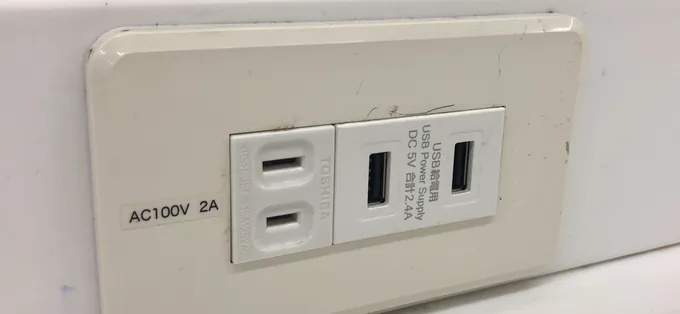
Phone chargersCheck INPUT for 100V
Works if INPUT includes 100V
- Japan
- 100V
- Apple adapters
- 100–240V
- Frequency
- 50/60Hz
- Plug
- Type A
A charger whose INPUT includes 100V works in Japan. Apple USB power adapters are rated 100–240V.DetailsClose
- Voltage
- Japan is 100V. Read INPUT on the charger
- Plug
- Type A outlets: two flat pins
- On the shinkansen
- Every seat on N700S (JR Central)
Where this comes from
Source: Apple — About Apple USB power adapters · Nintendo — Nintendo Switch 2 AC adapter specifications (Japanese) · Nintendo — Nintendo Switch AC adapter specifications (Japanese)
Open the full pageOfficial page: AppleLaptopsAdapters and train outlets
- Japan
- 100V
- MacBook Air
- 100–240V
- Every-seat trains
- 6
- Plug
- Type A
Apple lists 100–240V for the MacBook Air and Pro. Read INPUT on any other adapter.DetailsClose
- Voltage
- INPUT has to include 100V
- Plug
- Type A, or a plug adapter
- On the train
- 6 shinkansen types with an outlet at every seat
Where this comes from
Source: Apple — MacBook Air (13-inch, M3, 2024) technical specifications (Japanese) · Apple — MacBook Pro (16-inch, 2024) technical specifications (Japanese) · Apple — Use a power adapter with your Mac
Open the full pageOfficial page: AppleHair dryersDual voltage or a converter
Dual-voltage or converter
Dual-voltage dryer? Panasonic says to set the switch to 100-120V in Japan.
- Japan
- 100V
- Switch for Japan
- 100-120V
- Outlet limit
- 1,500W
- Plug
- Type A
Dual-voltage dryers should work anywhere in Japan (JNTO). A dryer for 220-240V only needs a voltage converter.DetailsClose
- Dual-voltage
- Should work anywhere in Japan (JNTO)
- 220-240V only
- Needs a voltage converter (JNTO)
- Voltage switch
- Set to 100-120V in Japan (Panasonic)
Where this comes from
Source: Japan National Tourism Organization (JNTO) — Plugs & Electricity · Panasonic — Hair dryers you can use abroad, FAQ (Japanese) · Panasonic — How to use the voltage switch, FAQ (Japanese)
Open the full pageOfficial FAQ: PanasonicHair straighteners and curling ironsINPUT and dual voltage
- Japan
- 100V
- Panasonic dual
- Auto switch
- AC100V models
- Japan only
- Plug
- Type A
Works in Japan if INPUT includes 100V. Panasonic's dual-voltage irons switch voltage by themselves.DetailsClose
- INPUT
- Has to include 100V
- Panasonic dual-voltage
- Switch voltage by themselves
- Panasonic AC100V
- Cannot be used outside Japan
Where this comes from
Source: Panasonic — Hair irons you can use abroad, FAQ (Japanese) · Japan National Tourism Organization (JNTO) — Plugs & Electricity · Japan National Tourism Organization (JNTO) — FAQ: basic information
Open the full pageOfficial FAQ: PanasonicElectric shaversDual voltage and the plug
- Japan
- 100V
- Dual-voltage
- Should work
- Flat two-pin only
- 4
- Plug
- Type A
JNTO says dual-voltage shavers should work anywhere in Japan. Other shavers need INPUT that includes 100V.DetailsClose
- Dual-voltage
- Should work anywhere in Japan (JNTO)
- Other shavers
- INPUT has to include 100V
- Plug
- Two flat pins, or a plug adapter to Type A
Where this comes from
Source: Japan National Tourism Organization (JNTO) — Plugs & Electricity · Japan National Tourism Organization (JNTO) — FAQ: basic information · Electricity Business Act Enforcement Rule (Korea, law.go.kr) — Annex 3, amended 13 June 2025
Open the full pageOfficial page: JNTOJapanese appliances to take homeTourist models, labels and warranty
- Made for Japan
- 100V
- Tourist rice cooker
- 220V
- Warranty abroad
- Check first
- Plug
- Type A
Read INPUT before you buy. Panasonic's dryers and irons for Japan (AC100V) cannot be used abroad; tourist models can.DetailsClose
- Made for Japan
- Panasonic: not for use abroad
- Tourist models
- Made for overseas, labelled not for Japan (METI)
- Warranty
- Some makers exclude use outside Japan (National Consumer Affairs Center)
Tourist models are sold in Japan for use overseas.
Where this comes from
Source: Ministry of Economy, Trade and Industry — Exception approval under the Electrical Appliances and Materials Safety Act (Japanese) · Ministry of Economy, Trade and Industry — Article-by-article commentary on the Electrical Appliances and Materials Safety Act (Japanese) · Panasonic — Can rice cookers be used abroad? FAQ (Japanese)
Open the full pageOfficial FAQ: Consumer Hotline for Tourists
Around Japan2
The 50Hz and 60Hz split, and power outlets on the shinkansen.
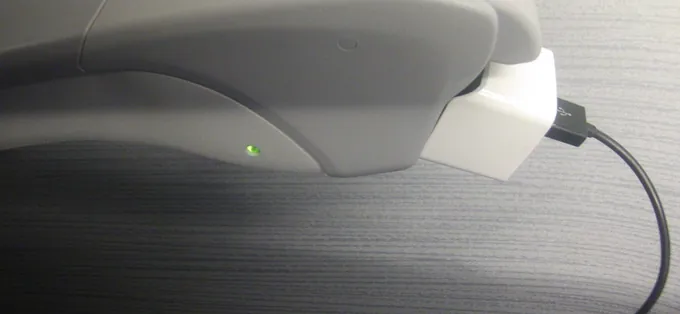
50Hz and 60Hz: east and west47 prefectures, 10 companies
- 50Hz
- 14 prefectures
- 60Hz
- 29 prefectures
- Both
- 4 prefectures
- Converters
- 2,100MW
- East
- 50Hz, including Tokyo
- West
- 60Hz, including Nagoya, Kyoto and Osaka
- Both
- Gunma, Niigata, Nagano and Shizuoka
A label that says 50/60Hz works on both sides.
Open the full pageOfficial page: Kansai Electric PowerWhere this comes from
Power outlets on the shinkansenSeat by seat, from the JR companies
- Every seat
- 6 types
- Listed
- 15 types
- Tohoku outlets
- 100V
- Express trains
- 6
- Every seat
- N700S, N700S, some trainsets, W7, E7, E8 and N700S
- N700 and N700A
- Green Cars, window seats, front and back rows
- Voltage
- 100V on the Tohoku Shinkansen (JR East)
Ask for a window seat when you buy the ticket (JNTO).
Open the full pageOfficial page: JR CentralWhere this comes from
Nothing matched. Try a country, hair dryer or 60Hz.
Plugs and voltage in 20 countries and regions
The 20 countries and regions that sent the largest numbers of visitors to Japan in 2025 (JNTO), with the voltage, frequency and plug from their own official pages.
| Country or region | Voltage | Frequency | Plug |
|---|---|---|---|
| Japan | 100V JNTO | 50Hz east, 60Hz west | Type A (Panasonic: A and B) |
| 1South Korea | 220V Source | 60Hz | Round pins (Type C and F) Source |
| 2China | 220V Source | 50Hz | Two flat parallel pins, round pins or three pins in a triangle Source |
| 3Taiwan | 110V Source | 60Hz | Two flat parallel pins or two flat pins and a round earth pin (Type A and B) Source |
| 4United States | 110/120V Source | 60Hz | Two flat parallel pins Source |
| 5Hong Kong | 220V Source | 50Hz | Three rectangular pins Source |
| 6Thailand | 220V Source | 50Hz | Two flat parallel pins or round pins Source |
| 7Australia | 230V Source | 50Hz | Two flat pins in an inverted V Source |
| 8Philippines | 220V Source | 60Hz | Two flat parallel pins Source |
| 9Singapore | 230V Source | 50Hz | Three rectangular pins or round pins (Type G; also M and C) Source |
| 10Canada | 120V Source | 60Hz | Two flat parallel pins Source |
| 11Vietnam | 220V Source | 50Hz | Round pins Source |
| 12Indonesia | 230V Source | 50Hz | Round pins (Type C and F) Source |
| 13Malaysia | 230V Source | 50Hz | Three rectangular pins Source |
| 14United Kingdom | 230V Source | 50Hz | Three rectangular pins (Type G) Source |
| 15France | 230V Source | 50Hz | Round pins (Type E) Source |
| 16Germany | 230V Source | 50Hz | Round pins (Type F) Source |
| 17India | 230V Source | 50Hz | Round pins Source |
| 18Italy | 220V Source | 50Hz | Round pins (Type C and L) Source |
| 19Spain | 230V Source | 50Hz | Round pins Source |
| 20Mexico | 120V Source | 60Hz | Two flat pins and a round earth pin (Type B) Source |
Plug letters (A, C, G…) appear only where the country's own source writes them. Japan's outlets take Type A plugs (JNTO).
How many visitors come from 220–240V homes
73% of the 40,182,282 visitors from these 20 countries and regions in 2025 live with 220–240V at home.

Figure by japan-japan.com from JNTO visitor statistics (2025 final figures) and each country's official pages.
2025 visitors from the top 20, by home voltage
Plug adapter or voltage converter?
Two checks: the shape of the plug, and whether INPUT on the label includes 100V.

Figure by japan-japan.com from JNTO: Plugs and Electricity.
- Plug: two flat parallel pins fit Japan's Type A outlets. Any other shape needs a plug adapter.
- Voltage: read INPUT. A range such as 100-240V includes Japan's 100V.
- Frequency: 50Hz in the east, 60Hz in the west. 50/60Hz on the label works in both.
INPUT does not include 100V? JNTO says a device that is not dual-voltage needs a converter to change the voltage.

Figure by japan-japan.com. Japan's 100V and 50/60Hz from JNTO.
50Hz in the east, 60Hz in the west
14 prefectures are on 50Hz, 29 on 60Hz and 4 (Gunma, Niigata, Nagano and Shizuoka) have both. The voltage is 100V on both sides.

Figure by japan-japan.com from the terms of Japan's 10 general transmission and distribution companies.
Outlets on the shinkansen
Every seat has an outlet on N700S, W7, E7 and E8, according to the JR companies.
| Train | Operator | Seats with an outlet |
|---|---|---|
| N700S (Tokaido Shinkansen) | JR Central | Every seat Source |
| N700 and N700A (Tokaido Shinkansen) | JR Central | Green Cars: every seat. Ordinary cars: window seats and the seats at the very front and very back Source |
| N700S, some trainsets (Tokaido and Sanyo) | JR West | Every seat on those trainsets Source |
| N700, 8 cars (Mizuho, Sakura, Kodama) | JR West | Green Car: every seat. Ordinary cars: window seats and the front and back rows Source |
| 700 series (Hikari Rail Star) | JR West | The front row of cars 5 to 8 Source |
| W7 (Hokuriku Shinkansen) | JR West | Every seat, ordinary cars included Source |
What JNTO and Japan's power companies say
The official wording on voltage, plugs and where to buy adapters.
In English: Asia, Japan: 100V, 50/60Hz, plug types A and B.
Frequently asked questions
What plug type does Japan use?
Type A, with two flat parallel pins (JNTO). Panasonic lists Type A and B for Japan.
What is the voltage in Japan?
100V throughout Japan (JNTO). Kansai Electric Power adds that some appliances use 200V.
Is Japan 50Hz or 60Hz?
Both. Eastern Japan uses 50Hz and western Japan, including Nagoya, Kyoto and Osaka, uses 60Hz (JNTO). Gunma, Niigata, Nagano and Shizuoka have areas on each.
Is Japan's plug the same as in the US?
For two-prong plugs, yes. Thailand's tourism authority and Beijing's government both describe the flat two-pin plug as US and Japan style. Japan uses 100V; the US 110/120V.
Do I need a voltage converter for Japan?
Only for a device whose INPUT does not include 100V and that is not dual-voltage (JNTO). Chargers rated 100-240V work without one.
Where can I buy a plug adapter in Japan?
JNTO names Akihabara in Tokyo, Nipponbashi in Osaka, Yodobashi Camera and Bic Camera.
Can I charge my phone on the shinkansen?
Yes, at seats with an outlet. Every seat has one on N700S, W7, E7 and E8, according to the JR companies.
How many visitors to Japan come from 220–240V countries?
73% of 2025 visitors from the top 20 countries and regions: 29,223,624 of 40,182,282 (JNTO).
Where these numbers come from
- Japan National Tourism Organization (JNTO) Plugs & Electricitychecked October 3, 2026
- Japan National Tourism Organization (JNTO) FAQ: basic informationchecked October 3, 2026
- Japan National Tourism Organization (JNTO) Visitor arrivals by nationality and month, 2025 final figureschecked October 3, 2026
- Panasonic Electricity in major countries and regions (Tourist Models)checked October 3, 2026
- Kansai Electric Power Voltage and frequency are different in Japanchecked October 3, 2026
- OCCTO Report on electricity quality, FY2024 results, December 2025 (Japanese)checked October 3, 2026
- Electricity Business Act Enforcement Rule (Korea, law.go.kr) Annex 3, amended 13 June 2025checked October 3, 2026
- Korea Tourism Organization VISITKOREA: electricity and communicationschecked October 3, 2026
- National Energy Administration, Northwest Regulatory Bureau Rules for power supply business, Articles 5 and 6checked October 3, 2026
- Beijing Municipal People's Government FAQ: electricitychecked October 3, 2026
- Taiwan Ministry of Economic Affairs Standards for supply voltage and frequency, Articles 3 and 4checked October 3, 2026
- Taoyuan City Government (Taoyuan Tourism) Electricitychecked October 3, 2026
- Brand USA (Visit The USA) Travel trade FAQchecked October 3, 2026
- U.S. Department of Energy Electricity 101checked October 3, 2026
- Tourism Authority of Thailand Plan your trip: electricity (2019)checked October 3, 2026
- HKSAR Government Hong Kong: The Facts, power and gas supplieschecked October 3, 2026
- Hong Kong Tourism Board Traveller essentialschecked October 3, 2026
- Provincial Electricity Authority (PEA) Electricity tariffs, May 2023checked October 3, 2026
- Electricity Generating Authority of Thailand (EGAT) Grid code (operation)checked October 3, 2026
- Essential Services Commission (Victoria) Electricity Distribution Code of Practicechecked October 3, 2026
- Australian Energy Market Commission (Reliability Panel) Frequency operating standardchecked October 3, 2026
- Tourism Australia Useful tipschecked October 3, 2026
- Department of Foreign Affairs (Philippine Embassy in Hanoi) Traveling in the Philippines (archived copy)checked October 3, 2026
- Energy Regulatory Commission and Department of Energy Philippine Distribution Code, 2001 (archived copy)checked October 3, 2026
- Singapore Statutes Online Electricity (Electrical Installations) Regulations, reg. 3checked October 3, 2026
- Singapore Tourism Board Essential travel informationchecked October 3, 2026
- Tourism PEI (Government of Prince Edward Island) What type of power outlet is used in Canada?checked October 3, 2026
- Health Canada Power lines and electrical applianceschecked October 3, 2026
- Vietnam National Authority of Tourism Plan your tripchecked October 3, 2026
- Vietnam Ministry of Industry and Trade Circular 39/2015/TT-BCT, Article 4checked October 3, 2026
- Indonesia Ministry of Tourism Plugs and electricitychecked October 3, 2026
- Indonesia Ministry of Energy and Mineral Resources Regulation No. 20/2020 (grid code)checked October 3, 2026
- Energy Commission (Suruhanjaya Tenaga) Regulatory requirements related to national differenceschecked October 3, 2026
- Consumer Product Safety Office (Enterprise Singapore) Types of mains plugs suitable for use in Singaporechecked October 3, 2026
- UK Government (legislation.gov.uk) Electricity Safety, Quality and Continuity Regulations 2002, reg. 27checked October 3, 2026
- VisitBritain Useful informationchecked October 3, 2026
- Commission de régulation de l'énergie (CRE) Voltage qualitychecked October 3, 2026
- Atout France (france.fr) What are the electricity requirements in France? (2012)checked October 3, 2026
- Federal Republic of Germany (gesetze-im-internet.de) Low Voltage Connection Ordinance (NAV), § 7checked October 3, 2026
- German National Tourist Board (GNTO) Resource guide for travel advisors (USA)checked October 3, 2026
- Delhi Electricity Regulatory Commission Supply Code and Performance Standards Regulations 2017, reg. 4checked October 3, 2026
- Bureau of Indian Standards Information to industry on IS 1293checked October 3, 2026
- ARERA (Italian energy regulator) Other useful information on the electricity billchecked October 3, 2026
- ARERA (Italian energy regulator) Grid code, annex to resolution 33/08checked October 3, 2026
- ENIT (Italia.it) Practical informationchecked October 3, 2026
- Government of Spain (BOE) Royal Decree 842/2002, low voltage regulation, art. 4checked October 3, 2026
- Turespaña (spain.info) Travel tips: connectionschecked October 3, 2026
- Comisión Federal de Electricidad (CFE) Model contract for prepaid low-voltage supply (archived copy)checked October 3, 2026
- Mexico City Government Basics for Mexico City travel (city tourism portal)checked October 3, 2026
- Hokkaido Electric Power Network Wheeling service terms, effective 1 October 2026 (Japanese)checked October 3, 2026
- Tohoku Electric Power Network Wheeling service terms, effective 1 October 2026 (Japanese)checked October 3, 2026
- TEPCO Power Grid Wheeling service terms, effective 1 October 2026 (Japanese)checked October 3, 2026
- Chubu Electric Power Grid Wheeling service terms, effective 1 October 2026 (Japanese)checked October 3, 2026
- Hokuriku Electric Power Transmission & Distribution Wheeling service terms, effective 1 October 2026 (Japanese)checked October 3, 2026
- Kansai Transmission and Distribution Wheeling service terms, effective 1 October 2026 (Japanese)checked October 3, 2026
- Chugoku Electric Power Transmission & Distribution Wheeling service terms, effective 1 October 2026 (Japanese)checked October 3, 2026
- Shikoku Electric Power Transmission & Distribution Wheeling service terms, effective 1 October 2026 (Japanese)checked October 3, 2026
- Kyushu Electric Power Transmission and Distribution Wheeling service terms, effective 1 October 2026 (Japanese)checked October 3, 2026
- Okinawa Electric Power Company Wheeling service terms, effective 1 October 2026 (Japanese)checked October 3, 2026
- JR Central: accommodations on the train (English)checked October 3, 2026
- JR West: N700 series, 16 carschecked October 3, 2026
- JR West: N700 series, 8 carschecked October 3, 2026
- JR West: 700 serieschecked October 3, 2026
- JR West: Hokuriku Shinkansen seatschecked October 3, 2026
Mains voltage, frequency and plug shape in Japan and the top 20 visitor countries and regions of 2025, from JNTO and each country's tourism boards, governments and power companies; Japan's 50Hz and 60Hz areas by prefecture from the 10 general transmission and distribution companies; seat outlets on the shinkansen from the JR companies.
The voltage, frequency and plug rules on this page come from JNTO, Japan's 10 general transmission and distribution companies, the JR companies, makers and the official tourism, energy and standards bodies of 20 countries and regions, checked on 3 October 2026.
Compiled by Japan Japan !! · Updated October 3, 2026