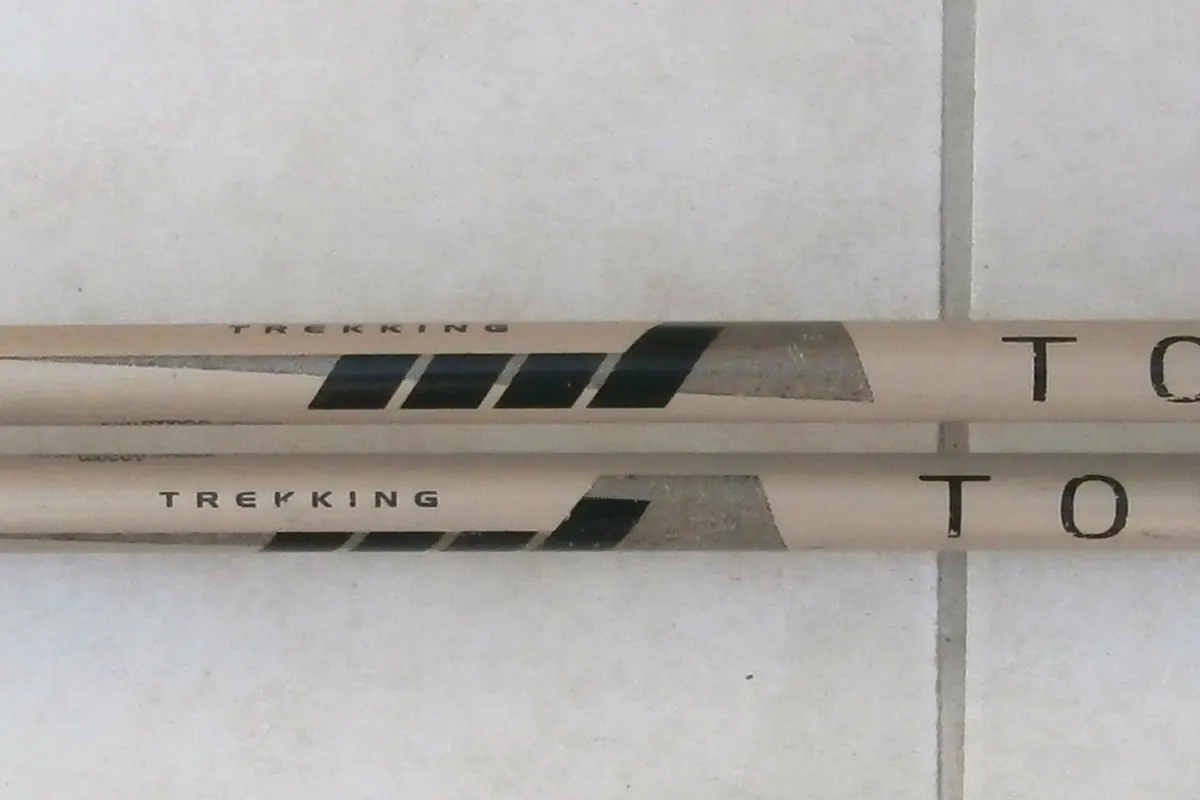

In Japan trekking poles and walking sticks are allowed in carry-on with conditions, and in checked bags.
Checked against the official page on · Report a correction
Carry-on: Walking sticks: yes if 60cm or less; a longer one only for a passenger with a disability who uses it. Checked baggage: Yes.
Trekking poles and walking sticks on flights in and from Japan
The rule for trekking poles and walking sticks comes from the Civil Aviation Bureau's list of restricted items and is the same on domestic and international flights.
| Where | Allowed? | What applies |
|---|---|---|
| In the cabin | Yes, within limits | Walking sticks: yes if 60cm or less; a longer one only for a passenger with a disability who uses it. Trekking poles: yes if 60cm or less when folded and without a pointed metal tip; a longer pole only for a passenger with a disability who uses it in place of a walking stick, again without a pointed metal tip. |
| In checked baggage | Yes | Yes. |
Japan's list sets the 60cm line for walking sticks, while Narita Airport's FAQ says commercially sold walking canes can be brought on board without giving a length, and asks you to consult the airline about anything excessively long.
Narita Airport
Narita's FAQ says commercially sold walking canes may be brought onto the airplane; for other excessively long items, consult the airline.
Narita International Airport FAQ
Canes, trekking poles and pilgrim staffs: how lists separate them
A walking stick and a trekking pole look alike at the checkpoint, yet most lists give them different rows and different answers.
- A trekking pole used as a walking stick
- Japan's row for trekking poles has a second note. A passenger with a disability who uses the pole in place of a walking stick may carry one longer than 60 cm, provided no pointed, awl-like metal tip is fitted. CAAC settles the same case the other way: an ordinary walking stick may be carried on or checked, but a trekking pole used as one has to be checked.
- Pilgrim staffs are marked for the hold
- Japan's list has a row for the kongo-zue, the staff carried on pilgrimages and mountain climbs. Its marks send it to the hold. Unlike the rows for walking sticks and trekking poles, it has no length note and no exception for a traveller who leans on it, so the list gives a staff no route into the cabin.
- Crampons and ice axes are listed apart from poles
- Crampons and ice axes are both cabin-barred in Japan's list, the axes in its section for items with markedly sharp points. CASA puts both under its security flag, checked in and not carried. The TSA splits the pair: Ice Axes/Ice Picks are no for carry-on, while crampons are generally permitted in carry-on bags, with officers free to prohibit an item they feel may pose a security threat.
- Canes, crutches and splints as mobility aids
- The TSA has separate entries for Canes and Crutches, each a Yes for the cabin bag and the checked bag, and points cane users to its special procedures page. Japan's list keeps walking sticks in section 16, whose title takes in care equipment as well as sports goods, and gives splints and artificial limbs the same pair of notes as walking sticks, including the 60 cm line.
Trekking poles and walking sticks: the rule country by country
In Australia the authority's page lists trekking poles and walking sticks as allowed in carry-on.
| Flying from | Carry-on | Checked bag | What the authority says |
|---|---|---|---|
| JapanCivil Aviation Bureau | With limits | Yes | Walking sticks: yes if 60cm or less; a longer one only for a passenger with a disability who uses it. Source |
| United StatesTSA | With limits | Yes | Blunt-tipped walking sticks and hiking poles are allowed in carry-on and checked bags. Sharp-tipped ones are not allowed as carry-on items. Check with your airline to see if they allow them as carry-on items.TSA entry: Walking Sticks, Hiking Poles Source |
| United KingdomUK Government | With limits | Yes | A walking stick, cane or walking aid is allowed in hand luggage and hold luggage, and is security screened first. Walking or hiking poles are not allowed in hand luggage but can go in hold luggage. Source |
| Mainland ChinaCAAC | With limits | Yes | An ordinary walking stick can be carried on or checked. Trekking poles cannot be carried on and must be checked, even when used as a walking stick. Source |
| AustraliaHome Affairs, CASA | Yes | Yes | Walking sticks, canes and crutches used as mobility aids can be carried on and checked in.CASA Pack Right entry: Mobility aids, such as a cane, crutches or non-powered wheelchair Source |
Each row comes from that authority's own page. Airlines can be stricter, and the screening officer has the final say.
If security in Japan will not let trekking poles and walking sticks through
- What to do
- Move trekking poles and walking sticks to the bag you check in before you reach security. Narita Airport states that anything given up at the checkpoint is discarded and cannot be returned.
Buying trekking poles and walking sticks in Japan
- Where to buy
- Outdoor shops and hundred-yen shops.
Frequently asked questions
Can you take trekking poles on a plane?
On flights in and from Japan: Walking sticks: yes if 60cm or less; a longer one only for a passenger with a disability who uses it. Trekking poles: yes if 60cm or less when folded and without a pointed metal tip; a longer pole only for a passenger with a disability who uses it in place of a walking stick, again without a pointed metal tip. In checked baggage: Yes.
Are trekking poles in carry-on allowed if you use one as a walking stick?
In Japan yes, for a passenger with a disability: the list lets such a traveller carry a trekking pole longer than 60 cm in place of a walking stick when it has no pointed metal tip. CAAC says the opposite, and a trekking pole used as a walking stick must be checked. GOV.UK allows a walking stick or cane in hand luggage but not walking or hiking poles.
Can you bring a pilgrim staff from Japan on a plane?
Only as checked baggage. Japan's list names the kongo-zue, the staff used for pilgrimage and climbing, and marks it for the hold, not the cabin. The row has no length note, unlike the walking stick row, where a stick of 60 cm or less may be carried on by anyone.
Can you take crampons or an ice axe in carry-on luggage?
Not out of Japan: both are hold-only in its list. The TSA says no to Ice Axes/Ice Picks in carry-on but says crampons are generally permitted there, subject to the officer's discretion. CASA lists crampons and ice axes alike as security items to be checked in, not carried.
Does the TSA allow trekking poles in carry-on bags?
Blunt-tipped walking sticks and hiking poles are allowed in carry-on and checked bags. Sharp-tipped ones are not allowed as carry-on items. Check with your airline to see if they allow them as carry-on items.
Can you take trekking poles in hand luggage in the UK or Europe?
The United Kingdom: A walking stick, cane or walking aid is allowed in hand luggage and hold luggage, and is security screened first. Walking or hiking poles are not allowed in hand luggage but can go in hold luggage.
What is the rule for trekking poles and walking sticks on flights from Australia and Mainland China?
Australia: Walking sticks, canes and crutches used as mobility aids can be carried on and checked in. Mainland China: An ordinary walking stick can be carried on or checked. Trekking poles cannot be carried on and must be checked, even when used as a walking stick.
Read more
- Madarao Mountain Resort 2026-27: 12 Tree Runs, Opens 12 DecMadarao Mountain Resort opens 12 Dec 2026 with 12 official tree runs. A 1-day pass for …
- Aomori Spring Ski Resort Opens Mid-December, ¥4,000 a DayAomori Spring Ski Resort opens from mid-December to the beginning of April. An adult da…
- Naeba Ski Resort 2026-27: Kids Ski Free, Adults ¥9,800Naeba Ski Resort runs 18 Dec 2026 to 4 Apr 2027. Adults pay ¥9,800 a day, kids up to el…
- Snowboarding in Japan 2026-27: Hirafu Snow Peaks at 400 cmSnowboarding in Japan 2026-27: the top of Niseko Grand Hirafu averages 400 cm of snow i…
Sources for this page
- Japan Civil Aviation Bureau (MLIT) — Items restricted in carry-on and checked baggage (updated 24 April 2026)
- Narita International Airport — FAQ: prohibited items
- TSA — What Can I Bring?: Walking Sticks + Hiking Poles
- GOV.UK — Hand luggage restrictions: Personal items
- CAAC — Air travel basics (航空旅行常识)
- CASA — Pack Right: Mobility aids, such as a cane, crutches or non-powered wheelchair
- GOV.UK — Hand luggage restrictions at UK airports