.jpg)
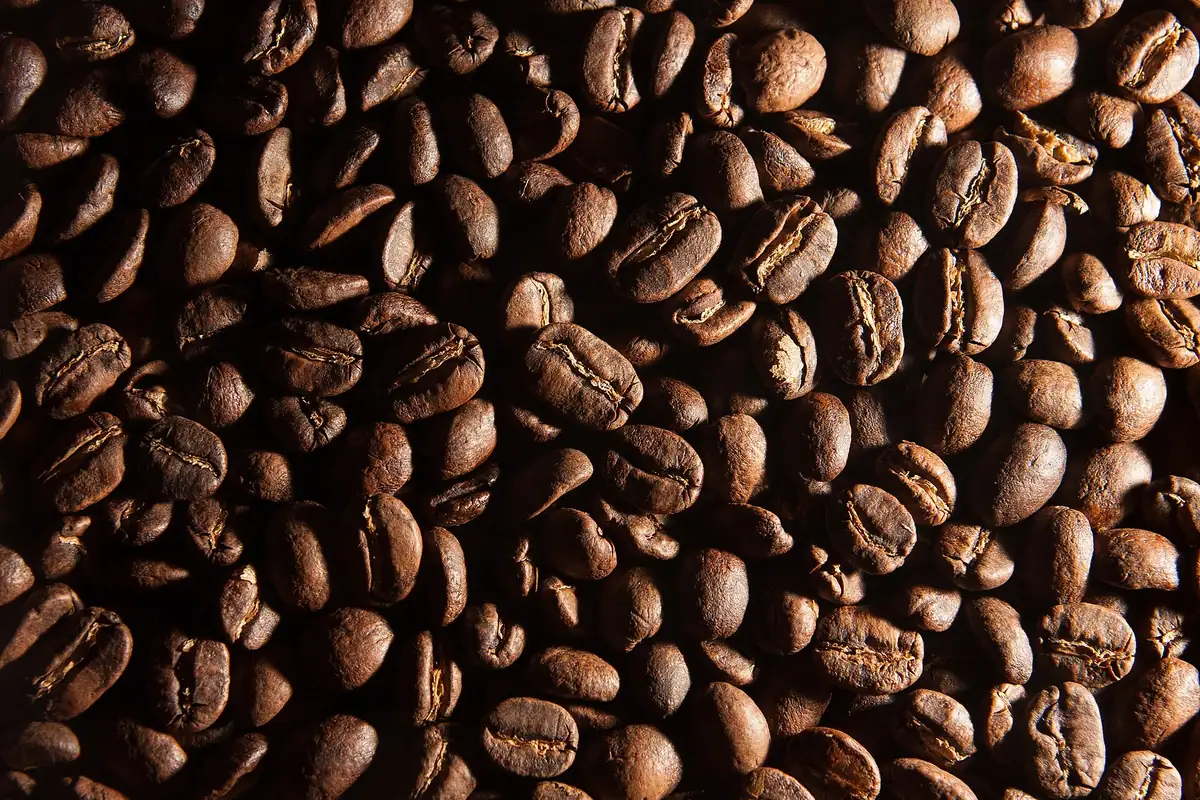
Coffee beans can go in both carry-on and checked bags in Japan.
Carry-on: Yes. Coffee beans, ground coffee and drip bags are dry goods, and Japan's liquids list covers liquids, gels and aerosols. The coffee that list names is the drink, so brewed, canned or bottled coffee is limited to containers of 100ml or less on international flights. Checked baggage: Yes.
Coffee beans on flights in and from Japan
The rule for coffee beans comes from the Civil Aviation Bureau's list of restricted items. On international flights its liquids list applies as well.
| Where | Allowed? | What applies |
|---|---|---|
| In the cabin | Yes | Yes. Coffee beans, ground coffee and drip bags are dry goods, and Japan's liquids list covers liquids, gels and aerosols. The coffee that list names is the drink, so brewed, canned or bottled coffee is limited to containers of 100ml or less on international flights. |
| In checked baggage | Yes | Yes. |
Coffee beans, ground coffee and drip bags: dry goods, not drinks
Whole beans, ground coffee and single-cup drip bags are dry coffee. The lists keep dry coffee apart from the drink.
- Beans and the drink are separate entries
- The TSA keeps separate entries for Coffee (Beans or Ground) and Coffee (Liquid). The first shows Yes for carry-on with no size figure; the second is capped at 3.4oz/100 ml. South Korea's list is split in a similar way, though its dry entry is headed Coffee (powder type), a heading that names powder and not whole beans.
- Ground coffee under Australia's powder rules
- Australia limits certain powders in carry-on on international flights, and ground coffee is on the free side of that line. The TravelSECURE page restricts inorganic powders such as salt and sand, and lists coffee as an organic powder with no limit on the amount. It adds that all powders may need to be presented separately at the screening point.
- A dense bag on the X-ray belt
- A kilo of beans is a solid block to a scanner. The TSA's coffee entry says officers may tell travelers to take foods and powders out of their carry-on bags. GOV.UK says food items and powders may lead to the bag being checked again by hand, and that packing them in hold luggage keeps delays down.
- Canned and bottled coffee
- Coffee is printed on Japan's liquids list, but as a drink: it shares the Other Soft Drinks row with tea and nutrition drinks. A JAL Card travel column says so in plain words, naming juice, coffee, tea, water and milk and calling every drink people normally consume a restricted item.
- Bringing it into Japan: roasted coffee
- A quarantine feature in the agriculture ministry's magazine lists what can be brought in without a check at the quarantine counter. Roasted coffee is on that list, next to processed tea such as sealed dried leaves and tea bags, roasted nuts and dried fruit. The feature notes that carried goods still go through customs inspection.
- Bringing it into Japan: green, unroasted beans
- Unroasted beans are handled as plants. The Plant Protection Station names green coffee beans among the dried plants that no longer need an inspection certificate from the exporting country, and states that the import inspection is still required. Its briefing Q&A gives the reason: green beans normally arrive in a dried state.
Coffee beans: the rule country by country
The carry-on answer for coffee beans is the same in all 4 other places we checked.
| Flying from | Carry-on | Checked bag | What the authority says |
|---|---|---|---|
| JapanCivil Aviation Bureau | Yes | Yes | Coffee beans, ground coffee and drip bags are dry goods, and Japan's liquids list covers liquids, gels and aerosols. Source |
| United StatesTSA | Yes | Yes | Coffee beans and ground coffee are allowed in carry-on and checked bags. Officers may ask you to separate foods and powders from carry-on bags for X-ray screening. Liquid coffee is a separate entry, limited to 3.4oz/100 ml in carry-on. Source |
| United KingdomUK Government | Yes | Yes | Food items and powders in hand luggage can obstruct x-ray images, so your bag may need to be checked again by hand. You can put them in hold luggage to minimise delays. Source |
| South KoreaMOLIT Aviation Security 365 | Yes | Yes | The entry is for powder-type coffee: allowed in carry-on and checked baggage. Liquid coffee is a separate entry: on international flights carry-on containers must be 100ml or less, in 1 clear 1L zip bag per person. Source |
| AustraliaHome Affairs, CASA | Yes | Yes | Coffee is listed as an organic powder, which is not restricted in carry-on on international flights. Food is not considered dangerous goods and is generally allowed in carry-on and checked baggage; it may be subject to quarantine. Source |
Each row comes from that authority's own page. Airlines can be stricter, and the screening officer has the final say.
Frequently asked questions
Can you take coffee beans on a plane?
On flights in and from Japan: Yes. Coffee beans, ground coffee and drip bags are dry goods, and Japan's liquids list covers liquids, gels and aerosols. The coffee that list names is the drink, so brewed, canned or bottled coffee is limited to containers of 100ml or less on international flights. In checked baggage: Yes.
Can I bring ground coffee in my carry-on?
Yes. The TSA's entry covers both forms in its title, Coffee (Beans or Ground), and shows Yes for carry-on and checked bags. Australia's TravelSECURE page lists coffee as an organic powder, a group it does not restrict, and South Korea's list marks Coffee (powder type) as allowed in the cabin and in checked baggage.
Can I bring coffee beans into Japan?
Yes for roasted coffee: the agriculture ministry's quarantine feature lists it among items that can be brought in without a check at the quarantine counter. Green beans are different. The Plant Protection Station exempts them from the inspection certificate, but an import inspection on arrival is still required.
Can you take a cup of coffee through airport security?
Not on an international flight, unless the container holds 100 ml or less. Japan's liquids list names coffee among soft drinks, and the TSA caps Coffee (Liquid) at 3.4oz/100 ml. The TSA does list an empty coffee thermos as allowed: empty drink containers can go through the checkpoint and be filled afterward.
Does the TSA allow coffee beans in carry-on bags?
Coffee beans and ground coffee are allowed in carry-on and checked bags. Officers may ask you to separate foods and powders from carry-on bags for X-ray screening. Liquid coffee is a separate entry, limited to 3.4oz/100 ml in carry-on.
What is the rule for coffee beans on flights from Australia?
Australia: Coffee is listed as an organic powder, which is not restricted in carry-on on international flights. Food is not considered dangerous goods and is generally allowed in carry-on and checked baggage; it may be subject to quarantine.
Read more
- Coffee Culture in Japan: Kissaten, Konbini and Canned CoffeeCoffee culture in Japan, from kissaten and konbini cups to canned coffee from 1,975,200…
- Is Japan Vegetarian-Friendly? A Vegan and Halal Food GuideYou can eat vegetarian in Japan, but dashi fish stock hides in soups and sauces. How to…
- JAL Baggage Allowance 2026: Free Bags, Sizes and Excess FeesOn international flights, Japan Airlines Economy includes two free checked bags of 23kg…
- Japanese Convenience Store Food: 9 Must-Try Konbini PicksStart with an onigiri, the egg sandwich and a machine coffee. Most konbini are open 24 …
Sources for this page
- Japan Civil Aviation Bureau (MLIT) — List and Description of LAGs Restriction (1 October 2015)
- Japan Civil Aviation Bureau — Items restricted in carry-on and checked baggage (updated 24 April 2026)
- Narita International Airport — Restrictions on carry-on liquids on international flights
- TSA — What Can I Bring?: Coffee (Beans or Ground)
- GOV.UK — Hand luggage restrictions: Overview
- Aviation Security 365 (MOLIT / KOTSA) — Items restricted on the plane: Coffee (커피)
- Australian Department of Home Affairs — TravelSECURE: What you can and can't bring
- JAL Card — Column: Are cosmetics all right? Carrying liquids on a plane (Japanese)
- MAFF — aff magazine, November 2023: Souvenirs need care too, the airport steps for bringing in meat and fruit (Japanese)
- Plant Protection Station (MAFF) — Review of the plants exempted from the phytosanitary certificate (Japanese)
- Plant Protection Station (MAFF) — Main questions received at the briefings on phytosanitary certificates (Japanese, August 2023)