Can you bring charcoal on a plane?
In Japan charcoal is allowed in carry-on and checked bags, with conditions. Carry-on: Charcoal for burning: no, unless UN testing shows it is not dangerous goods. Charcoal or activated carbon made into a finished product for purifying or for filtering water: yes. Checked baggage: Same as the cabin.
Carry-on: conditionsChecked bag: conditions
Charcoal on flights in and from Japan
The rule for charcoal comes from the Civil Aviation Bureau's list of restricted items and is the same on domestic and international flights.
| Where | Allowed? | What applies |
|---|---|---|
| In the cabin | Yes, within limits | Charcoal for burning: no, unless UN testing shows it is not dangerous goods. Charcoal or activated carbon made into a finished product for purifying or for filtering water: yes. |
| In checked baggage | Conditions | Same as the cabin. |
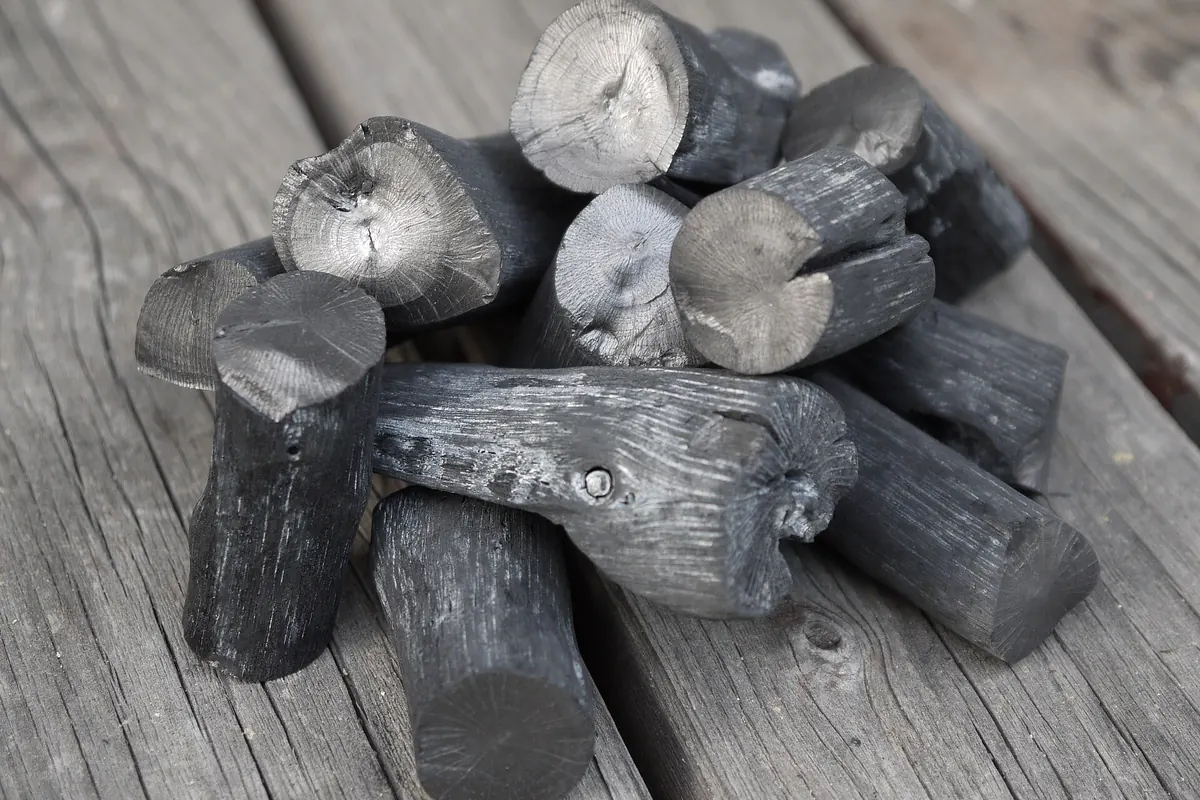
.jpg)
Charcoal for burning, charcoal for filtering, and coal
Japan's list sorts charcoal by what it is for, not by what it is made of. Other authorities name only the barbecue kind.
- Coal is allowed, charcoal for burning is not
- The charcoal and activated carbon entry on Japan's list is followed directly by a row for coal, including anthracite, which is marked ○ for carry-on, ○ for checked baggage and labelled non-dangerous goods. Charcoal meant for burning, in the entry above, is marked × and ×. A lump of coal and a bag of barbecue charcoal therefore get opposite answers at a Japanese airport.
- The UN test exception and the safety data sheet
- Burning charcoal may travel if UN testing has shown it is not dangerous. The Civil Aviation Bureau explains that dangerous goods are judged under the UN recommendations known as Tests and Criteria, and says to check with the manufacturer whether a product can go by air. Its list adds that an item judged non-dangerous on a safety data sheet (SDS) or a maker's document is carried without restriction.
- What the allowed row asks for
- The ○ row covers charcoal and activated carbon for purifying or for filtering water, in carry-on and in checked baggage. Its single condition is that the item has been processed into a product. The list sets no quantity for this row, and it does not say how the purpose of the charcoal is to be shown at the checkpoint.
- Barbecue charcoal on other lists
- Outside Japan the lists we read name only charcoal for fires. South Korea's dangerous goods page gives barbecue charcoal and ignition coal as examples of flammable solids. Hong Kong's CAD forbids flammable solids in carry-on and checked baggage, with barbeque charcoal fire starters as its example. Australia's CASA names coal alongside charcoal in its forbidden briquettes entry, where Japan's list lets coal through.
Charcoal: the rule country by country
Charcoal is not allowed in carry-on in Australia.
| Flying from | Carry-on | Checked bag | What the authority says |
|---|---|---|---|
| JapanCivil Aviation Bureau | With limits | With limits | Charcoal for burning: no, unless UN testing shows it is not dangerous goods. Charcoal or activated carbon made into a finished product for purifying or for filtering water: yes. Source |
| AustraliaHome Affairs, CASA | No | No | Briquettes used for starting or maintaining fires (charcoal, coal, coconut, quick grill) are listed with firelighters as forbidden items: not permitted in carry-on or checked baggage.CASA Pack Right entry: Briquettes used for starting/maintaining fires (charcoal, coal, coconut, quick grill etc) Source |
Each row comes from that authority's own page. Airlines can be stricter, and the screening officer has the final say.
If security in Japan will not let charcoal through
- What to do
- Move charcoal to the bag you check in before you reach security, within the checked-baggage limits above. Narita Airport states that anything given up at the checkpoint is discarded and cannot be returned.
Buying charcoal in Japan
- Where to buy
- Home centres and supermarkets, in barbecue season.
Frequently asked questions
Can you bring charcoal on a plane?
On flights in and from Japan: Charcoal for burning: no, unless UN testing shows it is not dangerous goods. Charcoal or activated carbon made into a finished product for purifying or for filtering water: yes. In checked baggage: Same as the cabin.
Is activated charcoal allowed in carry-on baggage?
Yes on Japan's list, if it is a finished product for purifying or for filtering water. That row is marked ○ for carry-on and ○ for checked baggage, with the note that it is limited to items processed as products. Charcoal meant for burning is on the row above it and is marked × for both.
Can I bring binchotan charcoal home from Japan?
It depends on what the charcoal is sold for. Japan's list bans charcoal for burning from carry-on and checked baggage unless UN testing has shown it is not dangerous, and allows charcoal made into a product for purifying or water filtering in both. On flights from Australia, CASA forbids charcoal briquettes used for starting or maintaining fires.
Can you put charcoal in checked luggage?
Yes on flights in and from Japan. Australia: not accepted in checked baggage.
What is the rule for charcoal on flights from Australia?
Australia: Briquettes used for starting or maintaining fires (charcoal, coal, coconut, quick grill) are listed with firelighters as forbidden items: not permitted in carry-on or checked baggage.
Related items
Sources for this page
- Japan Civil Aviation Bureau (MLIT) — Items restricted in carry-on and checked baggage (updated 24 April 2026)checked October 2, 2026
- Japan Civil Aviation Bureau — Transport of dangerous goods by air cargo (Japanese)checked October 2, 2026
- CASA — Pack Right: Briquettes used for starting/maintaining fires (charcoal, coal, coconut, quick grill etc)checked October 1, 2026
- Civil Aviation Department (Hong Kong) — Packing Tips for Air Passenger: Provisions for Dangerous Goods Carried by Passenger and Crewchecked October 1, 2026
- Aviation Security 365 (MOLIT / KOTSA) — Dangerous goodschecked October 1, 2026
Read more
- Visit Japan Web QR Code 2026: Arrival Card and CustomsOne Visit Japan Web QR code covers immigration and customs. Make it before you land; at…
- Japan Tax-Free Shopping from 1 Nov 2026: How Refunds WorkFrom 1 November 2026 you pay the tax in the shop, pass a customs check at the airport w…
- Nishiki Market vs Kuromon and Tsukiji: 2026 Hours and RulesNishiki Market asks you to eat at the shop, Kuromon welcomes eating as you stroll, and …
- Kobe Beef in Japan 2026: A5 Grades, Rules and Where to EatKobe beef is Tajima cattle raised in Hyogo with marbling of BMS 6 or higher and quality…
Compiled by Japan Japan !! · Updated October 2, 2026