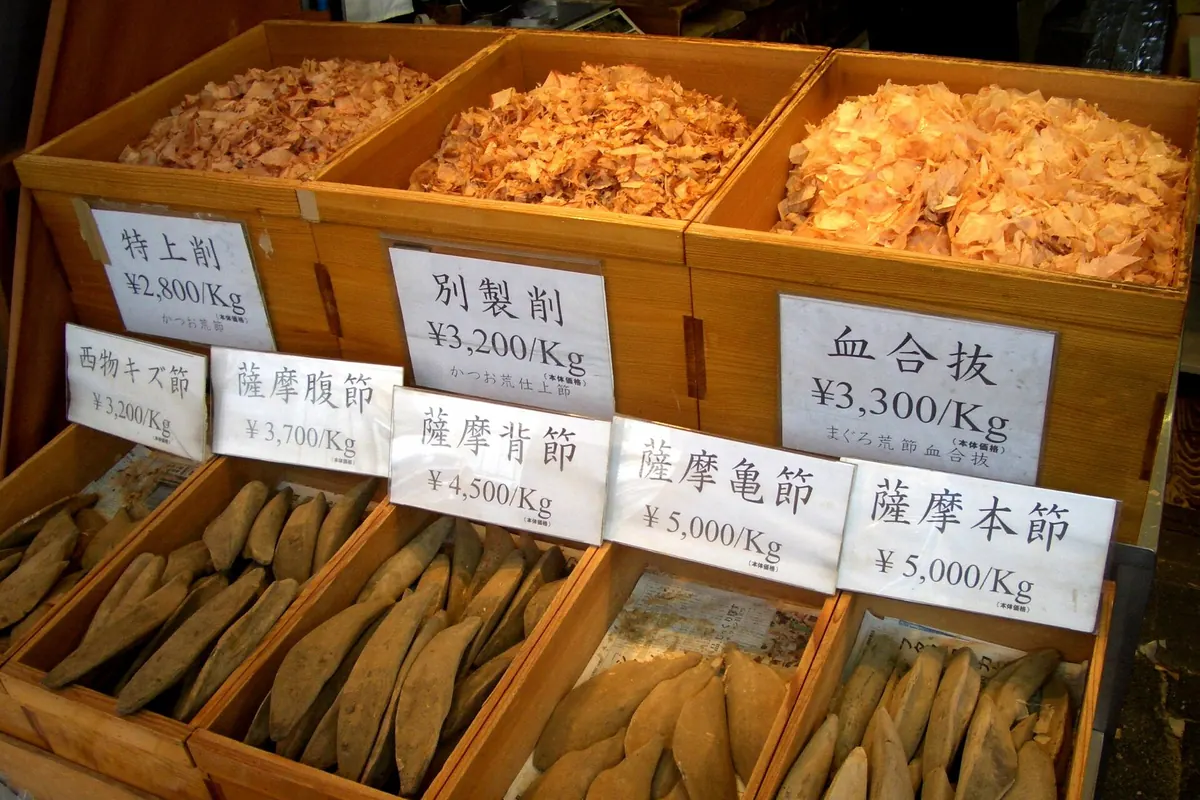

Dried fish and other fish products that do not contain meat from livestock or eggs are not subject to inspection by the Animal Quarantine Service.
An Animal Quarantine officer may still check on arrival that they do not contain meat.
Fish and seafood at the Japanese border
This is decided when you land in Japan, by the quarantine services. Airport security at your departure airport is a separate check.
Dried fish and other fish products that do not contain meat from livestock or eggs are not subject to inspection by the Animal Quarantine Service. An Animal Quarantine officer may still check on arrival that they do not contain meat.
- Animal quarantine inspection
- not required for fish products that contain no livestock meat or eggs
- Check on arrival
- an officer may check that the product contains no meat
- Animals covered by animal quarantine
- cloven-hoofed animals, horses, poultry, dogs, rabbits and bees
- Egg as a minor ingredient (Standard 42)
- excluded from quarantine when egg is not the principal ingredient
Dried fish, fish with meat and fish with egg
With fish, the Animal Quarantine Service looks at what else is in the pack.
- Any meat in the recipe moves it to the meat rule
- The exemption is written for fish products that contain no meat from livestock. The quarantine notice for arriving travellers names dumplings containing meat and gimbap among the meat products that cannot be brought in. A seafood dumpling or rice roll made with pork or ham is treated as a meat product, not as fish, unless it meets one of the Exclusion Criteria, such as the standard for sealed, retort-sterilised products.
- Egg as a minor ingredient
- Eggs, including eggshells, are on the Animal Quarantine Service's list of quarantine items, which is why its answer on fish mentions them. Its Exclusion Criteria then take out food in which eggs are not the principal ingredient, meaning the ingredient with the greatest proportion by weight, and give egg noodles, mayonnaise and dressings as examples.
- Showing what is in the pack
- A fish product that relies on the Exclusion Criteria, for example one bound with a little egg, comes with a duty for the person carrying it. If the Animal Quarantine Service asks at the time of importation whether the article qualifies, the importer presents documents or other evidence that it satisfies the criteria. The Service also tells importers to confirm the latest criteria on its website beforehand.
Frequently asked questions
Can I bring fish or dried fish to Japan?
Dried fish and other fish products that do not contain meat from livestock or eggs are not subject to inspection by the Animal Quarantine Service. An Animal Quarantine officer may still check on arrival that they do not contain meat.
Can I bring dried fish to Japan from the Philippines?
Yes, on the same terms as dried fish from anywhere else. The Animal Quarantine Service's answer names no country: dried fish and other fish products without livestock meat or eggs are not subject to its inspection. Its lists of countries and regions with suspended imports are for outbreaks of foot-and-mouth disease and avian influenza, which concern livestock and poultry products.
Do dried fish and fish products need animal quarantine inspection?
No. Dried fish and other fish products that do not contain meat from livestock or eggs are not subject to inspection by the Animal Quarantine Service.
What if the product also contains meat or egg?
A fish product with livestock meat in it falls under the meat rules: products that use any meat at all cannot be brought in, unless they meet the Exclusion Criteria, for example as a sealed, retort-sterilised product (Standard 3) or a food whose heat-processed meat ingredients leave no solid meat (Standard 21). Egg is excluded from quarantine when it is not the principal ingredient (Standard 42 of the Exclusion Criteria), and an officer may check on arrival that there is no meat.
Read more
- Nishiki Market vs Kuromon vs Tsukiji: Hours and Eating RulesNishiki Market asks you to eat at the shop, Kuromon welcomes eating as you stroll, and …
- Conveyor Belt Sushi in Japan: How to Order, Plates From ¥100Conveyor belt sushi plates typically start at 100 yen, and at 120 yen at Sushiro. Order…
- Is Japan Vegetarian-Friendly? A Vegan and Halal Food GuideYou can eat vegetarian in Japan, but dashi fish stock hides in soups and sauces. How to…
- What Can You Not Bring Into Japan? 2026 Customs Banned ListMeat, most fresh fruit, amphetamine medicines and fake brand goods are stopped at Japan…