What 98 People in Japan Choose: 32 Travel Comparisons

The survey covered 32 travel comparisons, from Nozomi vs Hikari to Tokyo Tower vs Tokyo Skytree. japan-japan.com has a separate comparison article for 20 of them, linked below. For the rest, such as Tokyo vs Kyoto, this page is the answer.
How we ran the Japan travel comparisons survey
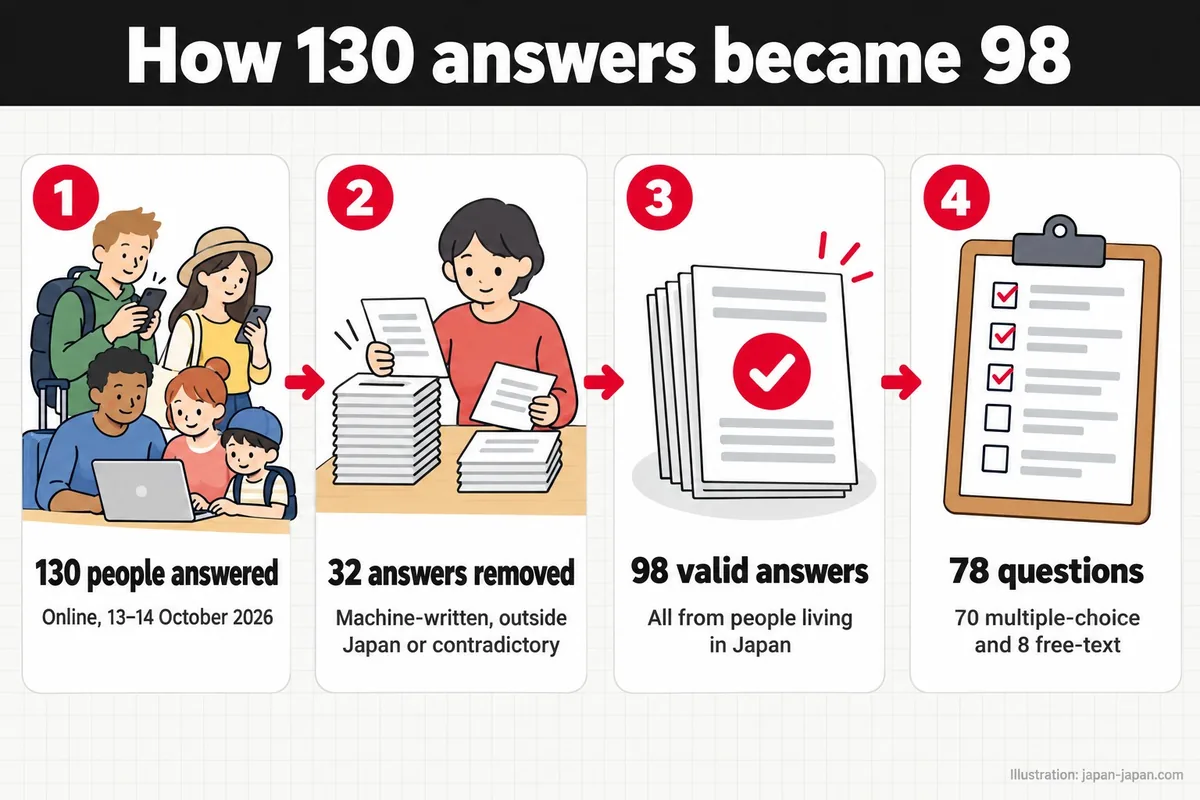
japan-japan.com ran an online survey of people living in Japan. 130 people answered between 09:17 on 13 October and 22:50 on 14 October 2026 (Japan time).
We removed 32 answers. Some looked machine-written, and one came from someone living outside Japan. We also removed most of those that failed the attention check or contradicted themselves on the same topic. That left 98 valid answers.
The questionnaire had 78 questions: 70 multiple-choice, including one uncounted attention check, and 8 free-text. We counted follow-up questions only among people they applied to, such as Green Car riders. Free-text answers were written in Japanese, and japan-japan.com translated them.
The largest age group was people in their 30s, at 28.6% of the 98. Next came the 40s at 25.5%, the 50s at 21.4%, the 20s at 18.4% and the 60s at 6.1%. The chart below shows the spread.
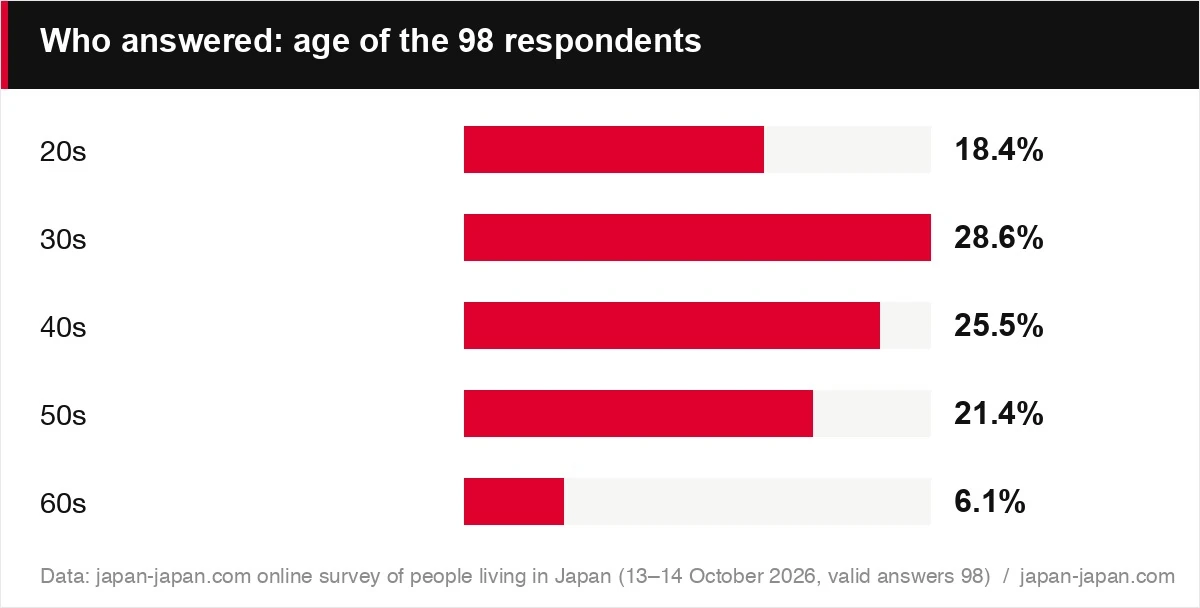
| Item | Value |
|---|---|
| 20s | 18.4 % |
| 30s | 28.6 % |
| 40s | 25.5 % |
| 50s | 21.4 % |
| 60s | 6.1 % |
Women made up 66.3% and men 33.7%. 20.4% live in Kanto outside Tokyo, 20.4% in Kinki (the Osaka and Kyoto area) and 18.4% in Tokyo. In the past year, 34.7% took 2–3 overnight trips in Japan. 48.0% took no shinkansen ride and 54.1% took no flight.
The survey has limits. Respondents answered an open online call, so the results do not represent everyone in Japan. All answers are self-reported. Respondents live in Japan, so treat the results as local advice.
The illustration below recaps how 130 answers became 98.
How to cite: japan-japan.com online survey of people living in Japan (13–14 October 2026, valid answers 98).
The full questionnaire (all 78 questions, translated from Japanese)
Respondents saw every question in Japanese, and every question was shown to everyone. Follow-up questions were counted only among people the question applied to. Q50 was an attention check and is not counted. Questions 68 to 70 were required free-text questions; questions 71 to 75 were optional.
- Q1. How many overnight trips in Japan did you take in the past year? (choose one)
0 / 1 / 2–3 / 4–6 / 7 or more - Q2. How many shinkansen rides did you take in the past year? (one way = one ride) (choose one)
0 / 1–2 / 3–5 / 6–11 / 12 or more - Q3. How many flights did you take in the past year? (domestic and international, one way = one flight) (choose one)
0 / 1–2 / 3–5 / 6–11 / 12 or more - Q4. Which transport IC cards do you have? (choose all that apply)
Suica (card) / Mobile Suica (phone) / PASMO (card) / Mobile PASMO (phone) / ICOCA (card) / Mobile ICOCA (phone) / PiTaPa / TOICA / manaca / Kitaca / SUGOCA / nimoca / Hayakaken / None - Q5. Going from Tokyo to Shin-Osaka by shinkansen, which train would you take? (choose one)
Nozomi / Hikari / Kodama / No preference (whichever comes first) / I don’t use the shinkansen - Q6. Have you ever chosen a Hikari or Kodama on purpose instead of a Nozomi? (choose all that apply)
I have chosen a Hikari / I have chosen a Kodama / Never on purpose / I have never taken the shinkansen - Q7. Why did you choose the Hikari or Kodama? (choose all that apply)
It is less crowded / There was a cheaper ticket (Puratto Kodama, early-booking fares and so on) / The Nozomi doesn’t stop at my station / It is easier to get a non-reserved seat / I couldn’t get a reserved seat on the Nozomi / I had time to spare / Other / Never on purpose - Q8. Which of these did you know? (choose all that apply)
A Nozomi reserved seat costs a little more than on the Hikari or Kodama / The Kodama stops at every station / Hikari trains stop at different stations depending on the train / The Japan Rail Pass for overseas visitors does not cover the Nozomi on its own / At New Year and on holiday weekends the Nozomi is all-reserved, with no non-reserved cars / I knew none of these - Q9. Which Sanyo and Kyushu Shinkansen trains have you taken? (choose all that apply)
Mizuho / Sakura / Tsubame / None of them - Q10. Going from Shin-Osaka to Hakata by shinkansen, which would you choose? (choose one)
Nozomi / Mizuho / Sakura / No preference / Don’t know - Q11. Which Hokuriku Shinkansen trains have you taken? (choose all that apply)
Kagayaki / Hakutaka / Tsurugi / Asama / None of them - Q12. Going from Tokyo to Kanazawa, which would you choose? (choose one)
Kagayaki (fewer stops) / Hakutaka (more stops) / No preference / Don’t know - Q13. Have you ridden in a shinkansen Green Car? (choose all that apply)
Yes, paid myself / Yes, paid by my company (business trips and so on) / Yes, with points or a discount / Never - Q14. Is the Green Car surcharge worth it? (choose one)
Worth it / Somewhat worth it / Neither / Somewhat not worth it / Not worth it / Never ridden, so I don’t know - Q15. What do you think is good about the Green Car? (choose all that apply)
Wider seats / Quiet / Less crowded / More legroom / Easier to store luggage / Feels special / Nothing in particular / Don’t know - Q16. Which do you usually take on the shinkansen? (choose one)
Reserved seat / Non-reserved seat / Depends on the season and route / Green Car / I don’t use the shinkansen - Q17. A friend from abroad is buying a 7-day Japan Rail Pass. Would you recommend the Green Car pass, which costs ¥20,000 more than the Ordinary pass? (choose one)
Yes / Only in busy seasons such as cherry blossom and autumn leaves / No (Ordinary is enough) / Don’t know - Q18. A friend from abroad is spending 5 days in Tokyo only. What would you tell them to get for getting around? (choose one)
An IC card such as Suica / An unlimited subway ticket / A Japan Rail Pass / Nothing (buy tickets as you go) / Don’t know - Q19. Which transport IC card do you use most? (choose one)
Suica / PASMO / ICOCA / PiTaPa / Another regional card / I don’t use one - Q20. Do you use your transport IC card as a card or on your phone? (choose one)
Card only / Phone only / Both / I don’t use one - Q21. What has been good about using it on your phone? (choose all that apply)
Top up anywhere / See the balance right away / Can be stopped if lost / No card to carry / Commuter pass on it too / Nothing in particular / I don’t use it on my phone - Q22. A friend coming to Tokyo can’t decide between Suica and PASMO. What would you tell them? (choose one)
They are the same / Suica / PASMO / Put one on your phone / Don’t know - Q23. Did you know the difference between ICOCA and PiTaPa in the Kansai area (PiTaPa is billed afterwards)? (choose one)
I knew / I knew the names but not the difference / I didn’t know PiTaPa - Q24. At the same time and the same price, would you choose JAL or ANA? (choose one)
JAL / Probably JAL / Either / Probably ANA / ANA / I don’t fly - Q25. Why did you answer that way? (choose all that apply)
I collect miles / In-flight service / Seats / Seems more punctual / Flies a route I use often / My family or company uses it / In-flight drinks and food / Easier app and booking / No particular reason / I don’t fly - Q26. Which would you recommend to a friend coming to Japan, JAL or ANA? (choose one)
JAL / ANA / Either / Whichever is cheaper / Don’t know - Q27. Which low-cost carriers have you flown? (choose all that apply)
Peach / Jetstar Japan / Spring Japan / ZIPAIR / An overseas low-cost carrier / None - Q28. Would you fly a low-cost carrier again? (choose one)
Yes / Depends on the price / No / I have never flown one - Q29. Do you think Skymark is a low-cost carrier? (choose one)
Yes / No / Don’t know - Q30. Flying abroad at the same time and the same price, would you rather leave from Haneda or Narita? (choose one)
Haneda / Narita / Either / I use neither - Q31. How much cheaper would a flight from Narita have to be for you to choose Narita? (choose one)
Narita is fine at the same price / ¥3,000 cheaper / ¥5,000 cheaper / ¥10,000 cheaper / ¥20,000 or more cheaper / I’d take Haneda however cheap Narita is / I use neither - Q32. Going from Narita Airport into central Tokyo, what do you use most? (choose one)
Narita Express / Keisei Skyliner / Keisei Limited Express or Access Express (no limited-express charge) / JR Rapid / Airport Limousine Bus / Low-cost express bus / Car or taxi / I have never used Narita Airport - Q33. Flying from the Kansai area, would you choose Itami or Kansai Airport? (choose one)
Itami (Osaka International Airport) / Kansai Airport / Kobe Airport / Depends on the destination and flight / I have used none of them - Q34. A friend coming to Japan for the first time can visit only one city. Which would you recommend? (choose one)
Tokyo / Kyoto / Osaka / Somewhere else / Don’t know - Q35. Between Tokyo and Kyoto, which would you recommend? (choose one)
Tokyo / Kyoto / Can’t say - Q36. A friend from abroad is spending 3 nights in the Kansai area. Where should they stay? (choose one)
3 nights in Kyoto / 3 nights in Osaka / Split between Kyoto and Osaka / Kobe, Nara or elsewhere / Don’t know - Q37. Why did you answer that way? (choose all that apply)
Close to the sights / Cheaper hotels / Good food / Shops open late / Close to the airport / Easy for day trips / Less crowded / Don’t know - Q38. For one day of sightseeing, would you recommend Kyoto or Osaka? (choose one)
Kyoto / Osaka / Can’t say - Q39. Tokyo or Osaka: which is better for food? (choose one)
Tokyo / Osaka / About the same / Don’t know - Q40. Tokyo or Osaka: which is better for shopping? (choose one)
Tokyo / Osaka / About the same / Don’t know - Q41. Tokyo or Osaka: which is better for nightlife? (choose one)
Tokyo / Osaka / About the same / Don’t know - Q42. Tokyo or Osaka: where are people friendlier? (choose one)
Tokyo / Osaka / About the same / Don’t know - Q43. Tokyo or Osaka: where are the trains easier to understand? (choose one)
Tokyo / Osaka / About the same / Don’t know - Q44. For a friend from abroad staying in Tokyo, would you recommend Shinjuku or Shibuya? (choose one)
Shinjuku / Shibuya / Neither (Tokyo Station, Ueno, Asakusa and so on) / Don’t know - Q45. Why did you answer that way? (choose all that apply)
Easy transfers / Easy to reach from the airport / Lots of places to eat / Safe at night / Easy to find a hotel / Shopping / Easy-to-understand station / I recommend neither / Don’t know - Q46. Which station is easier to get lost in? (choose one)
Shinjuku Station / Shibuya Station / About the same / Don’t know - Q47. Which of these have you been to? (choose all that apply)
Hakone / Lake Kawaguchiko (Fuji Five Lakes) / Nikko / Kamakura / None of them - Q48. For a friend going from Tokyo to see Mount Fuji, which would you recommend? (choose one)
Hakone / Lake Kawaguchiko / Either / Don’t know - Q49. For one day trip from Tokyo, where would you recommend? (choose one)
Hakone / Lake Kawaguchiko / Nikko / Kamakura / Yokohama / Don’t know - Q50. Attention check: please choose “spring” for this question. (choose one)
Summer / Spring / Autumn / Winter - Q51. Which observation decks have you been up? (choose all that apply)
Tokyo Tower / Tokyo Skytree / Shibuya Sky / Tokyo Metropolitan Government Building observatories / Roppongi Hills observation deck / None of them - Q52. If a friend from abroad goes up only one observation deck in Tokyo, which would you recommend? (choose one)
Tokyo Tower / Tokyo Skytree / Shibuya Sky / Tokyo Metropolitan Government Building observatories / Roppongi Hills observation deck / Don’t know - Q53. Between Tokyo Tower and Tokyo Skytree, which would you recommend going up? (choose one)
Tokyo Tower / Tokyo Skytree / Can’t say - Q54. Which do you prefer to look at from outside, Tokyo Tower or Tokyo Skytree? (choose one)
Tokyo Tower / Tokyo Skytree / Can’t say - Q55. Which of these have you been to? (choose all that apply)
Ghibli Museum, Mitaka / Ghibli Park (Aichi) / Neither - Q56. If a friend from abroad goes to only one Ghibli place, which would you recommend? (choose one)
Ghibli Museum / Ghibli Park / Can’t say / Don’t know - Q57. If a friend from abroad goes to only one theme park, which would you recommend? (choose one)
Tokyo Disneyland / Tokyo DisneySea / Universal Studios Japan / None of them / Don’t know - Q58. When you travel in Japan, do you stay at a ryokan or a hotel? (choose one)
Ryokan / Usually a ryokan / It depends / Usually a hotel / Hotel - Q59. What are your reasons for choosing a ryokan? (choose all that apply)
Hot springs / Dinner and breakfast at the inn / Tatami and futon / Hospitality / Views and gardens / Nothing in particular - Q60. What are your reasons for choosing a hotel? (choose all that apply)
I want to sleep in a bed / I want to eat where I like / Cheaper / Close to the station / No need to be formal / I can check in late / Nothing in particular - Q61. Would you tell a friend coming to Japan to spend one night at a ryokan? (choose one)
Yes, definitely / Yes, if they can afford it / No / Don’t know - Q62. How much would you pay per person for one night at a ryokan with dinner and breakfast? (choose one)
Up to ¥10,000 / Up to ¥15,000 / Up to ¥20,000 / Up to ¥30,000 / Up to ¥50,000 / More is fine / I don’t stay at ryokan - Q63. When you go abroad, how do you get mobile data on your phone? (choose one)
eSIM / Local SIM card / Pocket Wi-Fi / My carrier’s international roaming / Free Wi-Fi only / I have never been abroad - Q64. Which would you recommend to a friend coming to Japan? (choose one)
eSIM / SIM card / Pocket Wi-Fi / Don’t know - Q65. Which brand beef have you eaten? (choose all that apply)
Kobe beef / Matsusaka beef / Omi beef / Hida beef / Yonezawa beef / Miyazaki beef / Saga beef / Sendai beef / Other / None - Q66. If you treat a friend from abroad to wagyu just once, what would you do? (choose one)
Pick a Kobe beef restaurant / Pick a well-reviewed restaurant, whatever the brand / A yakiniku chain is fine / Don’t know - Q67. Which okonomiyaki do you like better, Osaka style or Hiroshima style? (choose one)
Osaka style / Hiroshima style / Both about the same / I eat neither - Q68. What is one way foreign travelers in Japan tend to lose out when choosing transport or where to stay? (free text (required))
- Q69. Of Tokyo, Kyoto and Osaka, which one city would you recommend to a first-time visitor, and why? (free text (required))
- Q70. If you could tell a first-time foreign shinkansen rider just one thing, what would it be? (free text (required))
- Q71. If you stick with JAL or ANA, why? (free text)
- Q72. Anything good or disappointing about riding in the Green Car? (free text)
- Q73. In a word, what would you tell a foreign visitor torn between a ryokan and a hotel? (free text)
- Q74. Any thoughts on Narita and Haneda airports? (free text)
- Q75. Any trouble with transport IC cards? (free text)
- Q76. Age (choose one)
Teens / 20s / 30s / 40s / 50s / 60s / 70 or older / Prefer not to say - Q77. Gender (choose one)
Woman / Man / Other / Prefer not to say - Q78. Where do you live? (choose one)
Hokkaido / Tohoku / Tokyo / Kanto (outside Tokyo) / Chubu (Hokuriku, Koshinetsu and Tokai) / Kinki (Osaka and Kyoto area) / Chugoku / Shikoku / Kyushu and Okinawa / Outside Japan / Prefer not to say
Shinkansen: which train, which seat, which pass
The chart below shows the top answer to eight questions put to all 98 respondents.
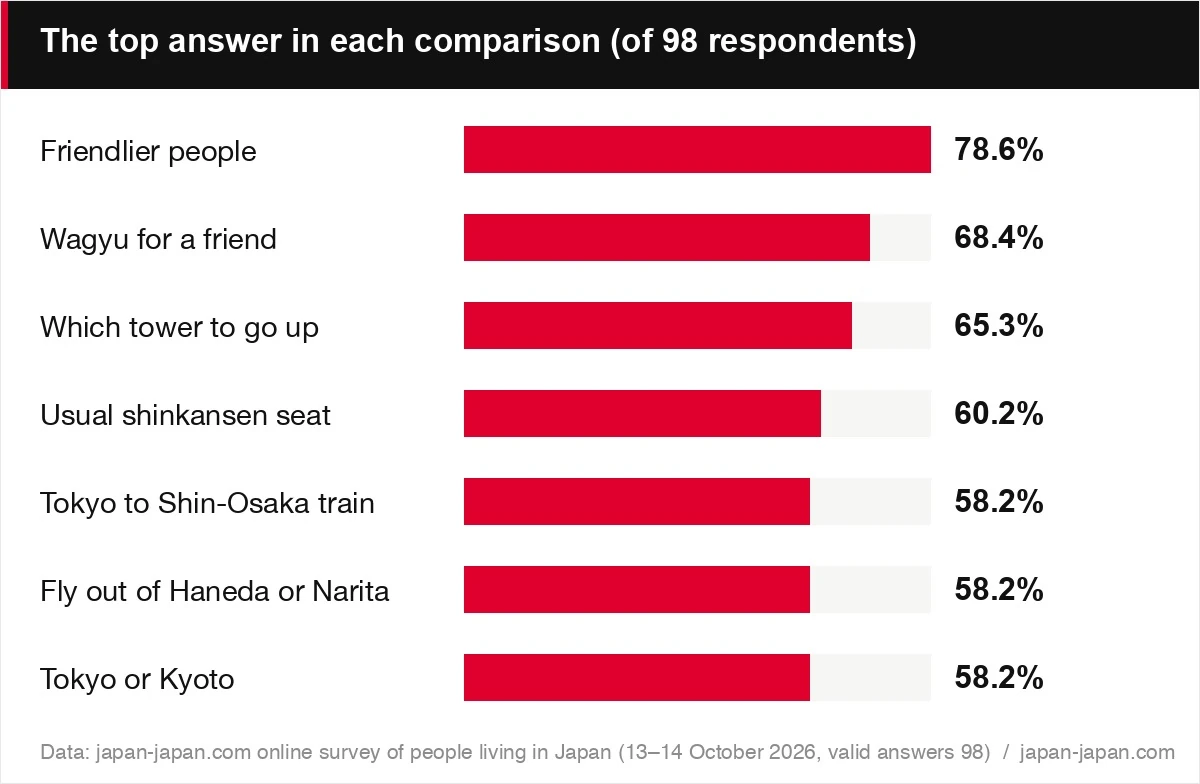
| Item | Value | Note |
|---|---|---|
| Friendlier people | 78.6 % | Osaka |
| Wagyu for a friend | 68.4 % | A well-reviewed restaurant |
| Which tower to go up | 65.3 % | Tokyo Skytree |
| Usual shinkansen seat | 60.2 % | Reserved seat |
| Tokyo to Shin-Osaka train | 58.2 % | Nozomi |
| Fly out of Haneda or Narita | 58.2 % | Haneda |
| Tokyo or Kyoto | 58.2 % | Kyoto |
| 5 days in Tokyo: what to get | 45.9 % | An IC card such as Suica |
Nozomi, Hikari or Kodama
From Tokyo to Shin-Osaka, 58.2% of respondents would take the Nozomi. Another 24.5% have no preference and board whichever train comes first. Only 7.1% would pick the Hikari and 3.1% the Kodama.
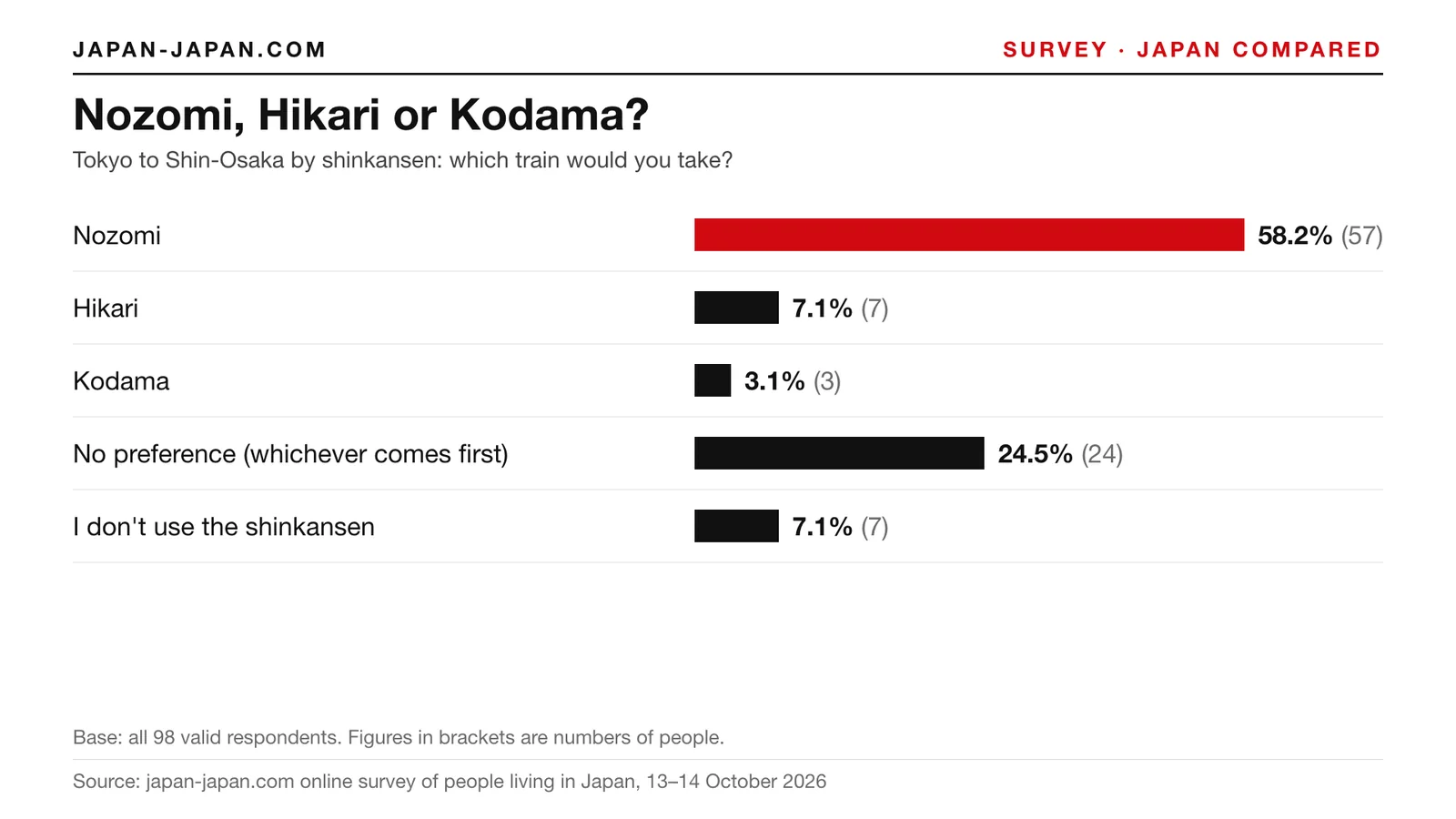
Still, 32.7% (32 of 98) have chosen a Hikari or Kodama on purpose at least once. Among the 32 asked why, 15 said it is less crowded and 15 had time to spare (46.9% each). 14 of 32 (43.8%) found a cheaper ticket.
59.2% knew the Kodama stops at every station. Only 2.0% knew the Japan Rail Pass for overseas visitors does not cover the Nozomi on its own.
Our Nozomi vs Hikari comparison shows the Nozomi is 33 min faster to Osaka and costs 320 yen more. The Hikari vs Kodama guide covers when the slower train is worth it.
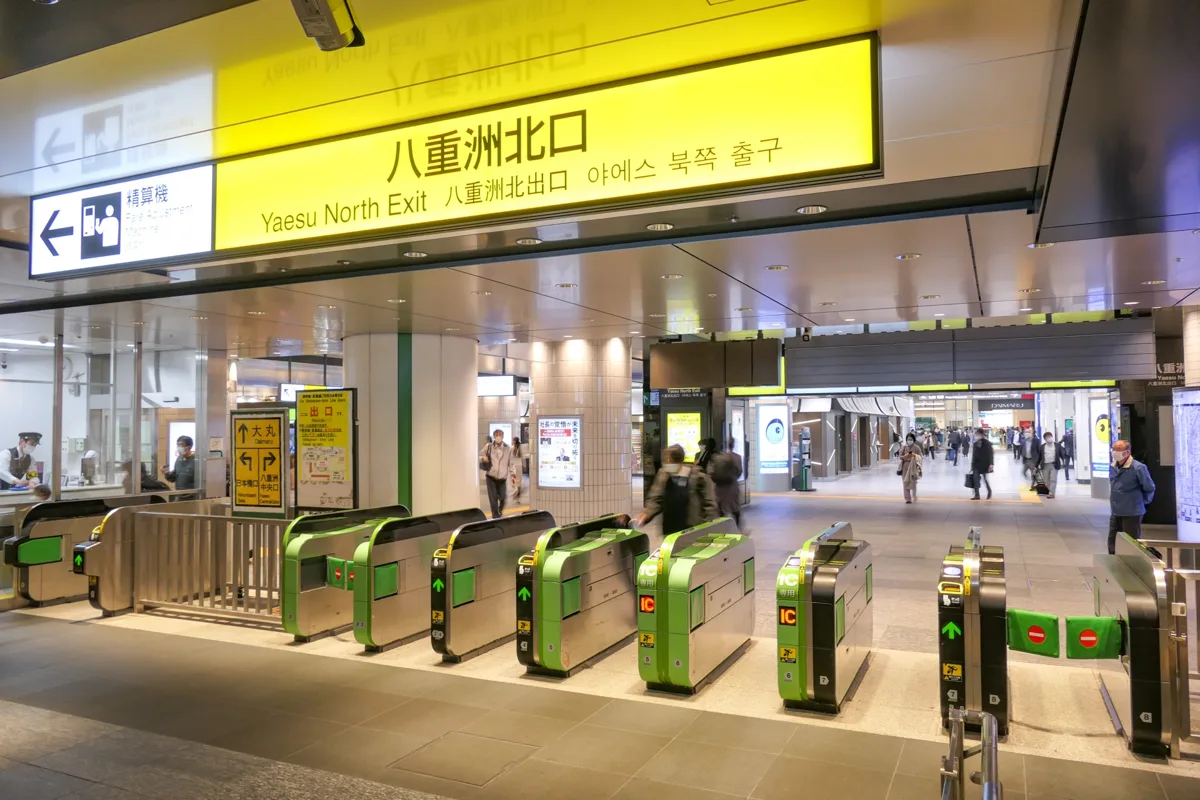
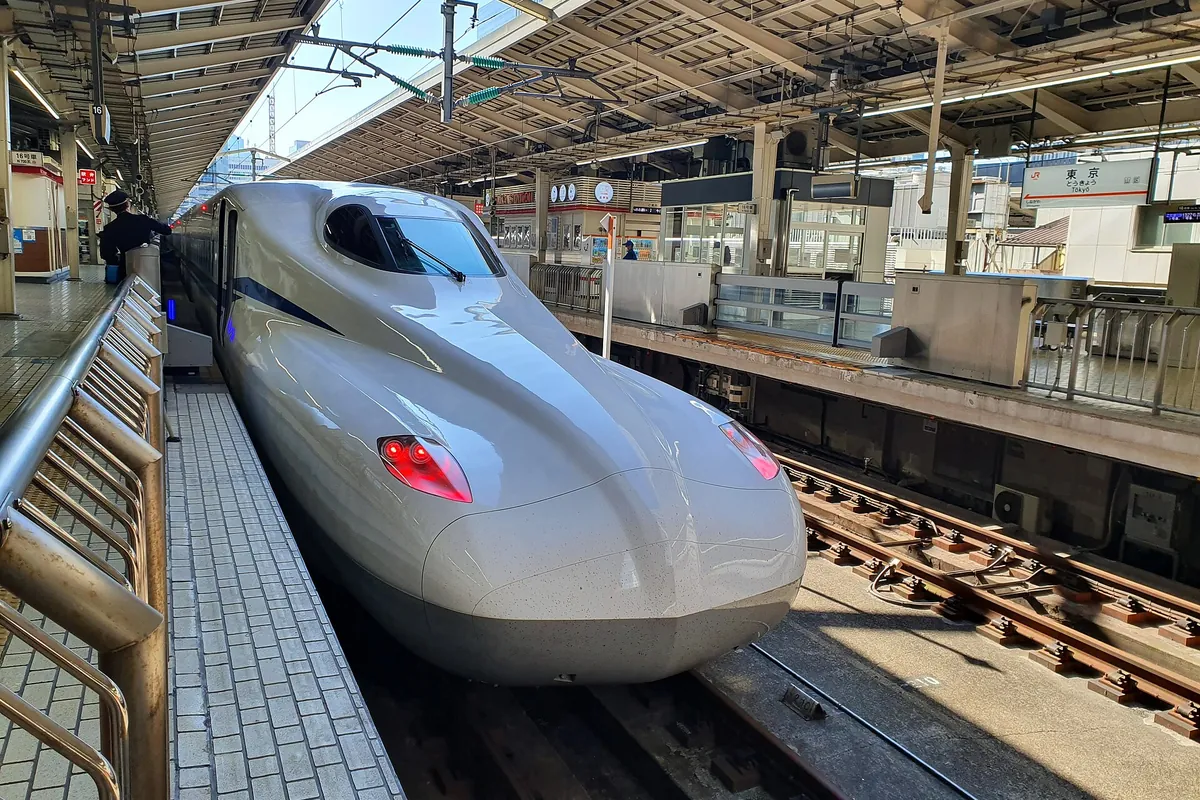
The photo below shows a Tokaido Shinkansen train at Tokyo Station.
Mizuho or Sakura
79.6% have taken none of the Sanyo and Kyushu Shinkansen trains we listed. From Shin-Osaka to Hakata, 54.1% have no preference, 22.4% don’t know and 21.4% would take the Nozomi. Just 2.0% named the Sakura. Our Mizuho or Sakura guide shows which one a JR Pass holder can ride.
Kagayaki or Hakutaka
From Tokyo to Kanazawa, 37.8% would take the Kagayaki, the train with fewer stops. 33.7% have no preference, 26.5% don’t know and 2.0% would take the Hakutaka. See Kagayaki vs Hakutaka and the Tokyo to Kanazawa route page for times and fares.
Green Car, reserved or non-reserved
33.7% of respondents (33 of 98) have ridden in a shinkansen Green Car. Among the 33 riders asked about the surcharge, 24 of 33 (72.7%) said it is worth it or somewhat worth it. Only 2 of 33 (6.1%) leaned the other way.
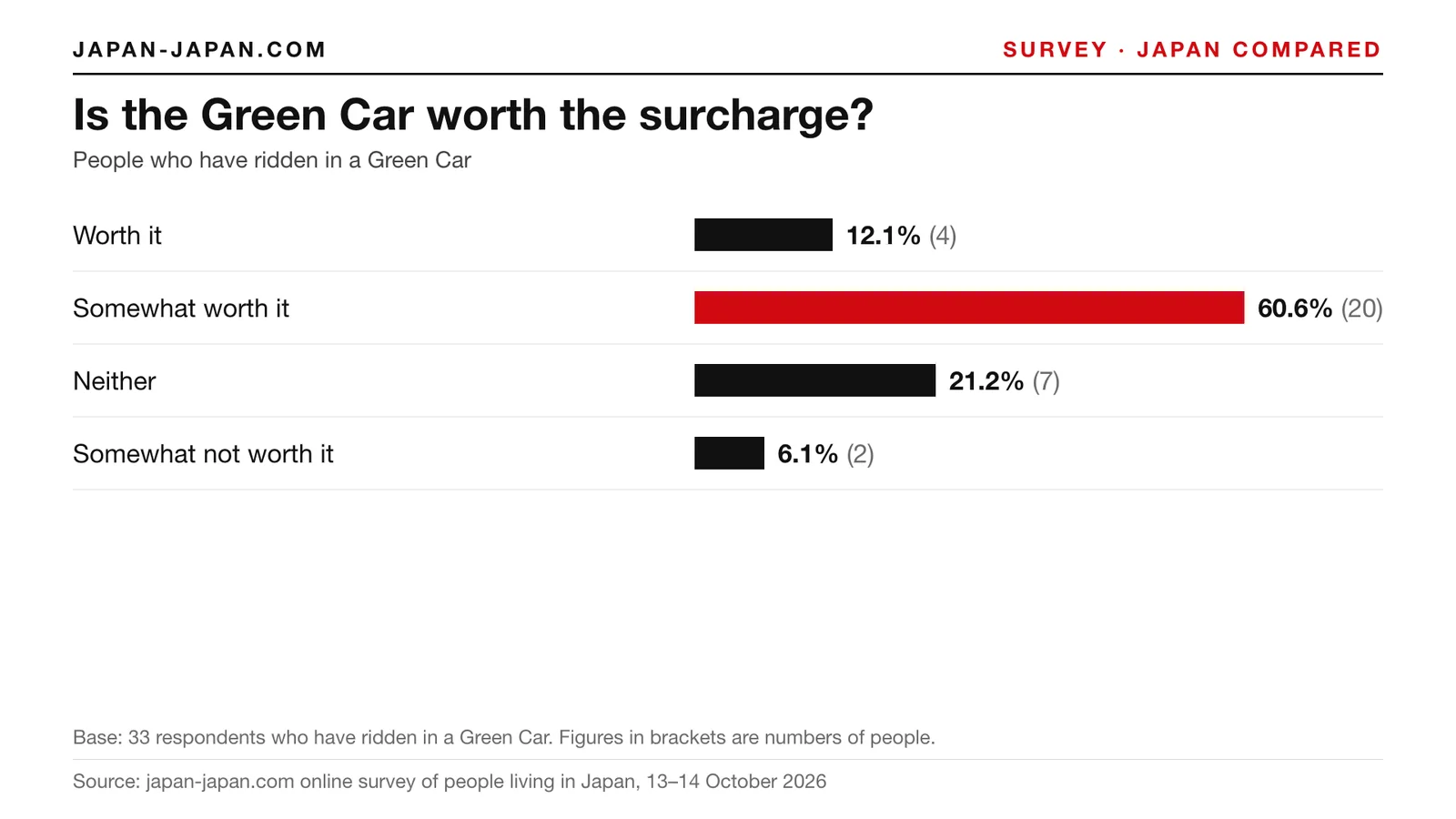
Wider seats (45.9%) and quiet (37.8%) top the list of good points. Day to day, 60.2% usually book a reserved seat and 19.4% a non-reserved seat. A man in his 60s from Tokyo wrote: “The seats are wide and it’s quiet. But for a ride of just two hours, an ordinary reserved seat is enough.” A woman in her 40s from Kanto added: “If you are bringing a suitcase on board, book a seat that comes with an oversized baggage area”.
Our Shinkansen Green Car vs ordinary comparison shows the Green Car costs 4,870 yen more from Tokyo to Osaka by Nozomi. For the cheaper choice, see Shinkansen reserved vs non-reserved seats.
JR Pass or IC card
On a 7-day Japan Rail Pass, the Green Car pass costs ¥20,000 more than the Ordinary pass. 35.7% would recommend it only in busy seasons such as cherry blossom. 28.6% said no, 26.5% didn’t know and just 9.2% said yes. Our JR Pass Green vs Ordinary article works out who should pay more.
For 5 days in Tokyo only, 45.9% would tell a friend to get an IC card such as Suica. 18.4% suggest an unlimited subway ticket and 9.2% a Japan Rail Pass. Compare real fares in JR Pass vs Suica, and check the pass itself on our Japan Rail Pass page.
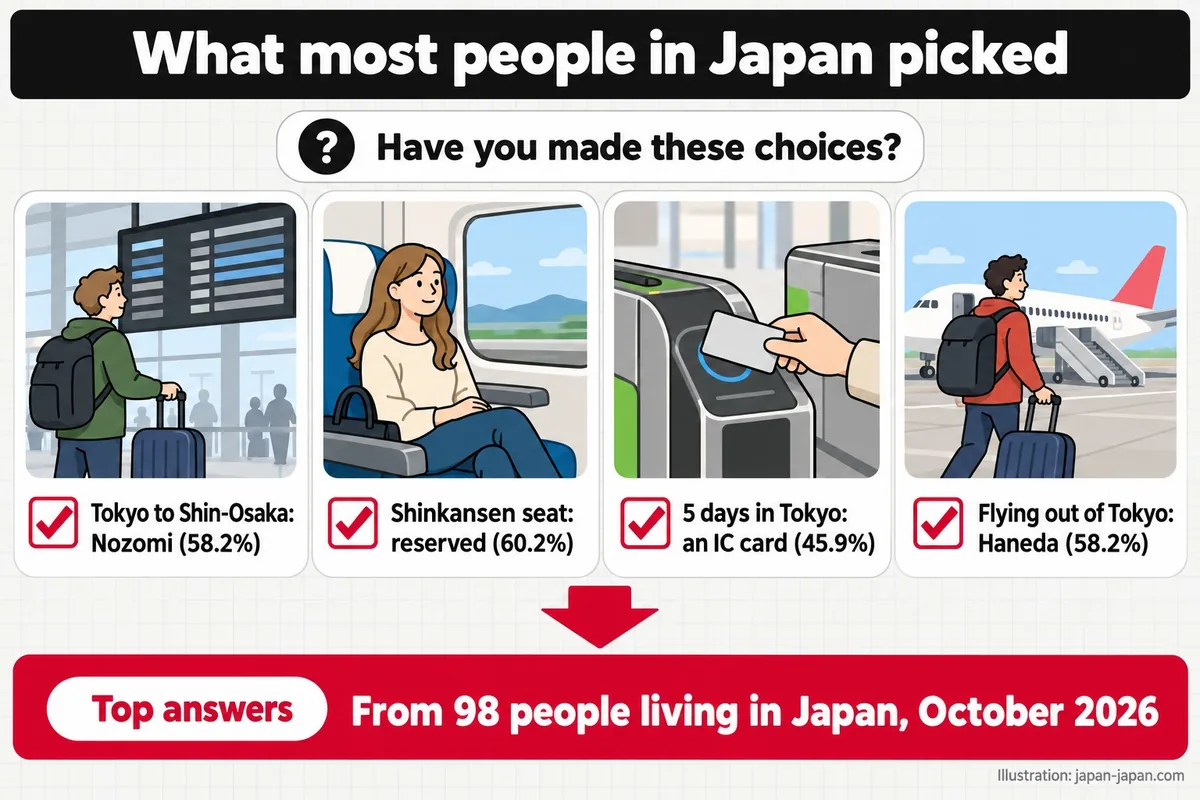
The checklist below turns the top answers into four choices to settle before you travel.
Suica, PASMO, ICOCA or PiTaPa
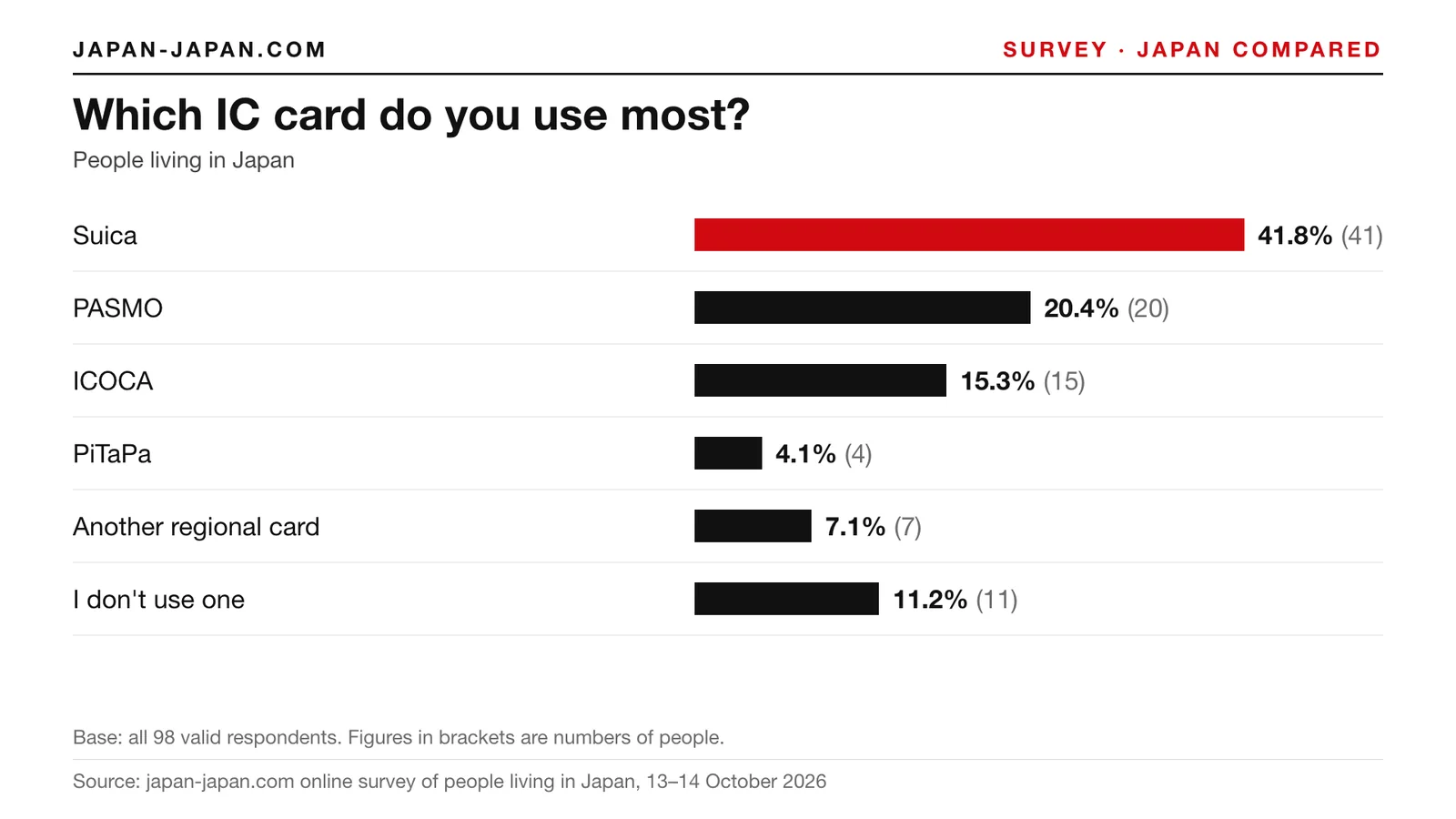
Suica is the card respondents use most, at 41.8%. PASMO follows at 20.4%, ICOCA at 15.3% and PiTaPa at 4.1%.
For a friend torn between Suica and PASMO, 38.8% said they are the same. 20.4% said Suica, 12.2% said to put one on your phone and 2.0% picked PASMO. Our Suica vs PASMO page sets the two side by side. ICOCA vs Suica covers the Kansai card, and Welcome Suica vs Suica explains the visitor version.
55.1% use the card only, 21.4% a phone only and 13.3% both. Among the 34 phone users, 28 of 34 (82.4%) like topping up anywhere, and as many, 28 of 34 (82.4%), like seeing the balance right away. 24 of 34 (70.6%) like having no card to carry. Read Suica card vs Mobile Suica before you choose.
56.1% didn’t know PiTaPa at all. Just 12.2% knew it is billed afterwards. Our ICOCA or PiTaPa comparison shows which one a visitor can get.
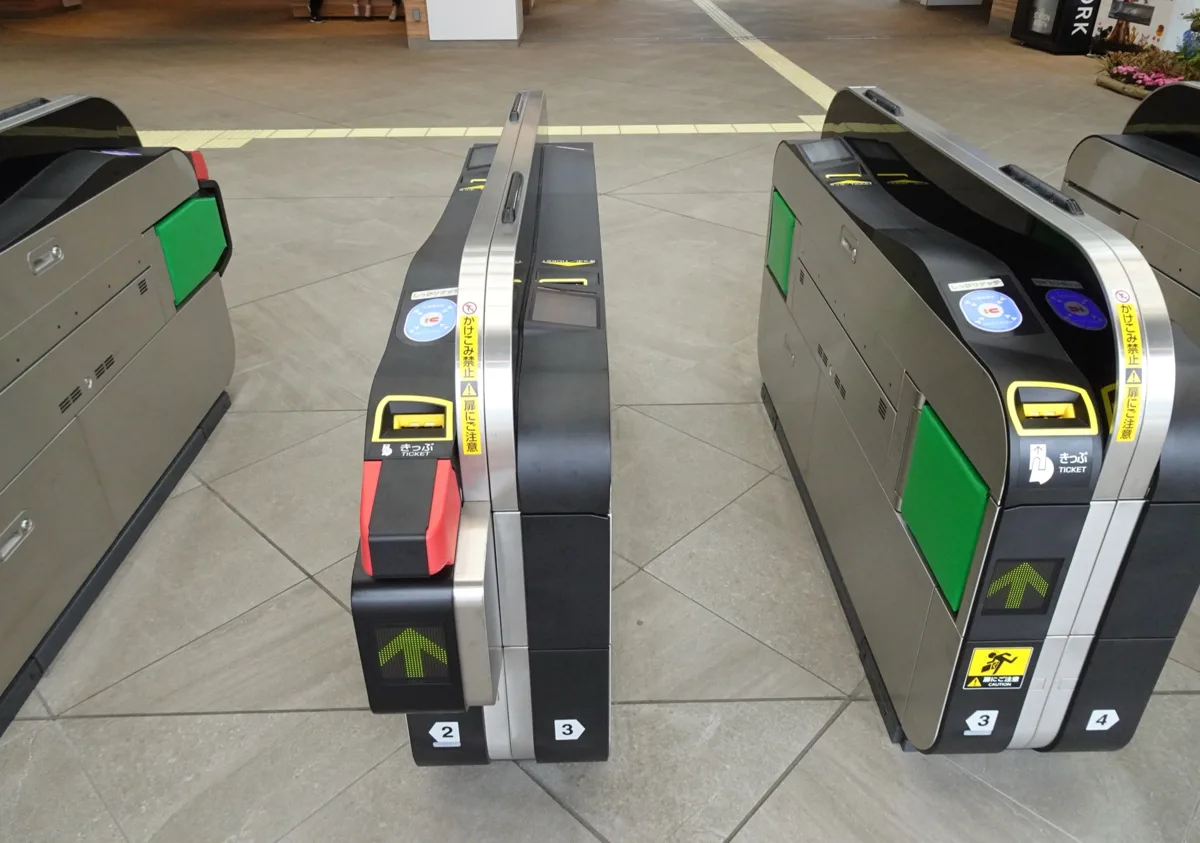
A woman in her 30s from Tohoku wrote: “I went through the gate with PASMO but left the station on a shinkansen ticket, so for about three years the card still showed that I had never exited.”
JAL or ANA, Haneda or Narita
JAL or ANA
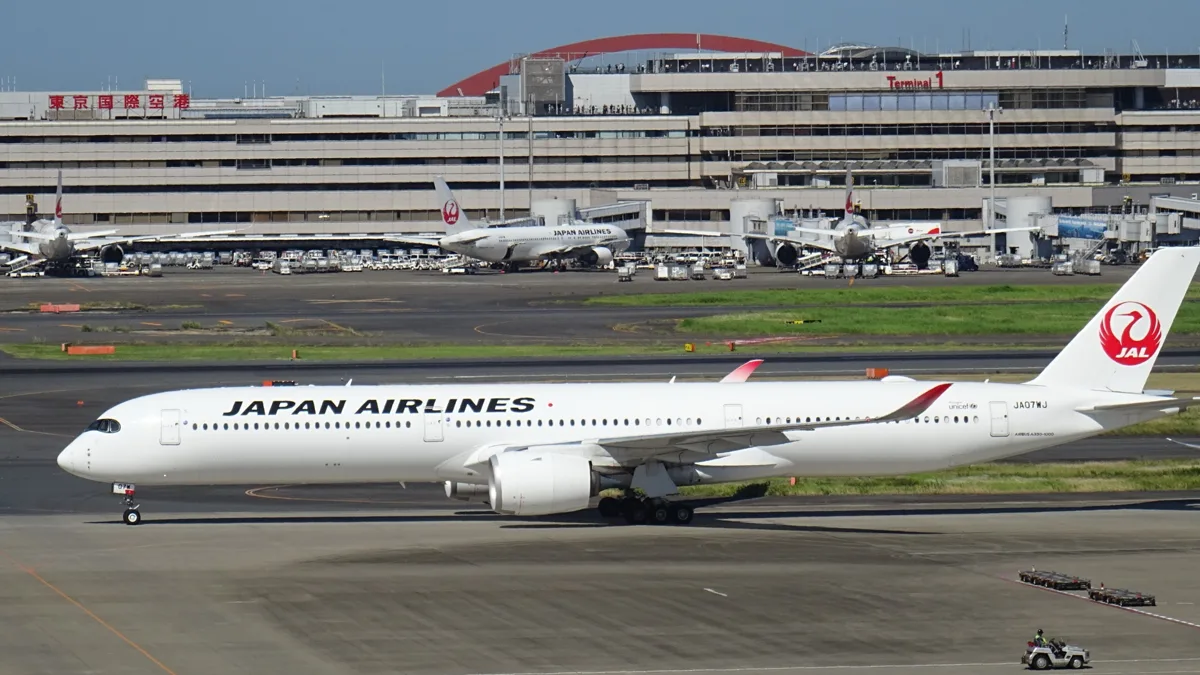
At the same time and price, 41.8% would take either airline. JAL or probably JAL drew 20.4%, ANA or probably ANA 19.4%, and 18.4% don’t fly. Among the 80 who fly, 47 of 80 (58.8%) had no particular reason.
For a friend, 46.9% said either and 28.6% said whichever is cheaper. Our ANA vs JAL comparison covers terminals, bags and alliances.
Peach, Jetstar Japan and other budget airlines
Peach is the budget airline most respondents have flown, at 30.6%, ahead of Jetstar Japan at 24.5%. Among the 44 who have flown one, 27 of 44 (61.4%) would fly again depending on the price. Asked whether Skymark is a low-cost carrier, 52.0% didn’t know. See Peach vs Jetstar Japan for bag fees, and full-service vs low-cost airlines in Japan for where Skymark fits.
Haneda or Narita
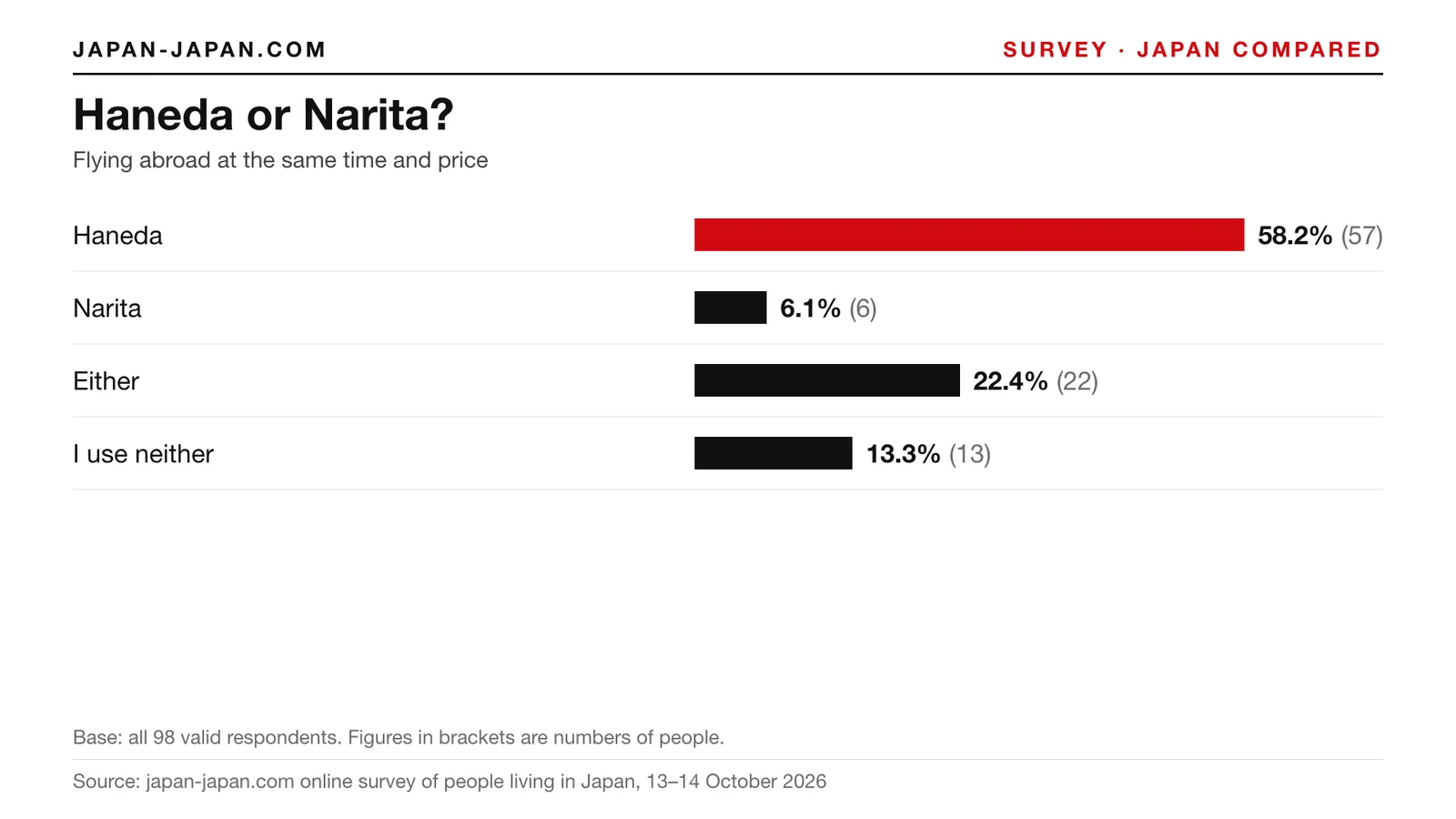
For a flight abroad at the same time and price, 58.2% would leave from Haneda and 6.1% from Narita. 22.4% said either. A man in his 60s from Tokyo put it simply: “For getting into central Tokyo, Haneda, no contest.”
Price can change minds. 25.5% would switch to Narita for ¥10,000 off and 18.4% for ¥5,000. Overall, 45.9% would choose Narita if it were ¥5,000 cheaper or less. 40.8% need ¥10,000 or more off, or would take Haneda anyway.
Plan the ride with Narita and Haneda to Tokyo and our Haneda Airport and Narita Airport pages.
From Narita into Tokyo
33.7% of respondents have never used Narita Airport. Of all 98, the Narita Express leads at 29.6%, then the Keisei Skyliner at 12.2% and the Airport Limousine Bus at 10.2%.
Our Keisei Skyliner vs Narita Express comparison shows the Skyliner is 17 min quicker, but the two end at different stations. See also the Narita Express page and the Keisei Skyliner page.
Kansai Airport or Itami
In Kansai, 36.7% have used none of the airports, and 33.7% said it depends on the destination and flight. Itami drew 15.3% and Kansai Airport 13.3%. Our Kansai vs Itami comparison explains which one handles flights from abroad.
Tokyo vs Kyoto: which city do people in Japan recommend?
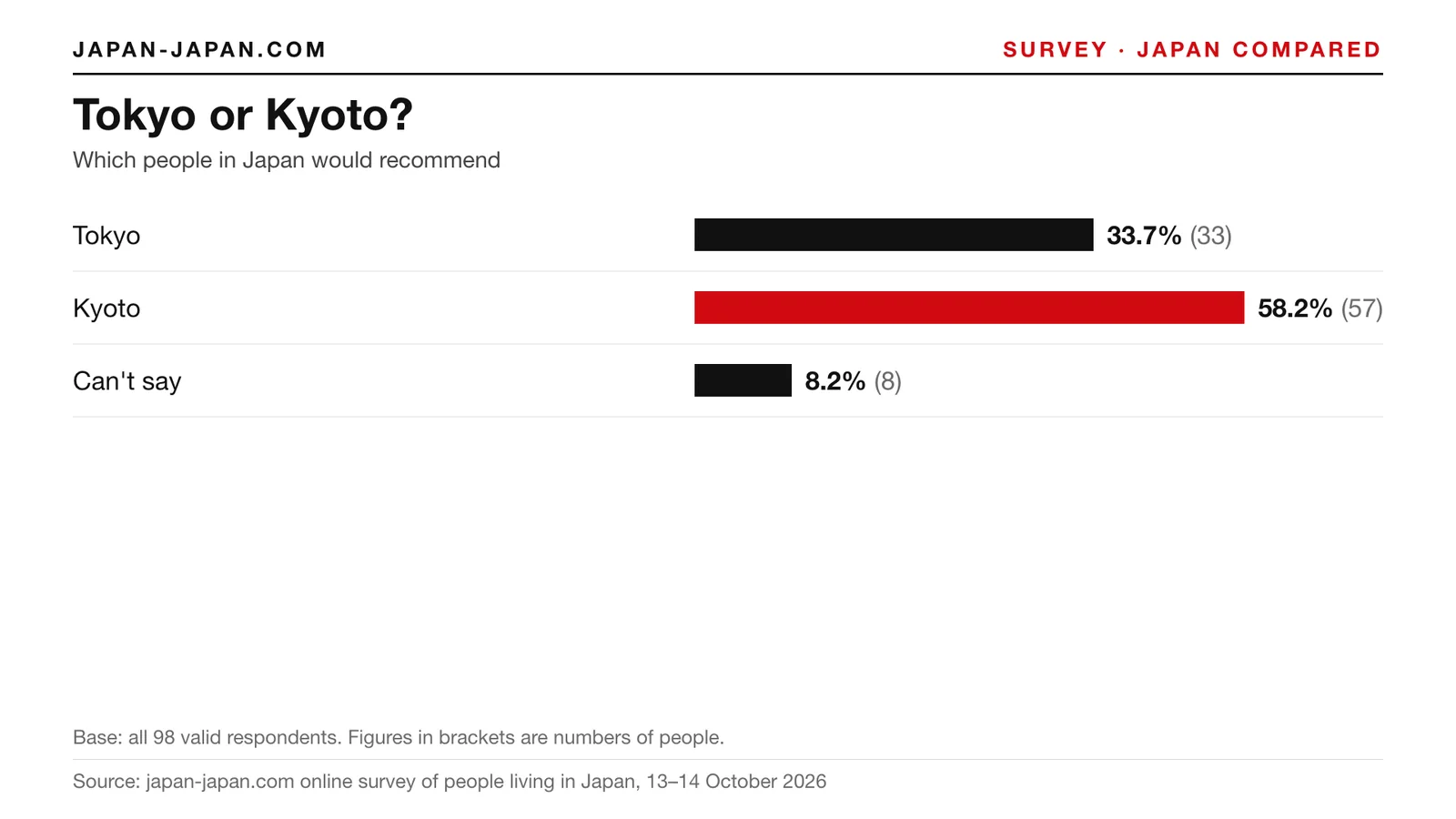
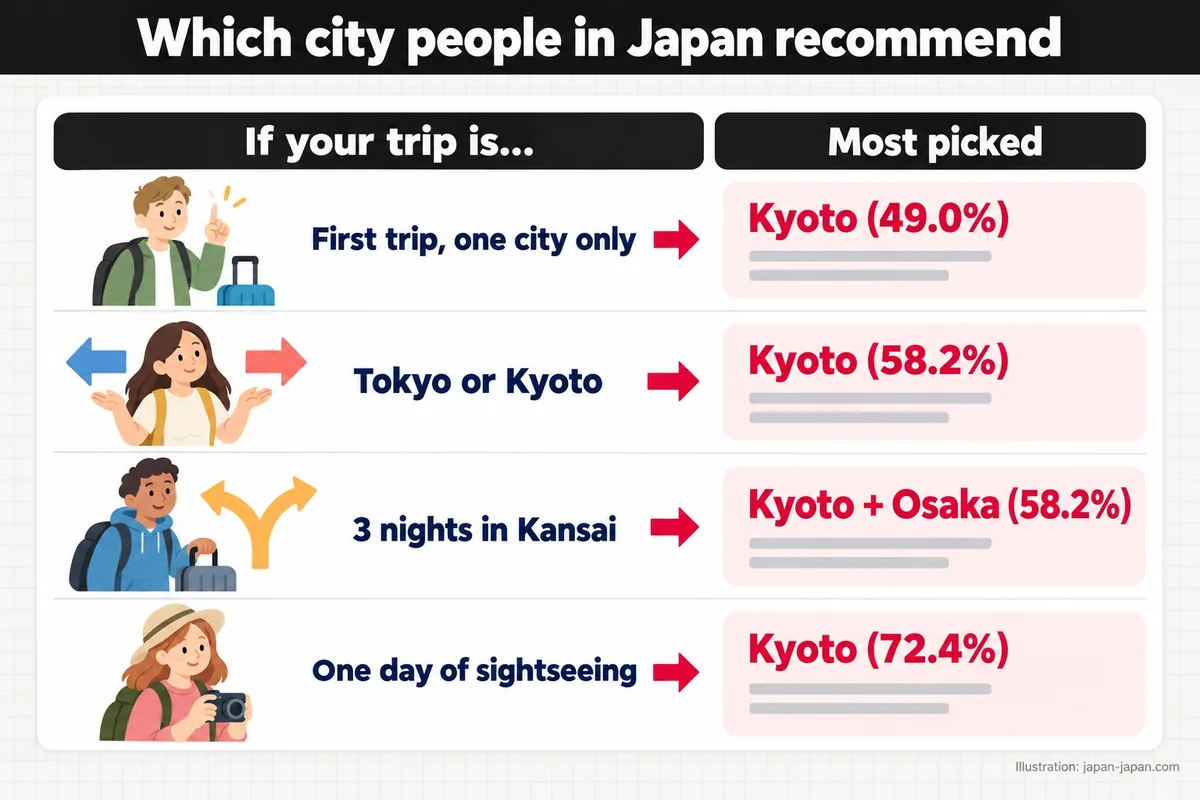
Between Tokyo and Kyoto, 58.2% recommend Kyoto and 33.7% Tokyo. 8.2% can’t say. For a first trip with time for only one city, 49.0% pick Kyoto, 30.6% Tokyo, 12.2% don’t know and 7.1% Osaka.
The photo below shows Kiyomizu-dera in Kyoto.

Plan the trip with our Tokyo to Kyoto route page, and check the weather on Kyoto by month. The lookup chart below sums up which city respondents point to in four situations.
Tokyo vs Osaka: food, shopping and nightlife
Osaka wins on food. 46.9% prefer it, 30.6% call the two about the same and 16.3% choose Tokyo. Tokyo wins on shopping with 63.3%, against 12.2% for Osaka and 16.3% for about the same. For nightlife, 49.0% pick Tokyo, 23.5% say about the same and 19.4% don’t know.
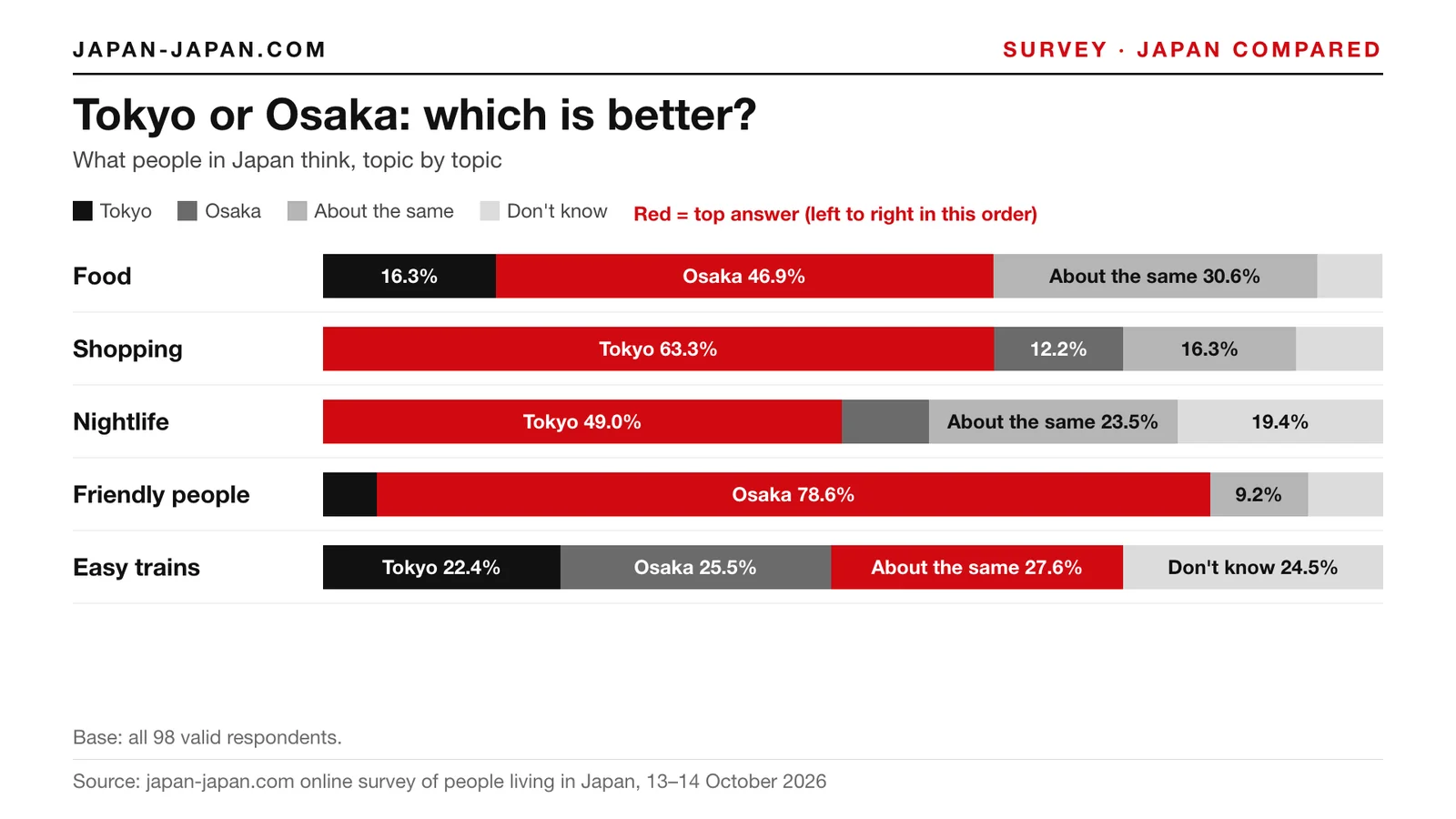
The widest gap is friendliness. 78.6% say people in Osaka are friendlier, 9.2% say about the same and 5.1% say Tokyo. A woman in her 20s from Kinki chose Osaka “because the food is good and lots of people are kind”.
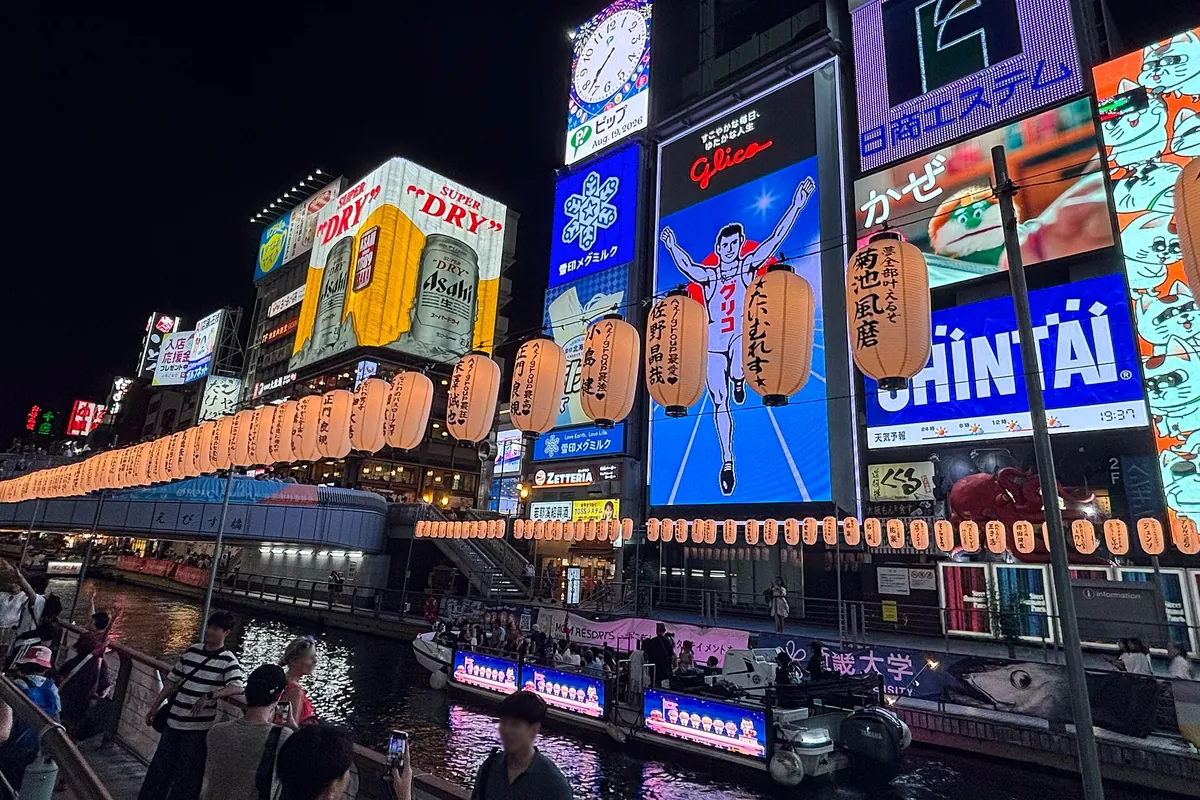
The photo below shows Dotonbori in Osaka at night.
Trains split the group. 27.6% find them about the same, 25.5% say Osaka’s are easier, 24.5% don’t know and 22.4% say Tokyo’s. See the Tokyo to Osaka route page for the trip, and Osaka by month for the season.
Where to stay: Kyoto or Osaka, Shinjuku or Shibuya, ryokan or hotel
Kyoto or Osaka
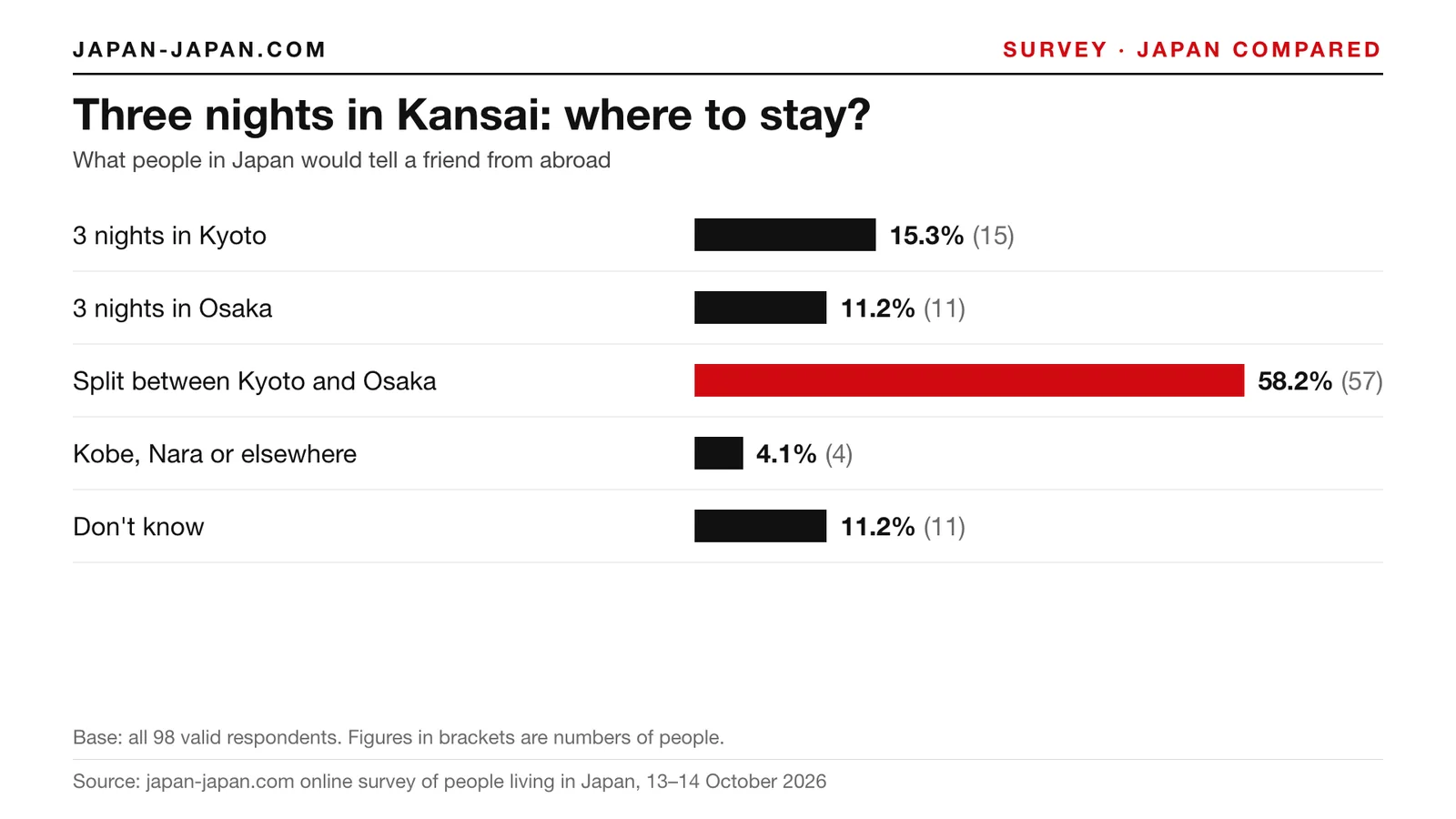
For 3 nights in Kansai, 58.2% would split the stay between Kyoto and Osaka. 15.3% would stay all 3 nights in Kyoto and 11.2% in Osaka. The top reason was being close to the sights (65.3%). For one day of sightseeing, 72.4% recommend Kyoto and 17.3% Osaka. Read Kyoto vs Osaka and the Osaka to Kyoto route page.
Shinjuku or Shibuya
The most common answer was neither. 45.9% would point a friend to another base, such as Tokyo Station, Ueno or Asakusa. Shinjuku drew 24.5%, Shibuya 6.1%, and 23.5% didn’t know.
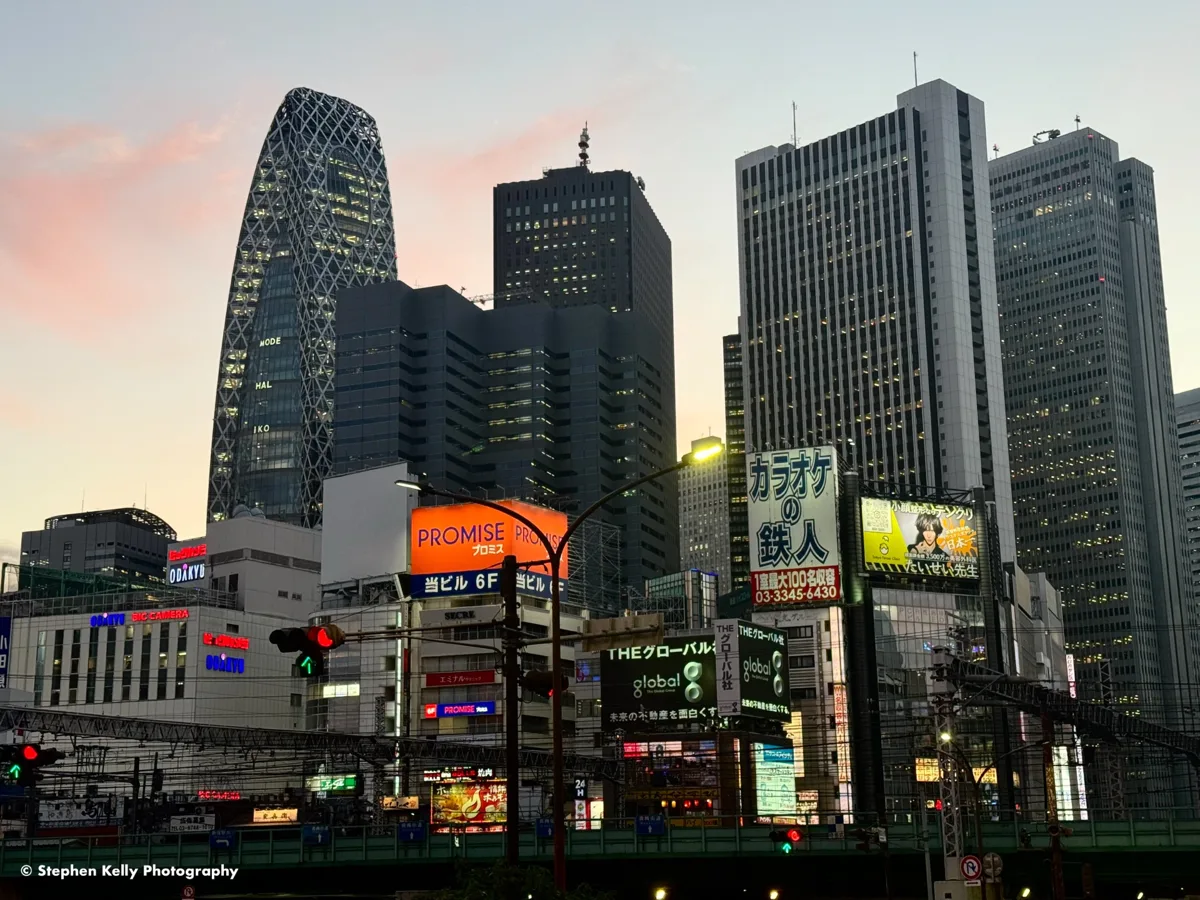
Among the 30 who picked one, 15 of 30 (50.0%) cited easy transfers. 29.6% find Shinjuku Station easier to get lost in. Shinjuku or Shibuya compares airport trains and night rules.
Ryokan or hotel
48.0% said it depends. 29.6% stay at a ryokan or usually a ryokan, and 22.4% at a hotel or usually a hotel. Still, 85.7% would tell a friend to spend one night at a ryokan, and 62.2% add “if they can afford it”.
Hot springs (72.4%) and dinner and breakfast at the inn (58.2%) are the top reasons to pick a ryokan. For hotels, 56.1% want to sleep in a bed. On price, 37.8% would pay up to ¥15,000 per person for one night with dinner and breakfast, and 34.7% up to ¥20,000. In total, 79.6% would stop at ¥20,000.
A woman in her 20s from Chubu wrote: “If you want to feel Japan where you sleep, a ryokan. If you want to feel it while sightseeing, a hotel”. Compare the two in Ryokan vs hotel in Japan, and read our ryokan guide before you book.
Day trips from Tokyo: Hakone, Kawaguchiko, Nikko or Kamakura
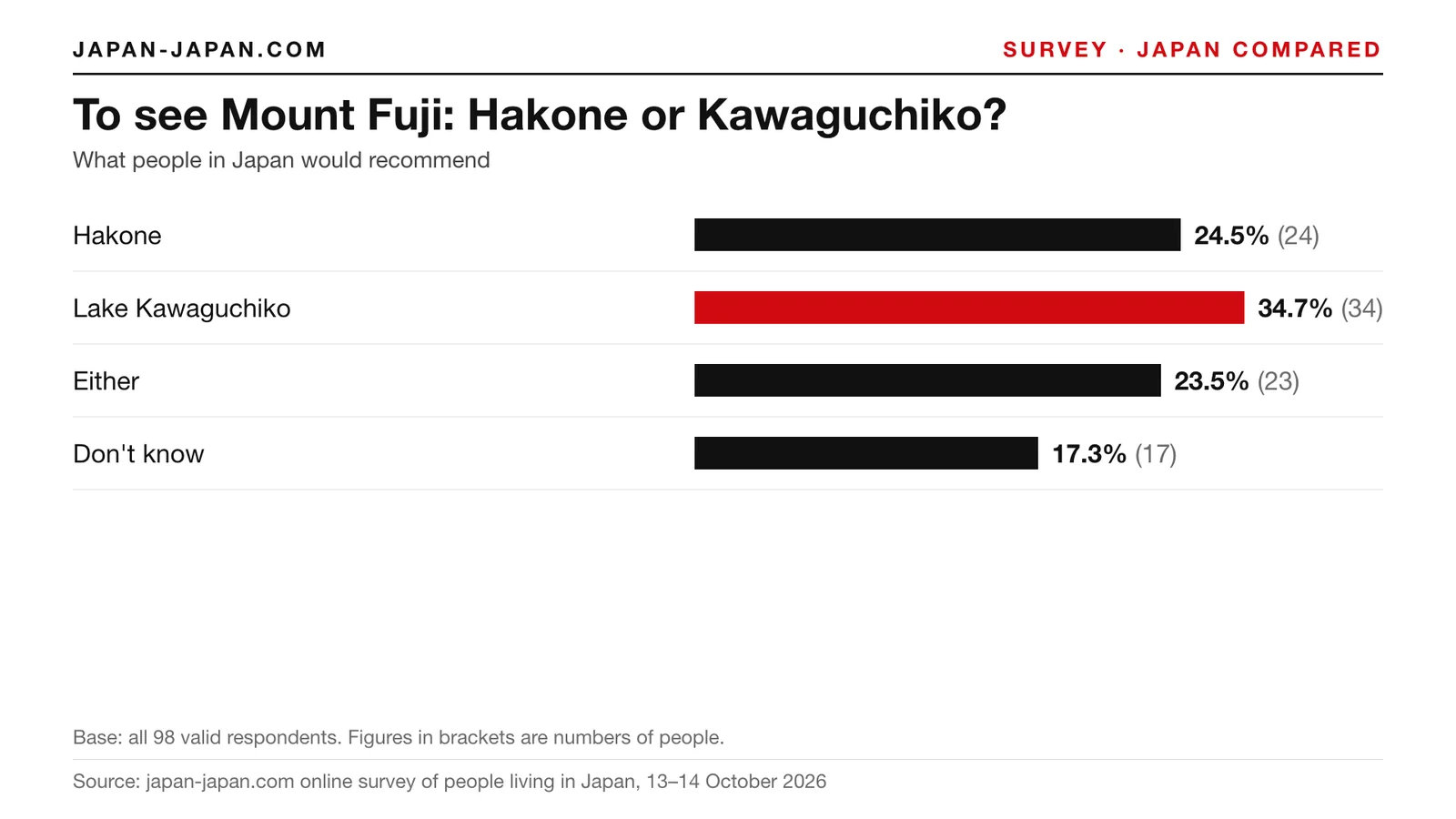
To see Mount Fuji from Tokyo, 34.7% recommend Lake Kawaguchiko and 24.5% Hakone. 23.5% said either and 17.3% didn’t know. For one day trip, Kamakura leads at 27.6%, then Yokohama at 25.5% and Hakone at 17.3%. Kawaguchiko drew 9.2% and Nikko 8.2%.
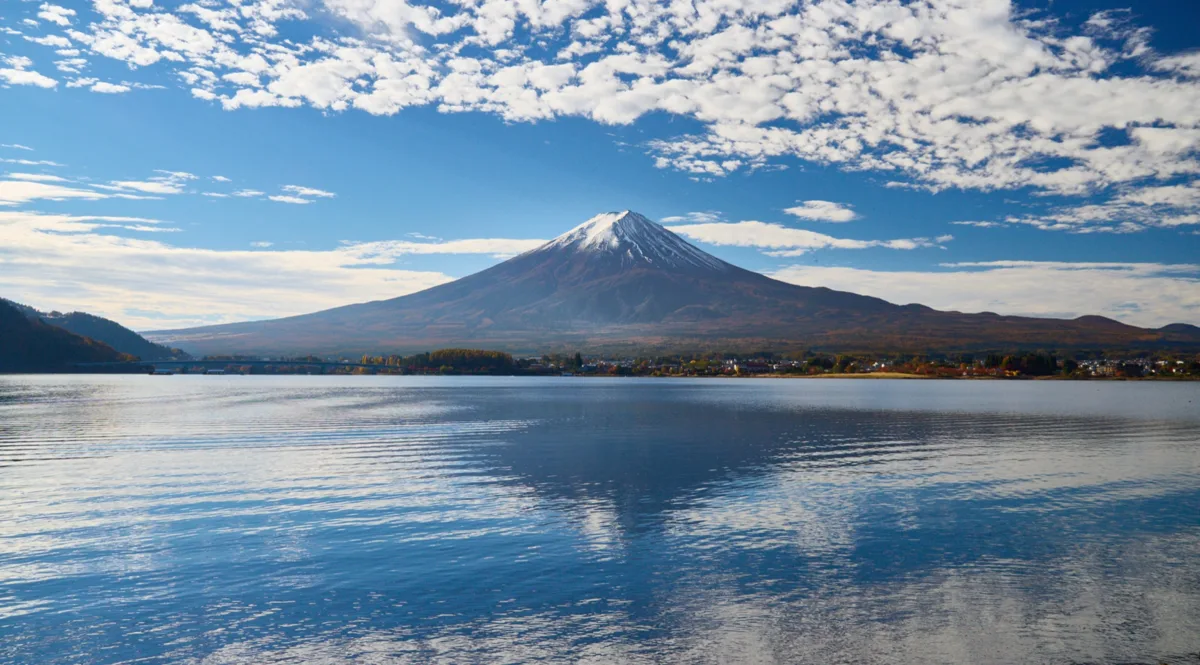
Most respondents know these places: 81.6% have been to at least one. The table below shows that having been somewhere and picking it for a day trip give two different numbers.
| Place | Have been there | Top pick for one day trip |
|---|---|---|
| Kamakura | 61.2% | 27.6% |
| Yokohama | Not asked | 25.5% |
| Hakone | 62.2% | 17.3% |
| Lake Kawaguchiko | 45.9% | 9.2% |
| Nikko | 63.3% | 8.2% |
Nikko shows the split most clearly. 63.3% have been, but 8.2% would pick it for a single day trip. Kamakura has 61.2% visits and the top day-trip vote.
Our Hakone vs Kawaguchiko comparison and Nikko vs Hakone vs Kamakura guide add times and fares, and the Tokyo to Hakone route page lists the Odakyu Romancecar at 1 h 24 min for 2,470 yen from Shinjuku. Also see Tokyo to Kamakura and Tokyo to Nikko.
Tokyo Skytree vs Tokyo Tower
To go up, 65.3% recommend Tokyo Skytree and 22.4% Tokyo Tower. 12.2% can’t say. If a friend climbs only one observation deck in Tokyo, 60.2% choose Skytree, 18.4% Tokyo Tower and 5.1% Shibuya Sky.
The photo below shows Tokyo Skytree against the sky.
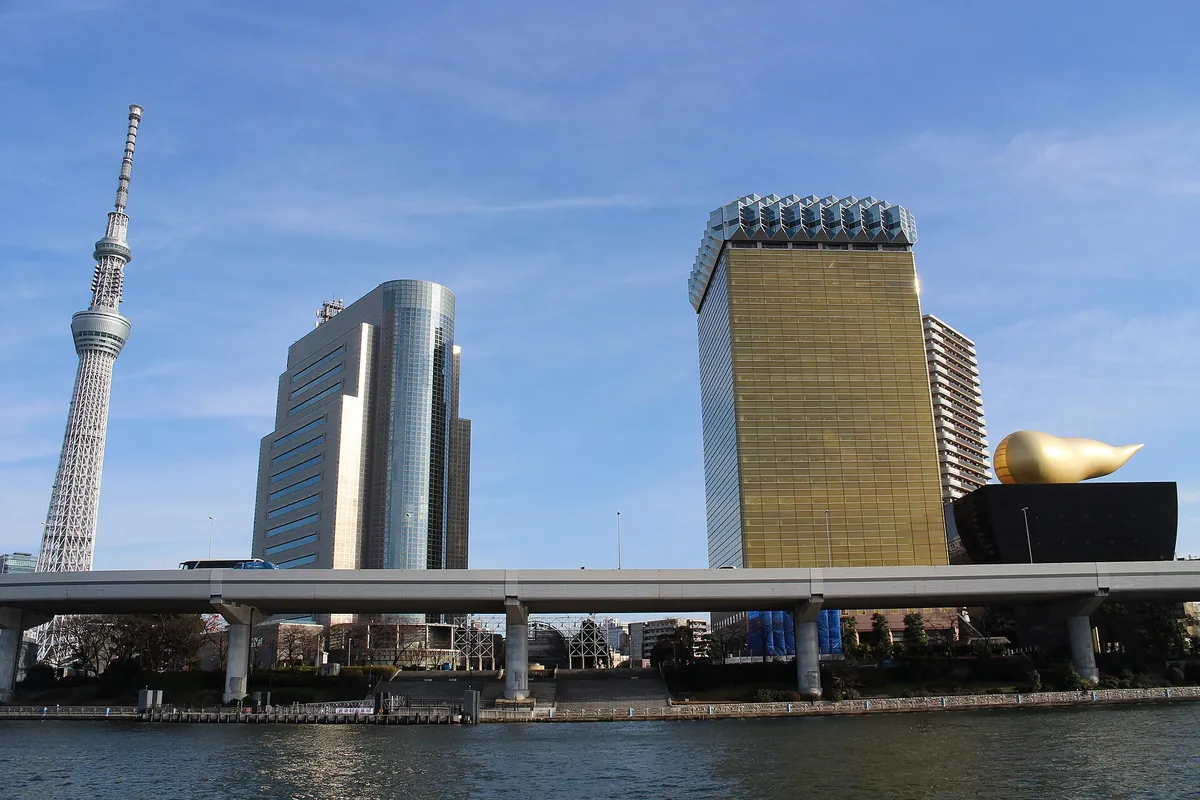
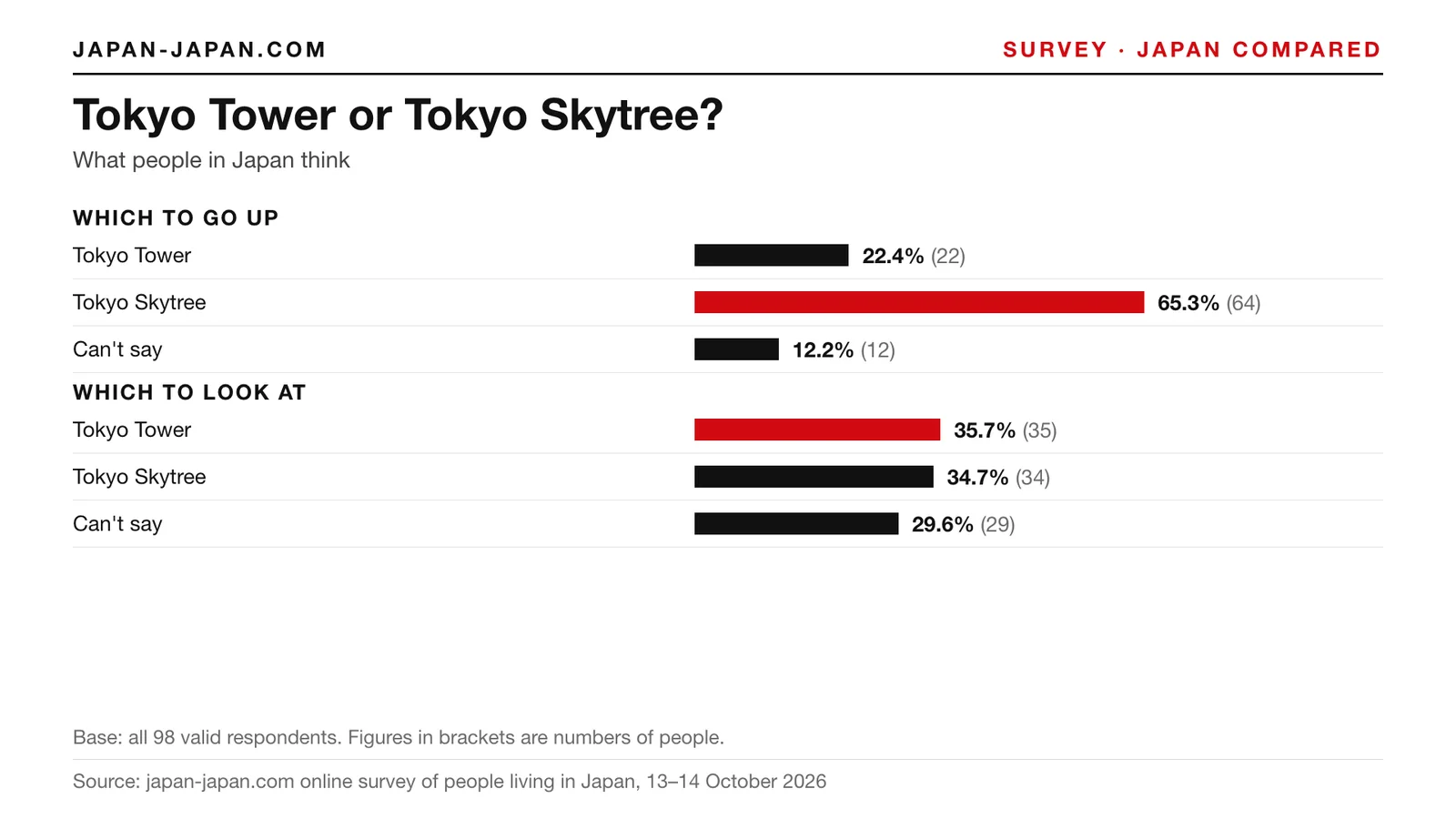
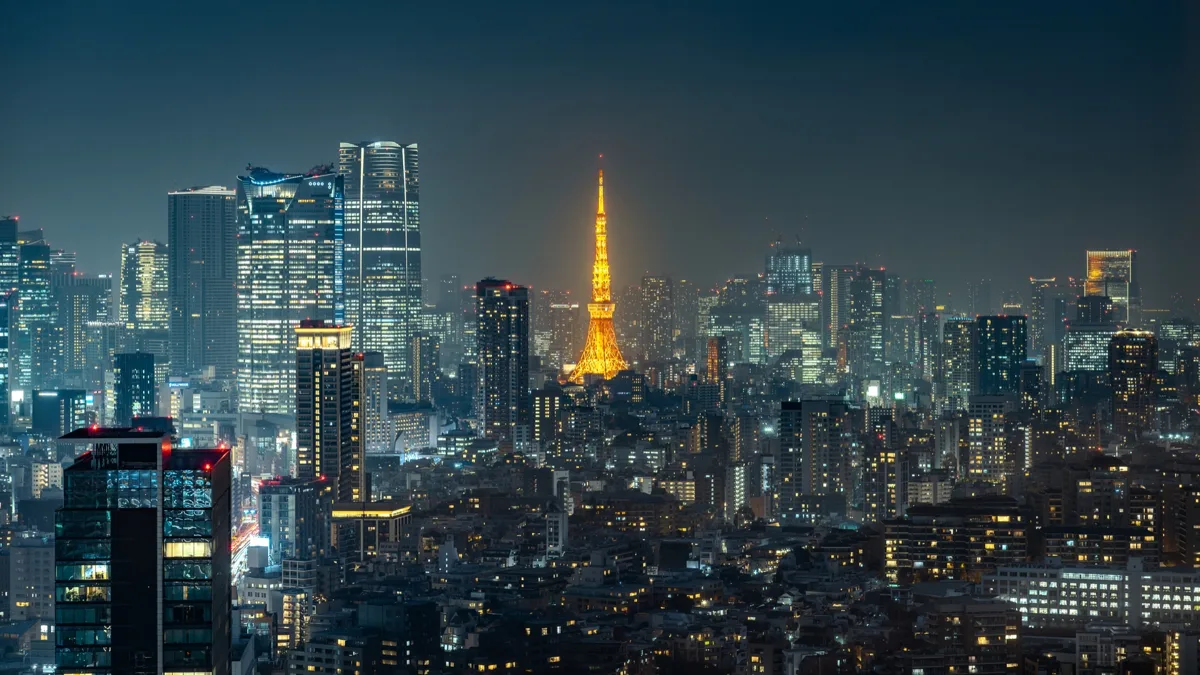
From the outside, the vote is close. 35.7% prefer to look at Tokyo Tower, 34.7% Skytree and 29.6% can’t say. More respondents have been up Tokyo Tower (69.4%) than Skytree (61.2%).
Ghibli Museum vs Ghibli Park
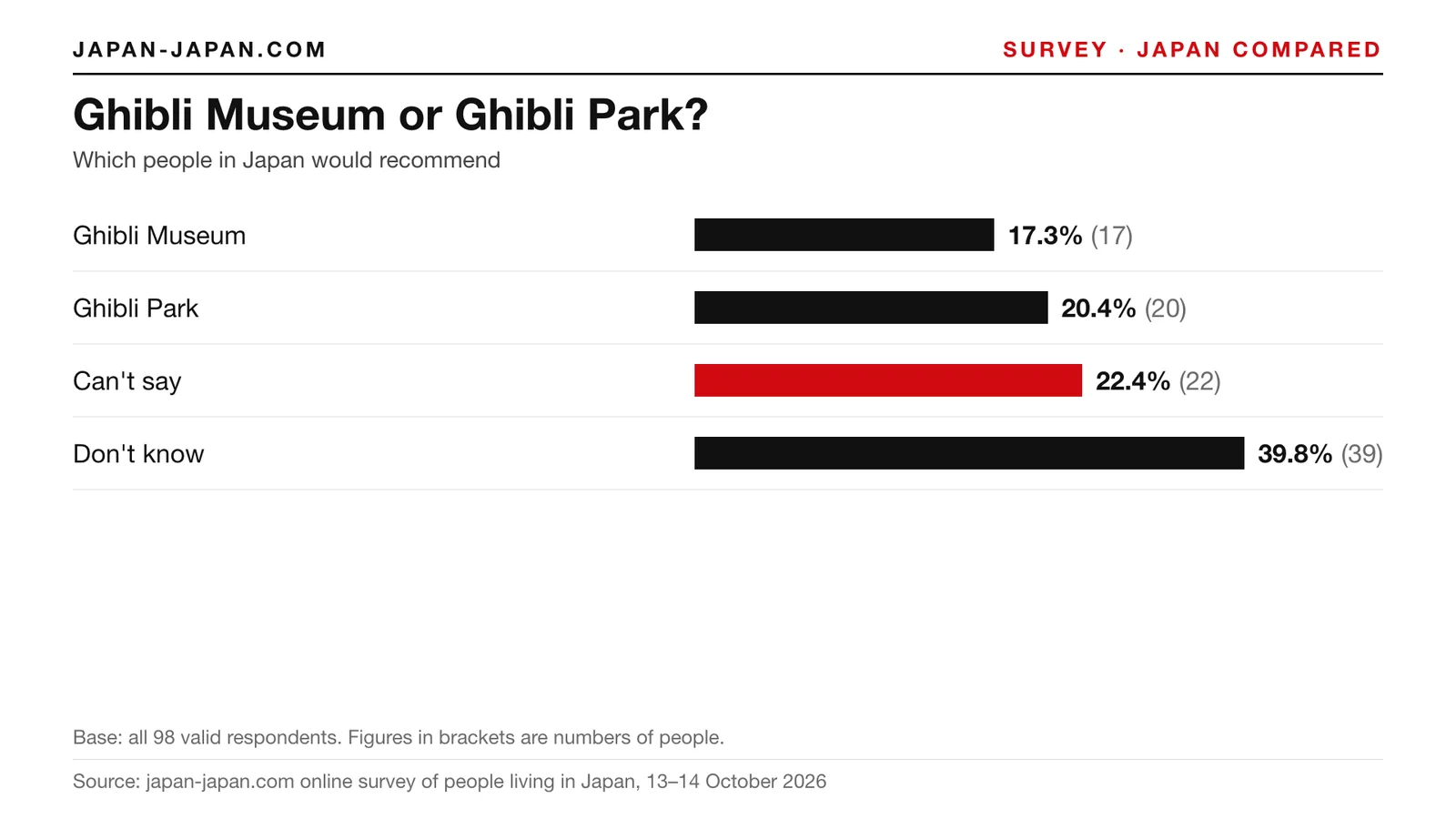
Most respondents have been to neither: 82.7%. 15.3% have visited the Ghibli Museum in Mitaka and 2.0% Ghibli Park in Aichi. Asked which one to recommend, 39.8% didn’t know and 22.4% couldn’t say.
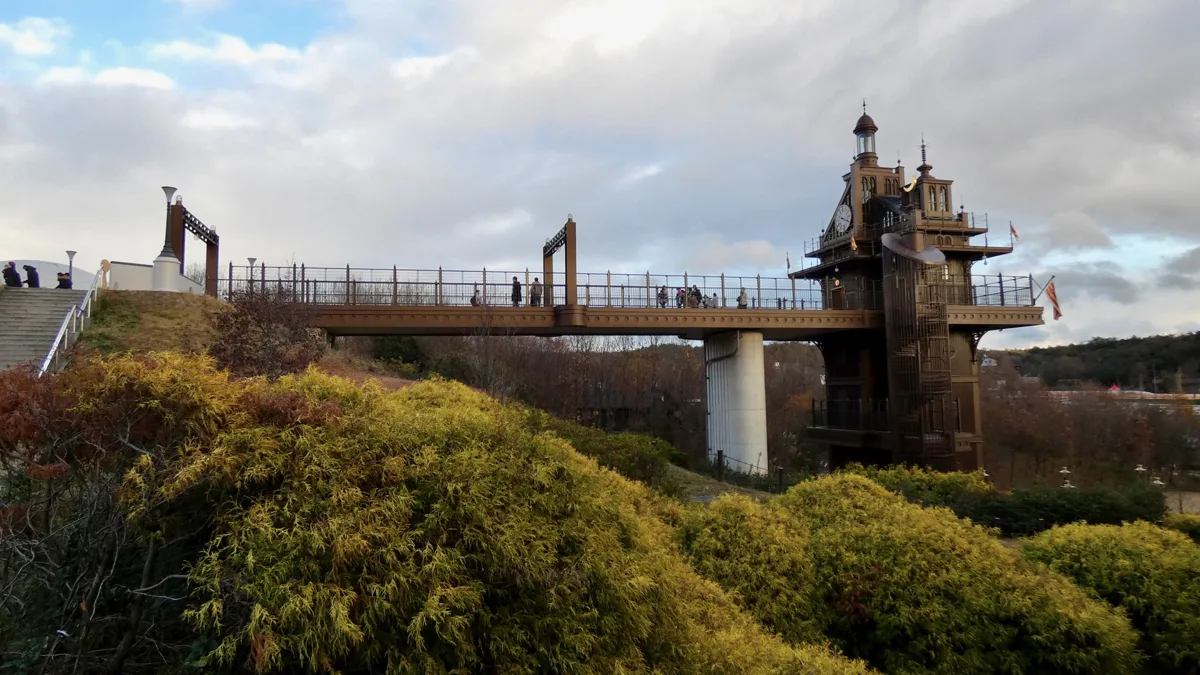
Of all 98, Ghibli Park drew 20.4% and the Ghibli Museum 17.3%, so the split is narrow. If you choose the museum, read our Ghibli Museum tickets guide first.
Universal Studios Japan vs Tokyo Disney
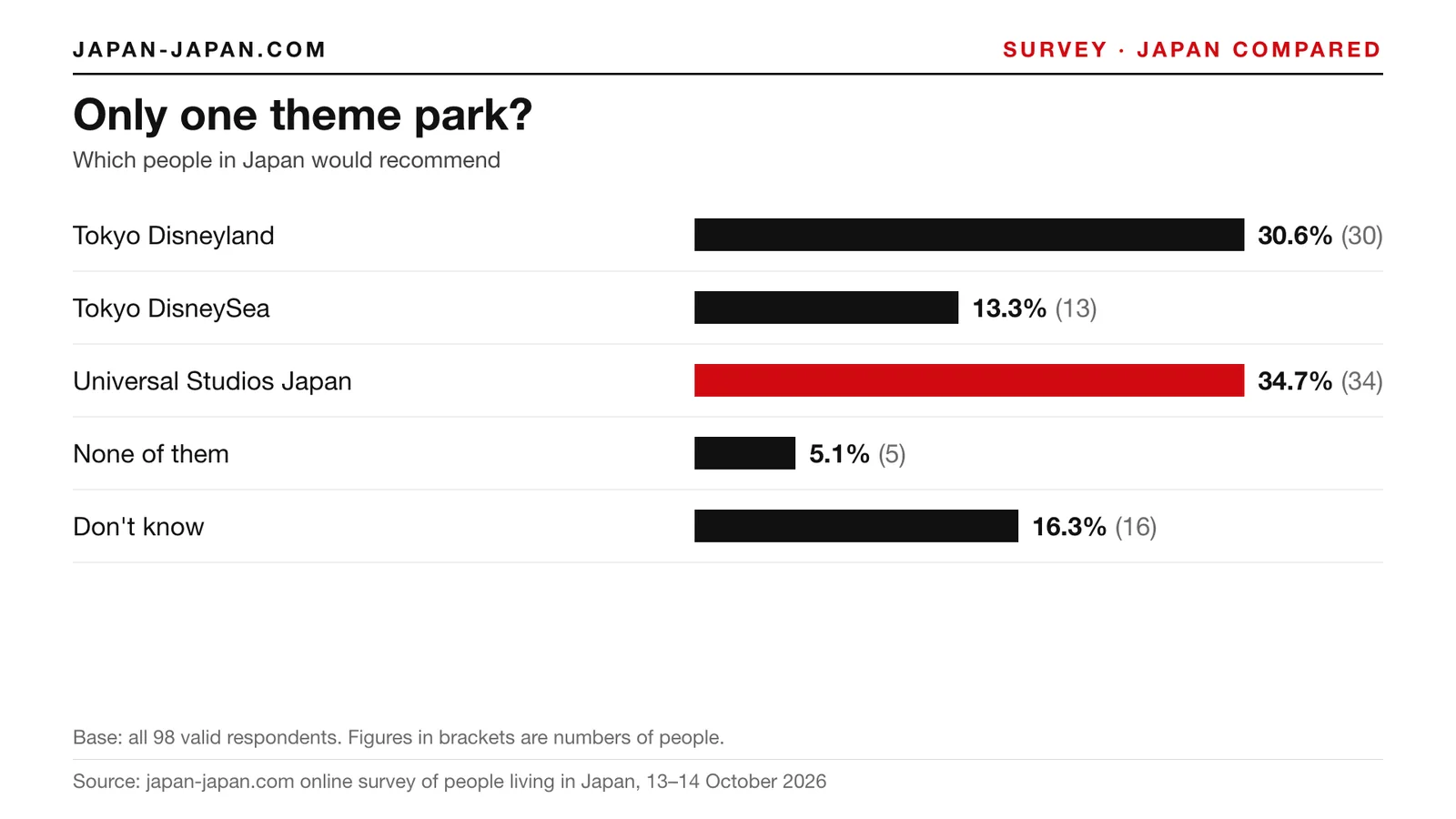
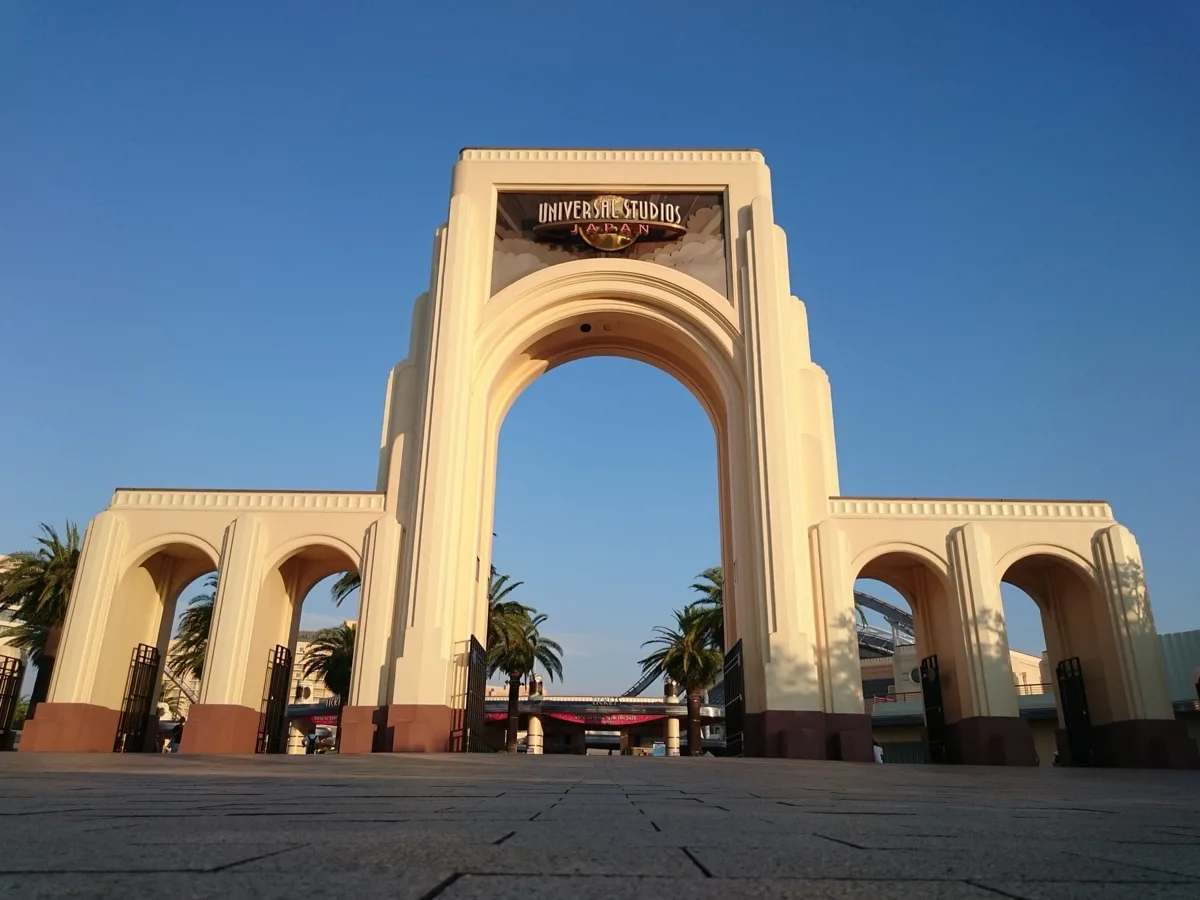
If a friend goes to only one theme park, 34.7% recommend Universal Studios Japan, the most common single answer. Tokyo Disneyland drew 30.6% and Tokyo DisneySea 13.3%. 16.3% didn’t know and 5.1% would recommend none. For Disney, read Is Tokyo Disneyland worth it?, from a separate survey of ours.
Kobe beef, wagyu and Osaka vs Hiroshima okonomiyaki
Kobe beef is the brand most respondents have eaten, at 59.2%. Matsusaka beef follows at 53.1% and Omi beef at 38.8%. 16.3% have eaten none of the brands we listed.
To treat a friend to wagyu once, 68.4% would pick a well-reviewed restaurant, whatever the brand. 9.2% would choose a Kobe beef restaurant and 9.2% a yakiniku chain. Read What is Kobe beef? before you book.
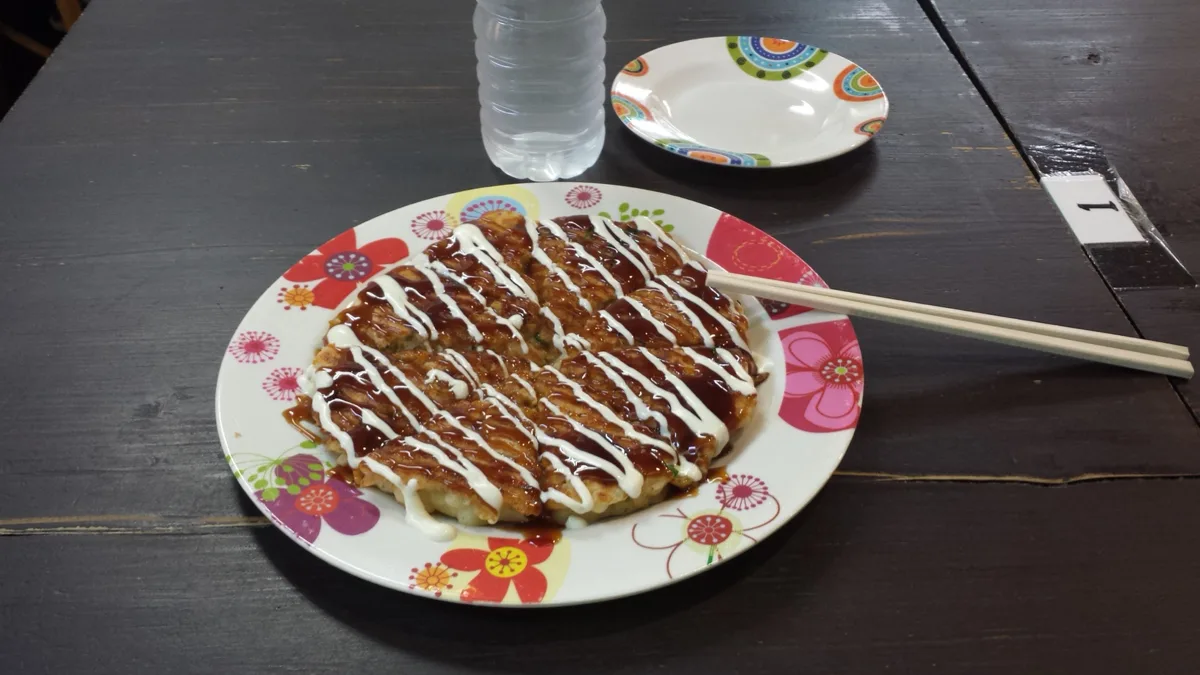
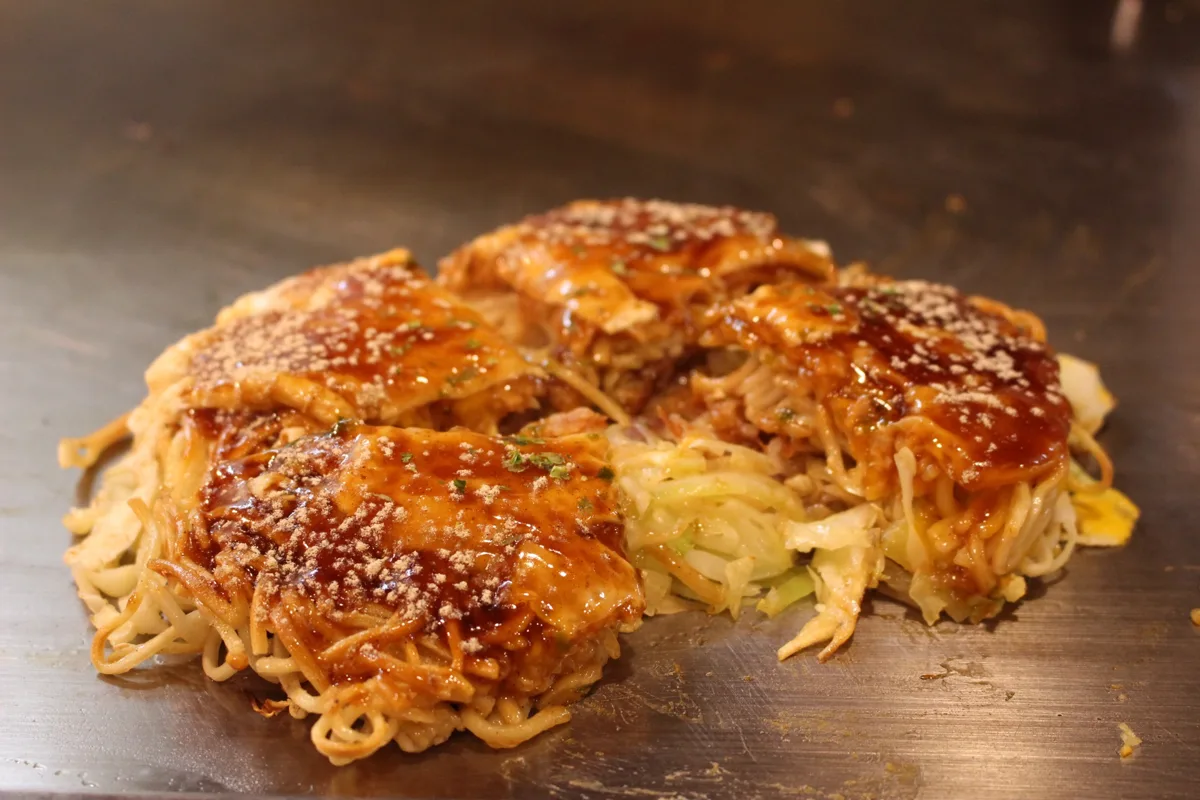
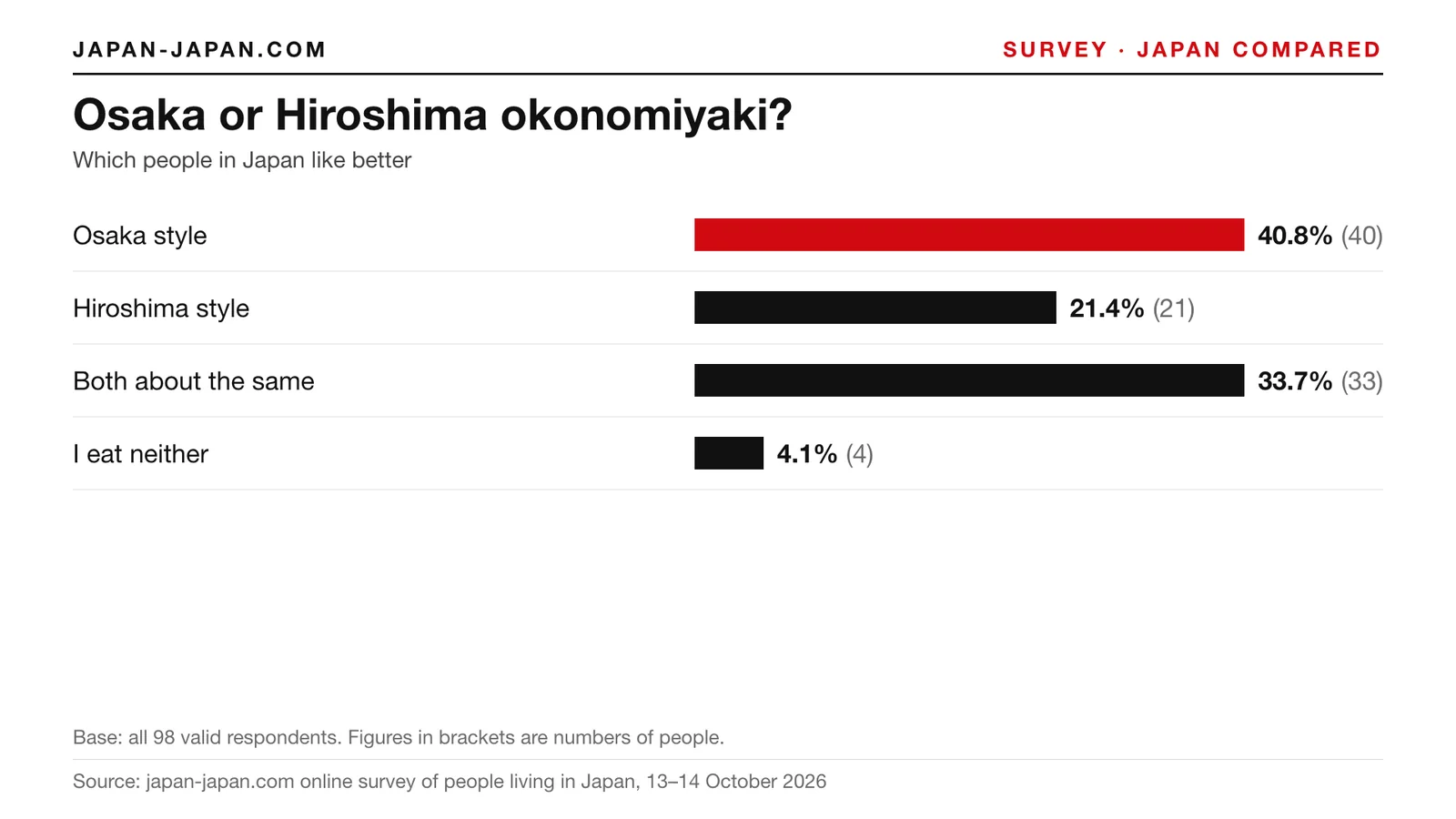
On okonomiyaki, 40.8% prefer Osaka style and 21.4% Hiroshima style. 33.7% like both about the same and 4.1% eat neither.
eSIM vs pocket Wi-Fi
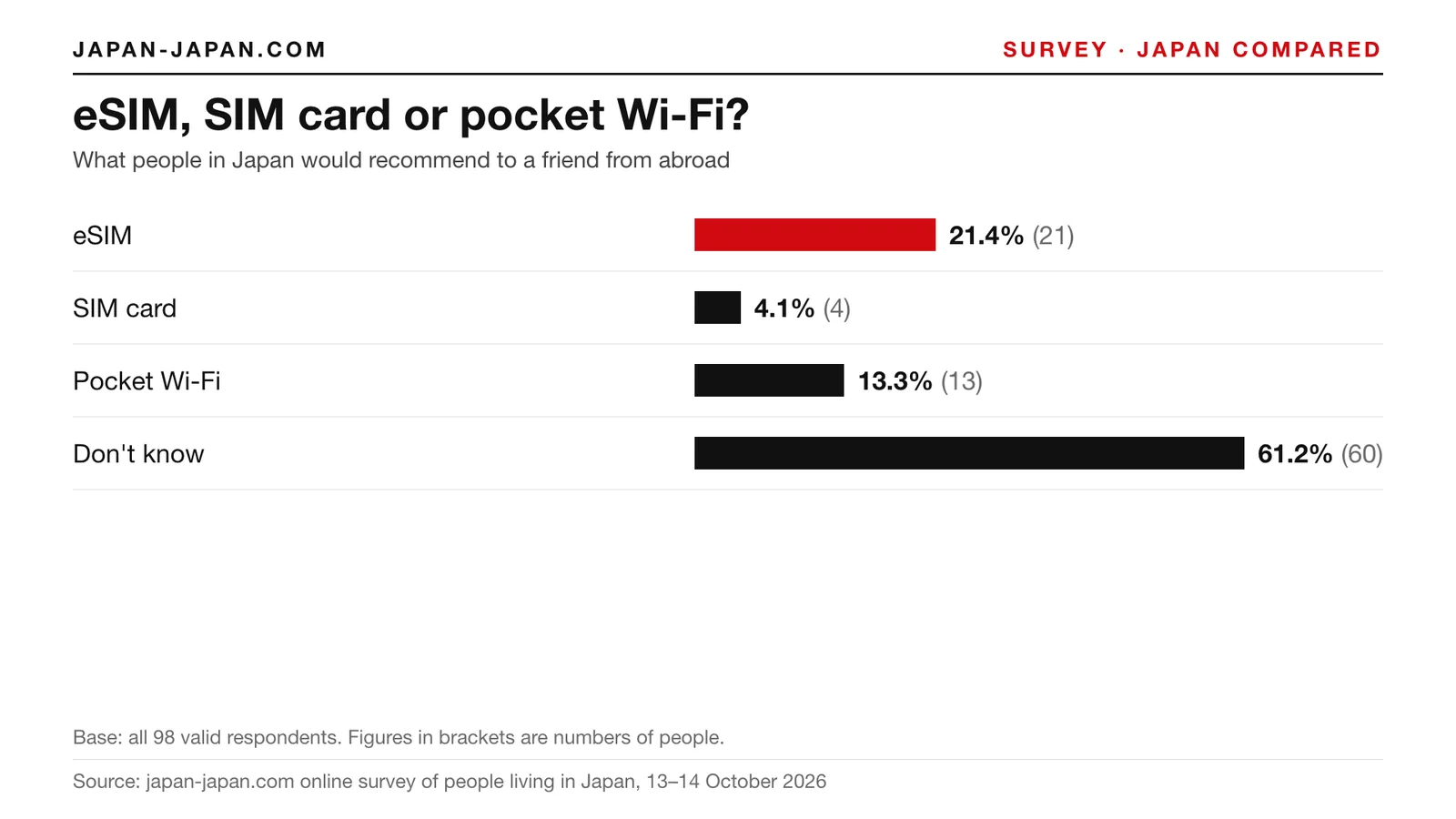
Many respondents could not answer this one. 44.9% of respondents have never been abroad, and 61.2% didn’t know what to recommend.
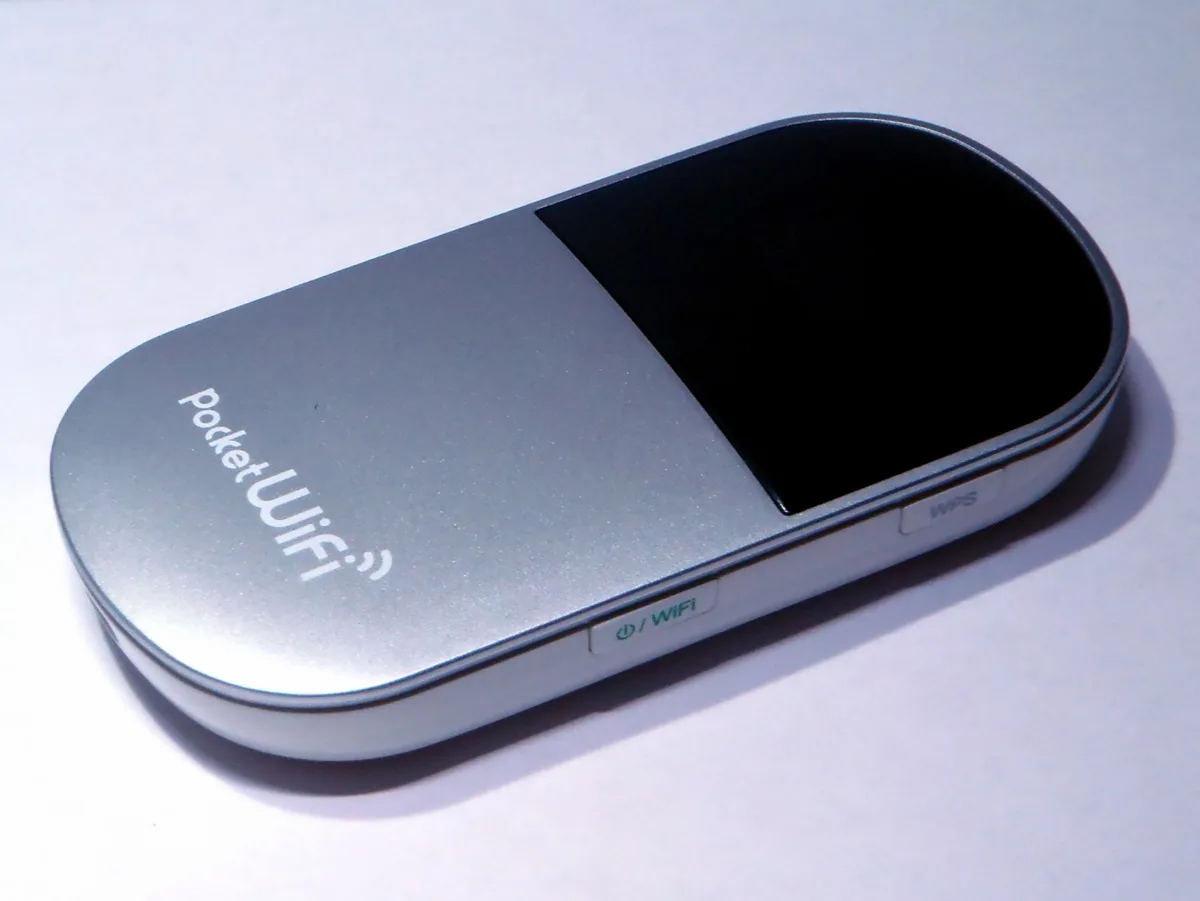
Of all 98, 21.4% would recommend an eSIM to a friend coming to Japan, 13.3% pocket Wi-Fi and 4.1% a SIM card. Abroad, 16.3% use an eSIM, 13.3% pocket Wi-Fi and 11.2% their carrier’s roaming.
What respondents wrote
Three free-text questions were required, so every one of the 98 respondents wrote something. Here are some of their answers, translated from Japanese by japan-japan.com. Age, gender and region are as respondents reported them.
“Better to avoid the non-reserved seats.”
— Man in his 60s, Kinki (Osaka and Kyoto area). Original Japanese (excerpt): 「自由席は避けたほうがいい。」
“There is plenty of legroom, so even though I’m tall, my legs and back didn’t ache by the time I arrived.”
— Man in his 50s, Tokyo. Original Japanese (excerpt): 「足元が広いので、身長が高い私でも足腰が痛くならずに目的地まで行くことができて良かったです。」
“Buying a JR Pass and not getting your money’s worth.”
— Woman in her 40s, Kanto (outside Tokyo). Original Japanese (excerpt): 「JRパスの買い損」
“Buying a pass or an unlimited-ride ticket just because, when it doesn’t fit your itinerary or how often you travel.”
— Woman in her 40s, Kanto (outside Tokyo). Original Japanese (excerpt): 「自分の旅程や移動の頻度に合っていないパスやフリー切符を、なんとなく購入してしまうこと」
“To us in Japan, Narita and Haneda are obviously two different places, but to people from abroad “Narita” and “Haneda” both end in the same character, 田 (“rice field”), so now and then someone mixes them up.”
— Woman in her 50s, Kanto (outside Tokyo). Original Japanese (excerpt): 「私たち日本人にとっては”別物”と瞬時に判断が可能だと思いますが、海外の方にとっては”NARITA””HANEDA”と語尾”田”なので、まれに混乱し間違える方もいらっしゃるようです。」
“I wish the Daishi Line also ran straight to Haneda Airport.”
— Man in his 50s, Kanto (outside Tokyo). Original Japanese (excerpt): 「大師線からも羽田空港に直結して欲しい」
“ANA: I trust it, and I have a good impression of its safety.”
— Man in his 50s, Kanto (outside Tokyo). Original Japanese (excerpt): 「ANA:信用度が高い、安全性に対する良いイメージ」
“JAL. I have a JAL card and I collect the miles.”
— Woman in her 30s, Tohoku. Original Japanese (excerpt): 「JAL。JALカードを持っていて、マイルをためているから。」
“My child used their PASMO for the first time in a while and it was locked. The station had no staff, and I had already gone through the gate, so we were stuck.”
— Woman in her 30s, Tokyo. Original Japanese (excerpt): 「子供が久しぶりにPASMOを使おうとしたらロックがかかっていたし、無人駅だし、私(親)は先に改札を通ってしまっていて困りました。」
“Not being able to top up on the spot (on my phone).”
— Man in his 20s, Tokyo. Original Japanese (excerpt): 「急にチャージができないこと。(携帯で)」
“Handy, but it can’t deal with unusual cases, for example when a line stops and you have to switch to another line instead.”
— Man in his 50s, Kinki (Osaka and Kyoto area). Original Japanese (excerpt): 「便利だけど、イレギュラーなケースには対応できない。例えば路線がストップして他線で振替輸送が必要なケースとか。」
“If in doubt, a hotel. Ryokan are their own thing.”
— Man in his 40s, Hokkaido. Original Japanese (excerpt): 「迷ったらホテル。旅館は独特」
“Kyoto. The sights near the stations are busy with visitors from abroad, so it may not feel like Japan, but go further in and there are quiet places where you can relax. Enjoy both the famous places and the others.”
— Woman in her 30s, Chubu. Original Japanese (excerpt): 「駅の近くの観光地だと外国の方で混んでるから、日本に来た感じしないかもだけど、奥の方まで行けば空いててのんびりできるところもあるから、有名なところとそうでないところ、両方楽しんでほしい。」
“”X minutes’ walk” can turn out to be up a steep hill or the long way round, and you only find out if you read the reviews closely.”
— Woman in her 20s, Kanto (outside Tokyo). Original Japanese (excerpt): 「徒歩○分が、実はすごい坂道だったり、遠回りだったり、レビューを詳しく見ないと分からないことがある点。」
FAQ
Do people in Japan recommend Tokyo or Kyoto?
Most pick Kyoto. 58.2% of the 98 respondents recommend Kyoto over Tokyo, and 49.0% would choose it for a first trip with one city. Plan the ride with our Tokyo to Kyoto route page.
Tokyo Skytree or Tokyo Tower: which do people in Japan pick?
To go up, Tokyo Skytree wins with 65.3% against 22.4% for Tokyo Tower. To look at from outside, the two are almost even, at 35.7% for Tokyo Tower and 34.7% for Skytree.
Is the Shinkansen Green Car worth it, according to riders?
Mostly yes. Among 33 respondents who have ridden in a Green Car, 24 of 33 (72.7%) said the surcharge is worth it or somewhat worth it. Only 2 of 33 said it is not. Compare prices in our Shinkansen Green Car vs ordinary comparison.
Haneda or Narita: which do people in Japan prefer?
Haneda, by a wide margin. 58.2% would fly abroad from Haneda and 6.1% from Narita at the same time and price. 45.9% would switch to Narita for a fare ¥5,000 cheaper or less. See Narita and Haneda to Tokyo for the trip into the city.
About the author



_and_Mount_Fuji.jpg)


.jpg)


