Hakone vs Kawaguchiko: Which Is Cheaper to Reach From Tokyo?
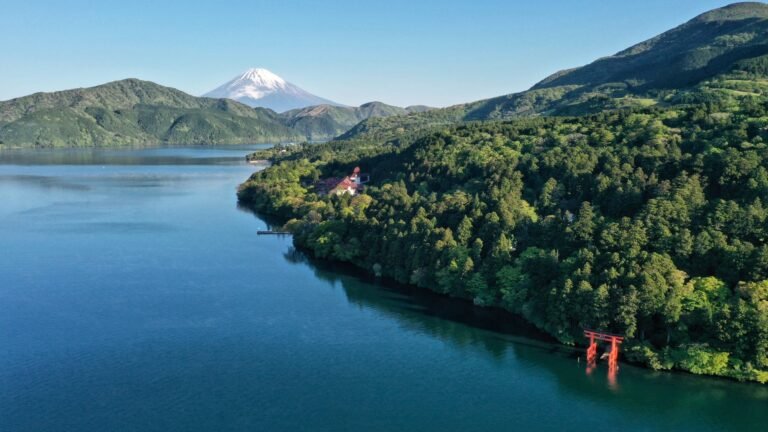
Every number below comes from an official source. Times and fares are from our Tokyo to Hakone route page and Tokyo to Mt Fuji route page. Rain comes from Japan Meteorological Agency normals, hotels from the Japan Tourism Agency, and Mt Fuji views from Fuji City’s daily log.
Hakone vs Kawaguchiko side by side
Hakone is a hot spring area in the hills of Kanagawa Prefecture, with Lake Ashi and its pirate ships. Kawaguchiko is the lake town at the northern foot of Mount Fuji, in Yamanashi Prefecture. The weather station there stands 860 m above sea level.
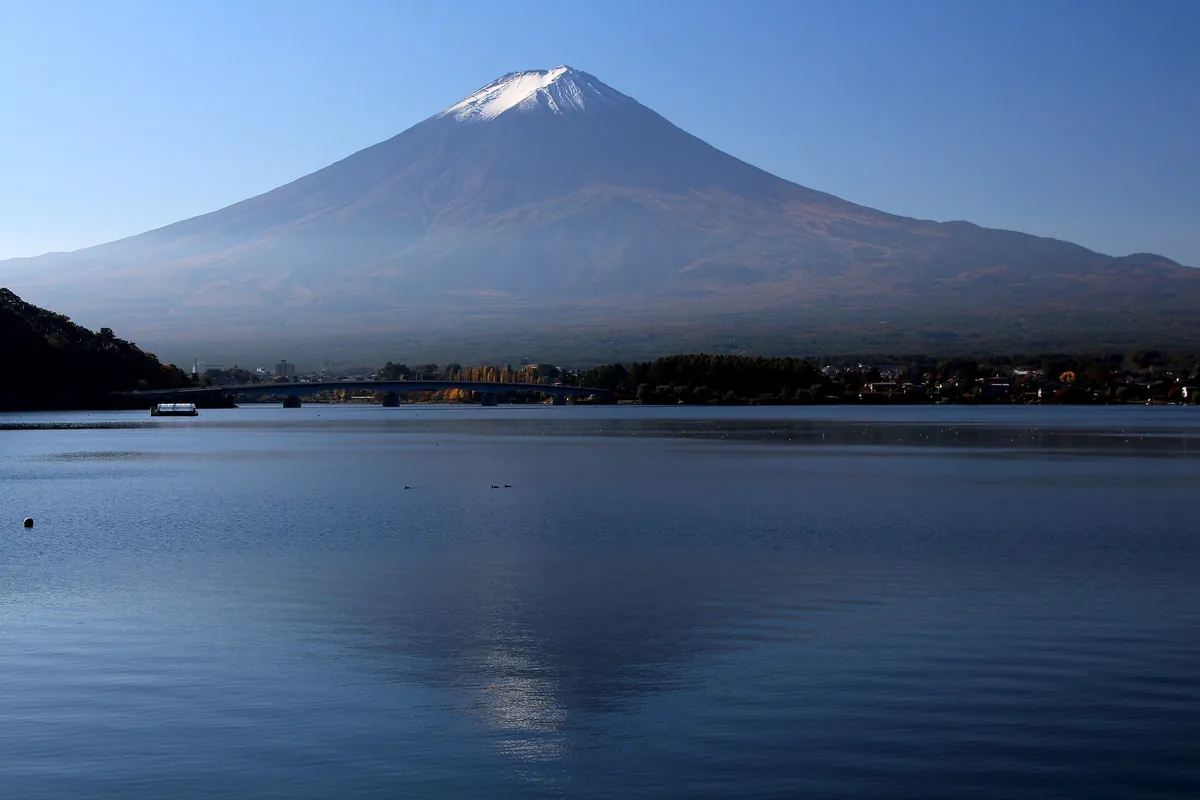
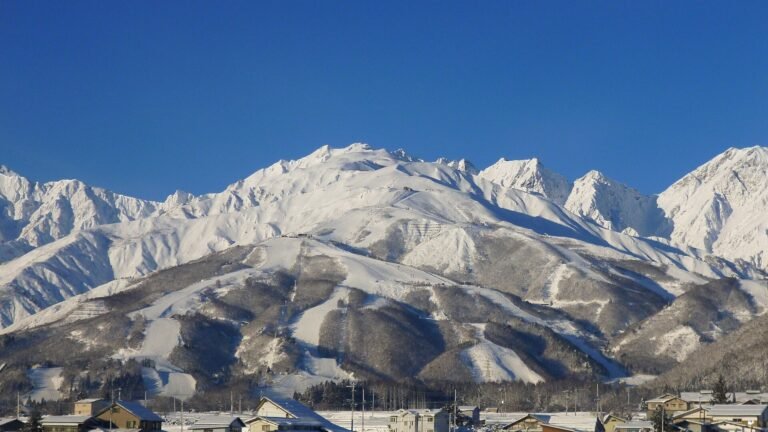
The photo above shows what draws people to Kawaguchiko: the mountain rises straight up behind the lake. The table below puts the two places in one view. Hotel figures are prefecture-wide averages for 2025, not figures for the towns alone.
| Hakone | Kawaguchiko | |
|---|---|---|
| Fastest limited express from Shinjuku | Romancecar: 1 h 24 min, 2,470 yen | Fuji Excursion: 1 h 54 min, 4,200 yen |
| Cheapest way from Shinjuku | Odakyu + Hakone Tozan: 1,270 yen | Highway bus: 2,200 yen |
| Direct bus from Haneda Airport | About 3 hr (to Togendai) | About 2 hr 20 min |
| From Kyoto (riding time) | 1 h 58 min, 12,870 yen | 3 h 10 min, 14,010 yen |
| Rain and snow a year (JMA, 1991-2020) | 3,561 mm | 1,586 mm |
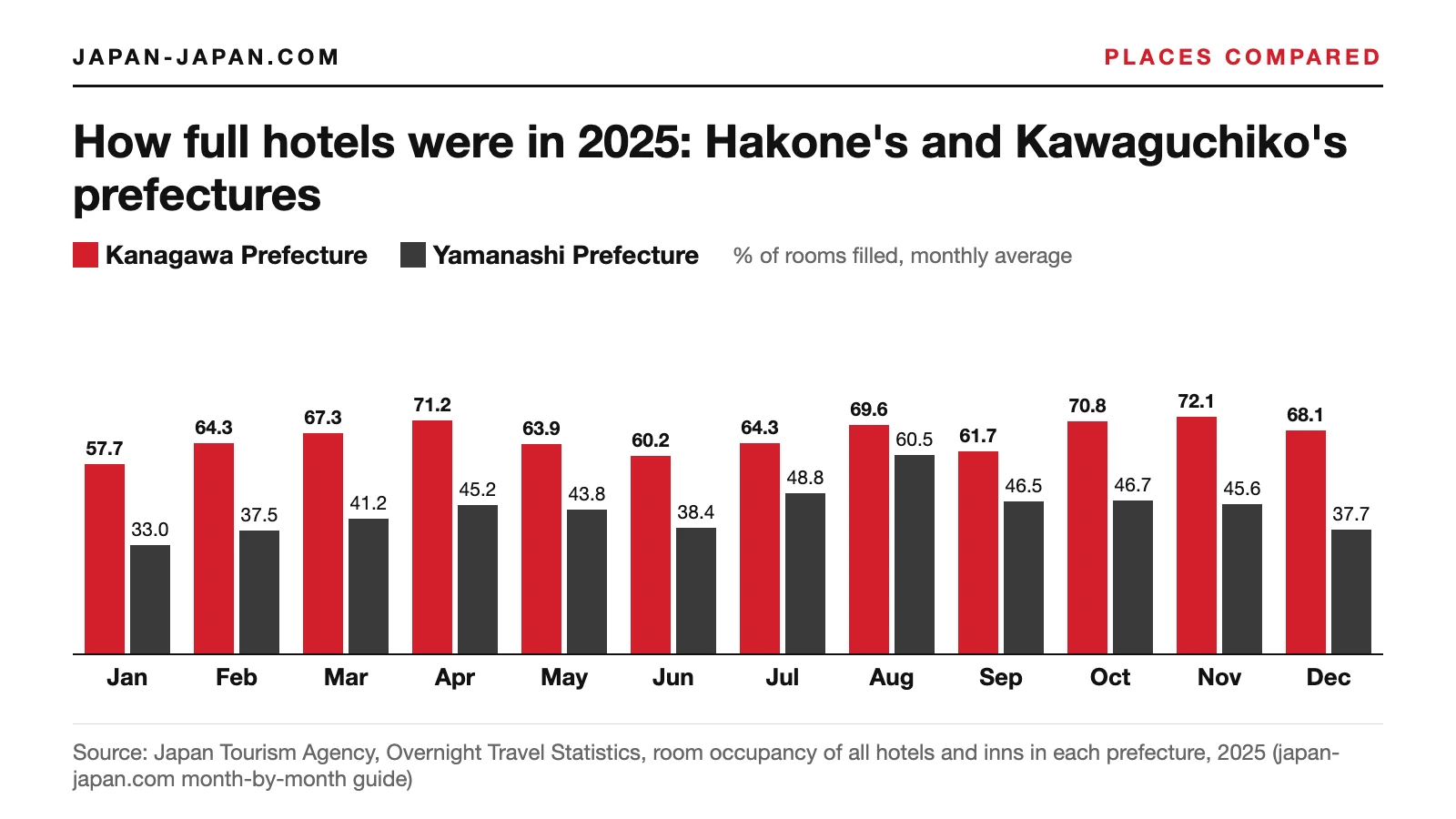
| Hotel occupancy 2025 (prefecture) | Kanagawa: 72.1% Nov, 57.7% Jan | Yamanashi: 60.5% Aug, 33.0% Jan |
| Pass for getting around | Hakone Freepass: 7,100 yen, 2 days from Shinjuku | Lake bus Free Coupon: 1,500 yen, 1 day |
| Tax per person per night | Bathing tax: 150 yen | Accommodation tax: 200 yen from 1 April 2027 |
Three rows decide most trips. Hakone wins on the train from Shinjuku, both fastest and cheapest. Kawaguchiko wins on the bus from Haneda and on dry weather. Hotels across Kanagawa Prefecture were fuller than those across Yamanashi Prefecture in all 12 months of 2025. That says more about the size of each prefecture than about either town, so treat it as a rough guide.
Each town also adds a small charge to a night’s stay. Hakone Town’s bathing tax is 150 yen per person per night, and 50 yen for day visitors, as the Hakone Town bathing tax page explains. Children under 12 are exempt. In Kawaguchiko, a new accommodation tax of 200 yen per person per night is planned from 1 April 2027.
Getting there from Tokyo, Haneda and Kyoto
From Shinjuku, both places have a direct limited express. The Odakyu Romancecar guide and FAQ says the ride to Hakone-Yumoto takes about 80 minutes. The fastest train on our route page does it in 1 h 24 min. The fare is 2,470 yen: the 1,270 yen basic fare plus a 1,200 yen limited express charge. All seats are reserved, and seats go on sale at 10 a.m. one month before the travel date.
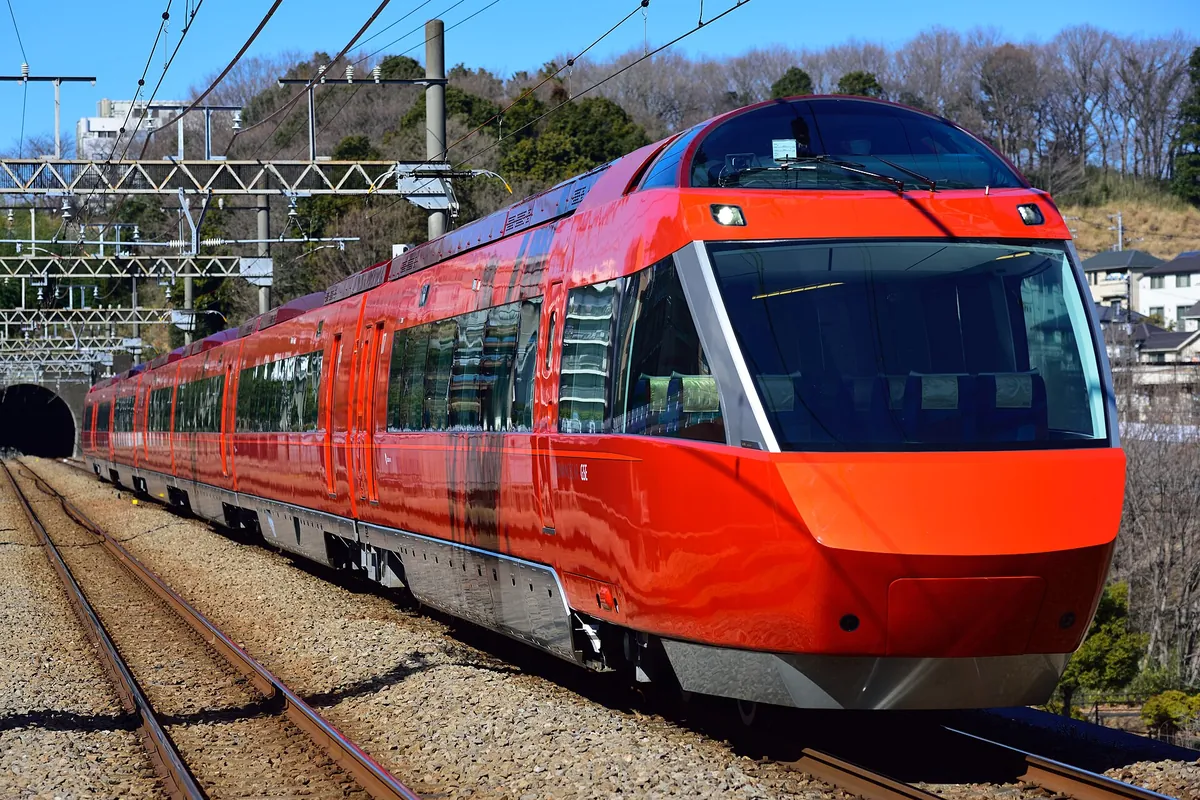
That red and white train is the 70000 series GSE, the Romancecar with panorama windows. It has 16 observation seats at the front and 16 at the rear. They cost nothing extra beyond the normal two tickets, so book early if you want one. The GSE also has space for large luggage. If you buy the limited express ticket online, it costs 1,150 yen instead of 1,200 yen.
The cheapest way to Hakone is the Odakyu Rapid Express to Odawara, then the Hakone Tozan Train to Hakone-Yumoto. It costs 1,270 yen and takes 1 h 40 min of riding time, plus the change. There are 63 Odakyu trains a day to Odawara, so you rarely wait long.
For Kawaguchiko, the Fujikyu Railway Fuji Excursion limited express page lists four round trips a day from Shinjuku, plus one more depending on the season. Its Japanese name is 富士回遊 (Fuji Kaiyu), and Fujikyu’s English page uses both names. The fare to Kawaguchiko is 4,200 yen: 2,580 yen basic fare and 1,620 yen limited express charge. Between Shinjuku and Otsuki, it runs coupled to a Kaiji or Azusa train.
Fuji Excursion 93 and 94 run on weekdays from 1 October to 30 November. Nos. 81 and 78 run on Saturdays and Sundays until 29 November. The train has no non-reserved cars, but you can buy a seat-unspecified ticket and take any empty seat.
The highway bus is the cheaper choice. Buses leave from the 4th-floor terminal of Busta Shinjuku, directly connected to the South Exit of Shinjuku Station. The fastest takes 1 h 35 min for 2,200 yen, or 2,000 yen when booked and paid online. On 14 October 2026 there were 55 buses a day, the first at 06:45 and the last at 22:25. Seats are reserved, and booking opens one month before travel.
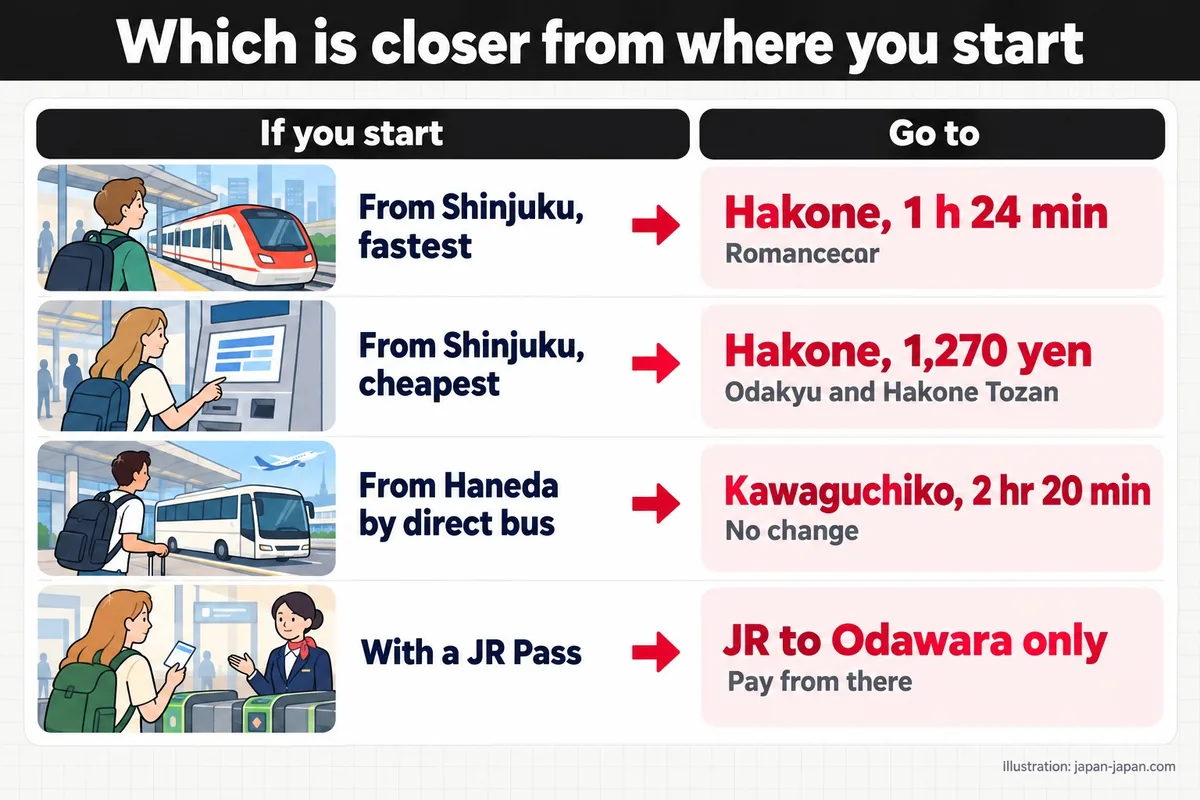
The chart above sums up the choice by starting point. From Haneda Airport, one highway bus runs to each area without a change. Our Haneda to Hakone bus page lists about 3 hr to Togendai on Lake Ashi, by way of Gotemba. The Haneda to Kawaguchiko bus page lists about 2 hr 20 min to Mt. Fuji Station and Kawaguchiko Station. Both leave from stop 7 at Terminal 3.
From Kyoto, take the Shinkansen. For Hakone, ride the Nozomi or Hikari to Odawara and change to the Hakone Tozan Train. It is 1 h 58 min of riding time for 12,870 yen, as our Kyoto to Hakone route page shows. For Kawaguchiko, ride the Hikari to Mishima and change to the Fujikyu highway bus. Our Kyoto to Mt Fuji route page lists 3 h 10 min of riding time for 14,010 yen. From Shin-Osaka the totals are 2 h 13 min and 13,420 yen to Hakone, and 3 h 29 min and 15,000 yen to Kawaguchiko. Add time for each change.
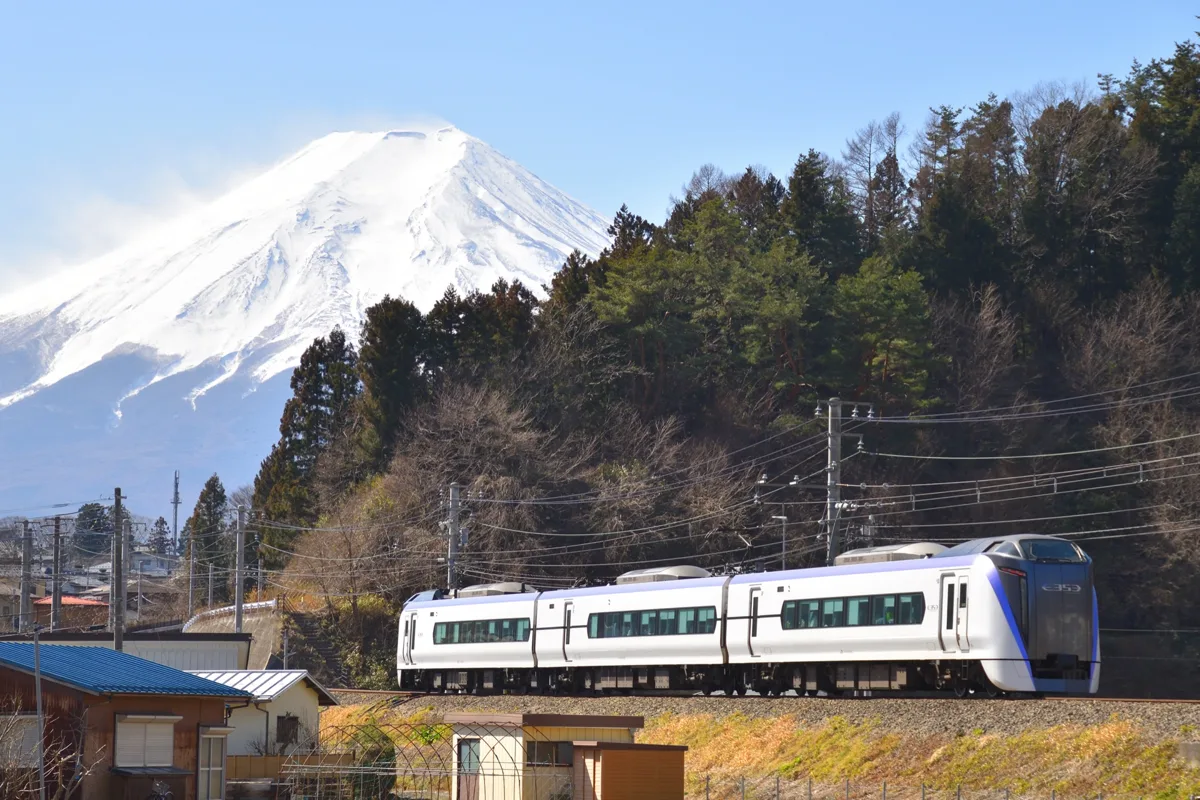
Seeing Mt Fuji: what the records say
Neither town is a guarantee of a view. The best long record comes from Fuji City in Shizuoka Prefecture. Since May 1990, city staff have checked the mountain three times a day, at 8:00, 12:00 and 16:00. They look from the 8th floor of the city hall, by fixed camera or by eye. The Fuji City Mt. Fuji visibility record logs each check as whole mountain visible, partly visible or not visible.
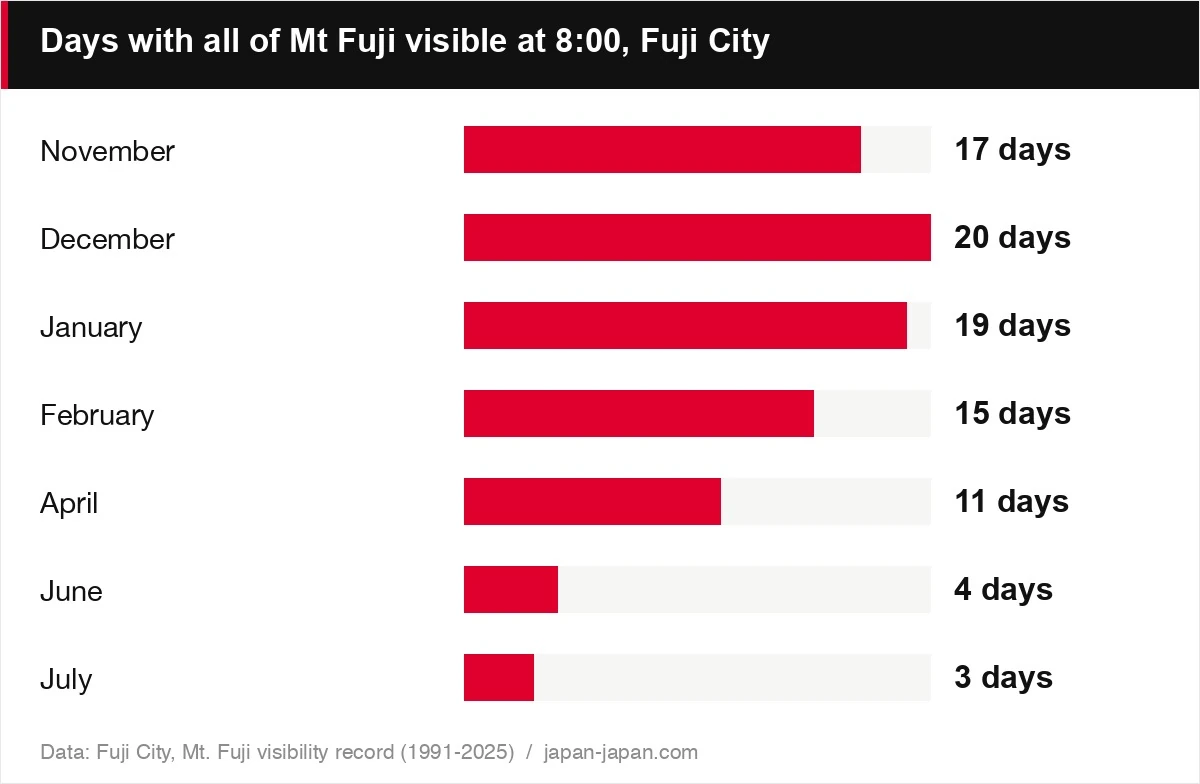
These are Fuji City’s numbers from its city hall, not counts from Hakone or Kawaguchiko. They still show the season clearly. In 2025, the whole mountain was visible at 8:00 on 136 days, or 37.3% of the year. Over 35 years from 1991 to 2025, the average was about 138 days a year.
| Item | Value |
|---|---|
| November | 17 days |
| December | 20 days |
| January | 19 days |
| February | 15 days |
| April | 11 days |
| June | 4 days |
| July | 3 days |
The chart shows the swing by month. On the 35-year average, the whole mountain was visible on 20 days in December, 19 in January and 17 in November. In June it was 4 days, in July 3 and in August 5. Fuji City’s report says March to May are also low because of spring haze, and September because of typhoons.
Two more findings help you plan the day. From May to September, the mountain is often hidden by cloud even when the plain below is sunny. And the share of clear views is highest at 8:00 and falls through the afternoon. So the best bet is a winter morning, wherever you stay.
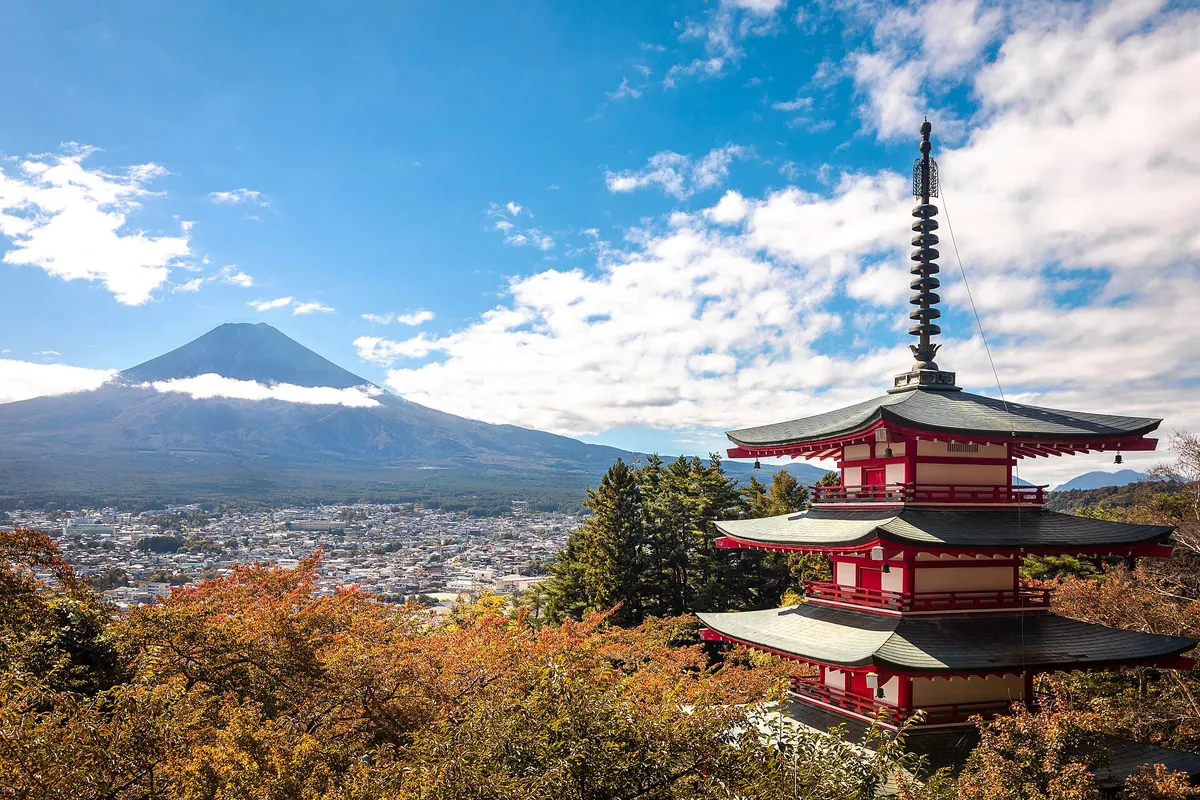
The Chureito Pagoda at Arakurayama Sengen Park is the classic Kawaguchiko-area view, with the mountain behind it. Tour coaches cannot reach the park car parks on the narrow roads. Buses drop and pick up in front of Shimoyoshida Station. Fujiyoshida City began charging for the park car parks on 1 April 2025, citing traffic jams and littering. In autumn, the maples around Lake Kawaguchi add a second reason to go; see our guide to the Lake Kawaguchi maple corridor.
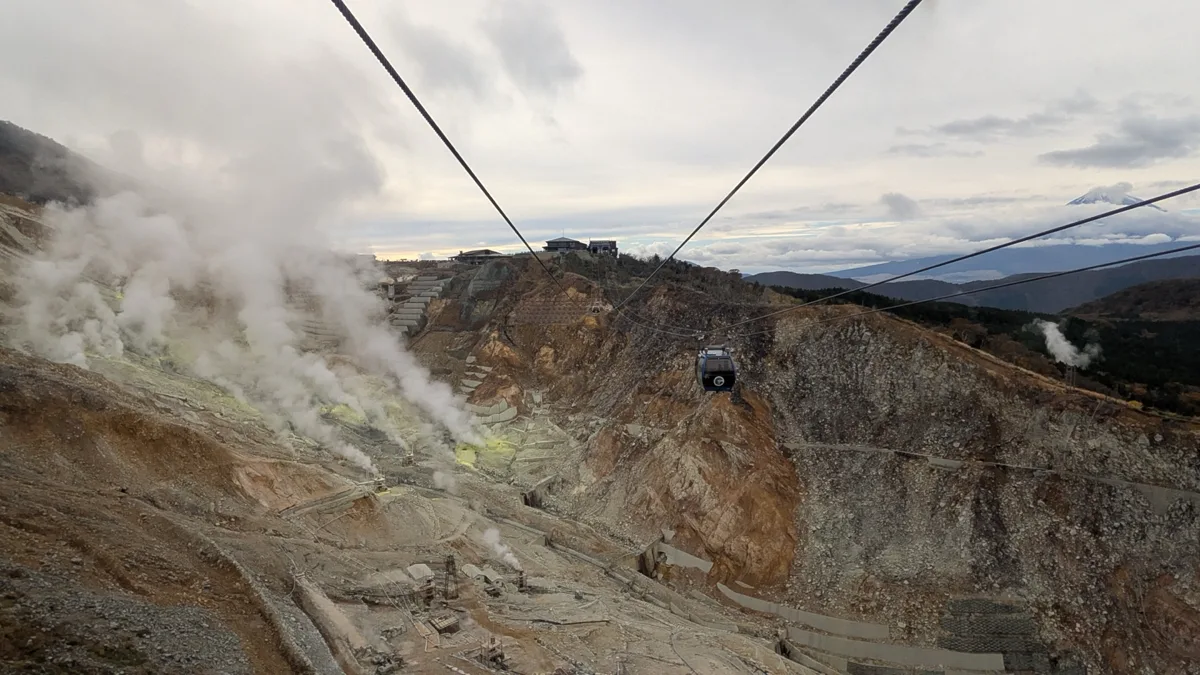
In Hakone, Mt Fuji appears across the hills rather than over the water. Hakone Navi says you can see it from Owakudani and from the ropeway gondolas on clear days.
Rain and hotels month by month
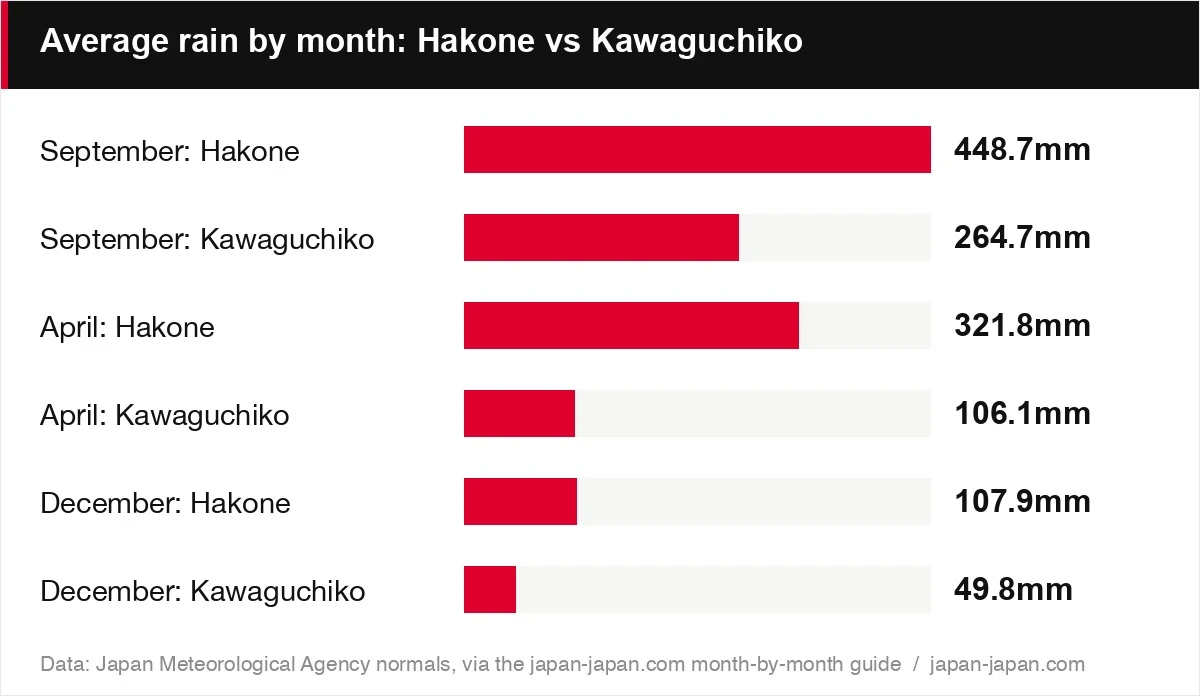
Hakone is wetter than Kawaguchiko in every month. On the JMA normals for 1991 to 2020, Hakone gets 3,561 mm of rain and snow a year and Kawaguchiko 1,586 mm. Both are wettest in September, with 448.7 mm in Hakone and 264.7 mm in Kawaguchiko. Both are driest in December, with 107.9 mm and 49.8 mm.
| Item | Value |
|---|---|
| September: Hakone | 448.7 mm |
| September: Kawaguchiko | 264.7 mm |
| April: Hakone | 321.8 mm |
| April: Kawaguchiko | 106.1 mm |
| December: Hakone | 107.9 mm |
| December: Kawaguchiko | 49.8 mm |
The bars show the gap is widest in spring and early summer. In April, Hakone averages 321.8 mm and Kawaguchiko 106.1 mm. In June, Hakone averages 420.4 mm on 16.2 wet days, against 157.1 mm on 11.5 days at the lake. Our Hakone rain by month page and Mount Fuji weather by month page have all 12 months.
Kawaguchiko is also cold in winter. The average high there runs from 5.5°C in January to 28.1°C in August. December is its driest month, with a high of 8.5°C and a low of −2.9°C. Our Mount Fuji in December guide covers what to wear. For Hakone, the Hakone in November guide covers the Sengokuhara pampas grass and the Daimyo Procession on 3 November.
For hotels, the Japan Tourism Agency publishes room occupancy by prefecture, not by town. These figures cover all hotels and inns in Kanagawa Prefecture and Yamanashi Prefecture in 2025. Kanagawa was fullest in November at 72.1% and emptiest in January at 57.7%. Yamanashi was fullest in August at 60.5% and emptiest in January at 33.0%. Kanagawa was fuller in all 12 months.
January is the low point for hotels in both prefectures, and December and January are also dry, clear months at Kawaguchiko. Book early for November in Hakone, the busiest month for Kanagawa hotels.
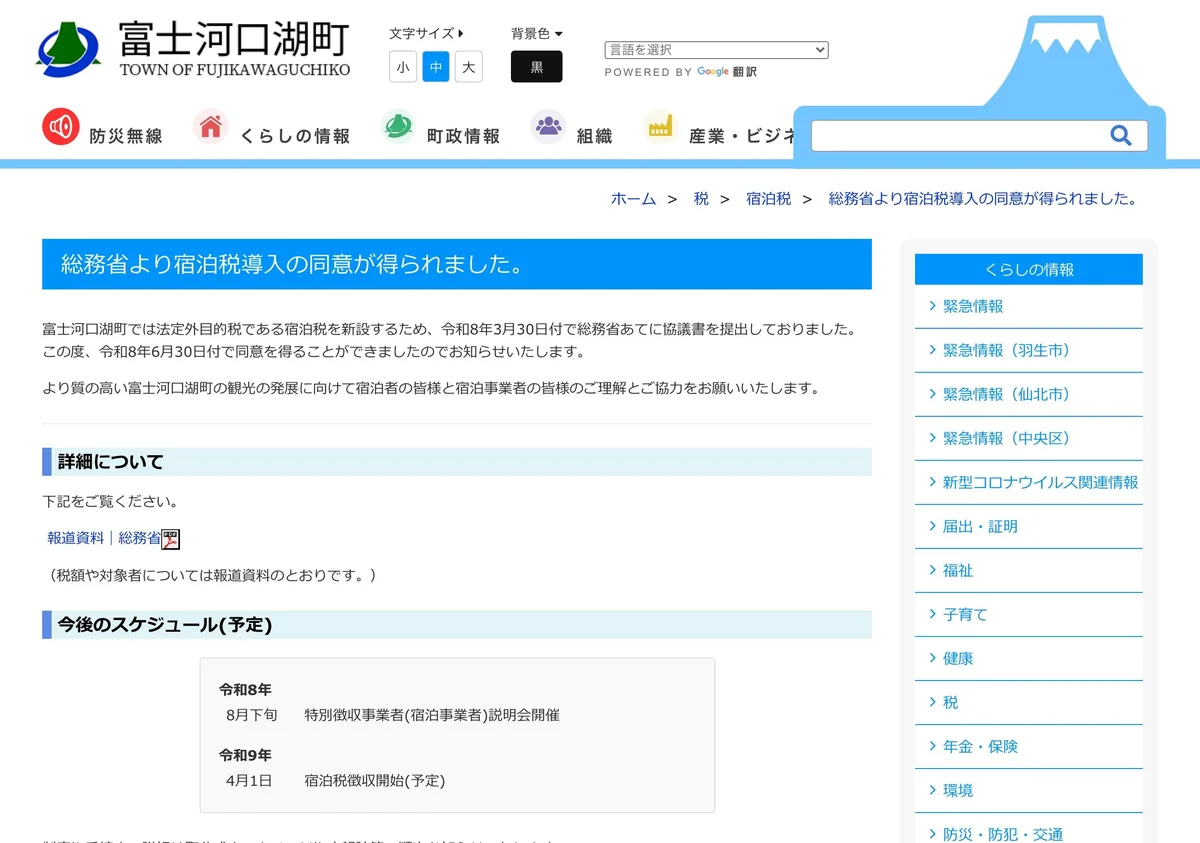
This is the Fujikawaguchiko Town notice on its new accommodation tax. It says the Minister for Internal Affairs agreed to the tax on 30 June 2026. Collection is planned from 1 April 2027. The Ministry of Internal Affairs accommodation tax release sets the rate at 200 yen per person per night. School trip groups are exempt. Our guide to accommodation tax in Japan explains how these taxes work.
Getting around: Hakone loop vs lake buses
Hakone is built for a loop. You ride a mountain train, a cable car, a ropeway and a boat in one day, and each leg has its own view. Kawaguchiko works differently: sightseeing buses run from Kawaguchiko Station to the lakes and caves.

The four steps above are the classic order. The Hakone Navi Hakone Tozan Train page says the train runs 8.9 km from Hakone-Yumoto to Gora in about 40 minutes. It opened in 1919 and climbs an 80‰ grade. It reverses at three switchbacks, where the driver and conductor swap ends. At Gora you change to the cable car for Sounzan.
From Sounzan, the Hakone Ropeway crosses the hills to Togendai on Lake Ashi. It has four stations: Sounzan, Owakudani, Ubako and Togendai. At Owakudani you change gondolas. Each section takes about 10 minutes, and the 18-person gondolas leave about every minute. Between Sounzan and Owakudani the line crosses a valley about 130 m above the ground.
| Place | Hakone Ropeway |
|---|---|
| Price | One-way and return tickets from 2,000 yen (adults) and 700 yen (children); included in the Hakone Freepass |
| Hours | February to November 9:00-17:00; December and January 9:00-16:15; may stop in strong wind, lightning or high volcanic gas |
| Access | Board at Sounzan Station from the Hakone Tozan Cable Car, or at Togendai Station from the pirate ships and buses |
| Official site | Hakone Navi Hakone Ropeway page |
The ropeway runs 9:00 to 17:00 from February to November, and 9:00 to 16:15 in December and January. It can stop for strong wind, lightning, an approaching typhoon or high volcanic gas, as the Hakone Navi Hakone Ropeway page warns.
Owakudani is the steaming valley at the top. The Kanagawa Prefecture Owakudani visitor information says the area gives off hydrogen sulphide and sulphur dioxide, and staff monitor the gas 24 hours a day. People with asthma, bronchial or respiratory disease, or a heart pacemaker are asked not to visit, because the gas can be life-threatening for them.
The nature trail of about 700 m is open only on a guided walk. Each walk takes about 40 minutes, with four a day and 30 people each. You book online in advance and pay 800 yen on the day, cashless only. Walks are cancelled in rain, strong wind or fog.
| Place | Owakudani nature trail guided walk |
|---|---|
| Price | 800 yen per person, paid on the day, cashless only (card or transit IC card); book online in advance |
| Hours | About 40 minutes, four walks a day, 30 people each; cancelled in rain, strong wind, fog or high gas levels |
| Access | Hakone Ropeway to Owakudani Station from Sounzan or Togendai |
| Official site | Kanagawa Prefecture Owakudani visitor information |
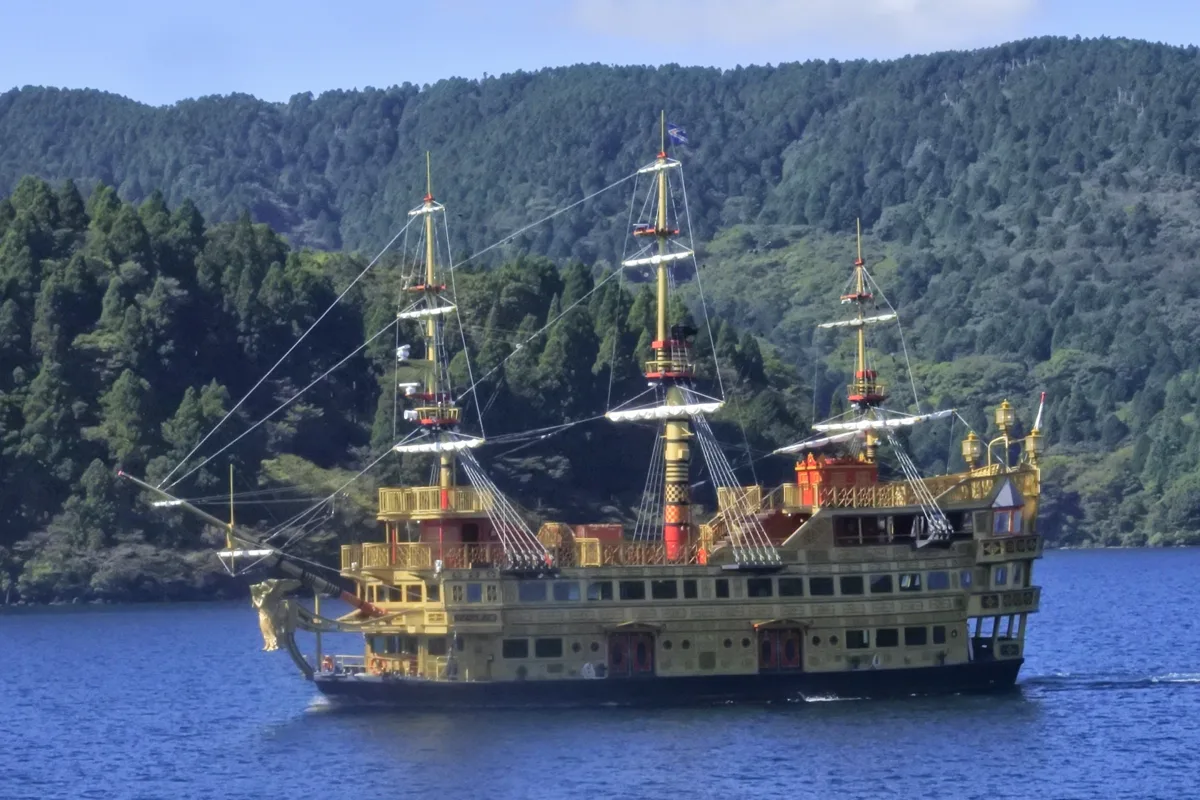
From Togendai, the pirate ships sail to Hakone-machi and Moto-Hakone in about 25 to 40 minutes. Three ships run: Queen Ashinoko, Royal II and Victory.
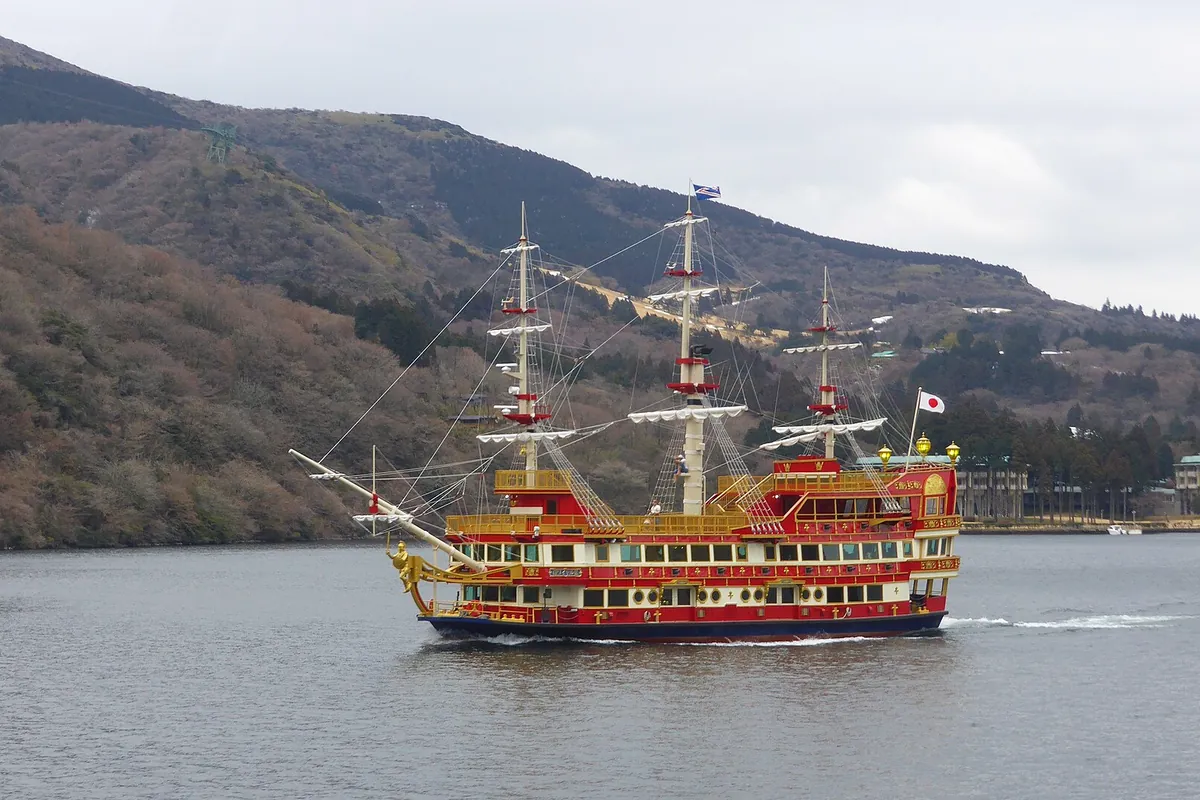
That is one of the Hakone Sightseeing Cruise ships on Lake Ashi, the last leg of the loop. The Hakone Navi Hakone Freepass page lists eight kinds of transport the pass covers, from the mountain train to the cruise. Since 1 October 2025 it costs 7,100 yen for 2 days from Shinjuku, or 6,000 yen from Odawara. Our Hakone Freepass page has the full price list.
The pass includes one round trip on the Odakyu Line, but the Romancecar needs a separate limited express ticket. A 2-day pass ends after the last service on the next day, so 2 days does not mean 48 hours. Showing the pass gives discounts at about 70 facilities in Hakone.
At Kawaguchiko, the Fujikyu Bus Kawaguchiko sightseeing loop buses page lists three lines from Kawaguchiko Station. The Red Line circles the north shore of Lake Kawaguchi. The Green Line goes to Saiko, Aokigahara Forest and the Narusawa Ice Cave. The Blue Line runs on to Shoji, Lake Motosu and the Fuji Shibazakura Festival venue.
A single ride costs from 180 yen, by zone. The Free Coupon gives unlimited rides for 1,500 yen for 1 day or 2,000 yen for 2 days. You can buy the 1-day coupon on the bus, and Suica and PASMO work on these buses too. No reservation is needed, because they are regular local buses.
If you plan to see both areas, look at the Fuji Hakone Pass. It costs 11,100 yen for 3 days and covers transport in Hakone, the Fujikyu Railway between Otsuki and Kawaguchiko, and Fujikyu buses around the lakes. Only foreign visitors can buy it.
Which should you choose, Hakone or Kawaguchiko?
Decide by where you start, when you travel and what you want to see. The chart below asks two questions and gives a short answer.
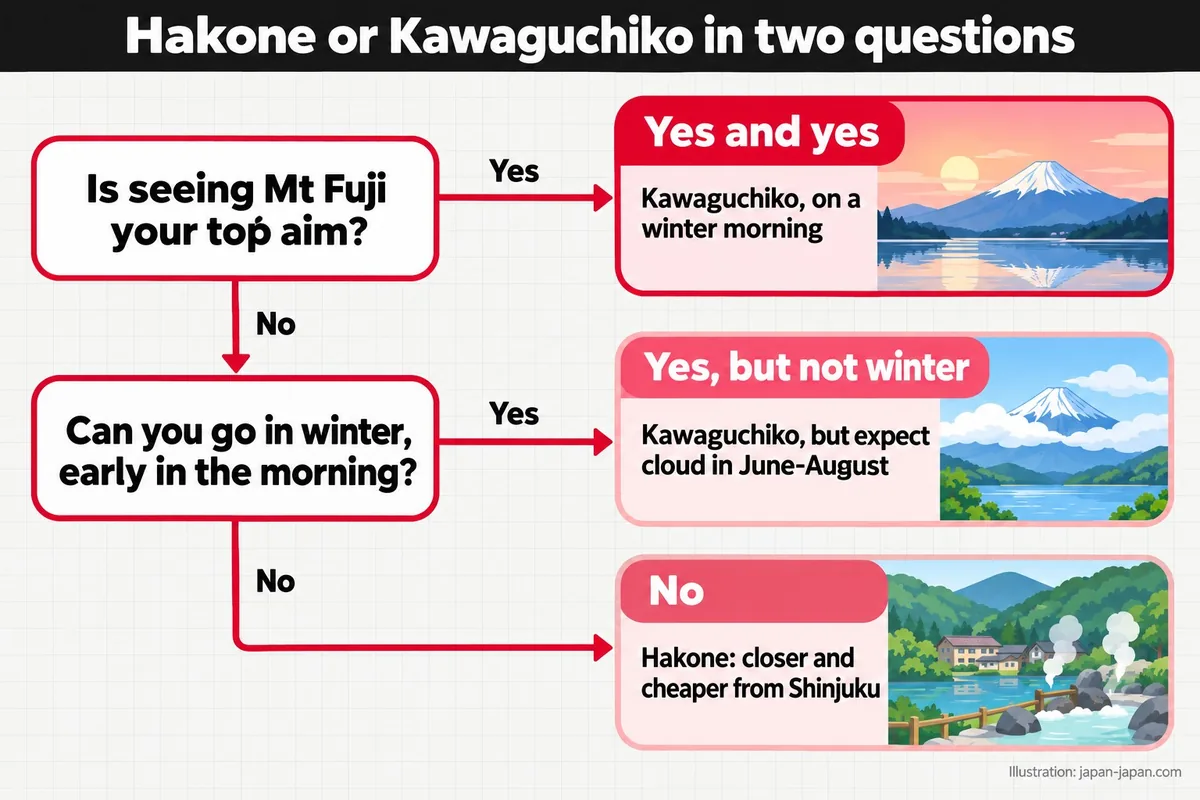
As the chart shows, Mt Fuji is the deciding question. Pick Hakone when you start in Shinjuku and want the shortest, cheapest ride: 1 h 24 min by Romancecar, or 1,270 yen by slower trains. Hakone also suits a JR Pass holder, because JR trains get you as far as Odawara. And pick Hakone if you want a day of trains, ropeways and boats on one Hakone Freepass.
Pick Kawaguchiko when Mt Fuji is the main goal, especially from November to February. Take an early start, since the record favours morning views. Pick it too when you land at Haneda and want a direct bus, or when you would rather avoid rain. In June to August, Fuji City’s record shows only 3 to 5 days a month with the whole mountain visible, so have a plan B.
If you want both, the Fuji Hakone Pass covers 3 days in the two areas. Send your suitcase ahead with luggage forwarding in Japan so you can ride the trains and boats with a day bag. If you plan to bathe in a hot spring, read about onsen and tattoos first. For a night in a traditional inn, our ryokan guide explains how a stay works.
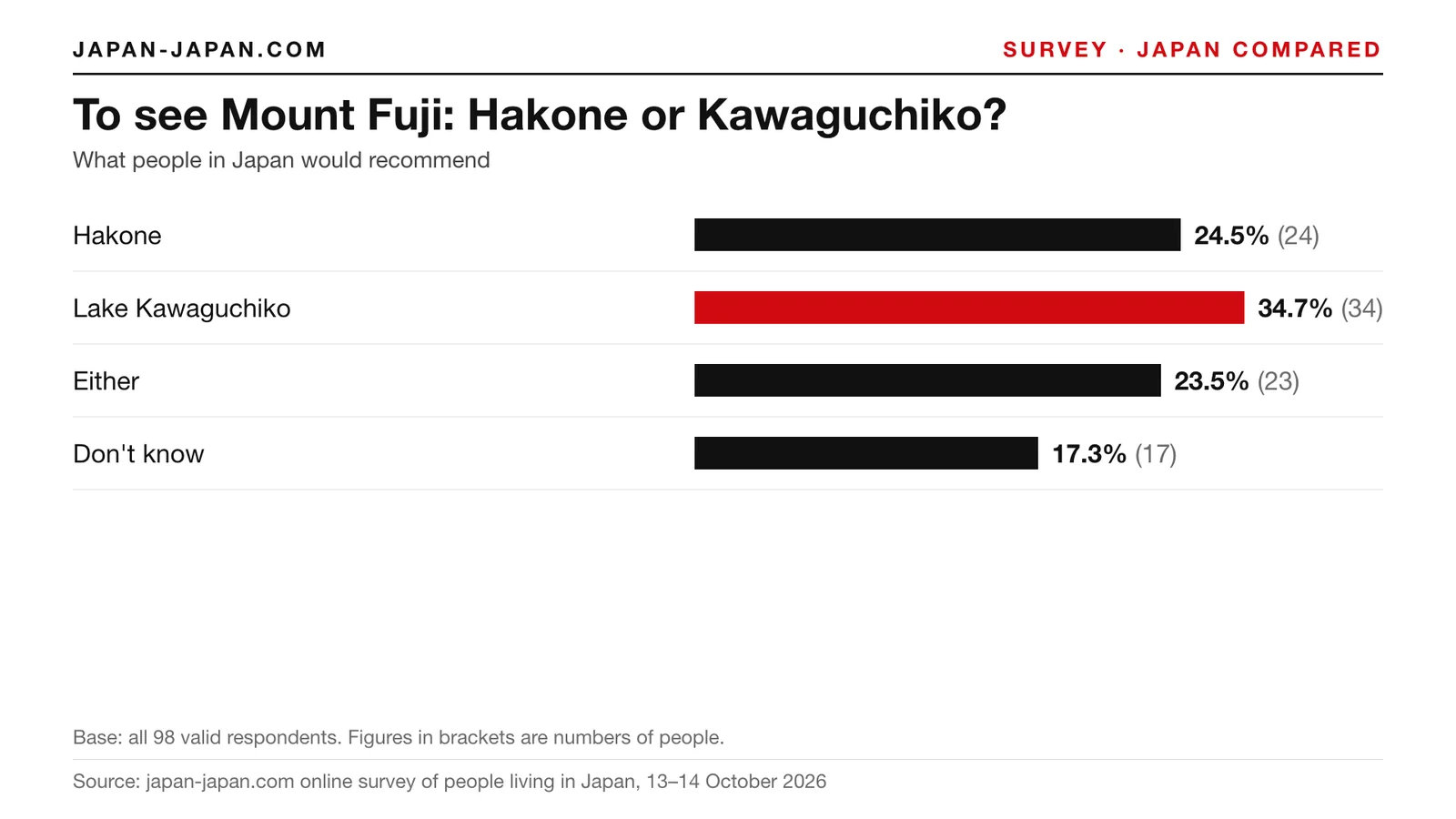
Hakone or Kawaguchiko: what 98 people in Japan would tell a friend
On 13–14 October 2026, japan-japan.com ran an online survey of people living in Japan about 32 travel choices. 130 people answered. We removed answers that looked machine-written, one from outside Japan and most of those that contradicted themselves, which left 98. Shares below are of the 98 respondents unless a smaller group is named; they describe these people, not all travellers in Japan. See all 32 comparisons and how we asked.
For a friend going from Tokyo to see Mount Fuji, 34.7% (34 people) would recommend Lake Kawaguchiko and 24.5% (24 people) Hakone; 23.5% (23 people) said either. 62.2% (61 people) have been to Hakone and 45.9% (45 people) to Lake Kawaguchiko.
For one day trip from Tokyo, though, Hakone (17.3%) came ahead of Lake Kawaguchiko (9.2%). The places named most were Kamakura (27.6%), Yokohama (25.5%) and Hakone (17.3%).

FAQ
Is Hakone or Kawaguchiko closer to Tokyo?
Hakone is closer from Shinjuku. The Romancecar takes 1 h 24 min to Hakone-Yumoto, against 1 h 54 min on the Fuji Excursion to Kawaguchiko. From Haneda Airport the order flips: the direct bus to Kawaguchiko takes about 2 hr 20 min, and the bus to Hakone about 3 hr.
Where can you see Mt Fuji better, Hakone or Kawaguchiko?
Kawaguchiko sits at the northern foot of the mountain, so it fills the view across the lake. In Hakone you see it from Owakudani and the ropeway on clear days. The season matters more than the town: Fuji City’s record shows the whole mountain on 20 days in December but only 3 in July.
Can you visit Hakone and Kawaguchiko on one trip?
Yes. The Fuji Hakone Pass costs 11,100 yen for 3 days and covers transport in Hakone and around the Fuji lakes. It includes a round trip on the Odakyu Line between Shinjuku and Odawara. You buy it only at the Odakyu Sightseeing Service Centers at Shinjuku West or Odawara.
Does the JR Pass cover Hakone or Kawaguchiko?
For Hakone, the Hakone Tourist Association JR Pass page says it gets you to Odawara, about 30 minutes from Tokyo by Shinkansen. From there you pay for the 15-minute train or bus into Hakone. For Kawaguchiko, the Fujikyu Railway from Otsuki charges its own fare: 1,170 yen to Kawaguchiko. Our guide to whether the JR Pass is worth it helps you work out the sums.
About the author


.jpg)


