








Food
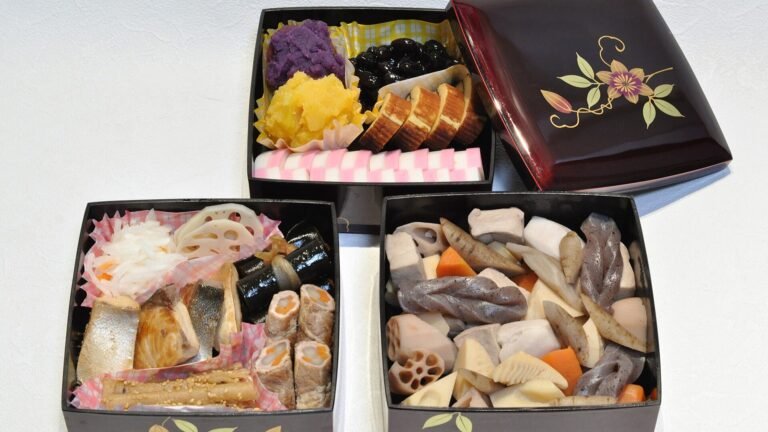
Osechi 2027: Boxes From 6,480 Yen, Order by 22 December
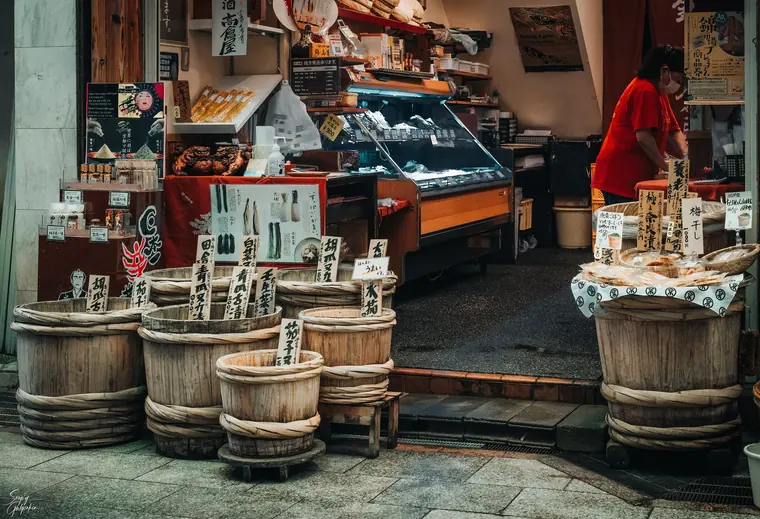
Osechi is Japan's boxed New Year meal, eaten 1 to 3 January. 2027 department store boxes start at 6,480 yen, and Daimaru closes orders on 22 December.
13 min read ·
Check visa requirements, baggage rules and airport transport, with a link to the official source for every answer.
Rules, prices and travel times are copied from the official page that publishes them, and each answer links back to that page.
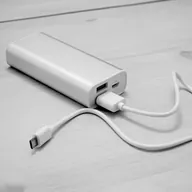
Yes, with limits. Each power bank 160Wh or less, kept at your seat and not in the overhead bin.
1 of 23 in Batteries & electronics
Yes. Powders are not liquids under Japan's liquids list, which leaves out dried spices such as pepper and curry powder and soup stock in cubes or powder.
1 of 19 in Food & drink
Depends on the strength. Up to 24% alcohol: no limit.
1 of 19 in Food & drink
Tablets, capsules and other solid medicine: yes. Japan's liquids list does not cover them, except gel capsules, which it lists with liquid medicines, and Narita Airport's answer for everyday medicines, solid or liquid, is to carry on the amount you need during the flight.
1 of 17 in Medicine & health
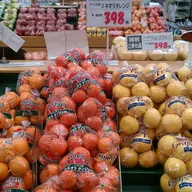
It is prohibited to bring most fresh fruit into Japan. Mangoes, longans, guavas, lychees, citrus fruits, pears and apples are named.
1 of 17 in Meat, fruit & plants
No. Knives go in checked baggage.
1 of 16 in Blades & tools
Jerky, dried meat and meat floss are named among the meat products that cannot be brought into Japan.
1 of 17 in Meat, fruit & plants
Domestic flights inside Japan: yes, any size. International flights: only in containers of 100ml or less inside your 1 litre liquids bag, so an ordinary 500ml bottle does not pass.
1 of 19 in Food & drink
Products that use any meat at all cannot be brought in, even when meat is not the main ingredient.
1 of 17 in Meat, fruit & plants
One per person, carried on your body, not in a bag. It counts as the same single item as a box of safety matches: one lighter or one box, not both.
1 of 3 in Lighters & smoking
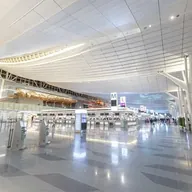
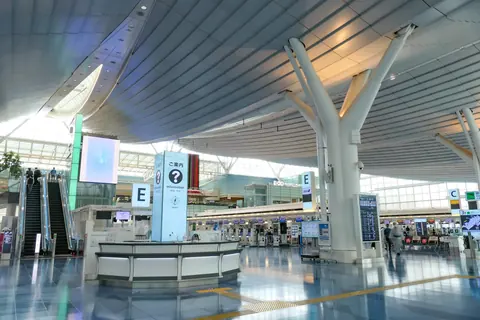
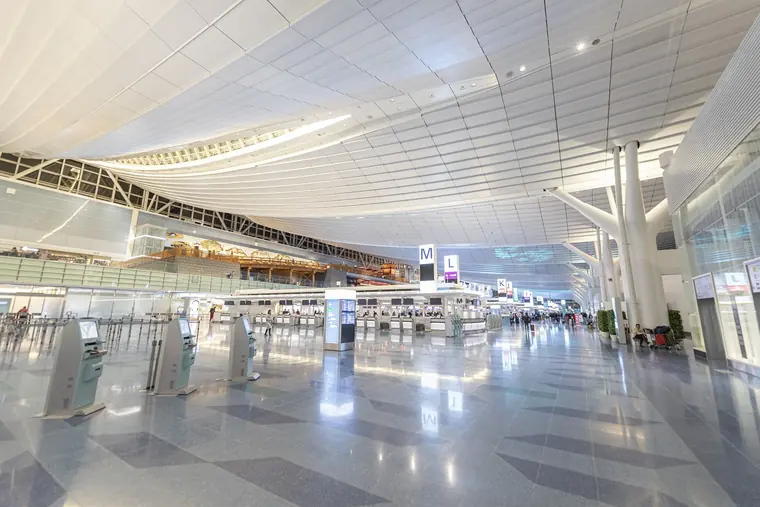
Japan's busiest airport and the one closest to central Tokyo. Terminal 3 handles international flights; Terminals 1 and 2 are mostly domestic, with some international flights from Terminal 2.
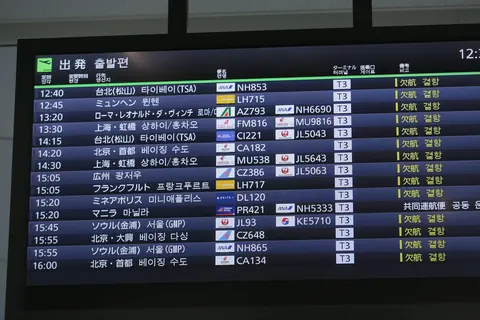
Where to look when a flight in Japan is delayed or cancelled: the airline, the airport's own board for all 32 airports, and the Japan Meteorological Agency when a typhoon is involved.
On 1 November 2026. Purchases from that day are paid with tax and refunded after a customs check.
From Tax-free shopping: What changes on 1 November 2026Yes, in carry-on only. A power bank can never go in checked baggage. Since 24 April 2026 Japan allows 2 power banks per person, each 160Wh or less. They must not be recharged on board or used to charge another device, and they stay out of the overhead bins.
From What you can bring: Power banks (portable chargers)It depends on what is in it. Most meat and meat products cannot be brought in, even cooked, vacuum packed or bought at an airport shop, and most fresh fruit and vegetables are prohibited too. Bringing them in illegally can mean up to 3 years in prison or a fine of up to 3 million yen. Highly processed plant products such as tea are outside plant quarantine.
From What you can bring: Meat and fruit3 bottles per adult duty free, where a bottle counts as about 760cc. Persons under 20 get no allowance. On the plane itself, Japan's list sets no limit up to 24% alcohol, allows 5 litres per person for drinks over 24% and up to 70%, and bans anything over 70%.
From What you can bring: Duty-free allowance: alcoholMost medicines, yes: up to a 1 month supply of prescription drugs and a 2 month supply of other drugs without paperwork. Above that you need Import Confirmation before you travel. Medicines containing amphetamine, such as Adderall, cannot be brought in even with a prescription, and narcotics and stimulants' raw materials need permission obtained before entry.
From What you can bring: How much medicine you can bringAt the quarantine counters, before the customs examination. The Animal Quarantine Service counter is in the baggage claim area, and plants go to the Plant Quarantine Counter after immigration. Plants without a phytosanitary certificate are disposed of. The penalties, up to 3 years in prison or up to 3 million yen, are for bringing items in illegally.
From Airport guides: After you landAlmost always the local train or the ordinary route bus rather than the express. At Haneda the Keikyu Airport Line to Shinagawa is 330 yen; at Matsuyama the route bus into town is 530 yen against 1,000 yen for the limousine bus.
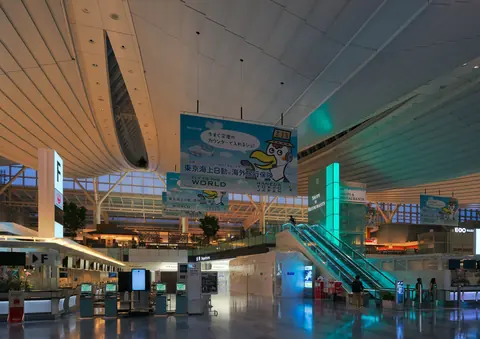
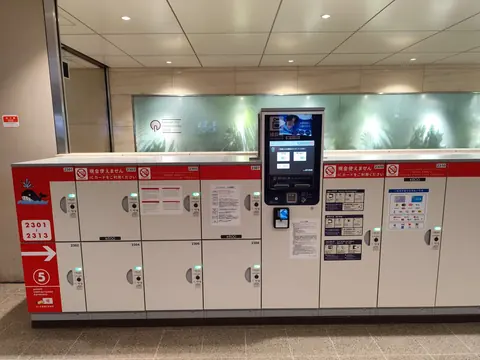
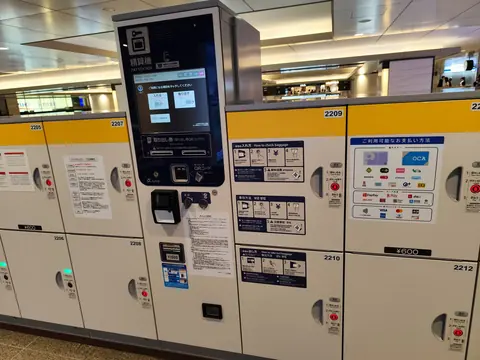
From Airport transfersBetween 200 and 500 yen a day for a small one and up to 2,000 yen for the largest, at Haneda Terminal 3. Check how the day is counted — at Narita it ends at midnight rather than 24 hours after you start.
From Airport guides: LockersAt the rental counters in the arrivals hall at the larger airports: Narita, Haneda, Kansai, Chubu, New Chitose, Fukuoka and Naha all have them. Smaller airports may have only a vending machine, so buy an eSIM before you fly if you are landing at one of those.
From Airport guides: SIM and Wi-FiWhat to eat in Japan, and which foods you can bring
Osechi is Japan's boxed New Year meal, eaten 1 to 3 January. 2027 department store boxes start at 6,480 yen, and Daimaru closes orders on 22 December.
13 min read ·Founder and editor of Japan Japan !!, a practical guide for visitors to Japan built from official sources. Web marketer and generative AI consultant based in Japan.