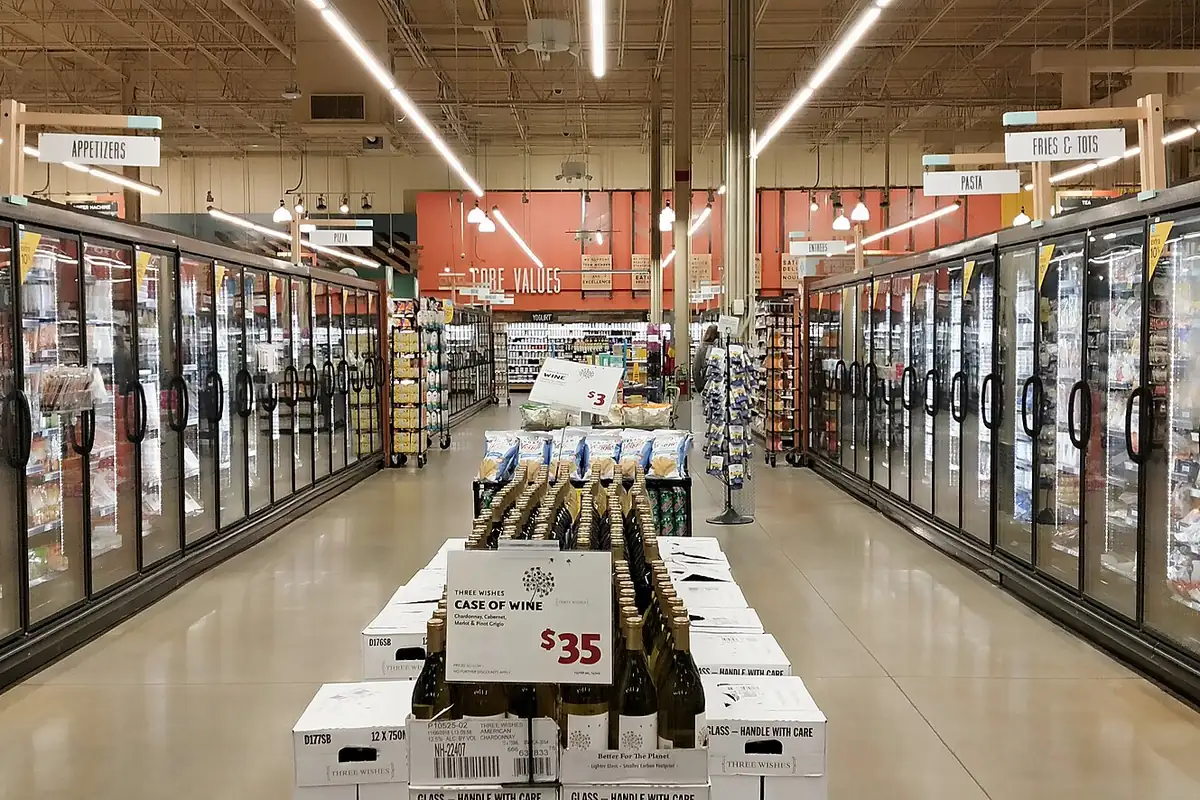

In Japan frozen food is allowed in carry-on and checked bags, with conditions.
Carry-on: Yes. Frozen food that is solid is not a liquid, gel or aerosol, but on international flights ice cream, shaved ice and ice are on Japan's liquids list, and ice or coolant packs are excepted only when packed with medicine that has to stay cold. Checked baggage: Yes. Dry ice packed with the food is limited to 2.5kg per person and must be in a container that lets the carbon dioxide escape.
Frozen food on flights in and from Japan
The rule for frozen food comes from the Civil Aviation Bureau's list of restricted items. On international flights its liquids list applies as well.
| Where | Allowed? | What applies |
|---|---|---|
| In the cabin | Yes, within limits | Yes. Frozen food that is solid is not a liquid, gel or aerosol, but on international flights ice cream, shaved ice and ice are on Japan's liquids list, and ice or coolant packs are excepted only when packed with medicine that has to stay cold. Dry ice used to keep food cold is limited to 2.5kg per person. |
| In checked baggage | Conditions | Yes. Dry ice packed with the food is limited to 2.5kg per person and must be in a container that lets the carbon dioxide escape. |
Narita Airport notes that airlines may set a different dry ice limit or ask for a label.
Frozen food: solid at the checkpoint, kept cold, and entry to Japan
Frozen food raises questions in turn: is it a solid, what keeps it cold, and may it enter Japan.
- What the TSA files as frozen food
- The TSA's Frozen Food entry is written around meat, seafood, vegetables and other non-liquid food items, permitted in carry-on and checked bags. Its entry for fresh meat and seafood adds that frozen perishables can be packed in dry ice in either kind of bag. Neither entry sets a quantity for the food itself.
- Frozen desserts are listed as liquids
- Ice cream is not treated as frozen food. Japan's liquids list has an Ice cream row covering ice cream and shaved ice, and the Japanese edition adds ice. The TSA separates them as well: its Ice cream entry carries the 3.4oz/100 ml carry-on limit that its Frozen Food entry does not have.
- Dry ice in ANA's wording
- ANA's page on restricted baggage accepts dry ice used to cool fresh food and similar items at up to 2.5kg per person, carried on or checked, and refuses dry ice brought for any other purpose. Japan's list of restricted items attaches a condition to the box: it must be a container built to release carbon dioxide gas.
- Abroad, the rule is written for the coolant
- Hong Kong's CAD, Taiwan's CAA and Australia's CASA put their numbers on the dry ice, not on the frozen goods. Each allows 2.5 kg per person when it is used to pack perishables or fresh food that are not dangerous goods. CASA's general food entry says food is not considered dangerous goods.
- Bringing it into Japan: freezing does not clear meat
- Japan's Animal Quarantine Service lists the states of meat that are subject to animal quarantine, and frozen is one of them, next to raw, refrigerated and cooked. The agriculture ministry's quarantine feature repeats the point for travellers: frozen meat and vacuum-packed meat are covered along with fresh meat.
- Bringing it into Japan: frozen fruit and vegetables
- Plant quarantine treats freezing differently. The Plant Protection Station's import FAQ says even a fruit whose import is prohibited can be imported once a plant quarantine officer confirms at inspection that it is frozen. It defines frozen as completely solid from freezing, or at a temperature of -17.8°C or below.
Frozen food: the rule country by country
Frozen food is not allowed in carry-on in the United Kingdom.
| Flying from | Carry-on | Checked bag | What the authority says |
|---|---|---|---|
| JapanCivil Aviation Bureau | With limits | With limits | Frozen food that is solid is not a liquid, gel or aerosol, but on international flights ice cream, shaved ice and ice are on Japan's liquids list, and ice or coolant packs are excepted only when packed with medicine that has to stay cold. Source |
| United StatesTSA | With limits | Yes | Frozen meat, seafood, vegetables and other non-liquid food are allowed in carry-on and checked bags. Ice or ice packs must be completely frozen at screening; partially melted ice is not permitted. Dry ice: 5.5 pounds, with airline approval. Source |
| United KingdomUK Government | No | Yes | Frozen items, for example liquid, food or ice packs, cannot usually be carried in hand luggage. There are some exceptions for medicines, dietary requirements, baby food and baby milk. Food can go in hold luggage. Source |
| South KoreaMOLIT Aviation Security 365 | With limits | With limits | Dry ice used to pack and carry perishable goods: up to 2.5kg per person, with airline approval, in checked baggage or carry-on bags. Source |
| TaiwanCivil Aviation Administration | With limits | With limits | Dry ice for fresh food that is not dangerous goods: up to 2.5 kg per person in hand or checked baggage, with airline approval. The packaging must let the carbon dioxide gas escape. Source |
| Hong KongCivil Aviation Department | With limits | With limits | Dry ice used to pack perishables that are not dangerous goods: no more than 2.5 kg per person, with airline consent, in carry-on or checked baggage. The package must let carbon dioxide gas escape. Source |
| AustraliaHome Affairs, CASA | With limits | With limits | Food is not considered dangerous goods and is generally allowed. Dry ice used to pack perishables: up to 2.5 kg (5lb) per passenger in carry-on or checked baggage, with airline approval; the package must permit the release of gas. Source |
Each row comes from that authority's own page. Airlines can be stricter, and the screening officer has the final say.
If security in Japan will not let frozen food through
- What to do
- Move frozen food to the bag you check in before you reach security, within the checked-baggage limits above. Narita Airport states that anything given up at the checkpoint is discarded and cannot be returned.
Frequently asked questions
Can you take frozen food on a plane?
On flights in and from Japan: Yes. Frozen food that is solid is not a liquid, gel or aerosol, but on international flights ice cream, shaved ice and ice are on Japan's liquids list, and ice or coolant packs are excepted only when packed with medicine that has to stay cold. Dry ice used to keep food cold is limited to 2.5kg per person. In checked baggage: Yes. Dry ice packed with the food is limited to 2.5kg per person and must be in a container that lets the carbon dioxide escape.
Does frozen food have to be frozen solid at airport security?
In the United States the cooling has to be. The TSA says ice or ice packs packed with the food must be completely frozen when brought through screening, and are not permitted if they are partially melted with any liquid at the bottom of the container. Its Gel Ice Packs entry makes an exception for medically necessary packs.
How much dry ice can I pack with frozen food?
Up to 2.5 kg per person on flights from Japan. Narita Airport's FAQ gives that figure for dry ice cooling perishable food in carry-on or checked baggage. In the United States the TSA cites an FAA limit of 5.5 pounds, in a vented and marked package, and says airline approval is required.
Can I bring frozen meat or frozen dumplings into Japan?
Not freely. Japan's Animal Quarantine Service says any type of meat is subject to animal quarantine whether raw, refrigerated, frozen or cooked, and gives meat buns as an example of a processed product. The agriculture ministry's feature says most meat products cannot be brought into Japan.
Does the TSA allow frozen food in carry-on bags?
Frozen meat, seafood, vegetables and other non-liquid food are allowed in carry-on and checked bags. Ice or ice packs must be completely frozen at screening; partially melted ice is not permitted. Dry ice: 5.5 pounds, with airline approval.
Can you take frozen food in hand luggage in the UK or Europe?
The United Kingdom: Frozen items, for example liquid, food or ice packs, cannot usually be carried in hand luggage. There are some exceptions for medicines, dietary requirements, baby food and baby milk. Food can go in hold luggage.
Can you put frozen food in checked luggage?
Yes. Dry ice packed with the food is limited to 2.5kg per person and must be in a container that lets the carbon dioxide escape.
Read more
- Osechi 2027: Boxes From 6,480 Yen, Order by 22 DecemberOsechi is Japan's boxed New Year meal, eaten 1 to 3 January. 2027 department store boxe…
- Is Japan Vegetarian-Friendly? A Vegan and Halal Food GuideYou can eat vegetarian in Japan, but dashi fish stock hides in soups and sauces. How to…
- JAL Baggage Allowance 2026: Free Bags, Sizes and Excess FeesOn international flights, Japan Airlines Economy includes two free checked bags of 23kg…
- Japanese Convenience Store Food: 9 Must-Try Konbini PicksStart with an onigiri, the egg sandwich and a machine coffee. Most konbini are open 24 …
Sources for this page
Show all 15
- Japan Civil Aviation Bureau (MLIT) — Items restricted in carry-on and checked baggage (updated 24 April 2026)
- Japan Civil Aviation Bureau — List and Description of LAGs Restriction (1 October 2015)
- Japan Civil Aviation Bureau — List of liquids covered by the quantity limits (Japanese, 1 October 2015)
- Narita International Airport — FAQ: prohibited items
- TSA — What Can I Bring?: Frozen Food
- GOV.UK — Hand luggage restrictions: Overview
- Aviation Security 365 (MOLIT / KOTSA) — Dangerous goods
- Taiwan CAA — Dangerous goods passengers and crew may carry
- Civil Aviation Department (Hong Kong) — Packing Tips for Air Passenger: Provisions for Dangerous Goods Carried by Passenger and Crew
- CASA — Pack Right: Carbon dioxide, solid (dry ice) when used to pack perishables
- ANA — Items with conditions for carry-on and checked baggage, domestic flights (Japanese)
- Animal Quarantine Service — Bringing animal products into Japan from overseas
- MAFF — aff magazine, November 2023: Souvenirs need care too, the airport steps for bringing in meat and fruit (Japanese)
- Plant Protection Station (MAFF) — Frequently asked questions: imports (Japanese)
- Taiwan CAA — Table of dangerous goods passengers and crew may carry or check (Chinese)