Types of Ramen in Japan: 6 Styles From Tonkotsu to Tsukemen
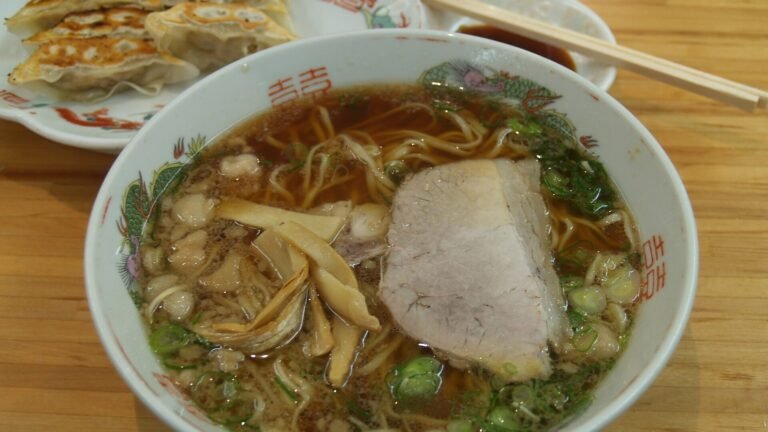
Shops typically specialise in one or two types of soup, says the ramen guide from JNTO, Japan’s national tourism organisation. Region matters too. Sapporo is famous for miso ramen, Kyushu prefers tonkotsu, and Tokyo’s classic bowl is a dark shoyu on a pork bone or chicken base.
Here are quick answers to the questions visitors ask most.
Types of ramen: shoyu, miso, shio, tonkotsu and tsukemen
Three of the four common types take their names from the seasoning in the soup. Shio means salt, shoyu means soy sauce, and miso ramen is seasoned with miso. Tonkotsu ramen is named for its soup instead, a creamy broth made from pork bones.
The Shin-Yokohama Ramen Museum lists the soup and noodle style of every shop inside it, so it works as a field guide to the types. The table below matches each type with one of the museum’s shops and its noodles.
| Type | Soup | Try it at the Ramen Museum | Noodles |
|---|---|---|---|
| Shoyu | Seasoned with soy sauce | Rishiri Ramen Miraku (scorched soy sauce, Rishiri kelp) | Medium-thick, wavy |
| Miso | Seasoned with miso | Ryu Shanghai Honten (spicy hot miso) | Extremely thick, wavy |
| Shio | Seasoned with salt | Ryukyu Shinmen Tondou (Okinawan pork, bonito, kelp) | Thin, straight |
| Tonkotsu | Creamy pork bone soup | Komurasaki (Kumamoto); Hakata Issou (Fukuoka) | Thin; flat at Hakata Issou |
| Pork bone soy sauce | Pork bone soup with soy sauce | Rokkakuya 1994+ (Iekei) | Thick, straight |
Shoyu (soy sauce). Rishiri Ramen Miraku comes from Rishiri Island in Hokkaido. Its yaki-shoyu is a rich, scorched soy sauce base made with large amounts of Rishiri kelp.
Aged, medium-thick wavy noodles go with it. The Michelin Guide Hokkaido 2017 Special Edition named the main shop on Rishiri Island a Bib Gourmand restaurant.
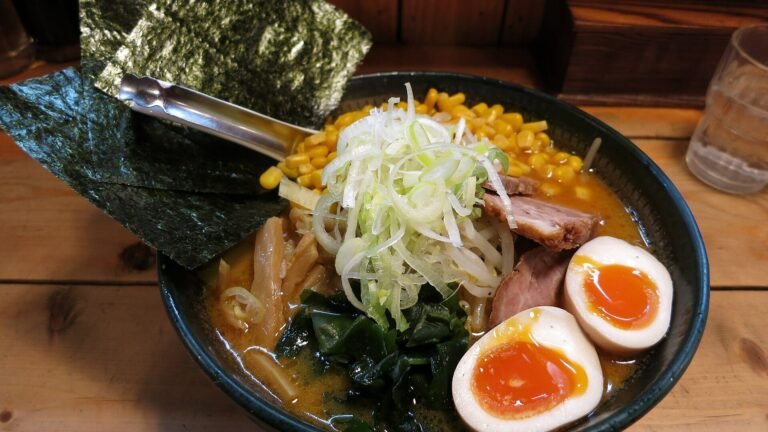
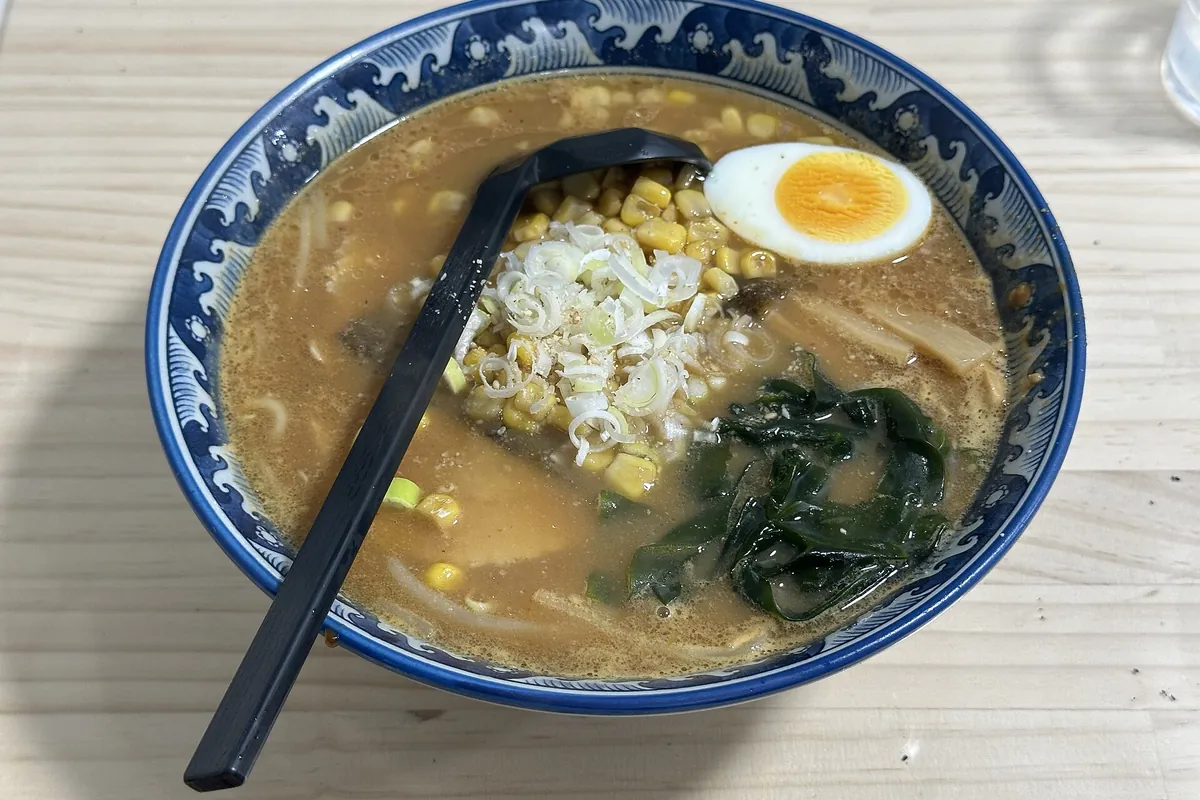
Miso. Ryu Shanghai Honten serves a spicy hot miso ramen. Red spicy miso sits in the centre of the bowl, and you let it melt into the soup a little at a time.
The broth blends plenty of dried small sardines into pork and chicken stock. The homemade noodles are extremely thick and springy.
Shio (salt). Ryukyu Shinmen Tondou brings salt ramen from Okinawa. Its soup uses long-loved Okinawan ingredients: pork, dried bonito, kelp and dried sardines. The museum describes the finished soup as golden, and the noodles are thin and straight.
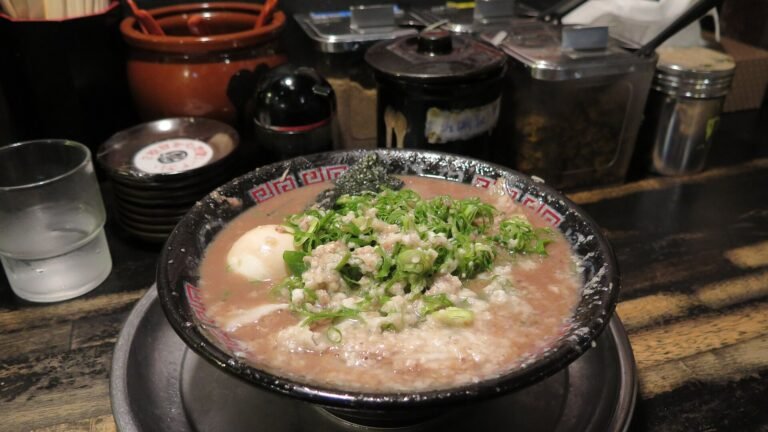
Tonkotsu (pork bone). Komurasaki, founded in Kumamoto in 1954, serves Kumamoto-style tonkotsu. It is the only shop that has been open since the museum itself opened. Hakata Issou comes from Fukuoka, which the museum calls the holy land of tonkotsu ramen.
The shop cooks pork bones slowly for a long time, and a fine layer of foamed fat covers the soup. That look gave the bowl its nickname, tonkotsu cappuccino.
Pork bone soy sauce. Some bowls combine two types. Rokkakuya 1994+ serves pork bone soy sauce ramen with thick, straight noodles. The museum calls Rokkakuya one of the three major Iekei ramen chains, and its bowl a classic Iekei ramen.
Tsukemen (dipping noodles). The noodles come in one bowl and the soup in another, and you dip the noodles before each bite.
The museum’s Rock’n three shop features Junichi Shimazaki, the chef who created Kombu Water Tsukemen. The museum says the dish gained international acclaim. The museum lists the shop as soy sauce ramen with thin, straight noodles.
Regional ramen: Sapporo, Kyoto, Tokyo and Kyushu
Nearly every area of Japan has its own ramen, JNTO says: Sapporo is known for miso, Kyushu for tonkotsu and Tokyo for a dark shoyu. Our regional ramen guide lists the local styles with bowl prices and airports for all 47 prefectures.
How to order ramen at a ticket machine
In most ramen shops you buy a ticket at a vending machine before you eat and hand it to the staff; at some shops you order from the staff instead. What the big chains charge is in our ramen guide.
How to eat ramen: slurping and the soup
Slurping is not considered rude, JNTO says, and you do not have to finish the soup. More on ordering is in our ramen guide.
Ramen Museum Yokohama: tickets, hours, access
The Shin-Yokohama Ramen Museum gathers shops from around Japan in one building, so it is an easy place to compare the types above. Entry, hours, shops and access are on our Shin-Yokohama Ramen Museum page.
Ramen in Tokyo: Ramen Street and Ramen Festa
Tokyo Ramen Street in Tokyo Station and Tokyo Ramen Festa in Komazawa Olympic Park both let you try several styles in one visit: see Tokyo Ramen Street and ramen museums, streets and festivals. For where to eat across the city, see best ramen in Tokyo.
Vegetarian and halal ramen: what to ask
Ramen soup often starts from pork or chicken, so ask before you order; tonkotsu is a pork bone soup. Which chains have pork-free or vegan bowls is in our ramen guide, and vegetarian, vegan and halal food in Japan covers what to ask.
FAQ
What is the difference between tonkotsu and shoyu ramen?
Shoyu ramen takes its name from its seasoning, soy sauce. Tonkotsu ramen takes its name from its soup, a creamy broth of pork bones. The two often meet. Tokyo’s classic shoyu can use a pork bone base, and Rokkakuya 1994+ serves pork bone soy sauce ramen.
Is it rude to slurp ramen in Japan?
No. JNTO says slurping is not considered rude at all.
How much does ramen cost in Japan?
It depends on the city and the shop. Official averages by city and the big chains’ bowl prices are in our ramen guide.
When is Tokyo Ramen Festa 2026?
From 30 October to 3 November 2026 at Komazawa Olympic Park in Tokyo. Hours and tickets are on our ramen museums and festivals page.
About the author