Hidden Gems in Japan: 10 Prefectures Under 0.4% of Visitors
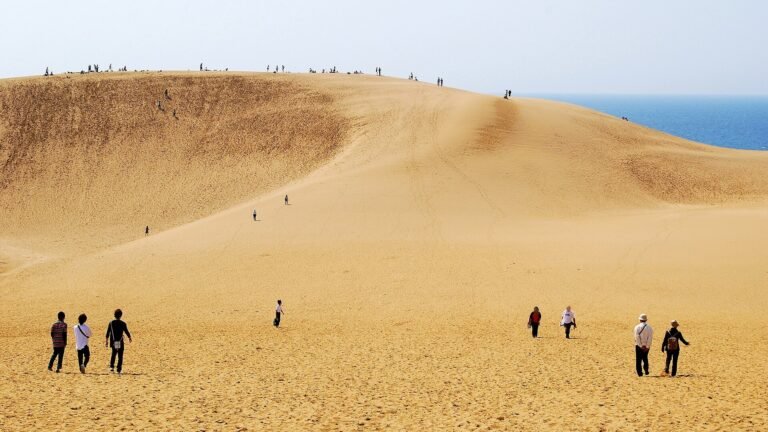
These numbers come from the Japan Tourism Agency Inbound Consumption Survey 2025 prefecture tables. We used table 2-1, which counts only visitors who came for sightseeing and leisure.
A visit rate is the share of those visitors who went to a prefecture at least once. The graphic below sets the lowest rate against the highest.

Most lists of Japan hidden gems are one writer’s favourite places. This one starts from the government count, then adds the airport bus and rail pass you need to reach each place.
The table below lists all ten prefectures under 0.4%. Six of them are in western Japan, and three of those are on Shikoku.
| Rank from bottom | Prefecture | Visit rate 2025 | Region |
|---|---|---|---|
| 1 | Shimane | 0.14% | San’in |
| 2 | Fukui | 0.18% | Hokuriku |
| 3 | Tokushima | 0.23% | Shikoku |
| 4 | Kochi | 0.24% | Shikoku |
| 5 | Tottori | 0.32% | San’in |
| 6 | Ibaraki | 0.33% | Kanto |
| 7 | Akita | 0.36% | Tohoku |
| 8 | Ehime | 0.37% | Shikoku |
| 9 | Miyazaki | 0.38% | Kyushu |
| 10 | Gunma | 0.39% | Kanto |
How we counted: visit rates for 47 prefectures
The Japan Tourism Agency asks foreign visitors about their trip at the airport, just before they leave Japan. The 2025 table for sightseeing and leisure trips rests on 87,463 answers.
- Who: foreign visitors leaving Japan, asked at the airport.
- Purpose: sightseeing and leisure trips only, in table 2-1.
- Period: the calendar year 2025, January to December.
One visitor can tick several prefectures, so the rates add up to far more than 100%. A rate of 0.14% means about 1 in 700 sightseeing visitors spent time in Shimane.
The agency posts every release on its Japan Tourism Agency Inbound Consumption Survey page, shown below. The latest quarterly results went up on 21 October 2026.
The gap at the top is huge. Tokyo drew an estimated 17.11 million sightseeing visitors in 2025. Shimane drew about 50,000, so Tokyo saw roughly 340 times as many.
The chart below shows the five busiest prefectures. Osaka comes second, then Chiba and Kyoto.
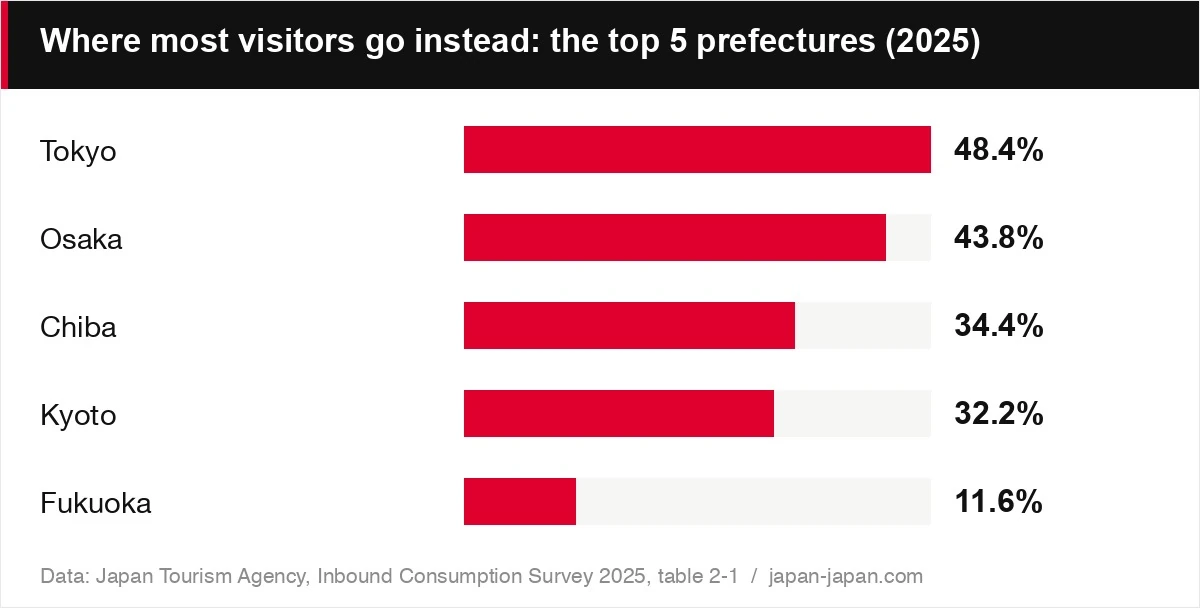
| Item | Value |
|---|---|
| Tokyo | 48.44 % |
| Osaka | 43.8 % |
| Chiba | 34.38 % |
| Kyoto | 32.19 % |
| Fukuoka | 11.61 % |
Fukuoka is fifth at 11.61%, and the rates fall fast after that. This list ranks by visit rate, which shows how likely a typical sightseer is to go there at all.
Off the beaten path in San’in: Shimane and Tottori
Shimane had the lowest visit rate of all 47 prefectures in 2025, at 0.14%. Tottori, its neighbour on the Sea of Japan coast, ranked fifth from the bottom at 0.32%.
Together they form San’in. Matsue and Izumo in Shimane and the Tottori Sand Dunes are the usual places to base a trip.

Matsue Castle, in the photo above, stands in the centre of Matsue. The airport with buses to both Matsue and Izumo is Izumo Airport.
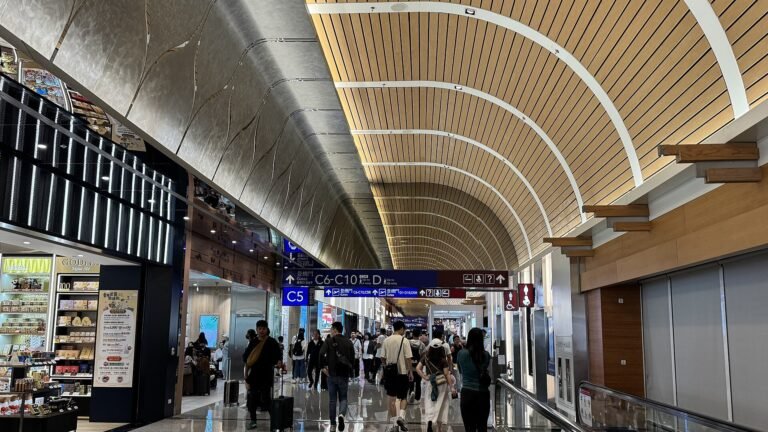
The Izumo Airport access page says buses leave about 10 minutes after each flight lands, once bags are out. You cannot reserve a seat. Adult one-way fares are:
- JR Matsue Station: 1,300 yen, about 35 minutes.
- JR Izumoshi Station: 850 yen, about 30 minutes (Izumo Airport to Izumoshi Station).
- Izumo Taisha shrine: 1,100 yen, about 40 minutes.
- Tamatsukuri Onsen: 950 yen, about 30 minutes.
Buy the ticket at the バス券売機 (basu kenbaiki, bus ticket machine) in the domestic arrivals lobby on the first floor. It takes cash, e-money and some QR payments. Since 1 March 2025 you can also tap a contactless credit card on board.
If Izumo Taisha is your main goal, take the direct bus from the airport. It takes about 40 minutes, so you can visit the shrine on the day you land.
For Tottori and eastern Shimane, Yonago Kitaro Airport is the closer gate. Our airport page lists a 240 yen ride to Yonago Station.
- Tottori-Matsue Pass: 4,000 yen for 3 days, children 2,000 yen.
- Sanyo-San’in Area Pass: 23,000 yen for 7 days, children 11,500 yen.
The Tottori-Matsue Pass covers non-reserved ordinary seats on limited express and local trains inside its area. Green Car seats need extra tickets.
The JR West Sanyo-San’in Area Pass page covers trains from Kansai and Fukuoka to Okayama, Hiroshima, Yamaguchi, Tottori and Shimane. It includes reserved seats on the Yakumo and Konotori limited expresses.
That pass also covers the Sanyo Shinkansen between Shin-Osaka and Hakata. It does not cover the Tokaido Shinkansen from Shin-Osaka to Tokyo.
- Matsue History Museum: the Matsue City Matsue History Museum annual leaflet sets exhibition entry at 700 yen for adults.
- Price date: that museum price has applied since 1 April 2025.
- Izumo Taisha: 1,100 yen by the direct bus from Izumo Airport.
Shikoku: Tokushima and Kochi
Tokushima drew 0.23% of sightseeing visitors in 2025 and Kochi 0.24%. They were third and fourth from the bottom, and both are on Shikoku.
Ehime, the third Shikoku prefecture on the list, was only a little higher at 0.37%. Shikoku is the clearest gap on the map.

The photo shows Kochi Castle in the centre of Kochi city. Each prefecture has its own airport with a bus into town.
- Tokushima Awaodori Airport: about 30 minutes by bus to Tokushima Station.
- Kochi Ryoma Airport: the airport bus to Kochi Station takes about 25 minutes for 900 yen.
From Osaka, the Nankai Rail & Ferry Ticket to Tokushima pairs a Nankai train to Wakayamako Station with the ferry across. It avoids the flight entirely.
On the island, the ALL SHIKOKU Rail Pass covers non-reserved ordinary seats on limited express, rapid and local trains. That includes all JR Shikoku and Tosa Kuroshio Railway lines.
JR Shikoku posts the price for each length of pass in its JR Shikoku ALL SHIKOKU Rail Pass new prices notice. Check it before you buy.
- Winter weather: Kochi averages a high of 12.2°C in January, the warmest of our 4 Shikoku places (Shikoku in January).
- Food: Tokushima has its own soy-and-pork bowl, Tokushima ramen.
- Festival: Awa Odori 2027 runs 4 nights, 12 to 15 August, in Tokushima.
Takamatsu, the main city of Shikoku, is the coldest of the four at 9.7°C by day in January. Kochi warms to 13.2°C by day in February and 16.3°C in March, as our Shikoku in February page shows.
Fukui on the Hokuriku Shinkansen
Fukui drew just 0.18% of sightseeing visitors in 2025, the second lowest in Japan. Next-door Ishikawa, home to Kanazawa, drew 2.29%, about 13 times as many.
The Hokuriku Shinkansen now runs between Tokyo and Tsuruga, in southern Fukui. Visitors who already stop in Kanazawa can add Fukui with a short train ride.
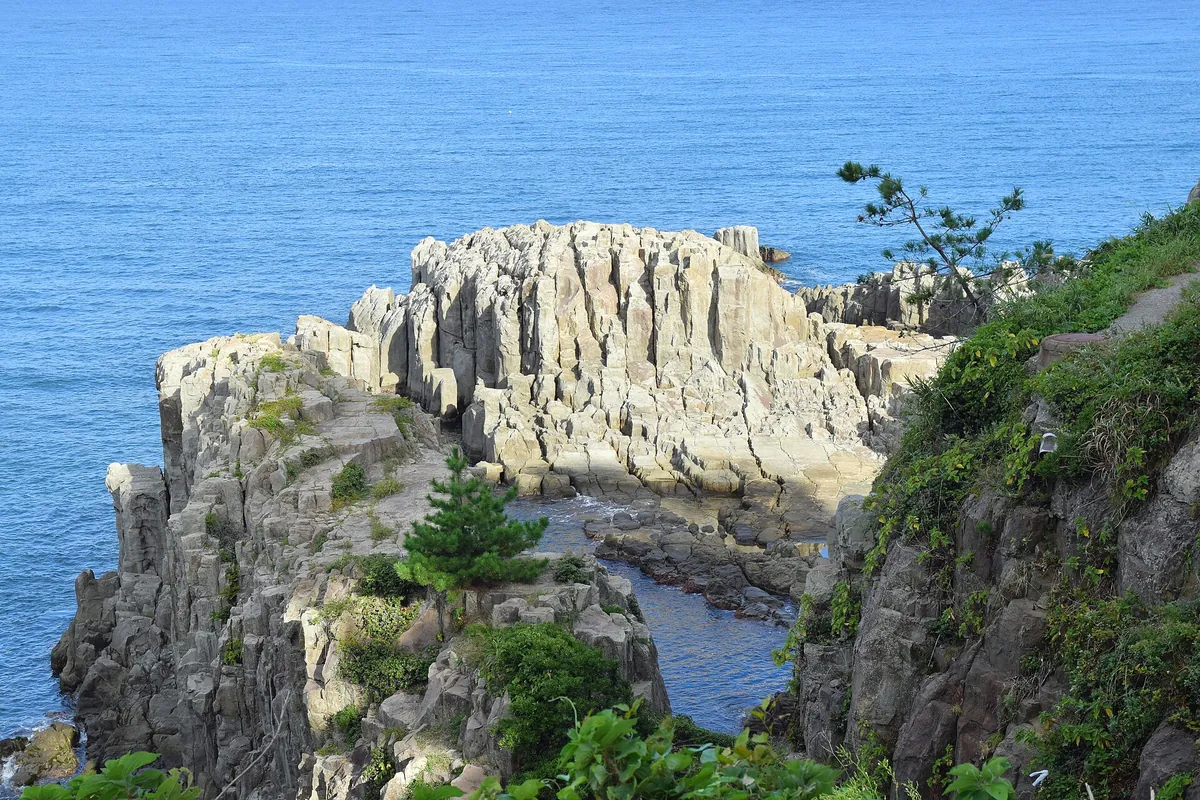
The photo above shows the Tojinbo sea cliffs on the Fukui coast. Two JR West passes reach the prefecture:
- Hokuriku Arch Pass: 35,000 yen for 7 days, children 17,500 yen.
- Kansai-Hokuriku Area Pass: covers the Hokuriku Shinkansen between Tsuruga and Joetsu-Myoko, with reserved seats.
The JR West Hokuriku Arch Pass page covers reserved seats on the Hokuriku Shinkansen from Tsuruga to Tokyo. It also covers limited expresses such as the Haruka and Thunderbird.
The Arch Pass price went up from 30,000 to 35,000 yen on 14 March 2026. It does not cover the Tokaido or Sanyo Shinkansen.
Inside Fukui, the pass covers the Hapi-Line Fukui only between Echizen-Hanandō and Fukui, on local trains. Get off anywhere else on that line and you pay the fare.
- From Kyoto: take the Thunderbird and Tsurugi, as on our Kyoto to Kanazawa route, and stop at Fukui.
- From Tokyo: stay on the Hokuriku Shinkansen past Kanazawa to Fukui or Tsuruga.
- Passport check: both passes need a foreign passport and 短期滞在 (tanki taizai, Temporary Visitor) status.
The next five: Ibaraki, Akita, Ehime, Miyazaki, Gunma
Places six to ten on the list are spread out. Two sit near Tokyo, one in Tohoku, one on Shikoku and one on Kyushu.
- Ibaraki: 0.33% of sightseeing visitors in 2025.
- Akita: 0.36%.
- Ehime: 0.37%.
- Miyazaki: 0.38%.
- Gunma: 0.39%.
Ibaraki and Gunma both border the Tokyo area. Many visitors pass close to them without stopping.
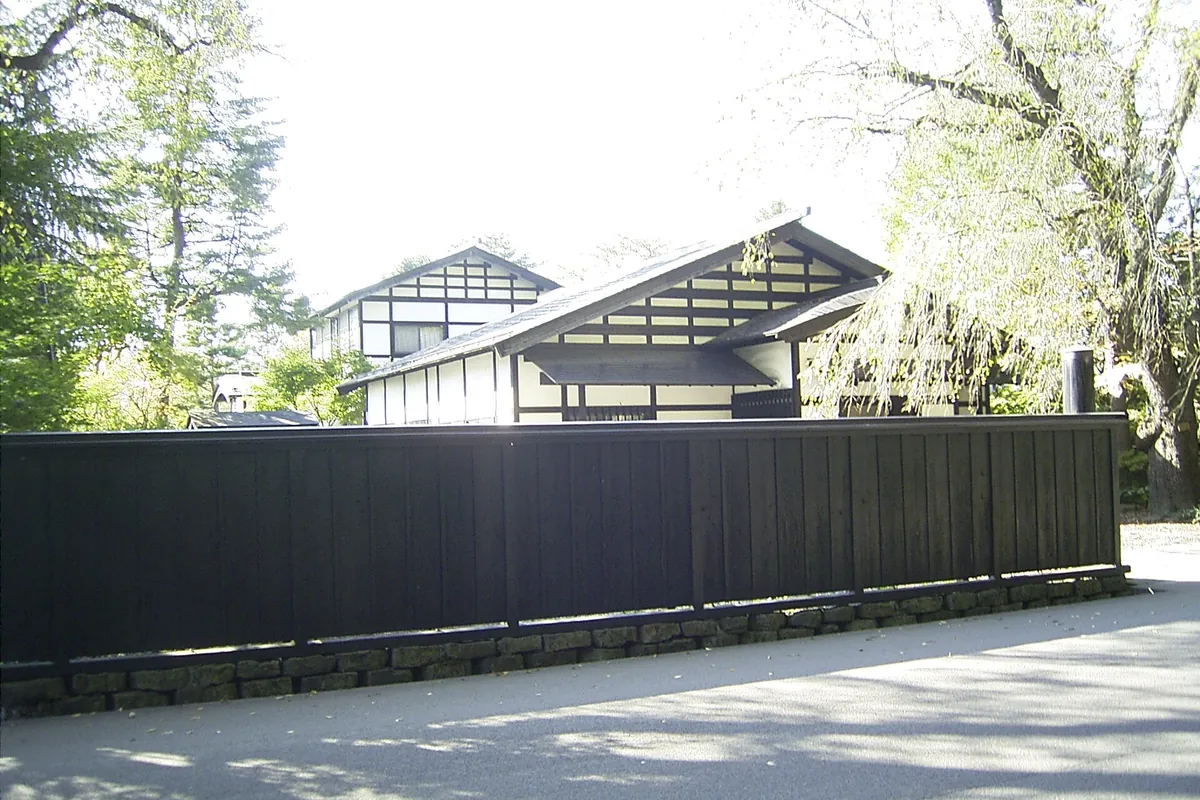
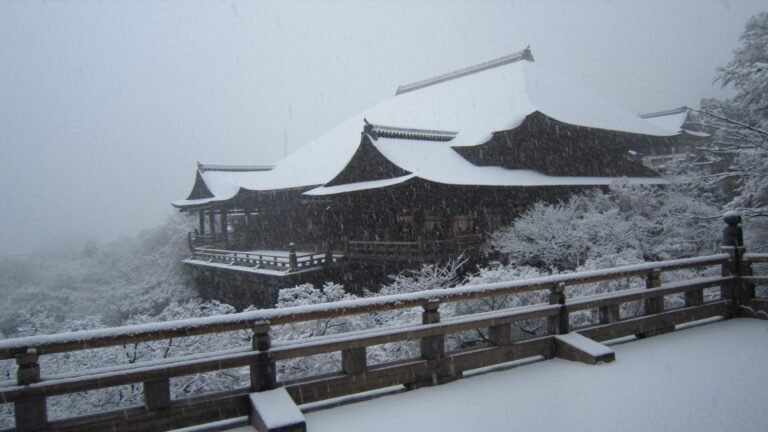
The photo shows the samurai house street of Kakunodate, in Akita, under snow. Akita is the most northern prefecture in the bottom ten.
From Akita Airport, the airport limousine bus to Akita Station takes about 40 minutes for 1,200 yen. For trains, see our JR EAST PASS (Tohoku area) page.
Since 14 March 2026, JR East has sold one JR EAST PASS for all its lines. It replaced the older area passes, which went off sale on 13 March 2026.
- Ehime: at Matsuyama, the route bus into town costs 530 yen, against 1,000 yen for the limousine bus.
- Miyazaki: it sits on Kyushu, so a flight is the usual way in from Tokyo or Osaka.
Winter 2026-27 dates to plan around
Regional sights often close over New Year. Government offices close from Tuesday 29 December 2026 to Sunday 3 January 2027, and many sights follow a similar pattern.
Japanese workers who take Monday 28 December off get up to 9 days in a row from Saturday 26 December. Trains and planes fill at both ends of that break.
New Year’s Day, Friday 1 January 2027, is the only national holiday. Banks close from 31 December to 3 January. Our New Year 2026–27 page lists the dates.

The checklist above covers four things to confirm before you book. Passes, last buses and closing days all bite harder outside the big cities.
- Nozomi reserved only: 25 December 2026 to 5 January 2027, then 9 to 11 January and 20 to 22 March 2027.
- Busiest day last winter: Sunday 4 January 2026, with 350,000 passengers heading to Tokyo.
- Holidays in 2027: 17 days off and 6 three-day weekends, on our Public holidays in 2027 page.
Mid-January is a strong window. Hotels were emptiest in January in 32 of 47 prefectures in 2025, as our Best Time to Visit Japan 2027 guide shows.
Earlier, Shikoku’s maples turn red from about 23 November in Takamatsu to 5 December in Matsuyama (Autumn leaves in Shikoku). Kochi still averages 14.4°C by day in December. For more ideas, see Japan in Winter 2026-27.
Getting there: airports and rail passes compared
The table puts the five least visited prefectures side by side. Use it to pick the airport and pass before you book anything else.
| Prefecture | Visit rate 2025 | Nearest airport | Rail pass that covers it |
|---|---|---|---|
| Shimane | 0.14% | Izumo Airport | Sanyo-San’in Area Pass, Tottori-Matsue Pass |
| Fukui | 0.18% | None; arrive by Hokuriku Shinkansen | Hokuriku Arch Pass, Kansai-Hokuriku Area Pass |
| Tokushima | 0.23% | Tokushima Awaodori Airport | ALL SHIKOKU Rail Pass |
| Kochi | 0.24% | Kochi Ryoma Airport | ALL SHIKOKU Rail Pass |
| Tottori | 0.32% | Yonago Kitaro Airport | Tottori-Matsue Pass, Sanyo-San’in Area Pass |
Shimane and Tottori share both passes, so you can cover them in one trip. Tokushima and Kochi share the ALL SHIKOKU Rail Pass.
Fukui has no airport in our database, so arrive by train. The Hokuriku Arch Pass is the simplest choice from Tokyo or Kansai.
The lookup below starts from where you already plan to stay. Each row uses a route or pass from our own database.
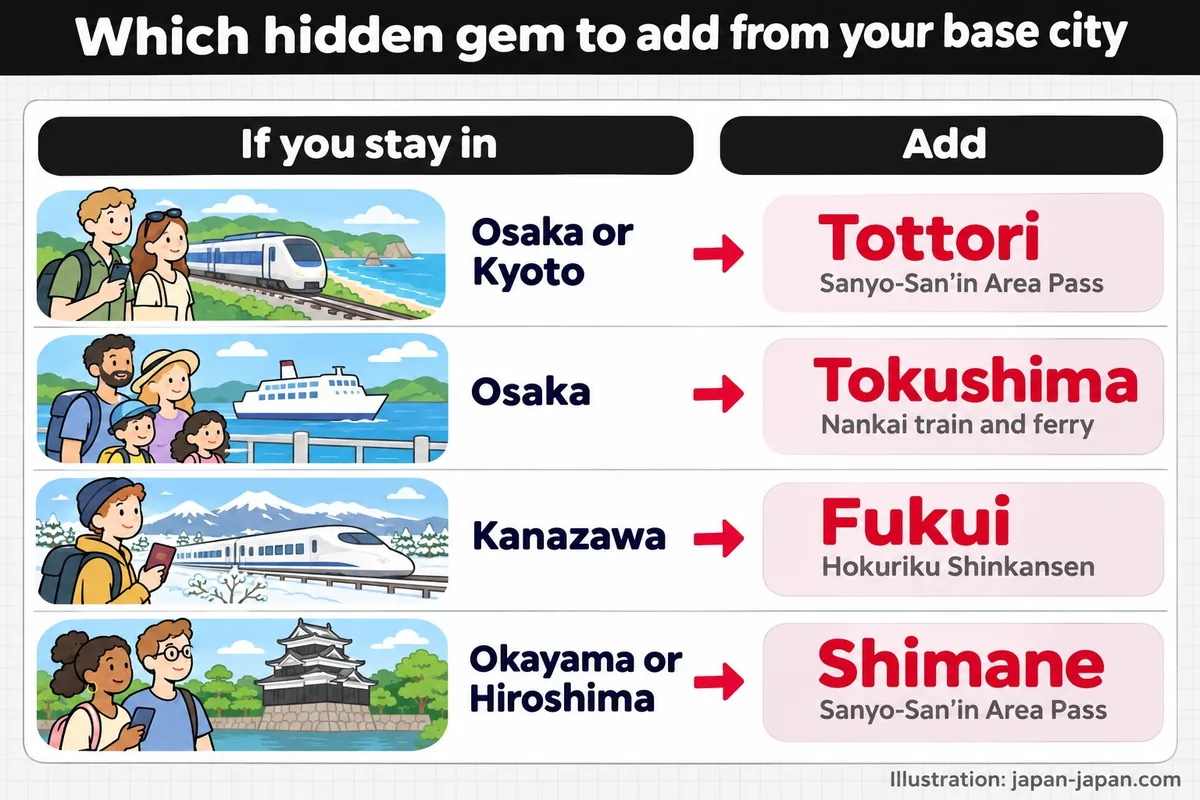
- From Osaka or Kyoto: the Sanyo-San’in Area Pass reaches Tottori, and the Nankai ticket reaches Tokushima.
- From Kanazawa: the Hokuriku Shinkansen gets you to Fukui.
- From Okayama or Hiroshima: the Sanyo-San’in Area Pass covers the line to Shimane.
To add northern Kyushu as well, the Sanyo-San’in Northern Kyushu Pass costs 26,000 yen for 7 days. Children pay 13,000 yen.
Our airports section covers 40 airports, and 12 have a rail link. For anything else, start from our rail passes list.
FAQ
What is the least visited prefecture in Japan by foreign tourists?
Shimane. In 2025 only 0.14% of foreign sightseeing visitors went there, about 50,000 people. Fukui was next at 0.18%, by the Japan Tourism Agency count.
Is it worth going off the beaten path in Japan in winter?
Yes, if you avoid the New Year closures from 29 December to 3 January. Hotels were emptiest in January in 32 of 47 prefectures in 2025. Kochi averages a high of 12.2°C in January.
Can you reach Japan’s hidden gems with the JR Pass?
Yes, on JR lines. The Japan Rail Pass costs 50,000 yen for 7 days and covers all JR Group trains except the Nozomi and Mizuho. A regional pass such as the Sanyo-San’in Area Pass costs 23,000 yen.
Which hidden gems in Japan are easiest to add to a Kyoto or Osaka trip?
Tottori and Shimane, on the Sanyo-San’in Area Pass from Kansai. Tokushima is also close by Nankai train and ferry. Fukui is on the Thunderbird line toward Kanazawa.
About the author