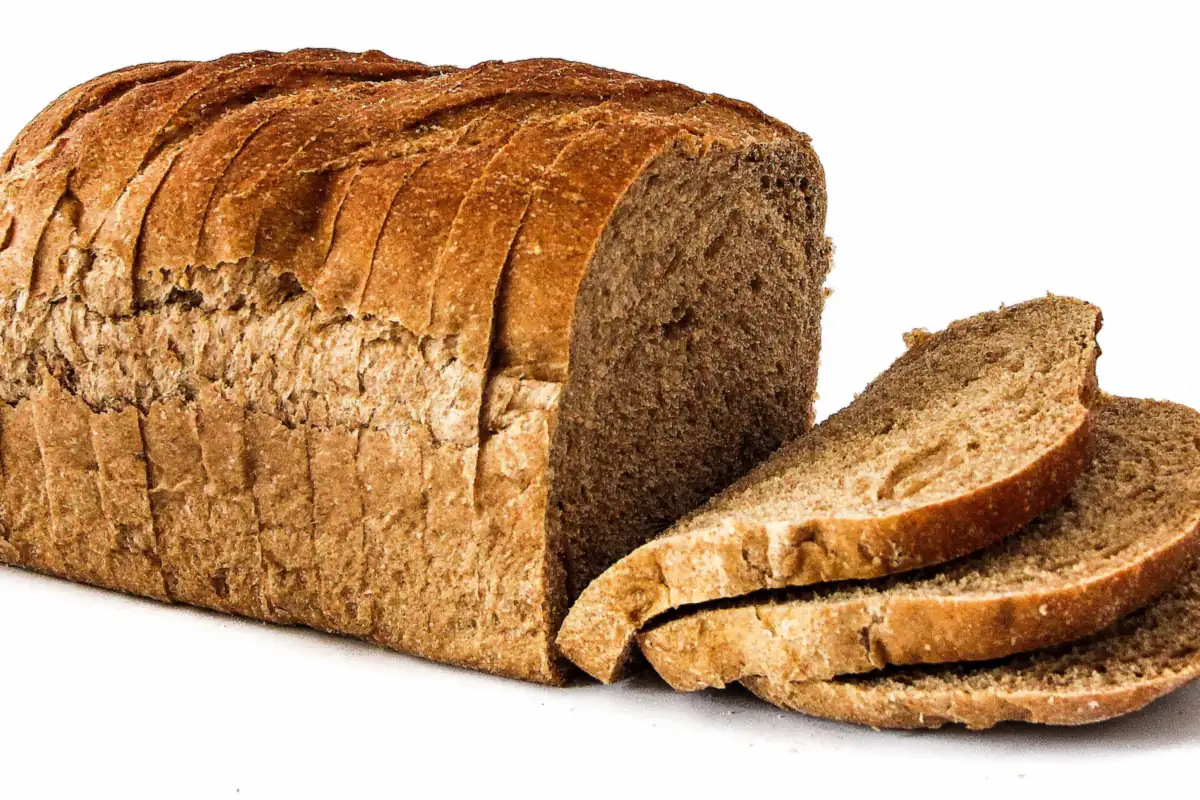

Bread can go in both carry-on and checked bags in Japan.
Carry-on: Yes. Bread is solid food, and Japan's liquids list, which covers liquids, gels and aerosols, leaves cakes, doughnuts and other confectionery outside the limit by name. Checked baggage: Yes.
Bread on flights in and from Japan
The rule for bread comes from the Civil Aviation Bureau's list of restricted items. On international flights its liquids list applies as well.
| Where | Allowed? | What applies |
|---|---|---|
| In the cabin | Yes | Yes. Bread is solid food, and Japan's liquids list, which covers liquids, gels and aerosols, leaves cakes, doughnuts and other confectionery outside the limit by name. Spreads carried in their own jar or tube, such as jam, peanut butter and sandwich spread, fall under the 100ml limit on international flights. |
| In checked baggage | Yes | Yes. |
Bread, pastries and sandwiches: the loaf, the cream, the filling
A plain loaf passes every list. The questions come from what is piped into it or layered inside.
- Baked goods on the unrestricted side
- Japan's liquids list has no bread row. The closest entries are in its reference table of foods outside the limit: the English edition gives cookies, cakes and doughnuts under confectionery, and the Japanese edition adds baked sweets, pie, steamed cake, baumkuchen and kanpan, the hard-baked emergency bread.
- Cream inside a pastry, cream in a tub
- The same cream is read differently depending on its container. The Japanese edition lists cream puffs, fresh cake and pie among confectionery that stays outside the limit. Custard cream and butter cream appear on the restricted side only as spreads, in a row written for cans, jars, plastic containers and tubes.
- Eating a sandwich on board
- Skymark's FAQ takes the question by name: bento, sandwiches and other light meals may be carried into the cabin and eaten during the flight. It asks for consideration toward nearby passengers when the food has a strong smell. The FAQ's one refusal concerns heated lunch boxes warmed by pulling a string, which are accepted neither in the cabin nor as checked baggage.
- Bringing it into Japan: ham, sausage and other meat fillings
- Flour and yeast are not the issue at the quarantine counter; the filling is. Japan's Animal Quarantine Service says any type of meat is subject to animal quarantine, cooked and processed products included, and names ham, sausages, bacon and meat buns. The agriculture ministry's quarantine feature adds that meat products left over from an in-flight meal cannot be brought in either.
- Bringing it into Japan: egg sandwiches and cake
- Eggs are covered by animal quarantine as well, but the Service's exclusion criteria make room for cooked ones. Standard 41 covers eggs whose proteins have been completely coagulated by heat treatment. Its examples run from hard-boiled eggs and tamagoyaki to omelets, egg sandwiches, cakes and confectionery products.
Bread: the rule country by country
The carry-on answer for bread is the same in all 3 other places we checked.
| Flying from | Carry-on | Checked bag | What the authority says |
|---|---|---|---|
| JapanCivil Aviation Bureau | Yes | Yes | Bread is solid food, and Japan's liquids list, which covers liquids, gels and aerosols, leaves cakes, doughnuts and other confectionery outside the limit by name. Source |
| United StatesTSA | Yes | Yes | Bread is solid food: allowed in carry-on and checked bags. Sandwiches are listed the same way. Liquid or gel food items larger than 3.4 oz are not allowed in carry-on bags. Source |
| United KingdomUK Government | Yes | Yes | Food items in hand luggage can obstruct x-ray images, so your bag may need to be checked again by hand. You can put food in hold luggage to minimise delays. Source |
| AustraliaHome Affairs, CASA | Yes | Yes | Bread is named under food, which is not considered dangerous goods and is generally allowed in carry-on and checked baggage. For international travellers it may be subject to quarantine, depending on the food. Source |
Each row comes from that authority's own page. Airlines can be stricter, and the screening officer has the final say.
Frequently asked questions
Can I bring bread on a plane?
On flights in and from Japan: Yes. Bread is solid food, and Japan's liquids list, which covers liquids, gels and aerosols, leaves cakes, doughnuts and other confectionery outside the limit by name. Spreads carried in their own jar or tube, such as jam, peanut butter and sandwich spread, fall under the 100ml limit on international flights. In checked baggage: Yes.
Can I bring a sandwich through airport security?
Yes. The TSA lists Sandwiches as allowed in carry-on and checked bags. Japan's liquids list restricts sauces and condiments carried in their own bottles and tubes, and excepts a small quantity of sauce in packed lunches or snacks, so the mayonnaise inside a sandwich is not counted as a liquid of its own.
Can I bring a ham or meat sandwich into Japan?
No, not past quarantine as an ordinary snack. Japan's Animal Quarantine Service treats any type of meat as subject to animal quarantine, including cooked and processed products. The agriculture ministry's feature says most meat products cannot be brought into Japan and that items which fail are discarded.
Can I bring pastries, cake or doughnuts on a plane?
Yes. Japan's liquids list names cakes and doughnuts as confectionery that can be carried into the cabin regardless of the quantity, with no need to show them to the screener. The TSA has a Pies and Cakes entry that shows Yes for carry-on and checked bags.
Can bread go in a checked suitcase?
Yes. The TSA's Bread entry shows Yes for checked bags and says solid food items can be transported in either carry-on or checked bags. Australia's CASA marks its food entry, which starts with bread, as able to be checked in and carried on.
Does the TSA allow bread in carry-on bags?
Bread is solid food: allowed in carry-on and checked bags. Sandwiches are listed the same way. Liquid or gel food items larger than 3.4 oz are not allowed in carry-on bags.
What is the rule for bread on flights from Australia?
Australia: Bread is named under food, which is not considered dangerous goods and is generally allowed in carry-on and checked baggage. For international travellers it may be subject to quarantine, depending on the food.
Read more
- Is Japan Vegetarian-Friendly? A Vegan and Halal Food GuideYou can eat vegetarian in Japan, but dashi fish stock hides in soups and sauces. How to…
- Japanese Convenience Store Food: 9 Must-Try Konbini PicksStart with an onigiri, the egg sandwich and a machine coffee. Most konbini are open 24 …
- Osechi 2027: Boxes From 6,480 Yen, Order by 22 DecemberOsechi is Japan's boxed New Year meal, eaten 1 to 3 January. 2027 department store boxe…
- How Much Does Matcha Cost in Japan? Prices at 15 Tea BrandsA median of 125.1 yen per gram across 124 matcha at 15 tea brands, checked 17 and 18 Oc…
Sources for this page
- Japan Civil Aviation Bureau (MLIT) — List and Description of LAGs Restriction (1 October 2015)
- Japan Civil Aviation Bureau — Items restricted in carry-on and checked baggage (updated 24 April 2026)
- Japan Civil Aviation Bureau — List of liquids covered by the quantity limits (Japanese, 1 October 2015)
- TSA — What Can I Bring?: Bread
- GOV.UK — Hand luggage restrictions: Overview
- CASA — Pack Right: Food (bread, cheese, chocolate, fruit, honey, jam, jelly, lentils, noodles, nougat, rice, tuna)
- Skymark Airlines — FAQ: Can I bring a packed lunch or drinks (PET bottles) on board? (Japanese)
- Animal Quarantine Service — Exclusion Criteria (articles that clearly pose no risk of spreading pathogens)
- Animal Quarantine Service — Bringing animal products into Japan from overseas
- MAFF — aff magazine, November 2023: Souvenirs need care too, the airport steps for bringing in meat and fruit (Japanese)