Coffee Culture in Japan: Kissaten, Konbini and Canned Coffee
This guide uses official numbers instead of a list of favourite cafés. The machine totals come from the Japan Vending System Manufacturers Association vending machine count. The city rankings come from the Statistics Bureau of Japan. It runs a household spending survey and a monthly retail price survey that tracks coffee as several items.
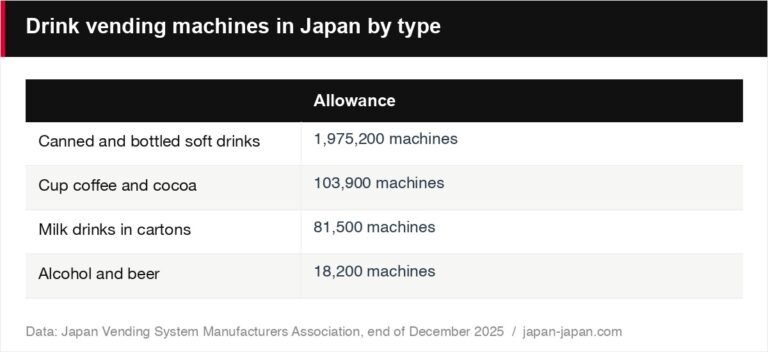
Start with the machines, because they are what most visitors notice first. Japan had 2,178,800 drink vending machines at the end of December 2025. The chart below splits them by what they sell.
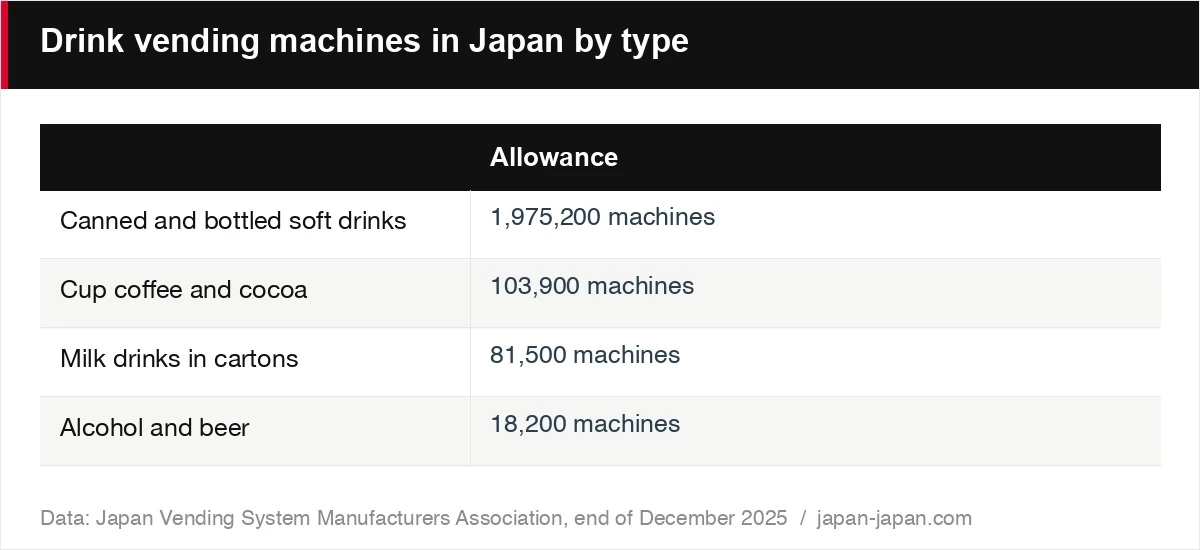
| Item | Value | Note |
|---|---|---|
| Canned and bottled soft drinks | 1,975,200 machines | 99.9% of the year before |
| Cup coffee and cocoa | 103,900 machines | 90.3% of the year before |
| Milk drinks in cartons | 81,500 machines | 90.6% of the year before |
| Alcohol and beer | 18,200 machines | 99.5% of the year before |
Machines for canned and bottled soft drinks make up almost all of them. That is where canned coffee lives. Machines that brew coffee or cocoa into a paper cup number 103,900. Milk-drink machines that sell paper cartons count 81,500, and alcohol and beer machines count 18,200. Across every kind of vending machine, including food, tobacco and tickets, the association counts 2,585,200.
Where to get coffee in Japan: four ways to buy a cup
Each way of buying coffee suits a different moment. The Statistics Bureau of Japan Retail Price Survey items list shows how the government sees them. It prices four kinds separately: coffee shop coffee, self-service shop coffee, convenience store cups and bottled coffee drinks. The bureau keeps them apart because the service and the price are different in each place.
The table sums up what you get at each one and how you order.
| Where | What you get | How you order |
|---|---|---|
| Kissaten (coffee house) | Coffee served at your table | Sit down and order from the staff |
| Self-service coffee shop | A cup you carry yourself | Order and pick up at the counter |
| Convenience store | A fresh cup from the in-store machine | Pay at the register, then pour it yourself |
| Vending machine on the street | Canned or bottled coffee, hot or cold | Coins first, or pick a drink and tap an IC card |
| Cup vending machine (indoors) | Coffee brewed into a paper cup | Found in stations, offices and hospitals |
| Shop shelf | Coffee drinks in plastic bottles | Pay at the register |
A kissaten charges for the seat and the table service as much as for the coffee. A self-service chain asks you to order at the counter and carry your own cup. At a convenience store you buy the cup at the register and run the machine yourself. A vending machine needs no staff at all, so it works on a station platform at night or on a quiet country road.
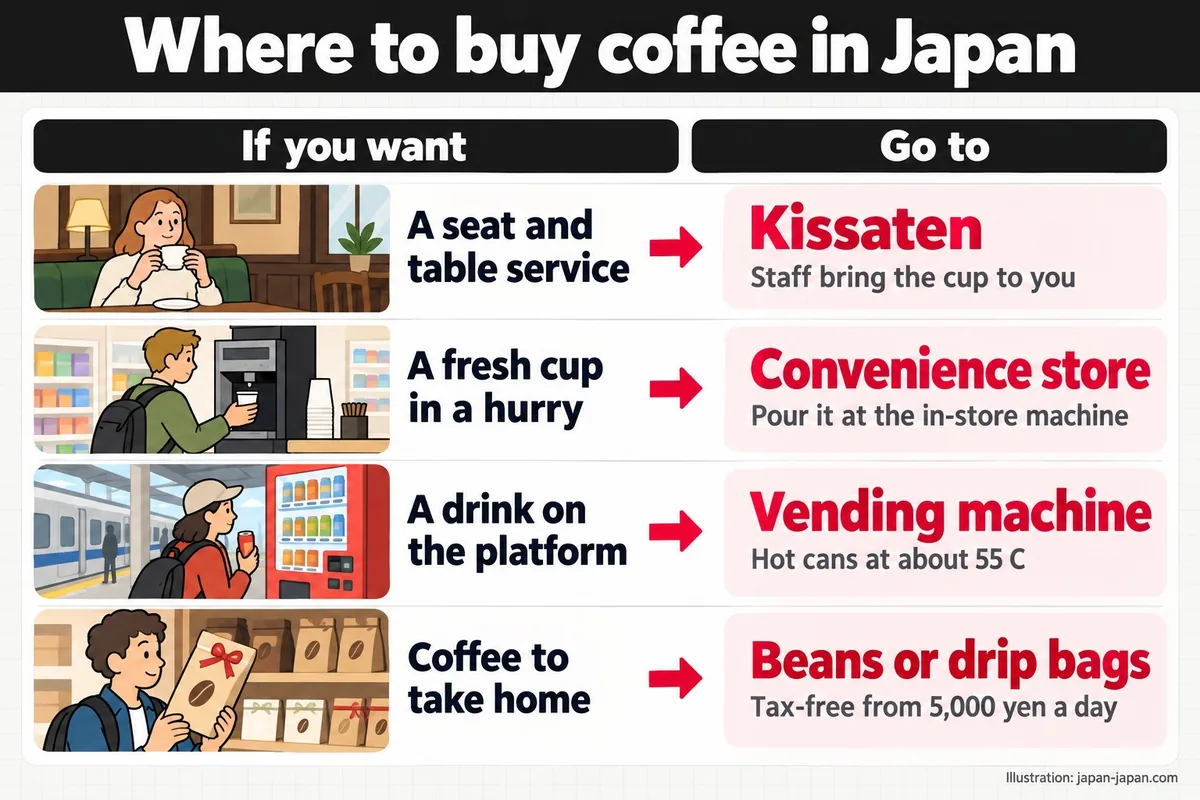
The picture above matches each situation to a seller. If you want to sit for an hour, pick a kissaten. If you have a train to catch, a convenience store or a vending machine is faster. For coffee to take home, buy beans or drip bags at a tax-free shop. The minimum is 5,000 yen per shop per day.
For current prices, use the e-Stat Retail Price Survey prices by city list. Pick the latest month, then open the file named 主要品目の都市別小売価格 (shuyō hinmoku no toshi-betsu kouri kakaku, retail prices of major items by city). The Statistics Bureau says all of its survey prices include consumption tax, so the figure matches what you pay at the counter.
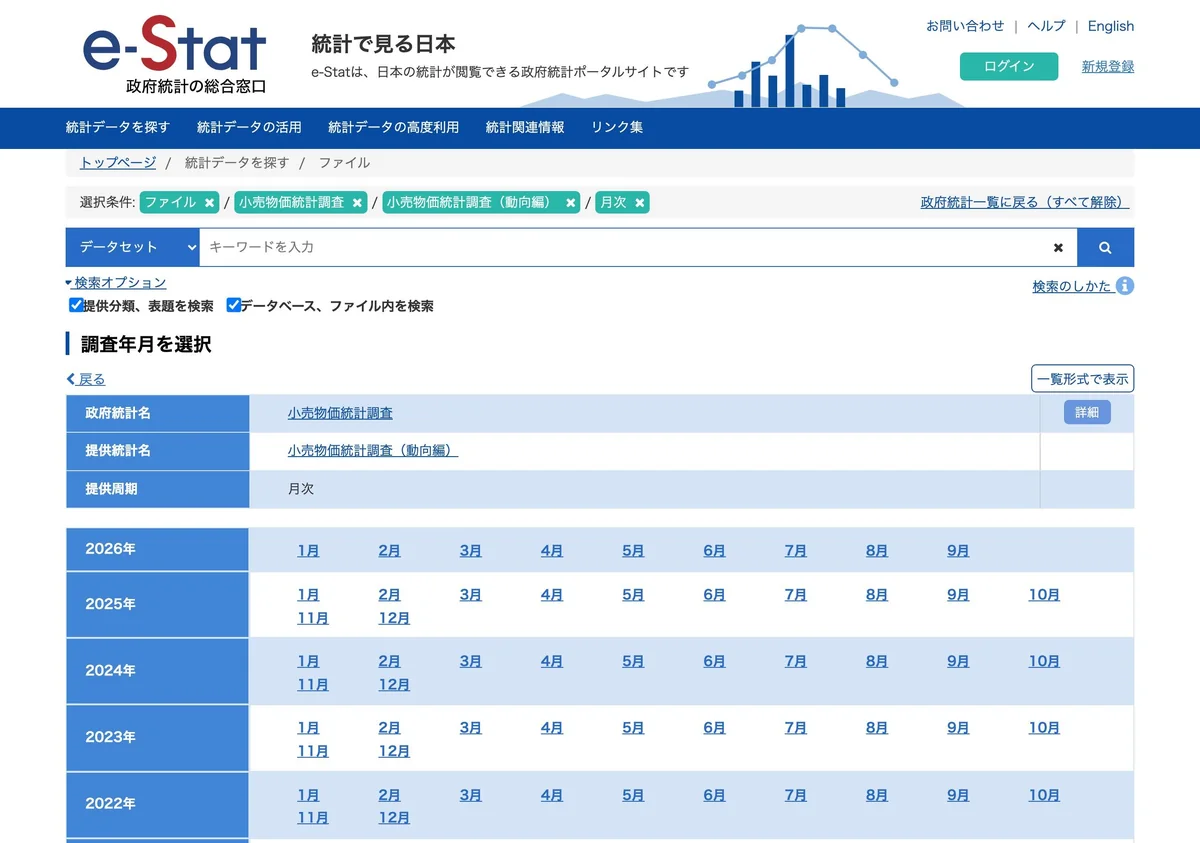
The screen above is the e-Stat file list for the monthly retail price survey. Each month from 2026 back to the 2000s has its own set of files, and the city price table sits inside each month.
Kissaten: Japan’s old-style coffee houses
A kissaten (喫茶店) is a coffee house with table service. You walk in, take a seat and order from a member of staff. The coffee arrives at your table, often with a glass of water. Many kissaten also serve toast, sandwiches and simple cakes, and some open early for breakfast.
Kissaten are good places to rest your feet between sights. They also suit travellers who want a proper sit-down cup without the queue at a chain counter.
The household spending survey has an item for money spent at coffee shops. In the Statistics Bureau of Japan household spending rankings by city for the 2023 to 2025 average, Nagoya households spent the most. Tokyo’s wards came second, Gifu third, Saitama fourth and Chiba fifth. The survey covers households of two or more people in each prefectural capital and the large designated cities.
Nagoya and Gifu sit close together in the Tokai region, where the morning set is part of kissaten life. Order a drink in the morning and many cafés add toast or an egg. Our guide to breakfast in Japan covers the morning set and other early meals. If you plan a day in the city, Nagoya by month shows what the weather and events look like through the year.
Tokyo, Saitama and Chiba fill the rest of the top five. That reflects how many people in the capital region meet friends or work over coffee outside the home. For a visitor, it means kissaten are easy to find in central Tokyo, often a short walk from a station.
Canned coffee and vending machines in Japan
Canned coffee is the coffee most visitors try first, usually from a machine on the street. The Japan Vending System Manufacturers Association vending machine FAQ gives four reasons why machines spread so widely in Japan. It names public safety and the large number of 100-yen coins in use. It also names ticket machines at stations, and canned coffee sold from machines with hot and cold drinks side by side.
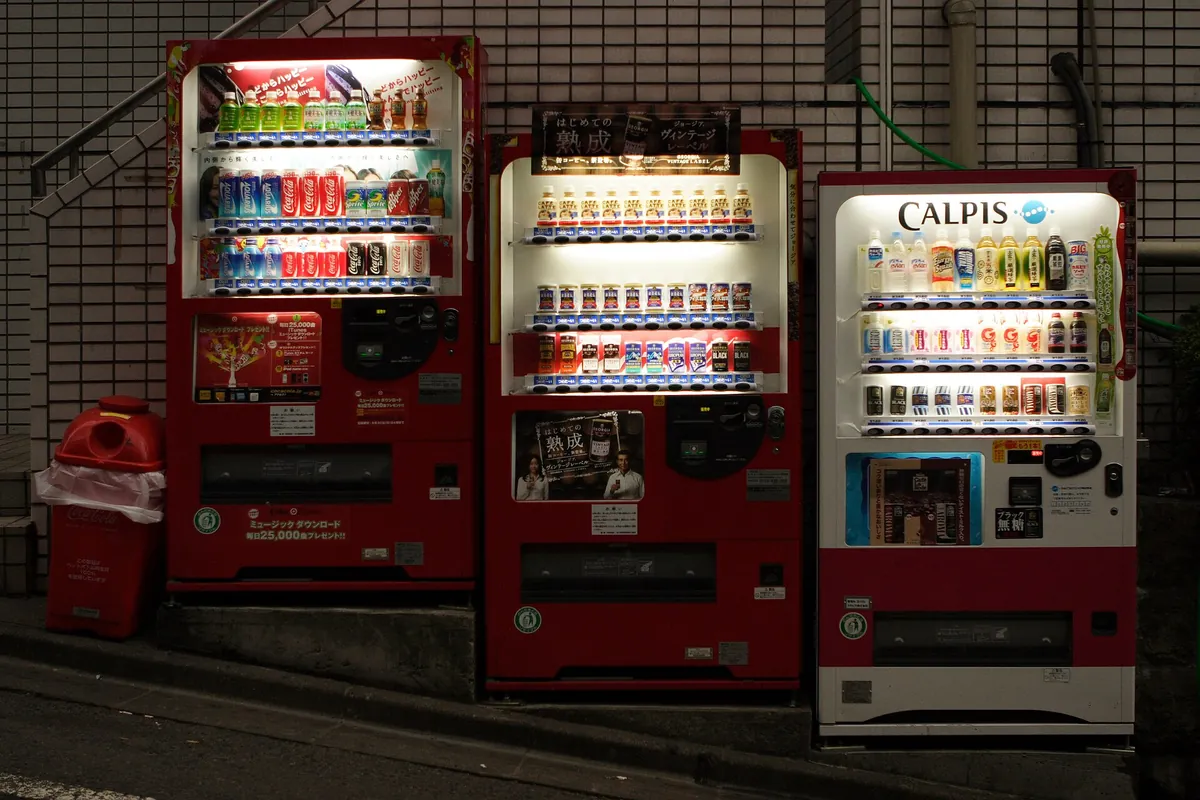
The photo shows a typical row of drink machines. The association says a standard machine holds about 500 cans. Hot drinks are warmed to about 55°C, and cold drinks are chilled to about 5°C. That is why you can buy a hot coffee in winter from a machine on a street corner.
The association also says the United States has the most machines in total, while Japan probably has the most for its population and land area. The number of canned and bottled drink machines was 99.9% of the year before. Cup coffee and cocoa machines fell faster, to 90.3% of the year before.
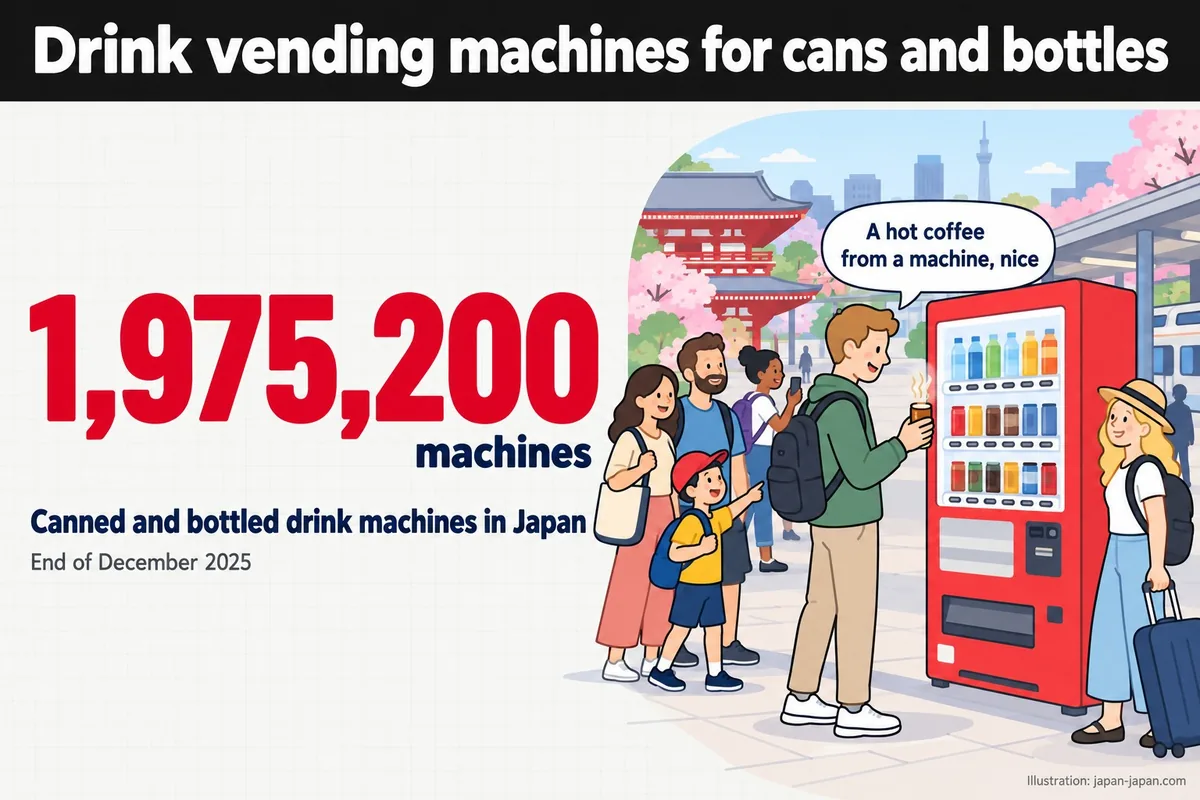
The illustration puts the 1,975,200 canned and bottled drink machines in one number. You will not find cup machines on the street. A machine that brews coffee into a cup needs a food hygiene permit, the association explains. One condition of that permit is that the machine stands indoors. Look for cup machines in stations, offices and hospitals.
Buying from a machine takes a few seconds:
- With cash, put in your coins or note first, then press the button.
- With an IC card, choose the drink first, then touch your card on the reader.
- Take the can from the slot at the bottom, and collect any change.
- Drop the empty can in the recycling box next to the machine.
The association says the IC card order differs because the machine needs to know the price before it can take the money. The JNTO IC Travel Cards guide says you can use an IC card at a number of vending machines and convenience stores. A Suica card needs a 500 yen deposit and holds up to 20,000 yen. A Welcome Suica for visitors needs no deposit.
When the balance runs low, you can top up an IC card with cash at station ticket machines and fare adjustment machines. You add 500, 1,000, 2,000, 3,000, 5,000 or 10,000 yen at a time, and a credit card does not work for this.
If a machine takes your money and gives nothing back, look at the front. Every machine carries a sticker with the operator’s name, address and phone number, and the association says complaints go to that operator.
Canned and bottled coffee drinks have their own line in the household spending survey. For the 2023 to 2025 average, households in Aomori spent the most on them, followed by Toyama and Naha. These are cities with long winters or long hot summers, where a drink from a machine is part of the daily routine.
Convenience store coffee
Convenience store coffee is the fresh cup most travellers drink every day. Almost every store has a machine near the register that grinds and brews one cup at a time. The retail price survey treats this self-service cup as its own item, separate from bottled coffee on the shelf.
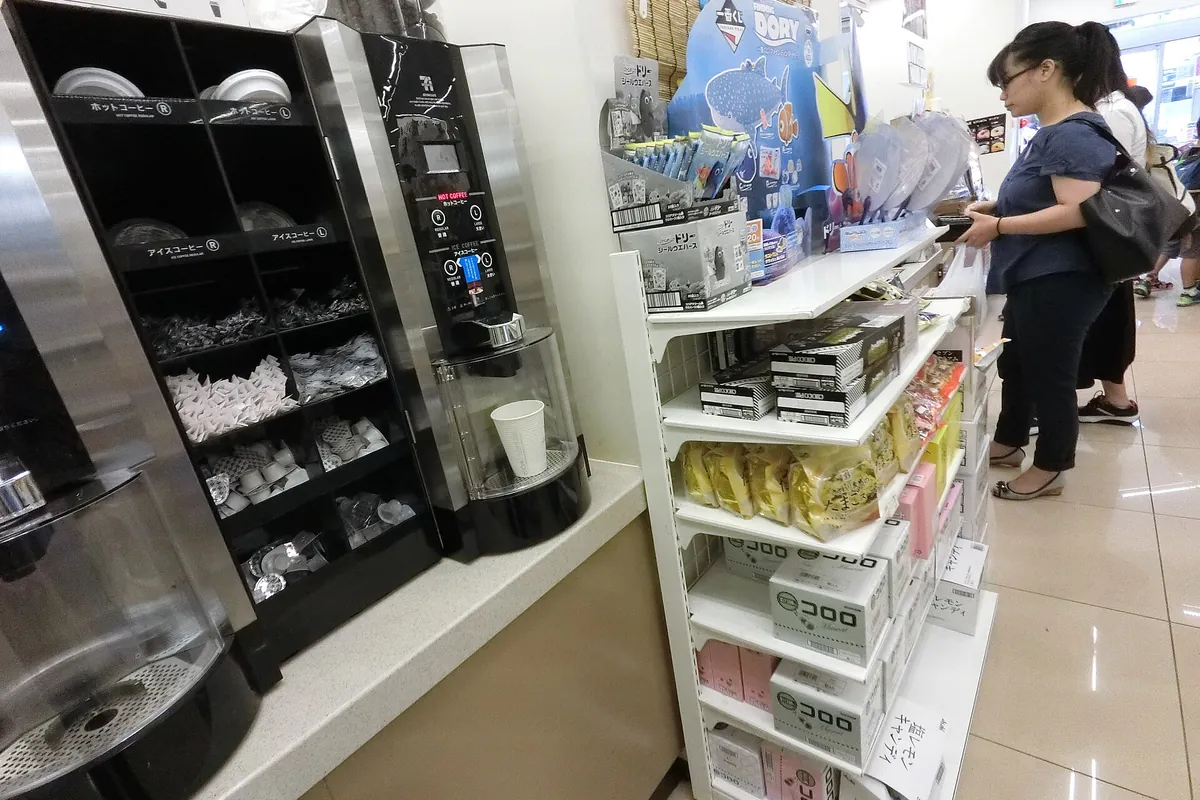
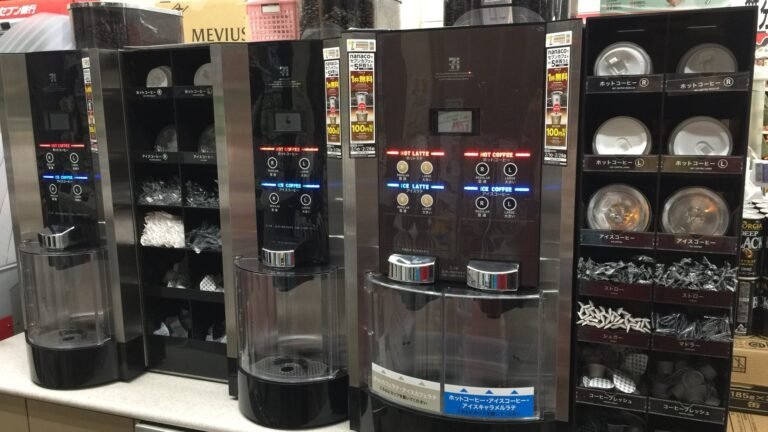
The photo shows a self-service machine of the kind you will see at the counter. The steps differ by chain. In most stores you tell the staff hot or iced and the size, pay, and take an empty cup to the machine. Put the cup in place, press the button for your drink and wait for it to finish before you lift it out.
You can pay with an IC card at many stores, and some stores also let you add money to the card at the register. The Japan Franchise Association convenience store statistics page posts monthly store counts and sales for its member chains, and the latest report covers August 2026.
Coffee pairs well with the food on the shelves. Our guide to Japanese convenience store food lists the onigiri, sandwiches and sweets worth trying. Many visitors buy a coffee and a pastry for breakfast before a train. Stores near stations are busiest in the morning rush, so allow a few extra minutes.
Bottled coffee sits in the fridge next to the tea and water. The survey prices it as a separate item from the fresh cup, so you will see both options in almost every store. Bottled coffee is handy for a long train ride because the cap closes again.
Which Japanese cities drink the most coffee
The household survey also counts beans, ground coffee and instant coffee bought for home. Kyoto households bought the largest amount for the 2023 to 2025 average. Kanazawa came second, Otsu third, Hiroshima fourth and Kobe fifth.
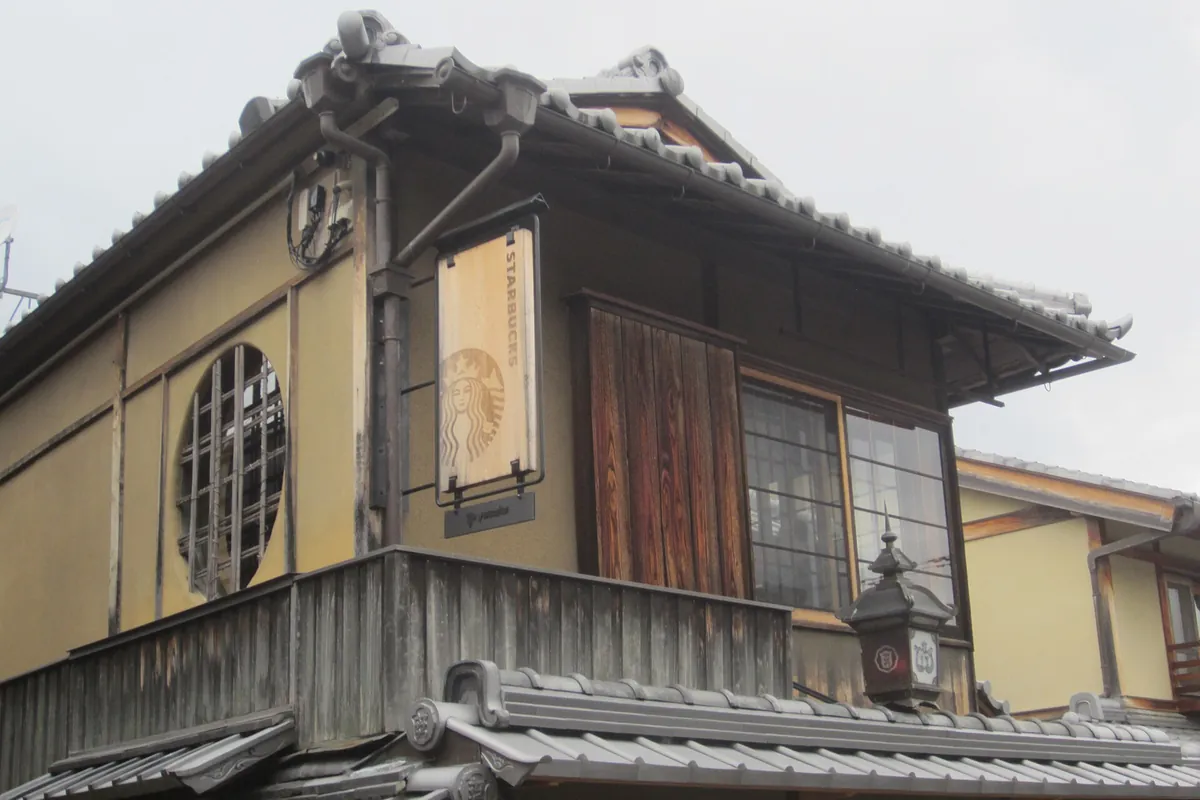
The photo shows a coffee shop in Kyoto, the city that buys the most coffee by weight. Ranked by money spent on coffee instead, Otsu came first and Kyoto second. Mito, Tokyo’s wards and Kobe followed. Otsu is the capital of Shiga and sits next to Kyoto, so the area around Lake Biwa and Kyoto leads on both lists.
| What households buy | First | Second | Third |
|---|---|---|---|
| Coffee shop visits (money spent) | Nagoya | Tokyo wards | Gifu |
| Beans, ground and instant (amount) | Kyoto | Kanazawa | Otsu |
| Beans, ground and instant (money spent) | Otsu | Kyoto | Mito |
| Canned and bottled coffee drinks (money spent) | Aomori | Toyama | Naha |
The table sets the four coffee rankings side by side. Nagoya leads for coffee shop spending, Kyoto for the amount of coffee bought, Otsu for coffee spending and Aomori for canned and bottled coffee drinks. Use the list as a hint for a coffee trip: the cities that buy the most beans also tend to have many roasters and cafés.
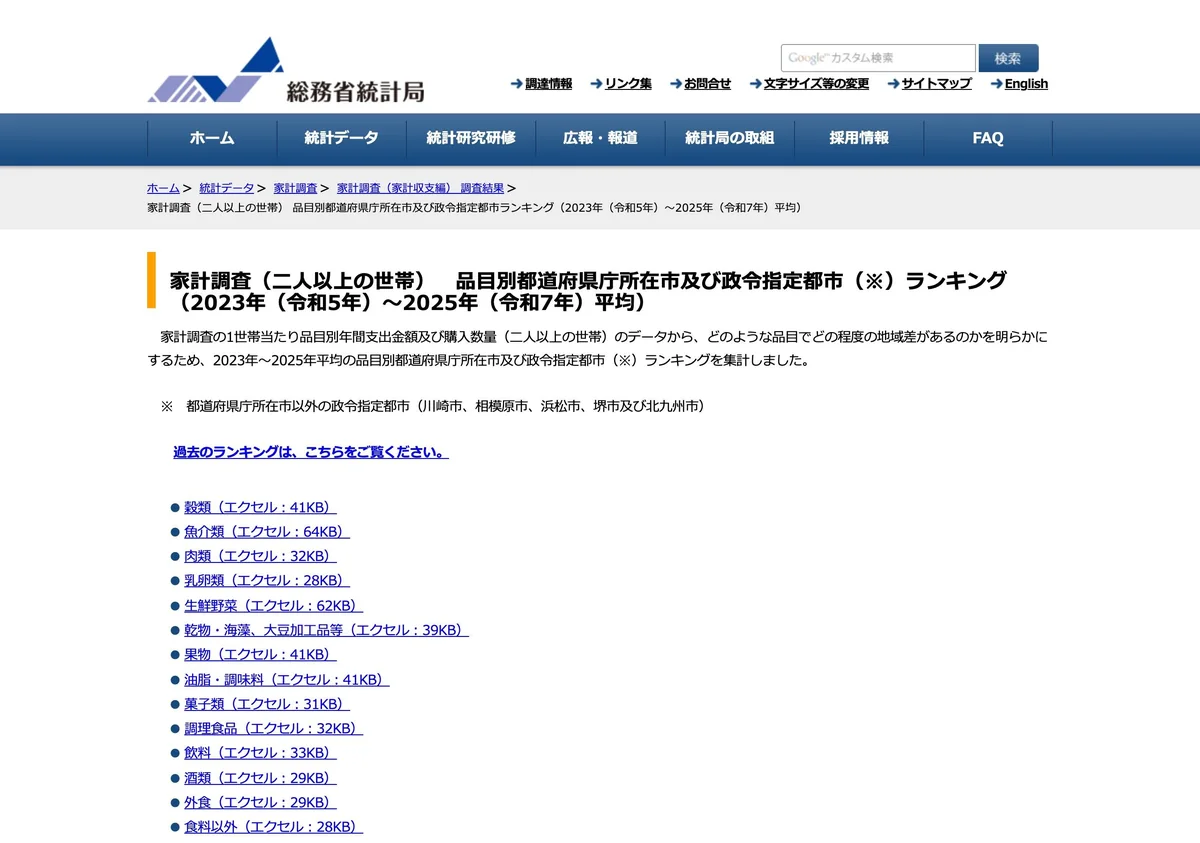
The screen above is the Statistics Bureau page that holds these rankings. It offers one Excel file per food group, and coffee appears in the drinks file and the eating-out file. The page covers the 2023 to 2025 average and links to older rankings and to yearly data back to 2005.
Kyoto and Kanazawa make an easy pair for a coffee trip. See Kyoto to Kanazawa for the train options, and Kyoto by month for the best season to go.
Taking Japanese coffee home
Coffee beans and drip bags are light, easy to pack and popular as gifts. Two sets of rules matter before you fly: tax-free shopping and the liquids rule at airport security.
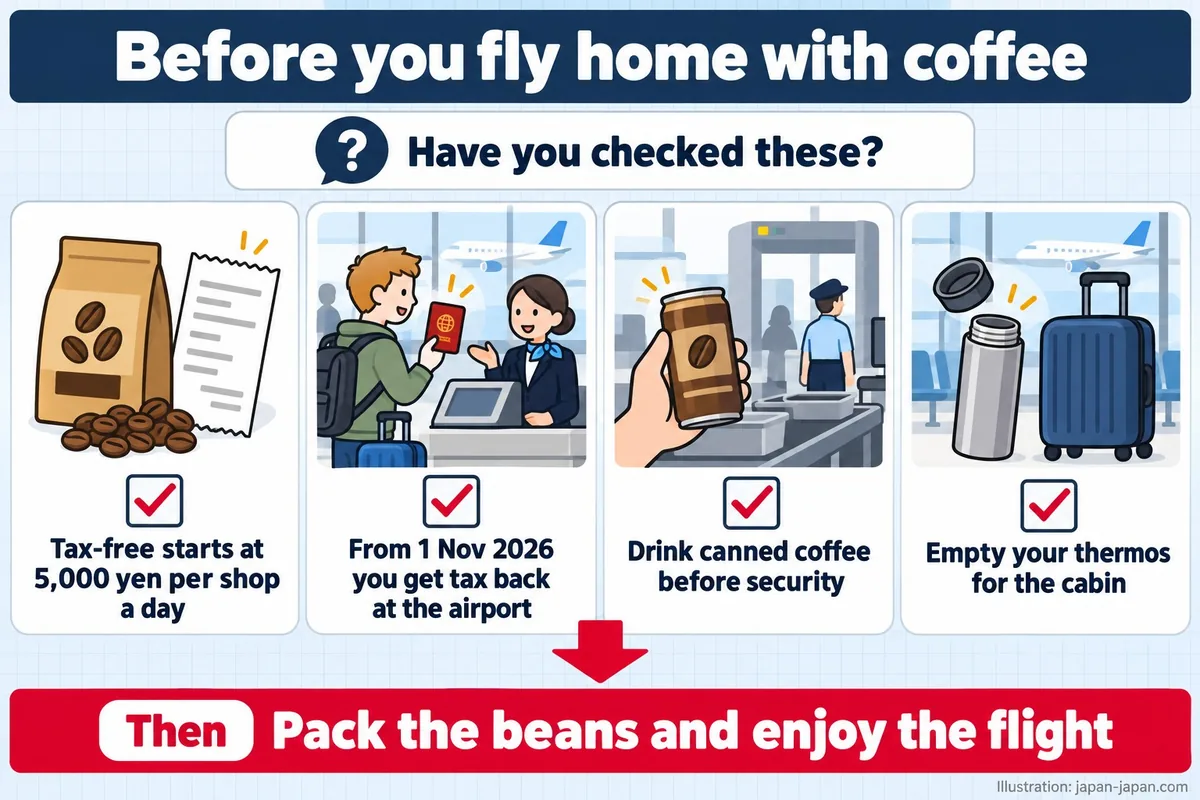
The checklist above covers both sets of rules. Tax-free shopping changes on 1 November 2026. The Japan Tourism Agency tax-free refund system page explains the new refund method. From that date you pay the price with tax at the shop. You get the consumption tax back after customs confirms at departure that you are taking the goods out of Japan.
The customs check must happen within 90 days of the purchase. You show your passport at a tax-free kiosk in the departure lobby before you check in your bags. You need every item from the receipt with you. If you already ate or drank part of a purchase, tell the customs officer. The agency says you get no refund for that purchase.
The minimum is 5,000 yen before tax, bought at one shop on one day. Coffee beans and drip bags count as consumables, and the old sealed special packaging ends under the new system. Our page on what you can buy and the 5,000 yen minimum explains the limit. The changes on 1 November 2026 page walks through the new steps.
At Narita, Haneda, Kansai, Chubu, Fukuoka, New Chitose and Naha airports, you can also do the check online through Visit Japan Web. You connect to the airport’s own wireless network in the international departure lobby, before security.
Liquid coffee is a different matter. On international flights, each container in your carry-on must be 100ml or less, inside one clear bag of 1 litre or less. An ordinary 500ml bottle does not pass. Our page on bottled drinks on a plane shows the full rule. Finish your canned coffee before security, or pack it in your checked bag.
Drinks bought after security can go on the plane. On domestic flights inside Japan, the 100ml limit does not apply. A thermos follows the same rule. Our water bottle and thermos page says an empty one is fine in the cabin. A full one counts as a liquid on international flights.
FAQ
Is coffee expensive in Japan?
It depends on where you buy it. A kissaten includes table service, so a cup there is the priciest way to drink coffee. A convenience store cup or a can from a vending machine costs much less. For the latest tax-included prices by city, check the monthly retail price file on e-Stat.
What is a kissaten in Japan?
A kissaten is a traditional coffee house where you sit down and staff bring your order to the table. Many also serve toast and light meals. Nagoya households spend the most at coffee shops, according to the household spending survey.
Can you buy hot coffee from vending machines in Japan?
Yes. Machines sell hot cans warmed to about 55°C, often next to cold drinks at about 5°C. Hot coffee is easiest to find in the colder months. Cup coffee machines only stand indoors, because their permit requires it.
Can you pay for vending machine coffee with Suica?
Yes, at many machines. JNTO says IC cards work at a number of vending machines and convenience stores. Choose the drink first, then touch your Suica on the reader.
About the author


.jpg)
_-_212.jpg)