Shinkansen Lines Map: 10 Lines and the 3 Gaps Between Them
Most maps online are a single image. This guide puts the same network into words and tables. You can see which line reaches your city, who runs it, and where you change trains.
The Japan Rail Pass works on all 10 lines, with one exception: you cannot ride the Nozomi or the Mizuho on it. That rule matters most on the busy Tokyo to Hakata corridor, and the pass section below covers it.
The 3 gaps are where most first-time riders get confused. At each one, the shinkansen stops and a limited express train carries you on. The diagram below shows all three changes side by side.
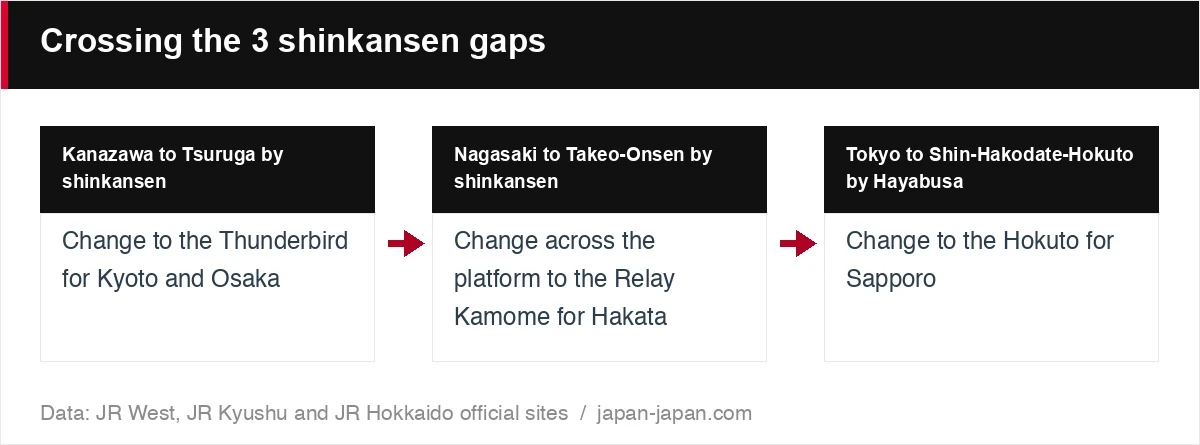
In short: from Kanazawa you ride to Tsuruga and change to the Thunderbird for Kyoto and Osaka. From Nagasaki you ride to Takeo-Onsen and change to the Relay Kamome for Hakata. From Tokyo you ride the Hayabusa to Shin-Hakodate-Hokuto and change to the Hokuto for Sapporo.
All 10 lines on the shinkansen lines map
Read the shinkansen lines map as one long spine with branches. The spine runs from Shin-Aomori in the north through Tokyo, Shin-Osaka and Hakata to Kagoshima-Chuo in the south. Branches leave it for Niigata, Kanazawa, Akita, Yamagata and Nagasaki, and the Hokkaido line extends it north under the sea.
Five companies share the network. JR East runs the lines heading north from Tokyo, as far as Shin-Aomori and Joetsu-Myoko. JR Central runs only the Tokaido Shinkansen. JR West runs the Sanyo line and the western half of the Hokuriku line. JR Kyushu runs both lines on Kyushu, and JR Hokkaido runs the line across to Hokkaido.
| Line | Route | Operator | Main trains |
|---|---|---|---|
| Tokaido | Tokyo – Shin-Osaka | JR Central | Nozomi, Hikari, Kodama |
| Sanyo | Shin-Osaka – Hakata | JR West | Nozomi, Mizuho, Sakura, Hikari |
| Kyushu | Hakata – Kagoshima-Chuo | JR Kyushu | Mizuho, Sakura |
| Nishi Kyushu | Takeo-Onsen – Nagasaki | JR Kyushu | Kamome |
| Tohoku | Tokyo – Shin-Aomori | JR East | Hayabusa, Hayate, Yamabiko |
| Hokkaido | Shin-Aomori – Shin-Hakodate-Hokuto | JR Hokkaido | Hayabusa, Hayate |
| Akita | Tokyo – Akita (splits at Morioka) | JR East | Komachi |
| Yamagata | Tokyo – Yamagata (splits at Fukushima) | JR East | Tsubasa |
| Joetsu | Tokyo – Niigata (splits at Omiya) | JR East | Joetsu Shinkansen trains |
| Hokuriku | Tokyo – Tsuruga | JR East and JR West | Kagayaki, Hakutaka |
The table shows each line with its end stations, its operator and the trains you will see on the departure boards. Train names matter more than line names in practice. Station screens and tickets show “Hayabusa” or “Kagayaki”, not “Tohoku Shinkansen”.
The Hokuriku line is the one that crosses a company border. JR East runs it from Tokyo to Joetsu-Myoko, and JR West runs it from Joetsu-Myoko to Tsuruga. The same Kagayaki train runs straight through, so you do not change trains at the border. The split only matters for regional passes, which follow company lines.
The Akita and Yamagata lines are different from the rest. Their trains start in Tokyo on full shinkansen tracks, then leave them at Morioka and Fukushima. From there they run on older lines that were widened for shinkansen trains. That is why maps sometimes draw them thinner or in a different colour.
If you start in Tokyo, the quickest way to use the map is to look up your destination first. The lookup below lists the line to board for the cities visitors ask about most.
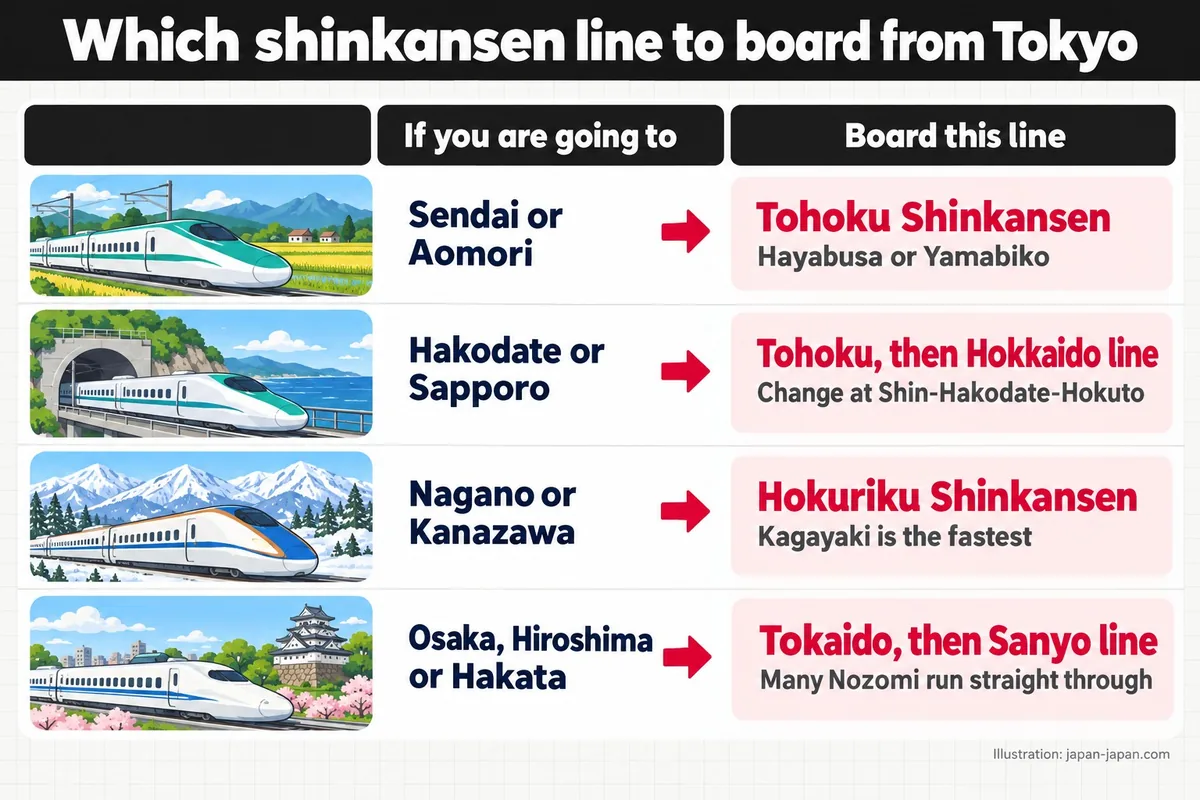
For example, Sendai and Aomori are on the Tohoku line, so you board a Hayabusa or Yamabiko. Kanazawa and Nagano are on the Hokuriku line, where the fastest train is the Kagayaki. Niigata has its own line, the Joetsu Shinkansen. For Osaka, Hiroshima and Hakata, you head south-west on the Tokaido line, and many Nozomi trains run on into the Sanyo line without a change.
How long each line takes: times and fares on 5 trips
Distance on a map can mislead you. Trains on each line run at different speeds and make different numbers of stops. Our route pages list JR’s own times and fares, so they give a clearer picture of each line.
On the Hokuriku line, the Tokyo to Nagano route by Kagayaki takes 1 h 17 min at the fastest. A reserved seat costs 8,450 yen. Go on to Kanazawa and the Tokyo to Kanazawa Kagayaki trip takes 2 h 24 min for 14,600 yen. The first Kagayaki leaves Tokyo Station at 06:16 and the last train to Kanazawa leaves at 21:04.
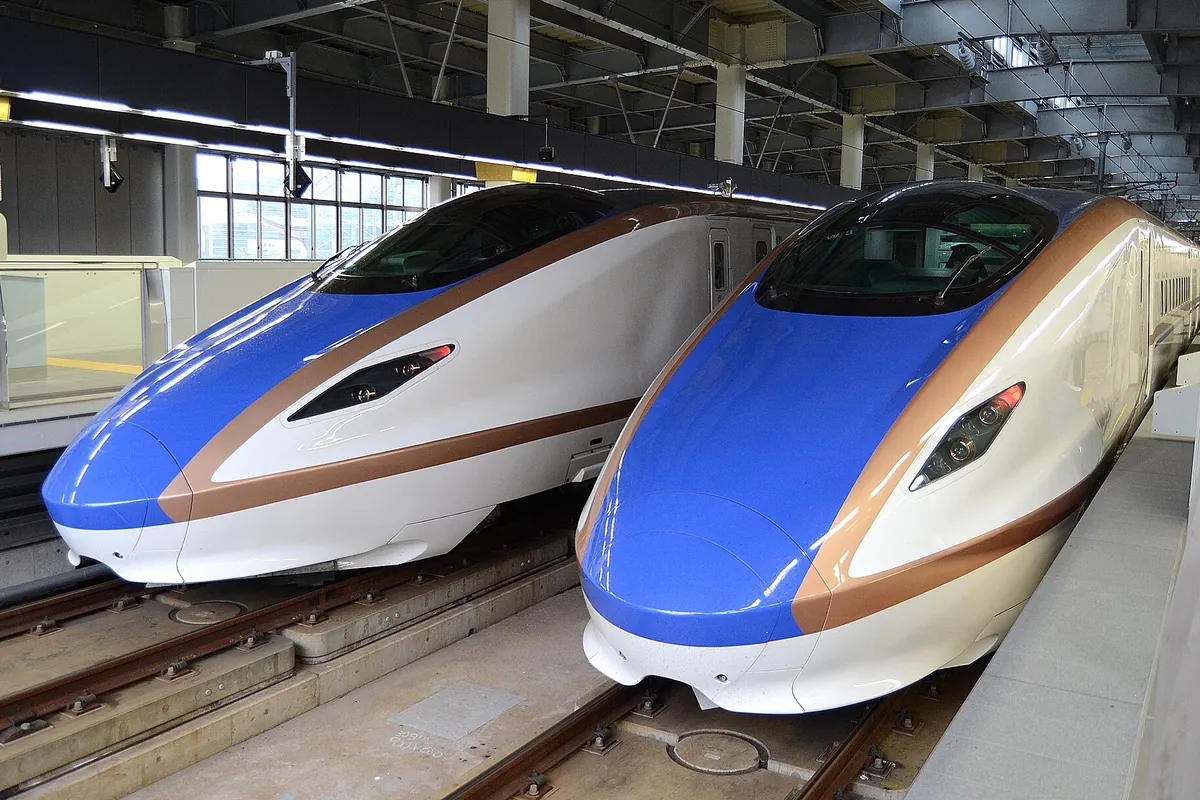
The photo shows a Hokuriku Shinkansen train at Kanazawa, the busiest stop for visitors on this line. From here the line continues south-west to Tsuruga.
On the Sanyo line, the Osaka to Hiroshima page shows the Mizuho running from Shin-Osaka to Hiroshima in 1 h 20 min. A reserved seat costs 10,950 yen. JR Central’s timetable lists 96 trains a day between the two stations. The first leaves at 06:00 and the last at 22:29.
The northern trips are longer. The Hayabusa plus the Hakodate Liner takes 4 h 29 min from Tokyo to Hakodate, for 24,530 yen. To Sapporo, the Hayabusa plus the Limited Express Hokuto takes 7 h 45 min, for 30,120 yen. Both trips need a change at Shin-Hakodate-Hokuto.
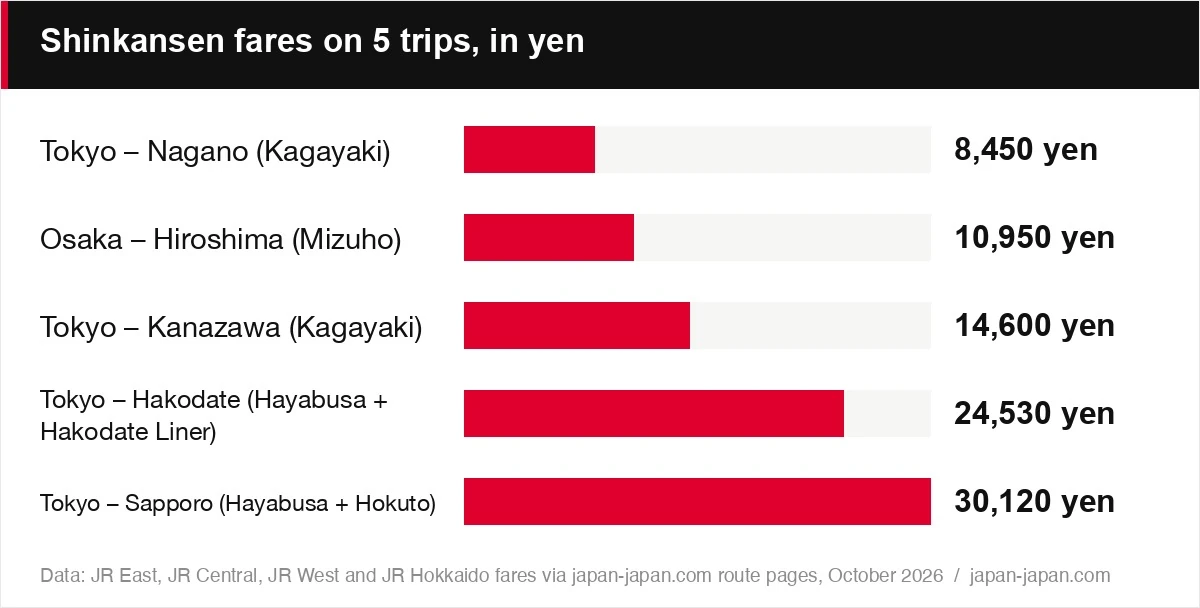
The bar chart compares the fares for these 5 trips. Each fare is the one listed on our route page for that trip.
| Item | Value | Note |
|---|---|---|
| Tokyo – Nagano (Kagayaki) | 8450 yen | 1 h 17 min |
| Osaka – Hiroshima (Mizuho) | 10,950 yen | 1 h 20 min |
| Tokyo – Kanazawa (Kagayaki) | 14,600 yen | 2 h 24 min |
| Tokyo – Hakodate (Hayabusa + Hakodate Liner) | 24,530 yen | 4 h 29 min |
| Tokyo – Sapporo (Hayabusa + Hokuto) | 30,120 yen | 7 h 45 min |
The chart makes one point clear. Past Shin-Hakodate-Hokuto, the fare keeps rising but the trains slow down. For Sapporo, flights from Haneda take 1 h 30 min and there are 56 a day, so most travellers fly that leg.
The Hokuriku line also gives you two ways from Osaka to Nagano. The Nozomi plus the Limited Express Shinano takes 3 h 58 min for 13,770 yen. The Thunderbird plus the Kagayaki takes 3 h 23 min for 16,290 yen. The Osaka to Nagano route page compares both with first and last trains.
Where the lines connect: Tokyo, Omiya, Shin-Osaka and Hakata
Four stations hold the network together. If you learn what happens at each one, you can plan almost any long trip on the map.
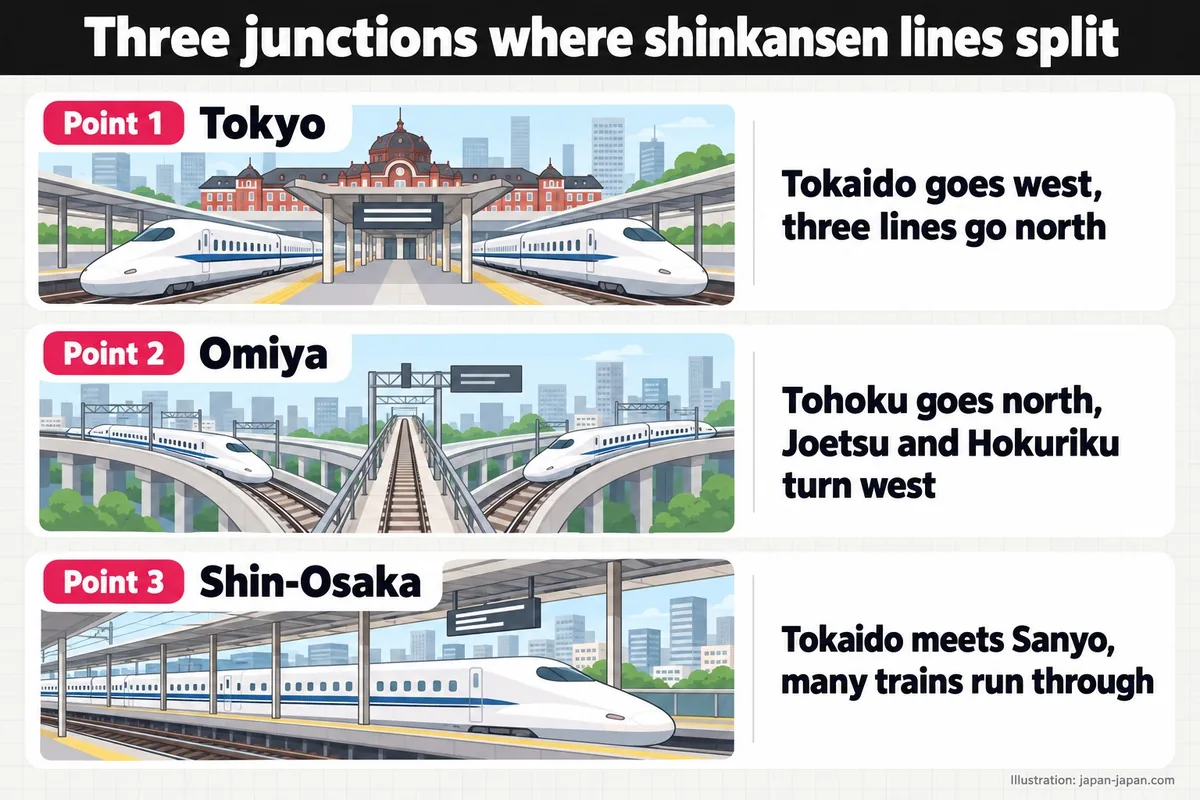
The illustration above shows the three junctions you will most likely pass. It marks which lines split at each one.
Tokyo Station is the main split. The Tokaido Shinkansen starts here and heads south-west to Nagoya, Kyoto and Shin-Osaka. The Tohoku, Joetsu and Hokuriku lines also start here and head north. These two groups use different platforms and different ticket gates, because JR Central and JR East run them.
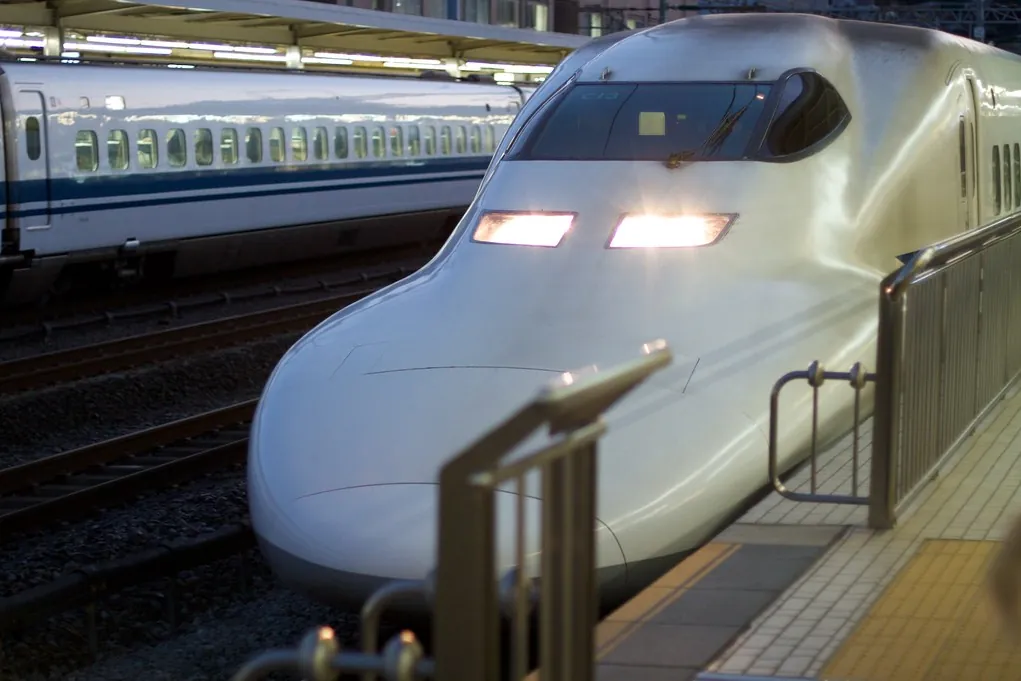
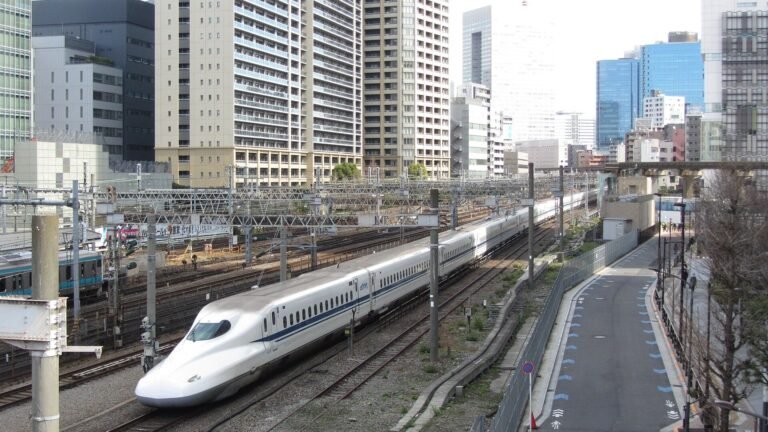
The photo shows shinkansen trains waiting at Tokyo Station. To change between a northern line and the Tokaido line, follow the signs to the other company’s shinkansen gates. Allow time for the walk.
Omiya is where the northern lines separate. Trains for the Tohoku line continue north to Sendai and Aomori. Trains for the Joetsu and Hokuriku lines turn north-west. Nearly every northern train stops here, so Omiya is also a handy place to board if you stay north of central Tokyo.
Morioka and Fukushima are the branch points for the mini-shinkansen. The red Komachi to Akita runs coupled to a Hayabusa from Tokyo and uncouples at Morioka. The Tsubasa to Yamagata runs with a Yamabiko and splits at Fukushima. Check the car number on your ticket so you are in the right half of the train.
Shin-Osaka is where the Tokaido line meets the Sanyo line. Many Nozomi trains run straight through from Tokyo to Hakata, so you only change here if your train ends at Shin-Osaka. The JR West route maps and timetables page links to station maps for Shin-Osaka, Hiroshima and Hakata.
Hakata is where the Sanyo line meets the Kyushu line. The Mizuho and Sakura run through from Shin-Osaka into Kyushu. Hakata is also where the Relay Kamome starts for Takeo-Onsen and Nagasaki.
The 3 gaps on the shinkansen lines map: Tsuruga, Takeo-Onsen and Shin-Hakodate-Hokuto
Three lines stop short of where most visitors want to go. At each gap, you change to a limited express train. The changes are short and well signed, but you need the right ticket for both trains.
Tsuruga: Hokuriku Shinkansen to the Thunderbird
The Hokuriku Shinkansen ends at Tsuruga. To reach Kyoto or Osaka, change to the Limited Express Thunderbird. Coming the other way, the Osaka to Kanazawa route starts on the Thunderbird and switches to the shinkansen at Tsuruga.
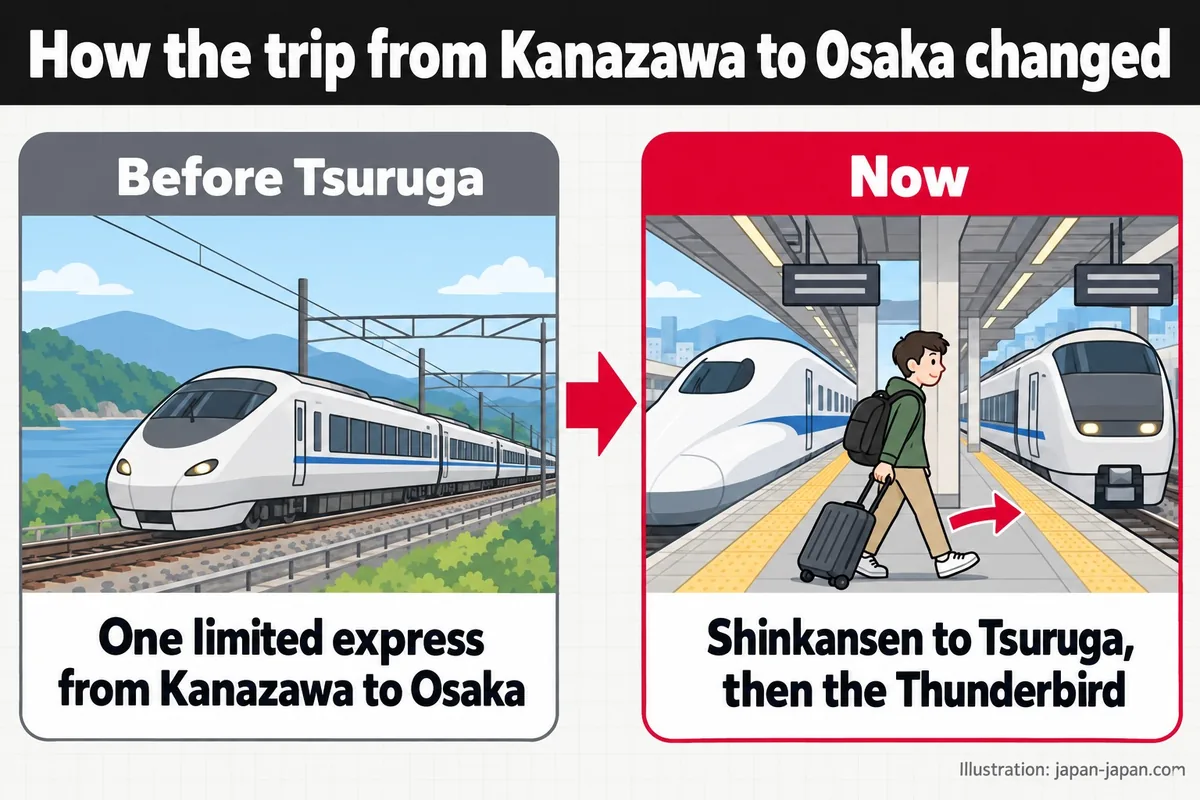
The before-and-after drawing shows what changed when the line reached Tsuruga. The Thunderbird used to run all the way to Kanazawa. Now it stops at Tsuruga, and the shinkansen covers the rest. The Kansai-Hokuriku Area Pass covers the Hokuriku Shinkansen between Tsuruga and Joetsu-Myoko, including reserved seats, for 19,000 yen for 7 days.
Takeo-Onsen: Relay Kamome to the Nishi Kyushu Shinkansen
The Nishi Kyushu Shinkansen runs from Takeo-Onsen to Nagasaki. It has no shinkansen link to the rest of the network. The JR Kyushu Relay Kamome train page explains the link. The Relay Kamome runs from Hakata to Takeo-Onsen, and you change to the shinkansen Kamome on the opposite side of the same platform.
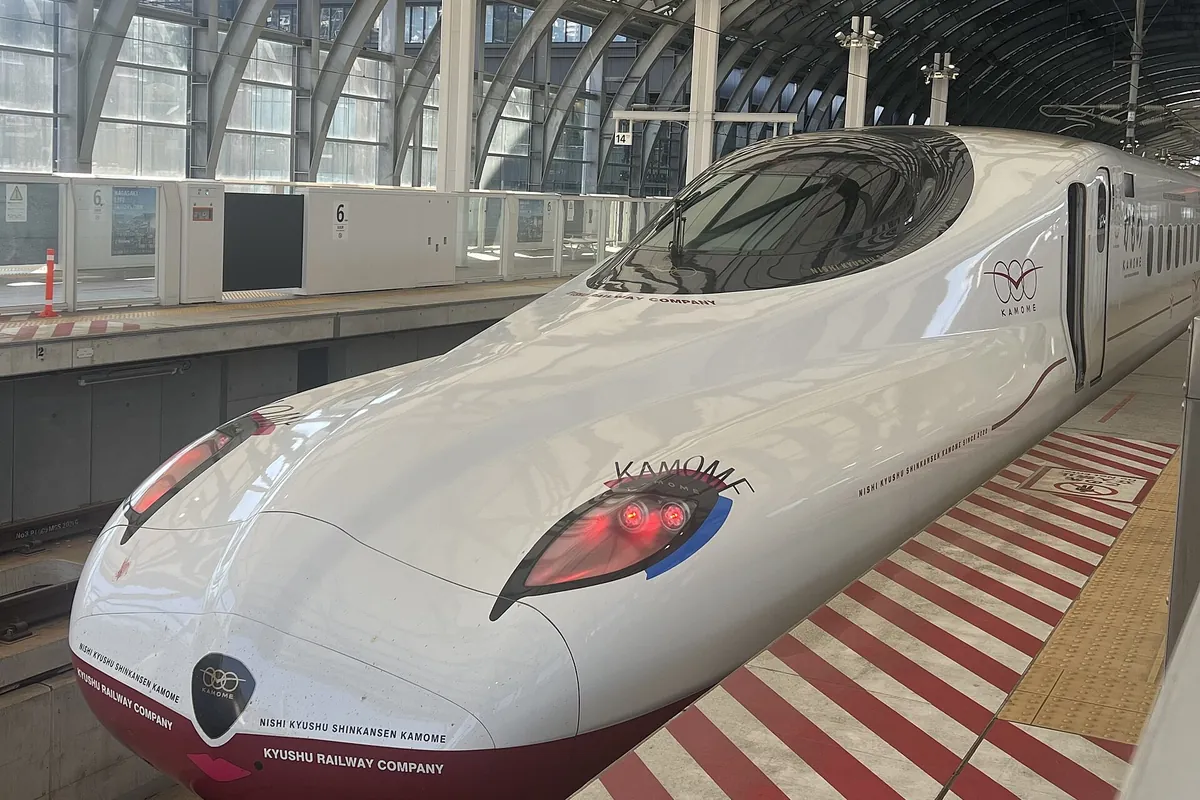
The photo shows the Kamome, the only train on the Nishi Kyushu Shinkansen. Buy a ticket that covers your whole trip before you board the Relay Kamome. If you change without leaving the ticket gates on the same day, JR Kyushu issues it as a single ticket.
The Relay Kamome has no on-board sales and no Green Car service, so buy drinks at Hakata. JR Kyushu Rail Pass holders cannot book these two trains online. To reserve a seat, go to a ticket counter at a JR station after you arrive. For a non-reserved seat, the pass alone is enough. The Tokyo to Nagasaki route page covers the full trip from the capital.
Shin-Hakodate-Hokuto: Hayabusa to the Hokuto
The Hokkaido Shinkansen ends at Shin-Hakodate-Hokuto, and the line to Sapporo is still being built. Change to the Limited Express Hokuto for Sapporo, or to the Hakodate Liner for Hakodate city. The JR Hokkaido train guide and route map notes that every seat on JR Hokkaido’s limited express trains is reserved.
That means you need a reserved seat ticket on top of the basic fare. JR Hokkaido’s own example for Sapporo to Hakodate is a 6,600 yen basic fare plus a 3,170 yen reserved seat, for 9,770 yen in total. A Green Car seat costs 6,830 yen instead, for 13,430 yen in total.
There are no on-board sales on the Hokkaido Shinkansen section of the Hayabusa and Hayate, or on JR Hokkaido limited express trains. Buy food before you board. Our Tokyo to Sapporo route page compares the 7 h 45 min rail trip with flights.
Winter on the northern lines: Tohoku, Hokuriku, Akita and Yamagata
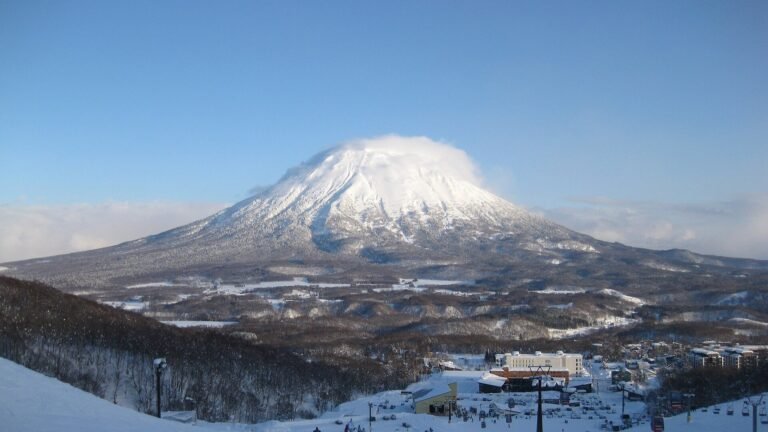
A winter trip from December to February often means the northern half of the map. The Tohoku line takes you to Sendai and Aomori, and the Hokuriku line to Nagano and Kanazawa. The Akita and Yamagata lines go into deep snow country.
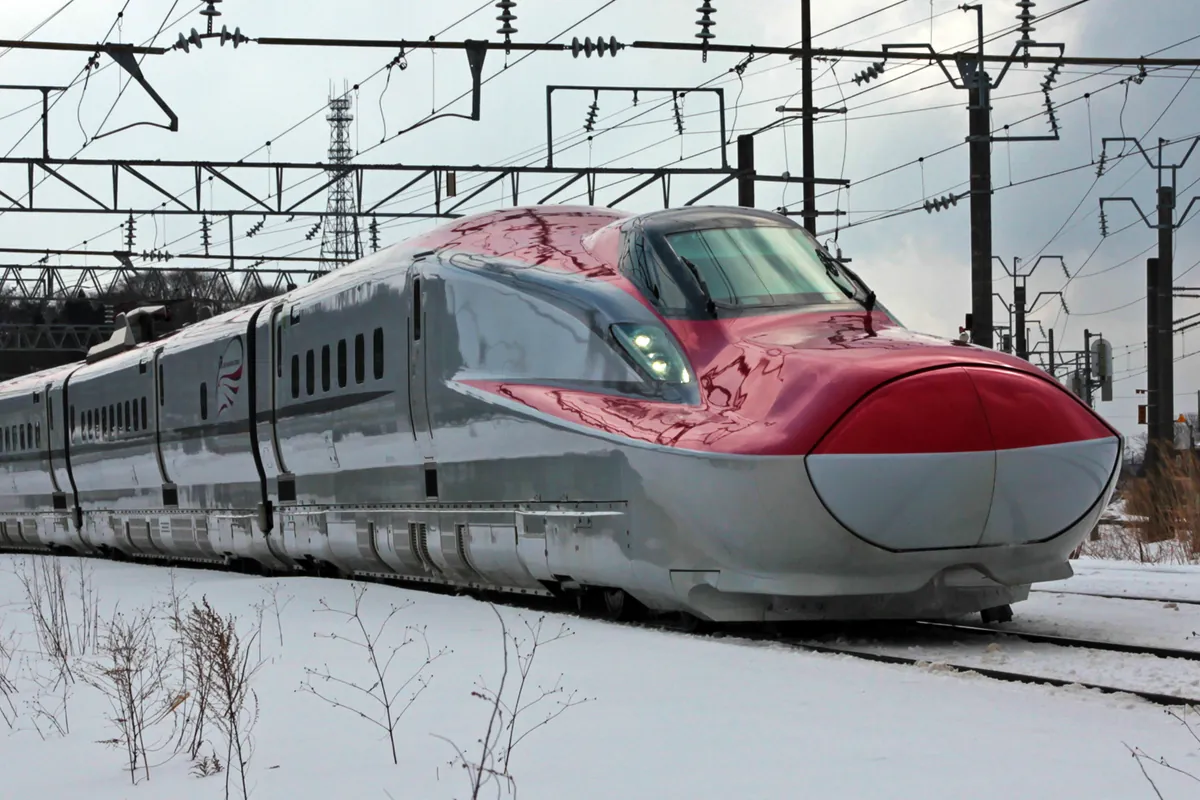
The photo shows the red Komachi in snow. After Morioka, the Komachi leaves the shinkansen tracks for an older, widened line. There it runs slower than the Hayabusa it was coupled to. The Tsubasa to Yamagata works the same way after Fukushima. Allow extra time on these two lines in heavy snow.
Here is where the main northern trains go.
- Hayabusa: the fastest train on the Tohoku line, running on to Shin-Hakodate-Hokuto on the Hokkaido line.
- Komachi: runs with a Hayabusa to Morioka, then on to Akita.
- Tsubasa: runs with a Yamabiko to Fukushima, then into Yamagata Prefecture.
- Kagayaki and Hakutaka: the Hokuriku line trains. The Kagayaki makes fewer stops; the Hakutaka serves more stations, including some ski towns.
Winter is also peak season for crowds. The JR Central Tokaido Shinkansen official site warns that all seats on the Nozomi become reserved during crowded periods. The year-end rush is the biggest of these, so check our New Year 2026–27 holiday guide before you book. Heading to Hokkaido in February? Our Sapporo Snow Festival 2027 guide covers the festival dates.
Ski bags need planning too. JR Central asks passengers with oversized baggage, where length, width and height add up to more than 160cm, to reserve a special seat. Measure your bag before you travel on the Tokaido line.
If a storm delays trains, JR West posts real-time status from 6:00 JST until midnight, and JR Central posts Tokaido Shinkansen status on X. Check before you leave your hotel.
Which rail pass covers which lines
The Japan Rail Pass covers all JR Group trains, including every shinkansen line, except the Nozomi and the Mizuho. It costs 50,000 yen for 7 days in an Ordinary Car on the official website, and children pay 25,000 yen. The pass comes in 7, 14 and 21 day versions.
From October 1, 2026, the 7-day Ordinary Car pass costs 53,000 yen from an overseas agency, up from 50,000 yen. The official website keeps the 50,000 yen price for a limited time. On the Tokaido line, JR Central also sells a special ticket so pass holders can ride the Nozomi.
Regional passes are often cheaper if you only use one part of the map. Each one follows its own company’s lines, which is why the Hokuriku line border at Joetsu-Myoko matters. The table lists the main passes and the shinkansen sections they cover.
| Pass | Shinkansen it covers | Days | Adult price |
|---|---|---|---|
| Japan Rail Pass | All 10 lines, except the Nozomi and Mizuho | 7, 14 or 21 | From 50,000 yen |
| JR EAST PASS | All JR East lines, including the shinkansen | 5 or 10 | From 35,000 yen |
| JR East-South Hokkaido Rail Pass | JR East lines and JR Hokkaido lines around Hakodate, Sapporo and Otaru | 6 | 40,000 yen |
| Hokuriku Arch Pass | Hokuriku Shinkansen, Tokyo to Tsuruga | 7 | 35,000 yen |
| Kansai-Hokuriku Area Pass | Hokuriku Shinkansen, Tsuruga to Joetsu-Myoko | 7 | 19,000 yen |
| Sanyo-San’in Northern Kyushu Pass | Sanyo Shinkansen, Shin-Osaka to Hakata | 7 | 26,000 yen |
For the north, the JR EAST PASS costs 35,000 yen for 5 days and covers all JR East lines, including the Tohoku, Joetsu, Akita and Yamagata Shinkansen. It does not cover the Tokaido Shinkansen. It replaced the older Tohoku-area and Nagano-Niigata-area passes, whose sales ended on March 13, 2026.
To add Hokkaido, the JR East-South Hokkaido Rail Pass costs 40,000 yen for 6 days. Its price went up from 35,370 yen on March 14, 2026, when the area grew to the whole Joetsu Shinkansen. For trains inside Hokkaido only, see the Hokkaido Rail Pass.
For the Hokuriku line, the Hokuriku Arch Pass costs 35,000 yen for 7 days and covers the line from Tokyo to Tsuruga. For the west, the Sanyo-San’in Northern Kyushu Pass costs 26,000 yen for 7 days and covers the Sanyo Shinkansen between Shin-Osaka and Hakata. Neither covers the Tokaido line.
Before you pick a train on the busiest lines, read our comparisons. Nozomi vs Hikari covers the Tokaido line, Kagayaki vs Hakutaka covers the Hokuriku line, and Mizuho or Sakura covers the Sanyo and Kyushu lines. For the full trip from the capital to Kyushu, see the Tokyo to Fukuoka route page.
FAQ
How many shinkansen lines are there in Japan?
There are 10: Tokaido, Sanyo, Kyushu, Nishi Kyushu, Tohoku, Hokkaido, Joetsu, Hokuriku, Akita and Yamagata. Five JR companies run them. The Akita and Yamagata lines are mini-shinkansen that run partly on widened older lines.
Does the shinkansen go all the way to Sapporo?
No. The Hokkaido Shinkansen ends at Shin-Hakodate-Hokuto, and the extension to Sapporo is still under construction. You change to the Limited Express Hokuto there. The whole trip from Tokyo takes 7 h 45 min and costs 30,120 yen.
Can you take the shinkansen from Tokyo to Osaka and on to Fukuoka without changing?
Yes, on many Nozomi trains, which run straight from Tokyo through Shin-Osaka to Hakata. Fukuoka’s shinkansen station is Hakata. The Japan Rail Pass does not cover the Nozomi. Pass holders can buy JR Central’s special ticket, or ride the Hikari and change at Shin-Osaka.
Are the Akita and Yamagata Shinkansen real shinkansen lines?
They are shinkansen services, and the trains start at Tokyo on full shinkansen tracks. After Morioka and Fukushima, they run on older lines widened for shinkansen trains, so they are slower there. The Japan Rail Pass and the JR EAST PASS both cover them.
About the author