Japan Visa Itinerary Example: 10 Days, One Row per Day
Write the dates exactly as they appear on your flight booking. The Embassy of Japan in Maldives tourism visa requirements spell out the content in one line. You list your planned daily activities, plus each place you stay and its contact number, for every day in Japan. The sections below show a filled-in version and what five embassies want next to it.
Japan visa requirements: where the itinerary fits
The itinerary is one sheet in a short stack. For a single-entry tourist visa, the foreign ministry’s checklist asks for six things. They are a valid passport, the application form and one photo. Then come a flight itinerary, proof you can pay for the trip and an itinerary in Japan. Our page on Japan tourist visa requirements walks through each one, including the 45 mm × 35 mm photo space on the form.
Nationals of China, Russia, the CIS countries, Ukraine, Georgia and the Philippines follow their own document outlines. The embassy for the place you live sets the final list, so read its page before you print anything. Papers issued for the application, such as bank statements, should be dated within the last three months.
Some travelers skip all of this. People from the 74 countries and regions on Japan’s visa-exempt list need no visa for stays of 90 days or less without paid work. They never fill in the form. The MOFA Japan visa FAQ page sets that 90-day line, and our list of visa-free countries for Japan shows who is on it. The list was last revised on 1 September 2025.
Indonesia sits in between. Indonesians with an ICAO-compliant ePassport, registered in advance at a Japanese mission, can stay up to 15 days without a visa. Everyone else from Indonesia applies for a visa and writes an itinerary.
The second fork is the invitation. When a relative, friend or business partner in Japan invites you, the host writes a Letter of Reason for Invitation. The host also draws up the Schedule of Stay. MOFA’s FAQ says the host then sends the finished papers to you, and you file them with your application.
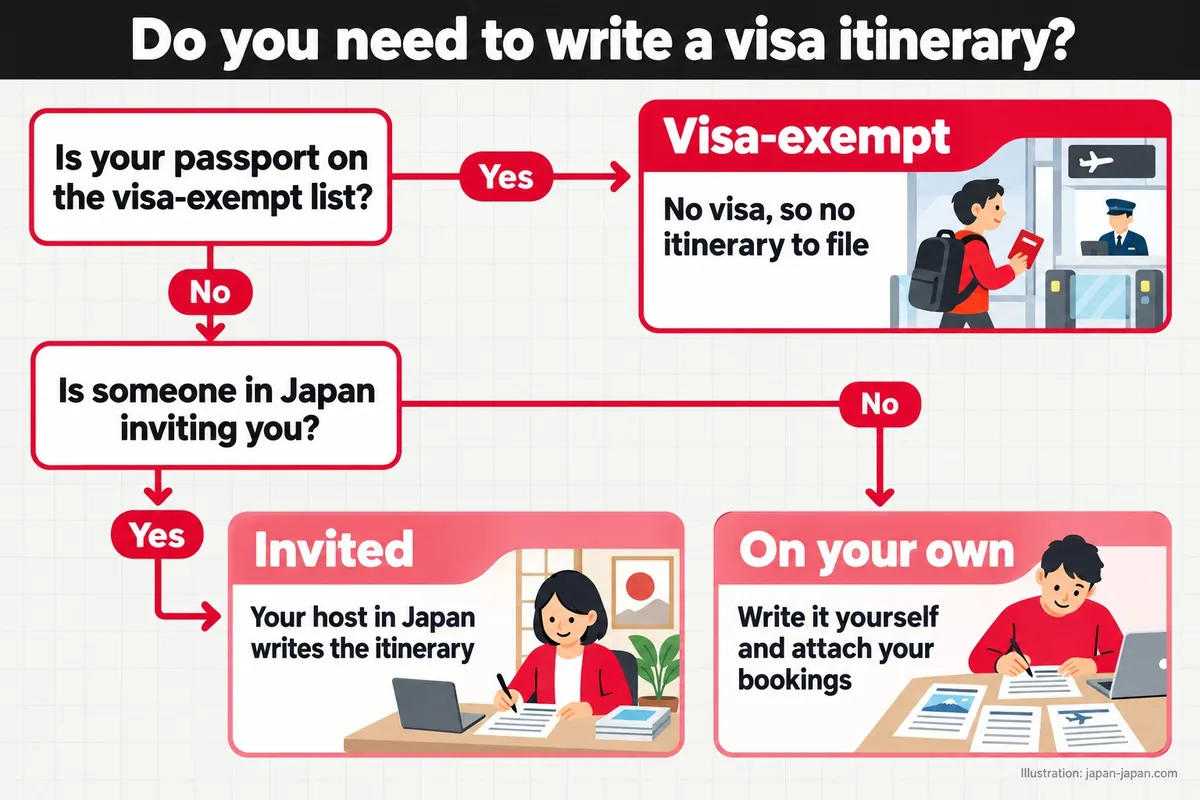
The chart above runs those two questions in order. Answer the passport question first and the invitation question second, and you know who writes the itinerary.
The official form: Itinerary in Japan
The standard form is called Itinerary in Japan. The Embassy of Japan in the Philippines visa page lists it under Basic Documents, in a Japanese and an English version. The same list holds the visa application form, the invitation letter, the list of visa applicants and the letter of guarantee.
The form comes from Japan’s Ministry of Foreign Affairs, whose offices stand in Kasumigaseki, Tokyo. Each embassy gives the same sheet a slightly different name:
- Sri Lanka: Schedule of Stay, item 12 of the 16 documents the embassy describes.
- Egypt: Detailed travel itinerary, with English and Japanese versions.
- Maldives: Travel Itinerary in Japan, item 6 on the checklist.
- Indonesia: Form Jadwal Perjalanan / Itinerary, as a Word file for handwriting and as a PDF.
The Indonesian embassy asks you to fill in the documents on a computer when you can. If your internet connection makes that hard, it accepts handwriting, which is why it offers the Word version. The Embassy of Japan in Indonesia visa forms page carries both files next to the visa form.
Every version asks for the same four things on each line. Here is what goes in each column:
- Date: one calendar day per row, from the day you land to the day you fly out.
- Activities: a short plan for that day, such as the city and the main sights.
- Contact: a phone number where you can be reached, usually the hotel’s.
- Accommodation: the hotel name and full address for that night.
Some sample forms group several days into one row as a date range. The Maldives embassy asks for activities and accommodation for each day spent in Japan, so one row per day is the safe choice. It also makes gaps easy to spot, because an empty hotel cell stands out at once.
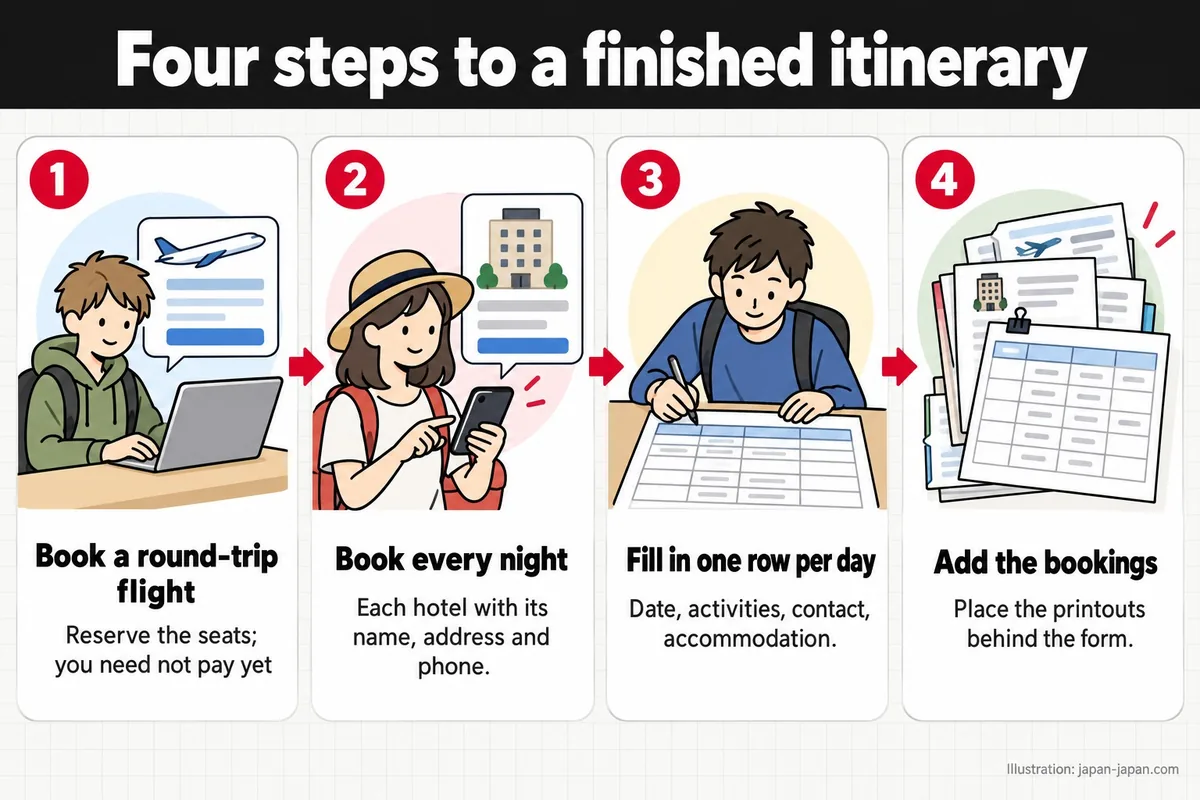
The four panels above show the order that works. Book the flights, book every night, fill in one row per day, then place the booking printouts behind the form.
A 10-day Japan visa itinerary example, filled in
This sample uses the route from our 10-day Japan itinerary for first-timers. You spend 4 nights in Tokyo, 1 in Hakone, 3 in Kyoto and 1 in Osaka. You land at Narita and fly home from Kansai. That makes 10 rows and 9 hotel nights.
| Date | Activities | Contact | Accommodation |
|---|---|---|---|
| Day 1 (arrival date) | Arrive at Narita Airport on [airline, flight no.]; train to Tokyo | [Hotel phone] | [Hotel name, address], Tokyo |
| Day 2 | Asakusa and Ueno, Tokyo | [Hotel phone] | Same hotel, Tokyo |
| Day 3 | Shibuya and Shinjuku, Tokyo | [Hotel phone] | Same hotel, Tokyo |
| Day 4 | Ginza and Tsukiji Outer Market, Tokyo | [Hotel phone] | Same hotel, Tokyo |
| Day 5 | Train from Tokyo to Hakone; Lake Ashi | [Inn phone] | [Inn name, address], Hakone |
| Day 6 | Train from Hakone to Kyoto; Gion | [Hotel phone] | [Hotel name, address], Kyoto |
| Day 7 | Fushimi Inari Taisha and Kiyomizu-dera, Kyoto | [Hotel phone] | Same hotel, Kyoto |
| Day 8 | Arashiyama, Kyoto | [Hotel phone] | Same hotel, Kyoto |
| Day 9 | Train from Kyoto to Osaka; Dotonbori | [Hotel phone] | [Hotel name, address], Osaka |
| Day 10 (departure date) | Train to Kansai Airport; depart on [airline, flight no.] | None | None (departure day) |
The table shows the wording for each day. Replace every bracketed part with the real details from your booking confirmation. Repeat the same hotel on each night you stay there, so no row is left blank.
The first and last rows carry the flight details. On Day 1, write the airline, the flight number and the arrival airport, such as Narita Airport. On Day 10, write the departure flight from Kansai Airport. Both rows must match the round-trip reservation you attach.
Hotel rows need three things: the name, the full address and the phone number. The Maldives embassy says the reservation itself must show the place’s name, address and contact number. Copy those details straight from the booking, and never invent a number to fill the cell.
Keep the activities short and concrete. Name the places, such as Asakusa and Ueno in Tokyo, rather than writing a single word like sightseeing. On moving days, name both cities, for example a train from Tokyo to Hakone. Plain place names make the plan easy to read for anyone checking it.
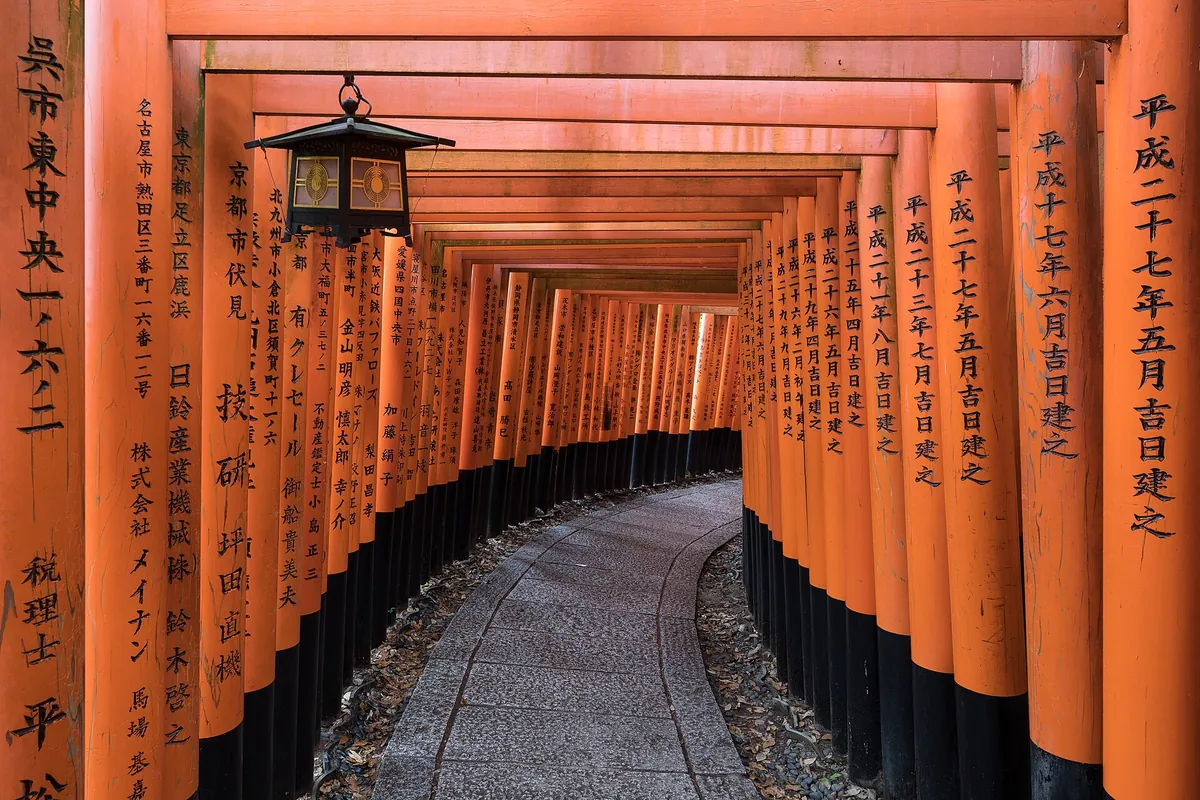
A Kyoto day can read as simply as Fushimi Inari Taisha and Kiyomizu-dera. The red torii gates in the photo are the kind of stop that belongs in the Activities column.
Carry a copy of the itinerary on the trip too. MOFA notes that a valid visa does not guarantee entry. One example it gives is a traveler who cannot explain their planned activities to the immigration officer.
Pick the dates with Japan’s calendar open. Our Japan public holidays calendar marks the long weekends and the busiest travel days. Book around them first, then copy the confirmed dates onto the form.
What each embassy asks you to attach
Five embassy pages show how much the attachments vary. The table compares them line by line, in each embassy’s own wording.
| Embassy | Itinerary document | Also on the list | Detail to note |
|---|---|---|---|
| Maldives | Travel Itinerary in Japan | Round-trip flight reservation; reservations for every hotel or Airbnb (name, address, contact number) | Reserve only, do not pay yet |
| Sri Lanka | Schedule of Stay | Return confirmation of the air ticket; hotel reservation in Japan | Usually six working days, counting the submission day |
| Egypt | Detailed travel itinerary (English or Japanese) | Flight itinerary; hotel reservation confirmation | A copy with each application |
| Philippines | Itinerary in Japan (Japanese or English) | Invitation letter, list of visa applicants and letter of guarantee forms | Apply through the Visa Center (VFS) |
| Indonesia | Form Jadwal Perjalanan / Itinerary (Word for handwriting, or PDF) | Visa form with a 3.5 cm × 4.5 cm photo; invitation letter and letter of guarantee forms | Apply at JVAC, Jakarta; at least 5 working days |
Maldives. The flight reservation must cover the full round trip, from your departure from Maldives until your return. Any stop in another country on the way belongs in it too. The accommodation reservations must cover every hotel or Airbnb for the whole stay. The embassy also advises you not to pay for tickets or rooms yet, because payment does not guarantee a visa.
Sri Lanka. The Embassy of Japan in Sri Lanka visa requirements say the Schedule of Stay goes in with the return confirmation of your air ticket. Your hotel reservation in Japan goes with it. Processing usually takes six working days, counting the day you submit. Our Japan visa page for Sri Lankans covers where to apply: VFS Global, by appointment.
Egypt. The Embassy of Japan in Egypt short-term visa documents list three travel papers for tourists. They are a detailed travel itinerary, a flight itinerary and a hotel reservation confirmation. A copy of all three must go with each application, so a family of four files four sets. Tourists also add an original stamped bank statement for the last 3 months, in English. Our Japan visa page for Egyptians covers the rest.
Philippines. Applications go through the Visa Center run by VFS, which opened on 7 April 2025. Its offices are in Paranaque, Makati, Quezon City, Cebu and Davao, and you book an appointment online. The embassy warns that tourist visas may take several weeks. Apply early, but not more than 3 months before you travel. Our Japan visa page for Filipinos lists the other steps.
Indonesia. Applications go to the Japan Visa Application Center (JVAC) in Kuningan City, Jakarta, by appointment. Processing takes at least 5 working days after the documents arrive. The visa form asks for a 3.5 cm × 4.5 cm photo.
When someone in Japan invites you
An invitation moves the itinerary to your host. MOFA’s FAQ covers short stays of 90 days or less where the host pays you no income. That includes relatives, friends and staff of a partner company. The host writes the Letter of Reason for Invitation, draws up the Schedule of Stay and sends both to you.
The Egypt embassy’s list makes the split clear. For a visit to relatives or friends, it marks these papers as provided by the inviter in Japan:
- Letter of invitation, in English or Japanese.
- Documents that show the relationship; for a Japanese host, the family register, 戸籍謄本 (koseki tohon).
- Detailed travel itinerary, in English or Japanese.
- A copy of both sides of the residence card, when the host is a foreign national.
You still bring your own form, photo, passport, employment certificate and bank statement. Your flight itinerary and hotel confirmation stay on your side of the list too. Business trips follow the same pattern, with the company in Japan writing the detailed itinerary.
Money adds one more paper. If a guarantor pays part or all of your trip, Egypt asks for a letter of guarantee. The guarantor’s bank statement for the last 3 months goes with it. For applicants from China, Russia, the CIS countries or Georgia, MOFA adds the guarantor’s certificate of residence and proof they can pay. Our guide to the Japan visa guarantee letter shows who signs it.
The guarantor’s promise rests mostly on trust. MOFA describes it as a moral responsibility, without the legal liability of a guarantor under the Civil Code. A guarantor who fails to cover the stay, the trip home or legal compliance loses credibility for later applications. False statements about the relationship or the purpose can bring criminal liability.
Sri Lanka is strict about the paper itself. The letter of guarantee and the letter of invitation must both be originals with an official seal. The embassy rejects copies and scanned letters.
eVISA, fees and processing time
Some applicants can skip the paper stack. As of 15 May 2026, the MOFA Japan JAPAN eVISA system page lists online applications for residents of nine places. They are Australia, Brazil, Cambodia, Canada, Saudi Arabia, South Africa, Taiwan, the United Kingdom and the USA. The eVISA covers a single-entry tourist stay of up to 90 days.
Other places use eVISA only through an accredited agency:
- China: Chinese nationals living in China; the eVISA allows a stay of 15 or 30 days.
- Philippines and Viet Nam: nationals on a packaged tour run by designated travel agencies; the stay is 15 days.
- Other agency routes: residents of Hong Kong, India, Indonesia, Macau, Mongolia, the Republic of Korea, Singapore and the United Arab Emirates.
In the Philippines, these tour eVISAs started on 15 December 2025 and still go through the Visa Center. At the airport you show the Visa issuance notice online. MOFA does not accept a PDF, a screenshot or a printed copy. Our JAPAN eVISA guide covers the online steps.
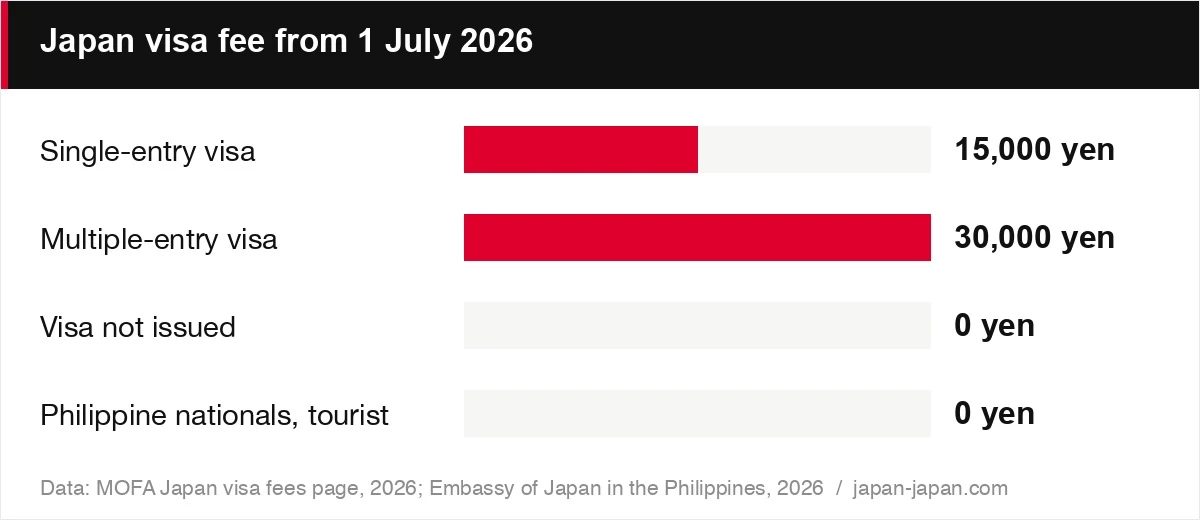
New fees apply to applications accepted from 1 July 2026. The MOFA Japan visa fees page puts a single-entry visa at about 15,000 yen and a multiple-entry visa at about 30,000 yen. You pay in the local currency of the country where the embassy sits. If the visa is refused, you pay no visa fee.
| Item | Value | Note |
|---|---|---|
| Single-entry visa | 15,000 yen | About 15,000 yen |
| Multiple-entry visa | 30,000 yen | About 30,000 yen |
| Visa not issued | 0 yen | No visa fee charged |
| Philippine nationals, tourist | 0 yen | Temporary visitor visa stays free |
The bars show the two standard amounts and the two cases where you pay nothing. Agencies approved by the embassy charge their own handling fee on top. Some nationalities pay a different amount or nothing at all. The Philippine embassy says its temporary visitor visa for Philippine nationals stays free. Our Japan visa fees page has the details.
Processing is short when the file is clean. MOFA’s standard is five working days, counted from the day after the embassy accepts your application. Extra documents, an interview or a rush of applications can stretch that to weeks or months. Sri Lanka quotes six working days and Indonesia at least five. Our page on Japan visa processing time compares the embassies.
Do not apply too early, though. A single-entry visa is valid for three months from the day it is issued, and you must enter Japan within that window. If your trip slips past it, you apply again. Our guide on how to apply for a Japan visa explains which office handles your area.
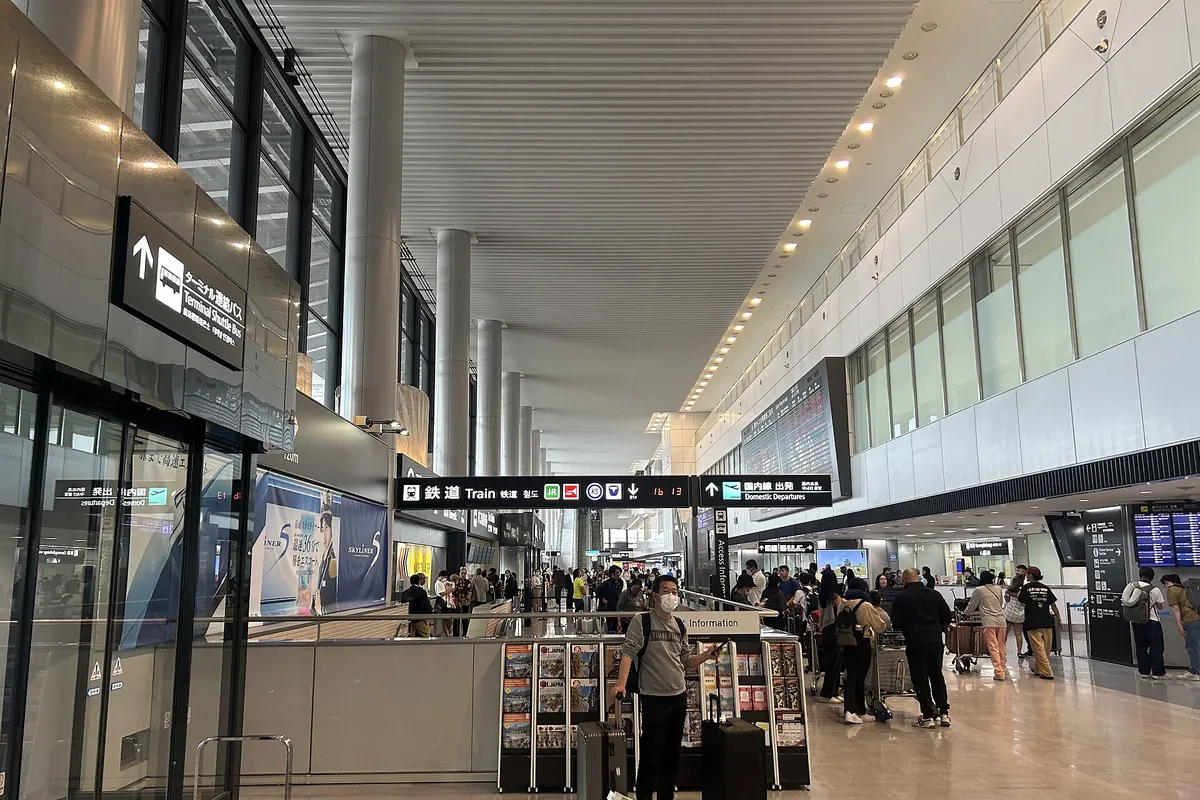
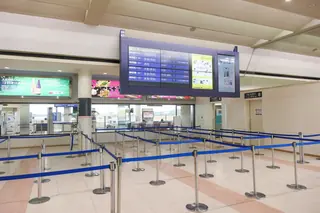
The first row of your itinerary ends here, in the arrivals area. At Narita Terminal 1, Narita Airport Station sits on B1F under the terminal, ready for the train into Tokyo.
Mistakes that slow an itinerary down
MOFA lists errors or omissions in the documents among the reasons an application may not be accepted. Four slips in the itinerary are easy to make and easy to avoid.
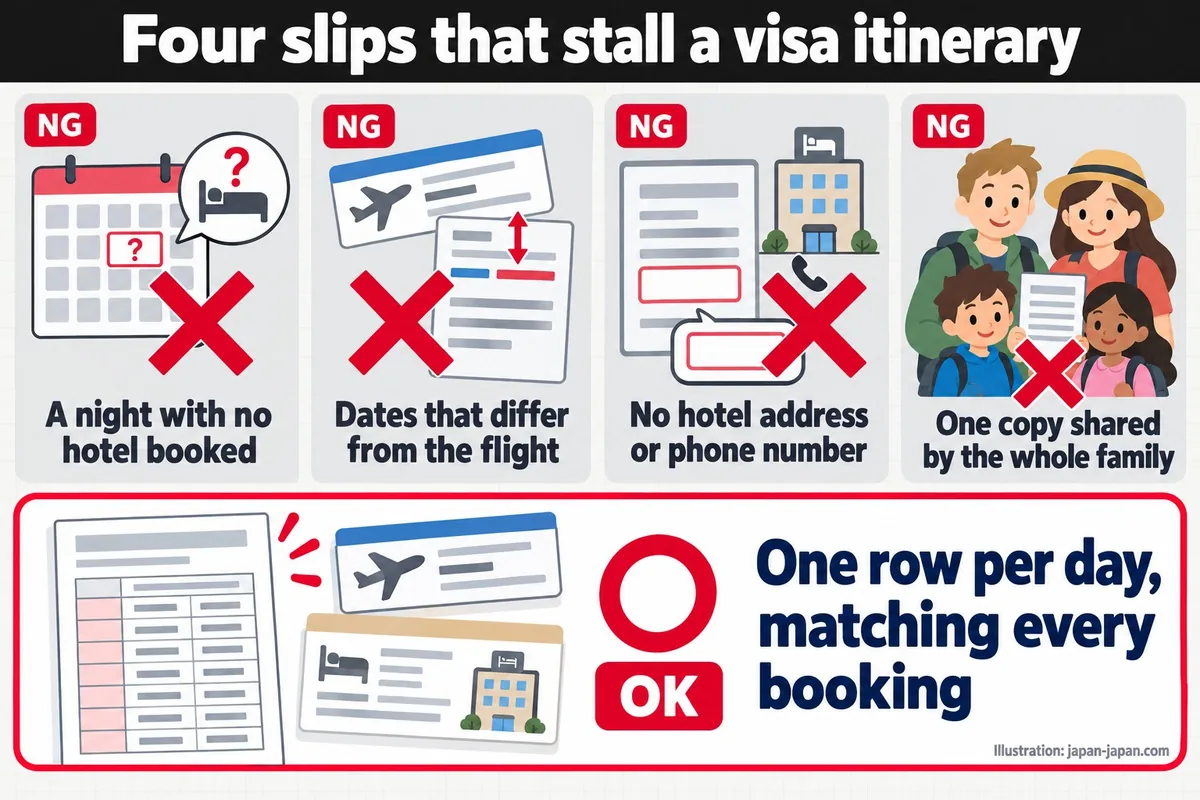
The picture sums up the four, and each one has a quick fix:
- A night with no hotel. Count the nights on the form and on the bookings. A 10-day trip like ours needs 9 nights covered.
- Dates that differ from the flight. Day 1 must be the date you land in Japan, and the last row the date you leave.
- No address or phone for a hotel. Copy all three details from the confirmation, as the Maldives embassy requires.
- One copy for the whole family. Egypt wants a copy with each application. Sri Lanka asks each applicant, children included, to fill in a separate application form.
Paperwork rules catch people too. Do not staple anything, since the Maldives, Sri Lanka and Egypt embassies all ask for loose pages. Supporting papers must be recent. Sri Lanka wants a bank statement issued within three months of applying, covering the last six months. Our guide to the Japan visa bank statement compares the embassies.
If the embassy asks for more documents, send them. MOFA says the examination stops without them, and Sri Lanka gives you three months to respond. A refused applicant cannot reapply for the same purpose within six months. Sri Lanka treats forged papers or false answers as a permanent bar from a Japanese visa.
FAQ
Do I need to book flights and hotels before applying for a Japan visa?
You need reservations, but not paid tickets. The Maldives embassy asks for a round-trip flight reservation and a reservation for every night. It advises against paying before the visa is issued. Sri Lanka and Egypt also want the flight and hotel confirmations next to the itinerary.
Can I write my Japan visa itinerary by hand?
Yes, at some embassies. The Indonesian embassy offers a Word version of the itinerary form for handwriting, though it prefers a computer when you can use one. Sri Lanka accepts its application form typed or handwritten in block letters, and the same neat style suits the itinerary.
Does each family member need a separate itinerary?
Each application needs its own copy at Egypt’s embassy, which wants the flight, hotel and itinerary with every application. Sri Lanka asks for a separate application form for each person, including children. It also wants a list of visa applicants when more than one person travels. A family on one trip can share the same plan, with one copy per person.
Do visa-free travelers need an itinerary for Japan?
No visa means no visa application, so there is no itinerary form to file. That covers the 74 visa-exempt countries and regions for stays of 90 days or less without paid work. Keep your hotel bookings on your phone anyway, in case the immigration officer asks about your plans.
About the author