Japan Car Rental 2026-27: Permit, Prices and Winter Driving
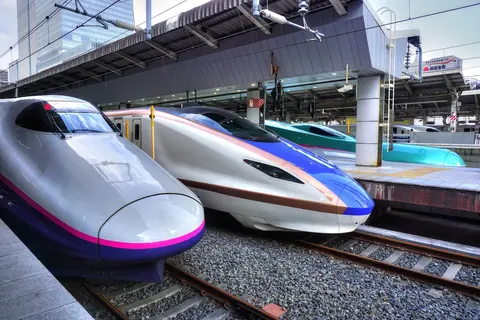
The rules here come from the JNTO Cars and rental car guide and from Japan’s police. JNTO says Hokkaido and Okinawa are much easier to get around by car. It also says the roads are generally easy to follow.
Read the permit section first. A missing stamp or the wrong type of permit stops you at the counter, and no rental company can fix that for you.
International driving permit for Japan: who can drive
Japan accepts one kind of permit, with one exception.
Your international driving permit (IDP) must come from a country or region that signed the 1949 Geneva Convention on road traffic. The issuing body at home is usually your national automobile association. JNTO tells drivers to get the permit before they leave for Japan.
Japan only accepts the paper booklet. Card-type and smartphone versions of the permit are not valid in Japan. Check what your automobile association hands you before you pay for a car.
The permit is good for up to one year from its issue date. Japan also limits it to one year from your date of arrival.
The counter reads your arrival date from the entry stamp in your passport. Some airports have automated gates that do not stamp passports. If you plan to rent a car, use a staffed gate instead. If you already went through an automated gate, ask the customs inspection desk to stamp your passport.
Drivers from Switzerland, Germany, France, Belgium, Monaco and Taiwan follow a different route. You carry your original licence and a Japanese translation of it. With both, you can drive for one year from your arrival. JNTO sends these drivers to the Japan Automobile Federation (JAF) for the translation.
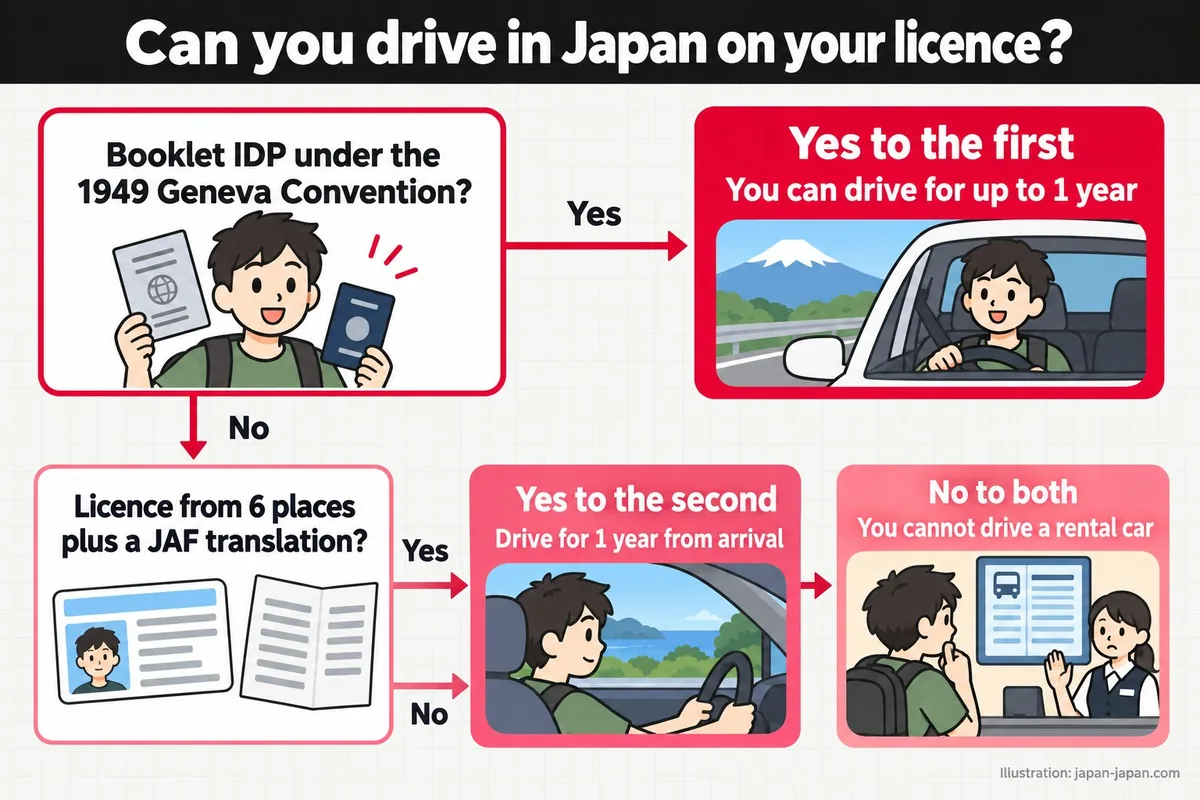
The illustration above turns the rule into two questions. If you answer no to both, you cannot drive a rental car in Japan on that licence.
The Tokyo Metropolitan Police international driving permit guide covers the same ground in English. The National Police Agency Traffic Bureau page also links a guide called How to Drive in Japan, published on 7 May 2026. That guide covers getting a Japanese licence too, which matters if you move to Japan.
The table below sets out which documents work and which do not.
| Document | Valid? | Condition |
|---|---|---|
| Booklet IDP (1949 Geneva Convention) | Yes | 1 year from issue and 1 year from arrival |
| Licence from Switzerland, Germany, France, Belgium, Monaco or Taiwan, plus JAF translation | Yes | Carry both; 1 year from arrival |
| Card-type or smartphone IDP | No | Not valid in Japan |
| Home licence only, from any other country | No | Get a booklet IDP before you leave |
Japan car rental cost: daily rates and fuel
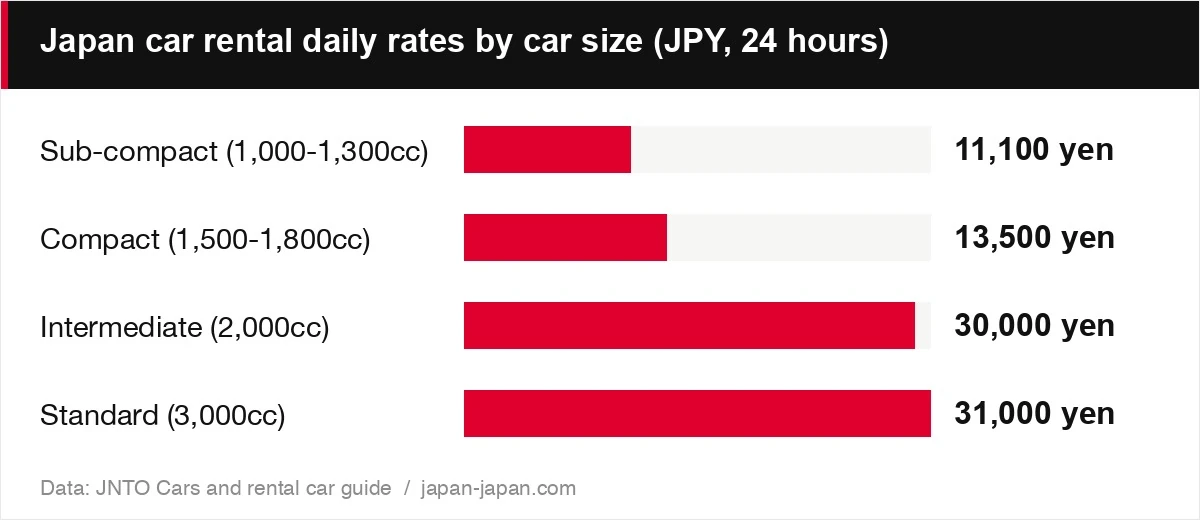
JNTO lists average rates for 24 hours with unlimited mileage. Each company sets its own prices.
| Item | Value | Note |
|---|---|---|
| Sub-compact (1,000-1,300cc) | 11,100 yen | from 5,000 |
| Compact (1,500-1,800cc) | 13,500 yen | from 9,000 |
| Intermediate (2,000cc) | 30,000 yen | from 14,000 |
| Standard (3,000cc) | 31,000 yen | from 29,500 |
The chart shows the top of each price range. A sub-compact of 1,000 to 1,300cc costs 5,000 to 11,100 yen a day. A compact of 1,500 to 1,800cc costs 9,000 to 13,500 yen. An intermediate 2,000cc car runs 14,000 to 30,000 yen. A standard 3,000cc car runs 29,500 to 31,000 yen.
Insurance is not optional. JNTO says you must buy cover at a set level when you rent. Cover and conditions differ between companies, so read the terms at booking.
The daily rates do not include fuel. JNTO gives a fuel price of about 170 yen per litre, as of 2022. Use that as a rough guide for your budget, since pump prices change.
Japan has two kinds of fuel stations. At a full-service station, staff fill the tank for you. At a self-service station, you use the pump yourself.
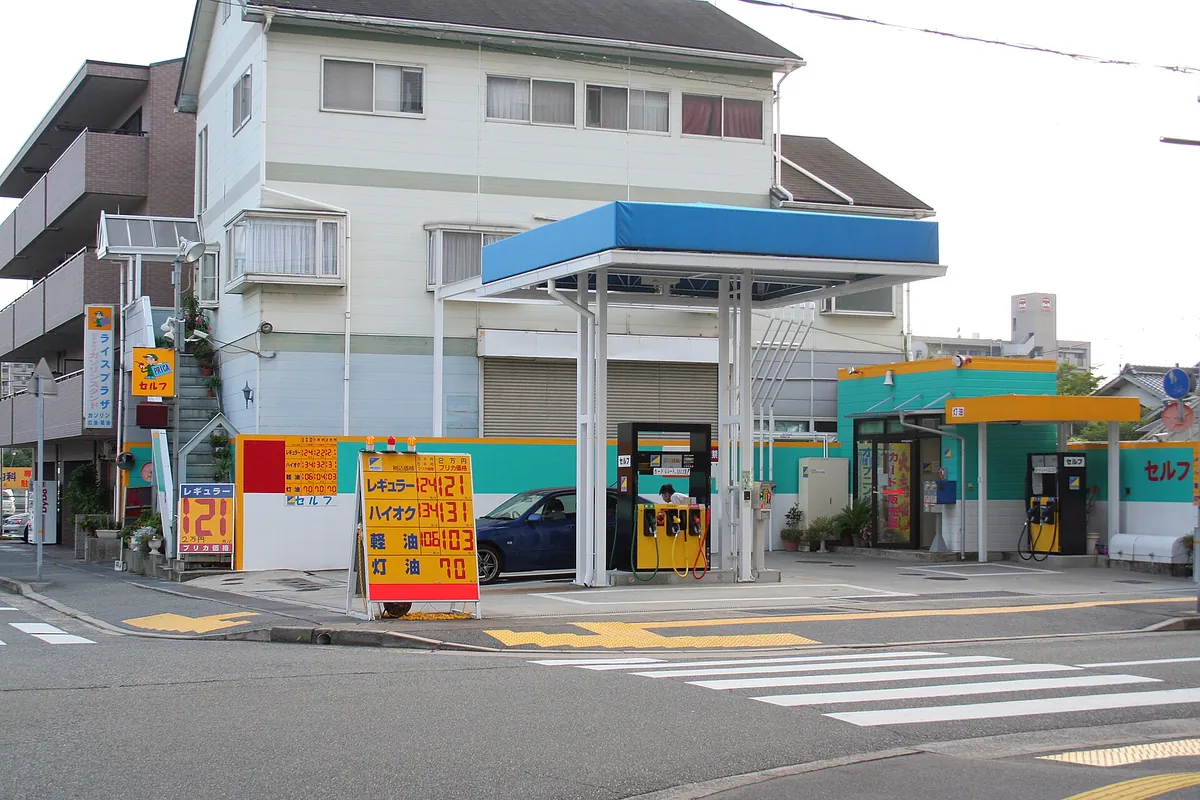
The photo shows a Japanese fuel station with its pumps and signs. Fill the tank before you return the car. JNTO lists refuelling before return as one of the basic rules.
Leave any spare fuel behind when you fly home. Our page on petrol and kerosene on planes explains that neither can go in carry-on or checked bags.
Expressway tolls, ETC cards and regional passes
Most expressways in Japan charge tolls. The amount depends on how far you drive and which roads you take. JNTO’s example for one route from Tokyo to Kyoto is about 10,070 yen.
Toll gates come in two types. Gates with a green sign take cash or a credit card. Gates with a purple sign are ETC lanes, which charge an ETC card without stopping.
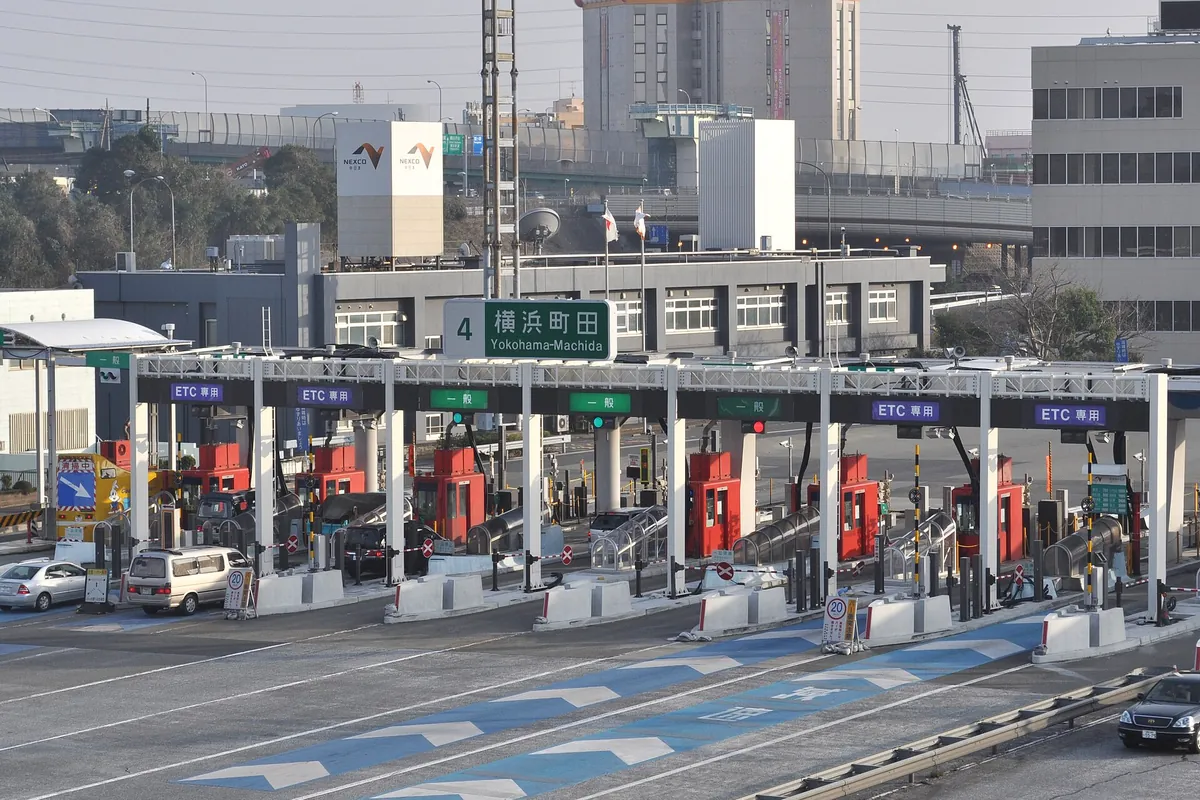
The photo shows an expressway toll plaza with several lanes. Ask your rental company for an ETC card, which most companies rent out. You settle the tolls on the card when you return the car.
The nationwide Japan Expressway Pass stopped selling in December 2023. Regional passes took its place, and only international travellers can buy them. They give unlimited use of the main expressways in one region.
- Hokkaido Expressway Pass: Sapporo, Niseko, Otaru, Obihiro, and both Shin-Chitose and Asahikawa airports.
- Tohoku Expressway Pass: Aomori down to Fukushima, including Sendai and Morioka.
- San’in-Setouchi-Shikoku Expressway Pass (SEP): Takarazuka and Kobe west to Shimonoseki, plus Shikoku.
- Kyushu Expressway Pass (KEP): Most of the coast of Kyushu, plus Yufuin and Dazaifu.
The Central Nippon Expressway Pass closed to new bookings from October 1, 2024. The JNTO Regional expressway passes guide lists the passes in lengths from 2 to 14 days.
Buying one takes three steps. First, check that your rental company carries the pass before you book the car. At the counter, fill in the forms and show your passport. Staff then hand you a special ETC card that works at the toll gates.
Unless a sign says otherwise, the expressway limit for regular cars is 100 kilometres per hour. Main expressways have callboxes every kilometre. To report an accident, call 110.
Service areas along the way have toilets, food and local shops. Stop at them and take regular breaks on long drives.
Hokkaido car rental in winter: snow and tyres
JNTO’s rule for snowy areas is short: fit winter tyres or tyre chains.
Hokkaido in mid-winter is serious snow country. Our Sapporo in January guide gives an average high of −0.4°C and a low of −6.4°C. Snow lies on the ground on 31.0 days of the month on average. The deepest snow averages 76 cm.
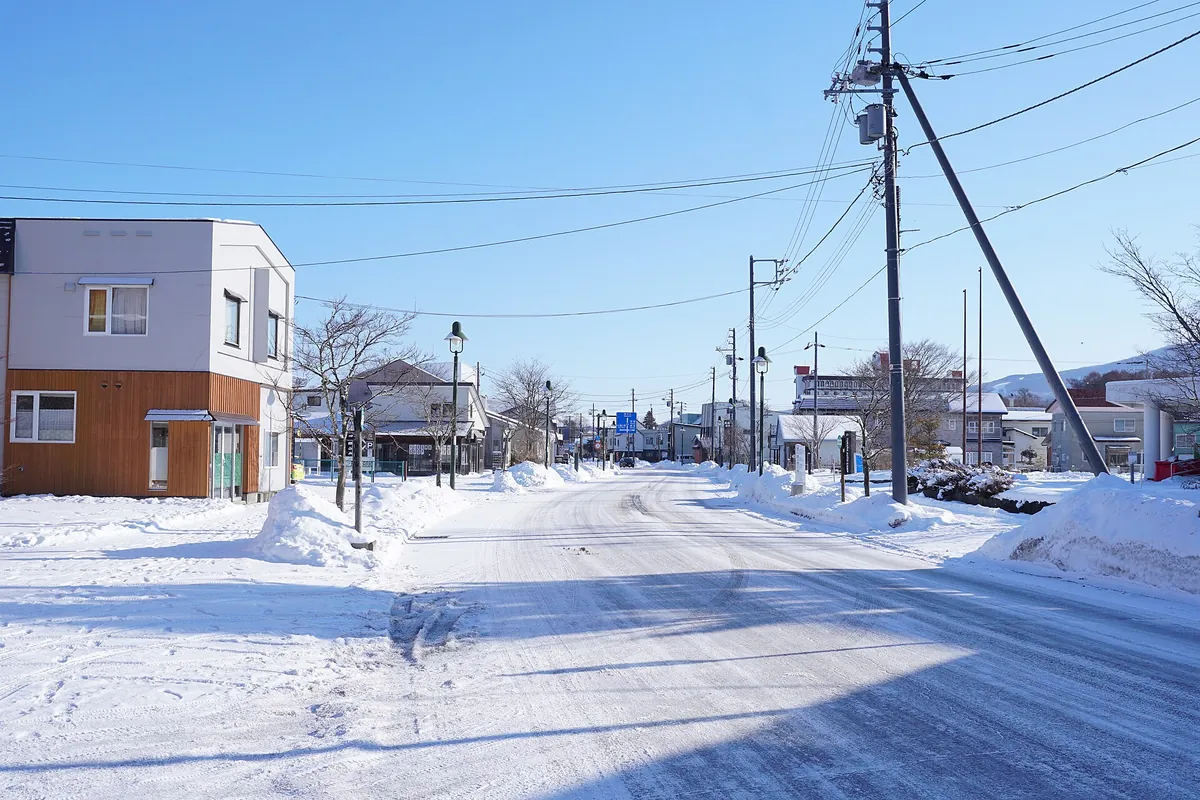
The photo shows a Hokkaido road in winter, with snow banks on both sides. Ask the rental company to confirm winter tyres when you book. Add chains to the booking if the company offers them.
Most drivers start at New Chitose Airport. The New Chitose Airport rental car information page says cars are not handed over in front of the terminal. That lane is a no-parking area. Each company takes you by bus to its office in Chitose City, and back again on return.
The rental counters in the domestic terminal are on the first floor. In the international terminal, the transport information counter is also on the first floor. Hours differ by company. Nippon Rent-A-Car lists 7:00-22:00, and several others list 8:00-20:00.
Some companies at the airport also offer self check-in and car sharing. Our New Chitose Airport guide covers the terminals, lockers and other ways into the city.
You may not need the car on day one. The New Chitose Airport to Sapporo transfer by JR Rapid Airport takes 33 minutes and costs 1,230 yen. You can collect a car later for the drive out to Otaru or Niseko.
Plan around the New Year break too. New Year’s Day is Friday 1 January 2027, and banks close from 31 December to 3 January. Our New Year 2026–27 holiday page lists what closes and the busiest travel days.
For ideas on where to drive, see our list of places to visit in Japan in winter.
Driving in Japan: road rules that catch visitors out
Cars in Japan drive on the left side of the road.
JNTO warns that many accidents happen when a car turns left or right. Take turns slowly, and check for people crossing.
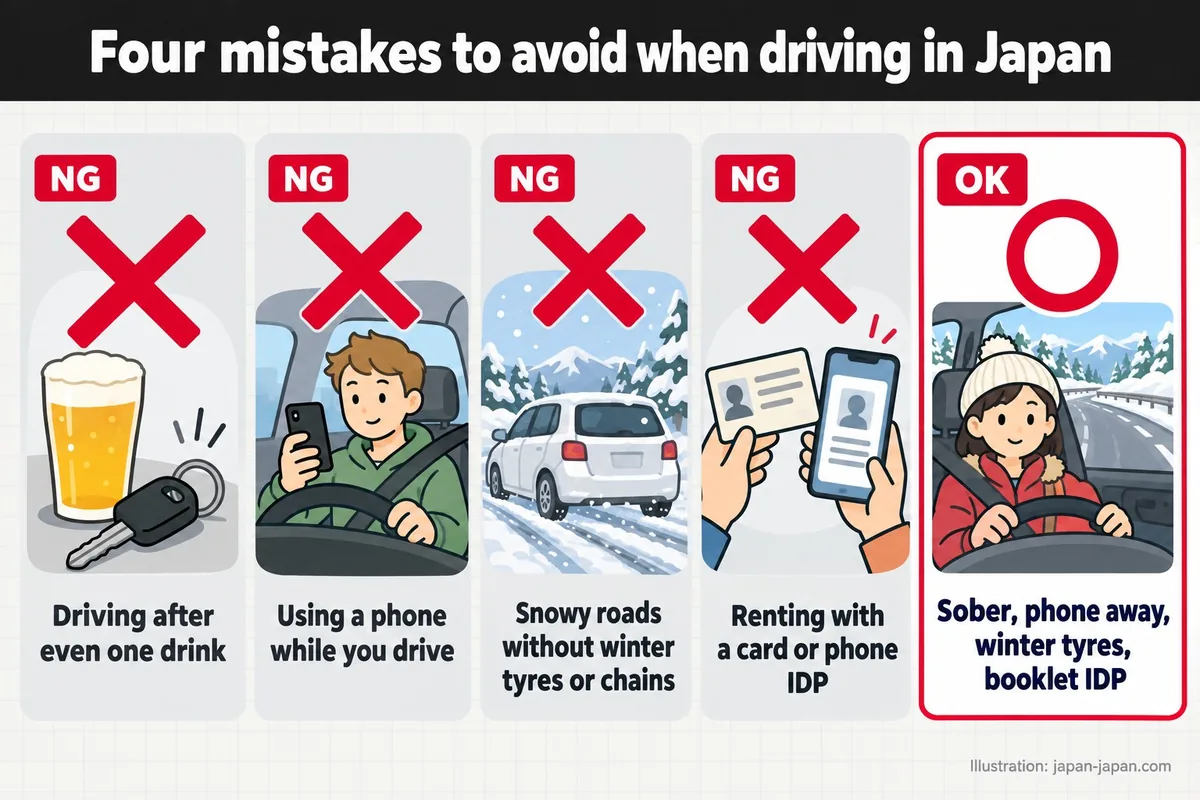
The illustration above shows four habits to leave at home.
- Alcohol: Japan has a zero-tolerance policy on drink-driving.
- Phones: Using a mobile device while driving is illegal.
- Seatbelts: The driver and every passenger must wear one.
- Rail crossings: Stop at every crossing, even if the gate is up and no train is in sight.
The police publish their own leaflets on both of the first two rules. Read the National Police Agency drink-driving rules leaflet and the National Police Agency smartphone-while-driving leaflet before your trip.
Observe every speed limit. On ordinary roads, limits are posted by signs.
New drivers and elderly drivers must show a sign on the outside of their car. The Tokyo police call these the 初心者マーク (shoshinsha māku, “beginner mark”) and the 若葉マーク (wakaba māku, “young leaf mark”). Give these cars extra room.
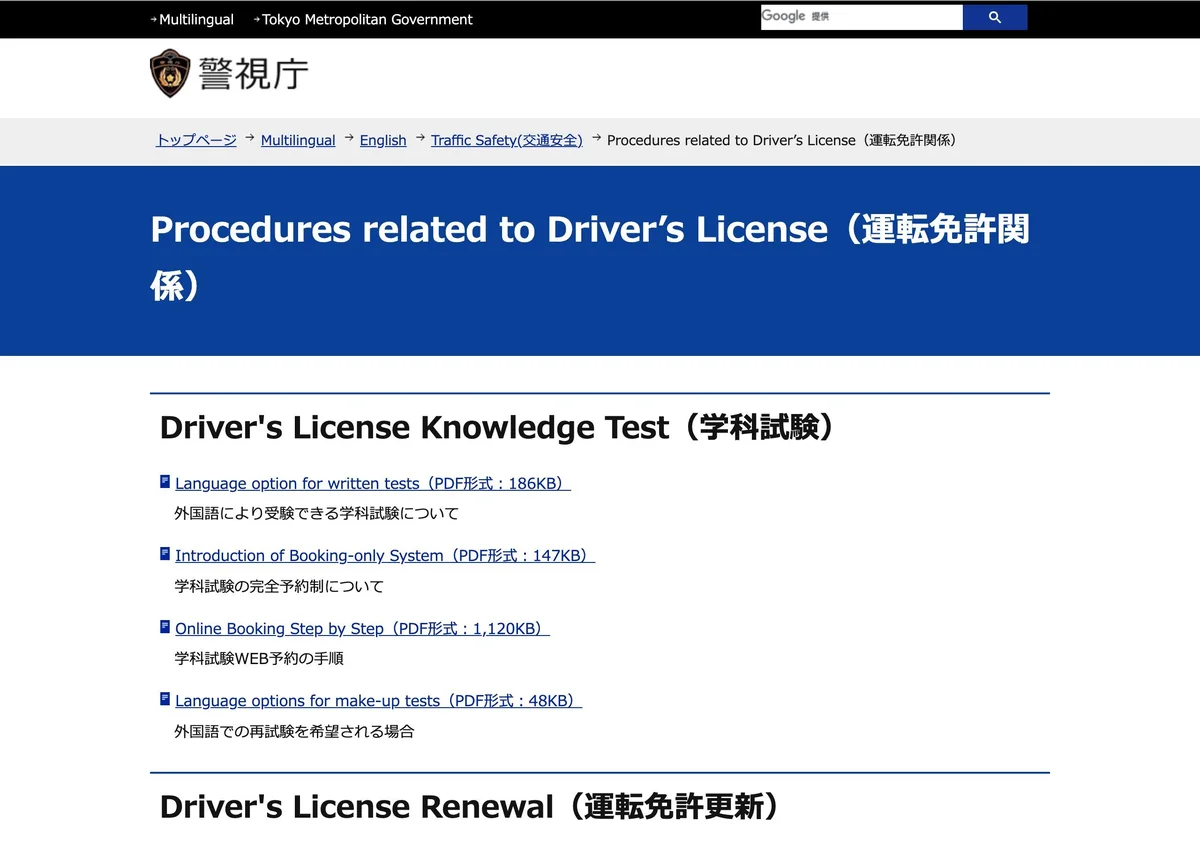
The screenshot shows the Tokyo Metropolitan Police page on driver’s licence procedures. It links English PDFs on valid permits, valid foreign licences and drivers’ signs.
Main roads show most big destinations in English. Rural roads often do not. Some rental cars have navigation in foreign languages, so ask for one when you book.
Parking is hard to find in some city centres. You can get a penalty for parking outside a marked space. JAF also publishes a multi-language guide called Rules of the Road, sold at JAF offices across Japan.
Right turns in Japan and the 2026 road rule changes
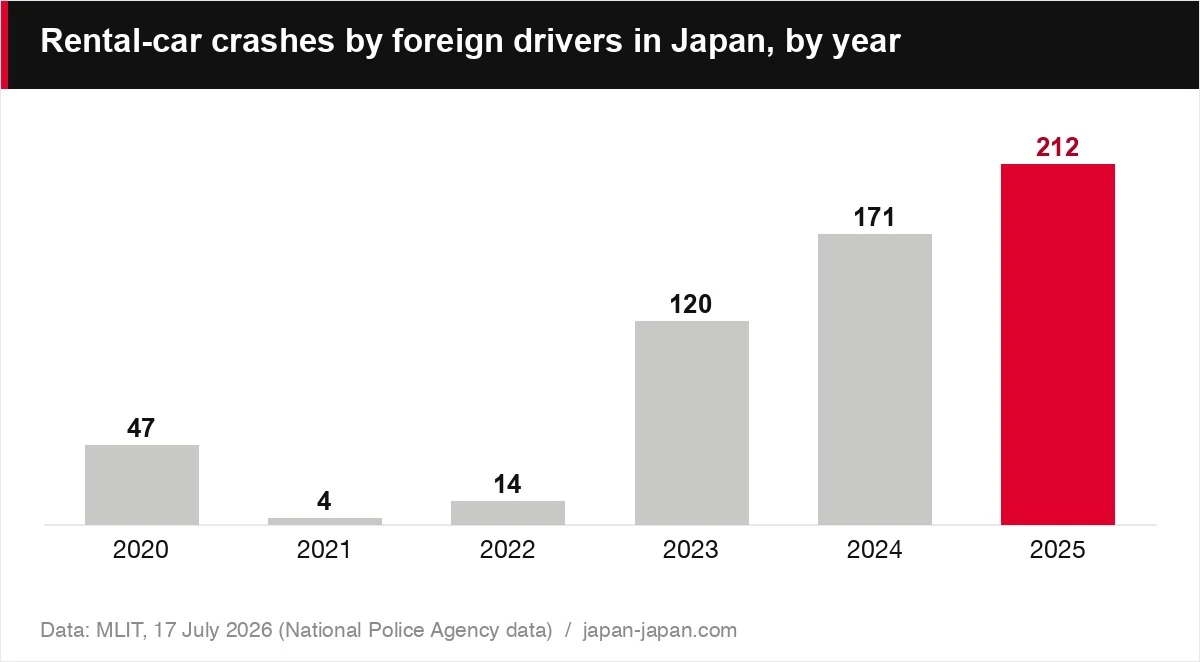
Right turns are where visiting drivers get into trouble. On 17 July 2026, Japan’s Ministry of Land, Infrastructure, Transport and Tourism (MLIT) said rental-car crashes caused by drivers with an international or foreign licence rose from 47 in 2020 to 212 in 2025.
| Year | Crashes |
|---|---|
| 2020 | 47 |
| 2021 | 4 |
| 2022 | 14 |
| 2023 | 120 |
| 2024 | 171 |
| 2025 | 212 |
The chart counts crashes where the foreign rental-car driver was recorded as the party mainly at fault, from National Police Agency data. MLIT links the rise to the return of foreign visitors.
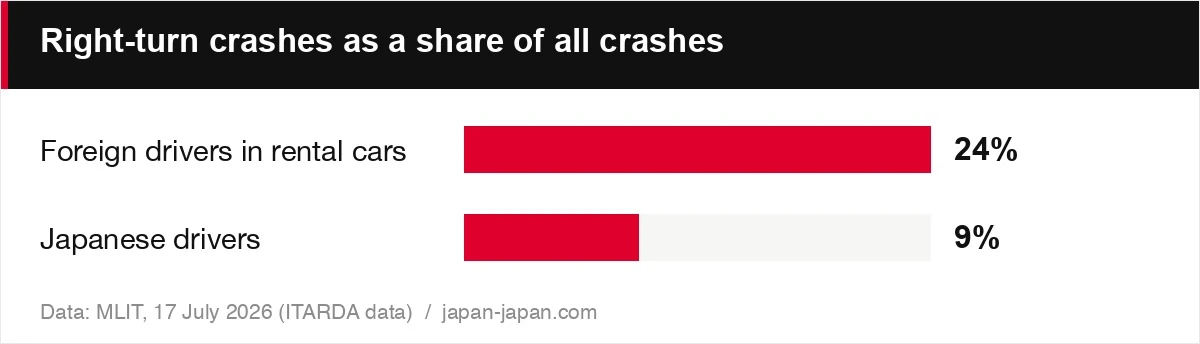
The same release breaks the crashes down by type. Right-turn crashes make up 24% of crashes by foreign drivers in rental cars, against 9% for Japanese drivers. MLIT calls that about 2.7 times higher.
| Driver | Right-turn share |
|---|---|
| Foreign drivers in rental cars | 24% |
| Japanese drivers | 9% |
Japan drives on the left, so a right turn crosses the oncoming lanes. The Road Traffic Act asks you to move towards the centre of the road before the junction, turn slowly just inside its centre, and give way to cars going straight on or turning left. After the turn, keep left. Finishing the turn in the right-hand lane of the new road puts you head on with traffic.
MLIT is now marking the right-turn path with coloured paving and adding rubber poles that stop cars drifting into the oncoming lanes. The first junctions are on national roads near New Chitose, Fukuoka and Naha airports, with work planned by the end of the 2026 financial year in March 2027. Signs that remind you to keep left go up where rental offices are clustered. The MLIT announcement (in Japanese) has the details.
Two rule changes in 2026 also apply to visitors.
- 30 km/h on roads with no centre line: From 1 September 2026, the default limit on ordinary roads with no centre line and no marked lanes fell from 60 km/h to 30 km/h. Roads with a centre line stay at 60 km/h. A speed sign always wins, so a 40 sign means 40.
- Passing cyclists: From 1 April 2026, if you pass a cyclist on the right without enough space, you must slow to a speed that is safe for the gap. The National Police Agency has added breaches to its list of obstructive driving.
The 30 km/h limit applies on these streets even where no speed sign stands, so treat a road with no centre line as a 30 road. The National Police Agency page on the new limit (in Japanese) shows which roads it covers.
Japan rental car accident: police, insurance and NOC
After any crash in a rental car, even a scrape in a car park, stop and call the police on 110. Article 72 of Japan’s Road Traffic Act tells drivers to stop at once, help anyone injured, make the road safe and report the crash to the police.
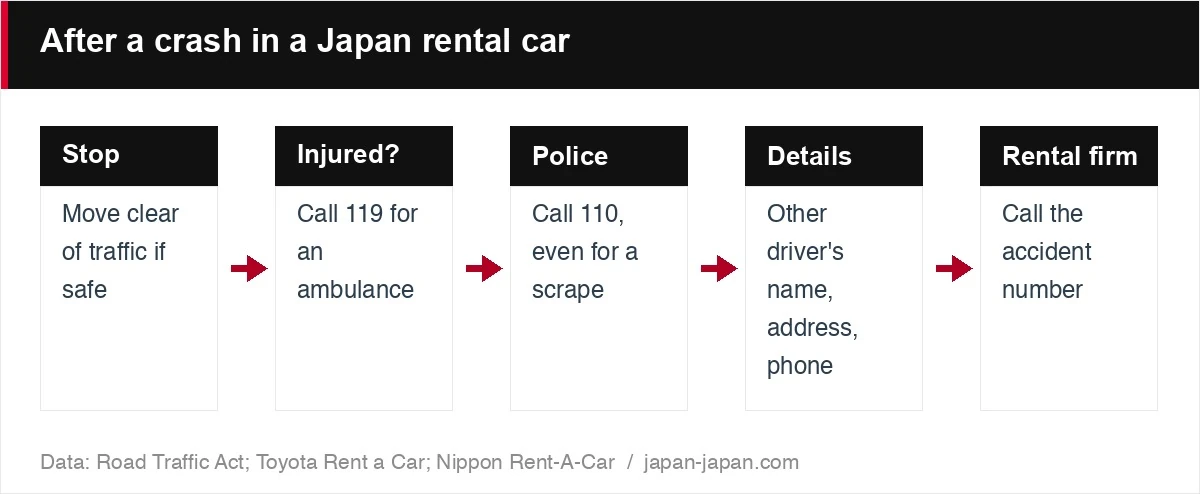
The flow chart shows the order. Move the car out of the traffic if you can do it safely. If anyone is hurt, call 119 for an ambulance first. Then call 110 and tell the officer the place, the injuries and the damage.
Ask the other driver for their name, address and phone number, and note where the crash happened. Then call the accident number on your rental contract.
The rental company needs that police report. Toyota Rent a Car says its insurance may not cover a crash that has no police accident report. Nippon Rent-A-Car says its insurance, CDW and its NOC cover (ECO) do not apply unless you call the police and its accident centre.
If you cannot explain in Japanese, JNTO’s Japan Visitor Hotline answers 24 hours a day, every day, in English, Chinese and Korean. Call 050-3816-2787 in Japan or +81-50-3816-2787 from a foreign phone. It helps with accidents and other emergencies.
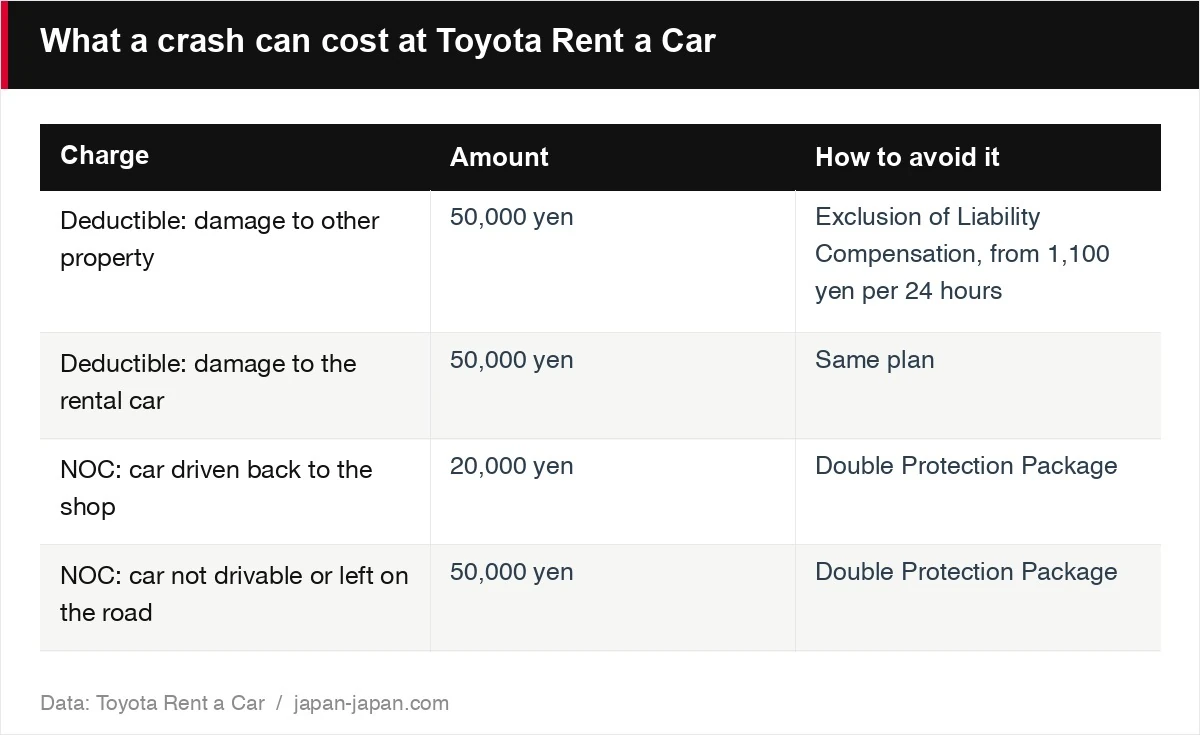
Then comes the bill. Every rental includes insurance, but you still pay a deductible, and a non-operation charge (NOC) on top. The NOC pays the company for the days it cannot rent the car out. The amount depends on whether you can drive the car back, not on how bad the damage is.
| Charge | Amount | How to avoid it |
|---|---|---|
| Deductible: damage to other property | 50,000 yen | Exclusion of Liability Compensation, from 1,100 yen per 24 hours |
| Deductible: damage to the rental car | 50,000 yen | Same plan |
| NOC: car driven back to the shop | 20,000 yen | Double Protection Package |
| NOC: car not drivable or left on the road | 50,000 yen | Double Protection Package |
The table uses Toyota Rent a Car’s English terms. Nippon Rent-A-Car charges the same NOC of 20,000 yen or 50,000 yen and sells cover for it, called ECO, at 440 yen a day. Other companies set their own amounts, so read the insurance page of your contract at the counter.
So full cover can still cost you. The deductible waiver removes only the deductible, and the NOC needs its own plan. If the crash was never reported to the police, neither plan applies.
Picking up and returning the car
Book the car, the ETC card and any expressway pass together. A pass has to be on the booking, and the counter hands out the ETC card with it.
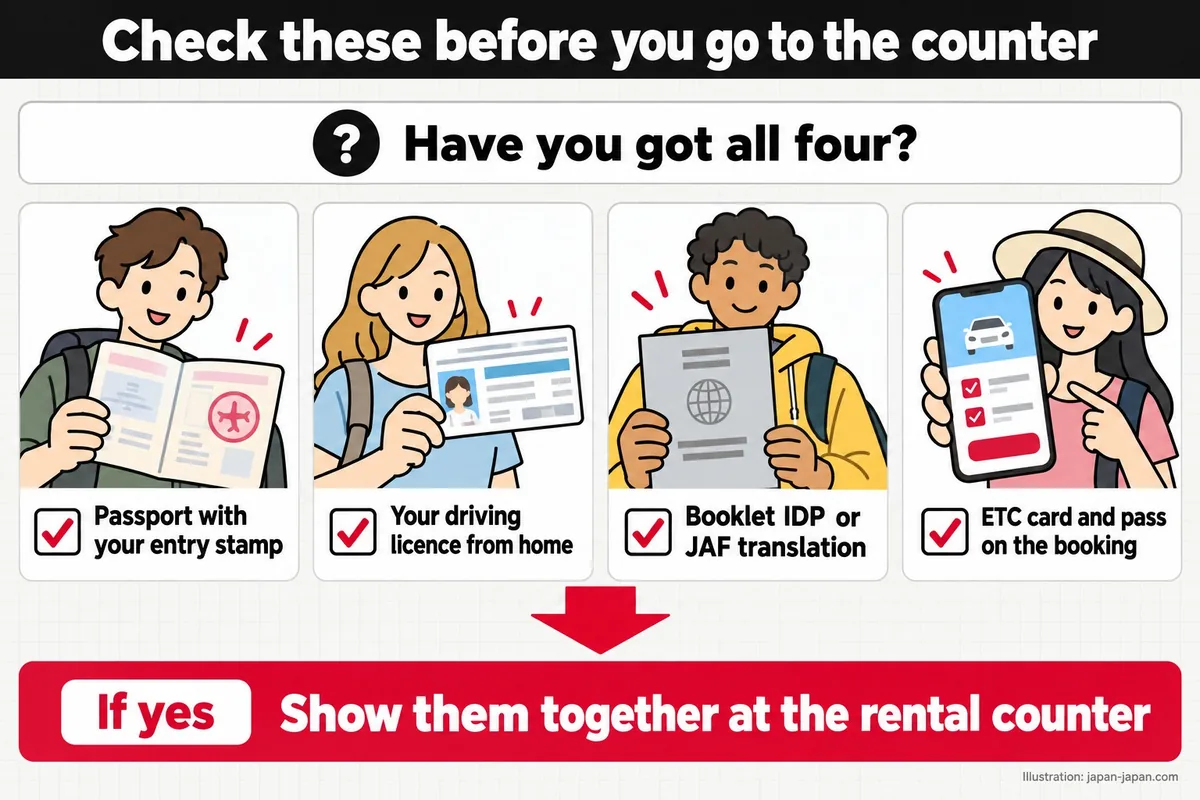
The checklist in the illustration covers the four things to have ready before you reach the counter.
At the counter, show your passport with its entry stamp, your licence and your permit or JAF translation. Fill in the paperwork, then walk to the car with a staff member.
Before you drive off, check the car with the staff for scratches and dents. JNTO lists this check as basic rental etiquette.
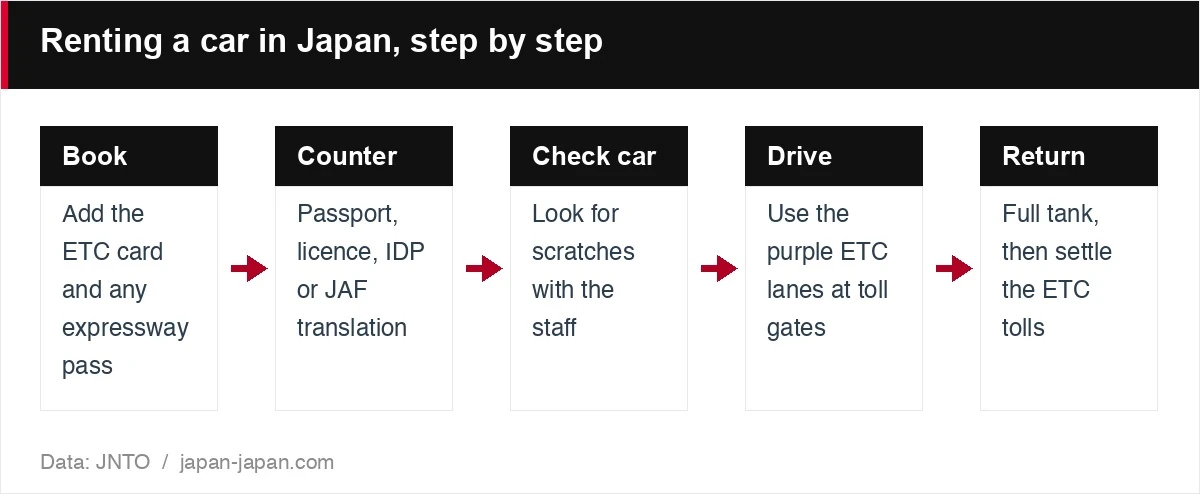
The flow chart shows the whole rental from booking to return. On the road, use the purple ETC lanes at toll gates. Before you return the car, fill the tank. At the return desk, settle the tolls charged to the ETC card.
At New Chitose, the return works in reverse. You drop the car at the company office in Chitose City, and the company bus takes you back to the terminal.
When a car makes sense, and when trains win
A car works best where trains run less often.
JNTO names Hokkaido and Okinawa as the places a car helps most. Rural loops are the other good fit, since you can stop at roadside stations called Michi-no-Eki. These offer rest areas, local food and travel tips.
In Okinawa, most visitors land at Naha. Our Naha Airport guide covers the monorail and the ways into the city. The Okinawa in January guide gives an average high of 19.8°C, so snow is not a concern there.
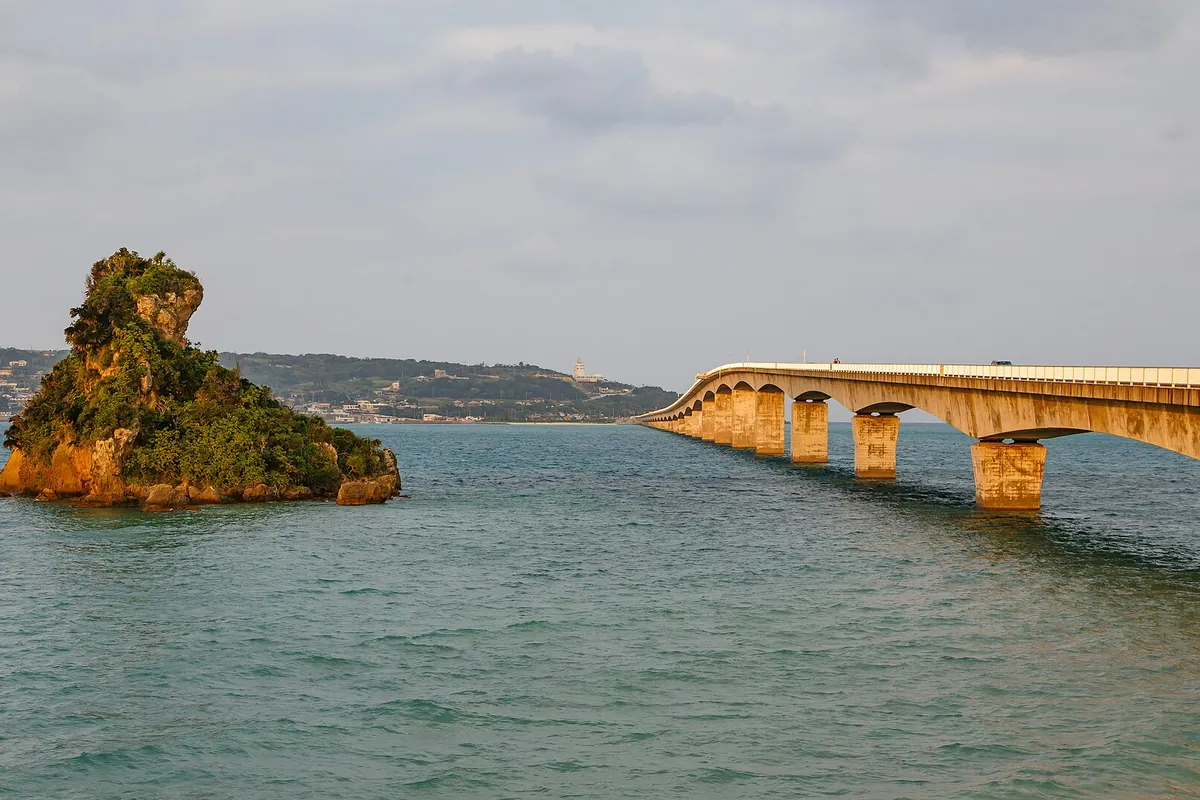
The photo shows a long bridge over the sea in Okinawa. Island drives like this are hard to do by bus or train.
Between big cities, the train usually wins. JNTO’s toll example from Tokyo to Kyoto is about 10,070 yen, before fuel and parking. Compare it with the times and fares on our Tokyo to Kyoto route page.
For Hokkaido, many visitors fly in and then decide. Flights from Haneda to New Chitose take 1 h 30 min, with 56 a day on the airport timetable. Our Tokyo to Sapporo route page compares those flights with the train.
If you mix trains and a short rental, check the Hokkaido Rail Pass first. Our guide to whether the JR Pass is worth it covers longer trips on Honshu.
FAQ
Can I rent a car in Japan with my US driver’s license only?
No. A home licence alone is not enough, and the US is not one of the six places with the JAF translation route. Get a booklet-type international driving permit under the 1949 Geneva Convention before you leave. Bring it with your licence and passport.
Is a card-type or digital international driving permit valid in Japan?
No. JNTO says card-type and smartphone versions are not valid in Japan. Only the paper booklet works. The counter will refuse the rental without it.
How much does it cost to rent a car in Japan per day?
JNTO’s averages for 24 hours with unlimited mileage start at 5,000 to 11,100 yen for a sub-compact. A standard 3,000cc car costs 29,500 to 31,000 yen. Insurance is required, and fuel is extra at about 170 yen per litre as of 2022.
Do I need an ETC card to drive on Japanese expressways?
No, because green-sign gates take cash or credit cards. An ETC card lets you use the purple lanes, and most rental companies rent one out. You need the special ETC card if you buy a regional expressway pass. You settle the tolls when you return the car.
What should I do if I scratch a rental car in Japan?
Stop, call the police on 110 and then the accident number on your rental contract, even for a small scratch with no one hurt. Toyota Rent a Car says its insurance may not cover a crash with no police accident report.
What is NOC on a Japan rental car?
NOC is the non-operation charge, a fixed fee for the days the car cannot be rented out. At Toyota Rent a Car and Nippon Rent-A-Car it is 20,000 yen if the car goes back to the shop and 50,000 yen if it does not. The deductible waiver does not cover it, so ask for the separate NOC cover.
What is the speed limit in Japan when there is no sign?
On ordinary roads with a centre line or marked lanes, 60 km/h. From 1 September 2026, ordinary roads with no centre line and no lanes are 30 km/h. On expressways, regular cars may drive at up to 100 km/h unless signs say otherwise.
About the author





.jpg)