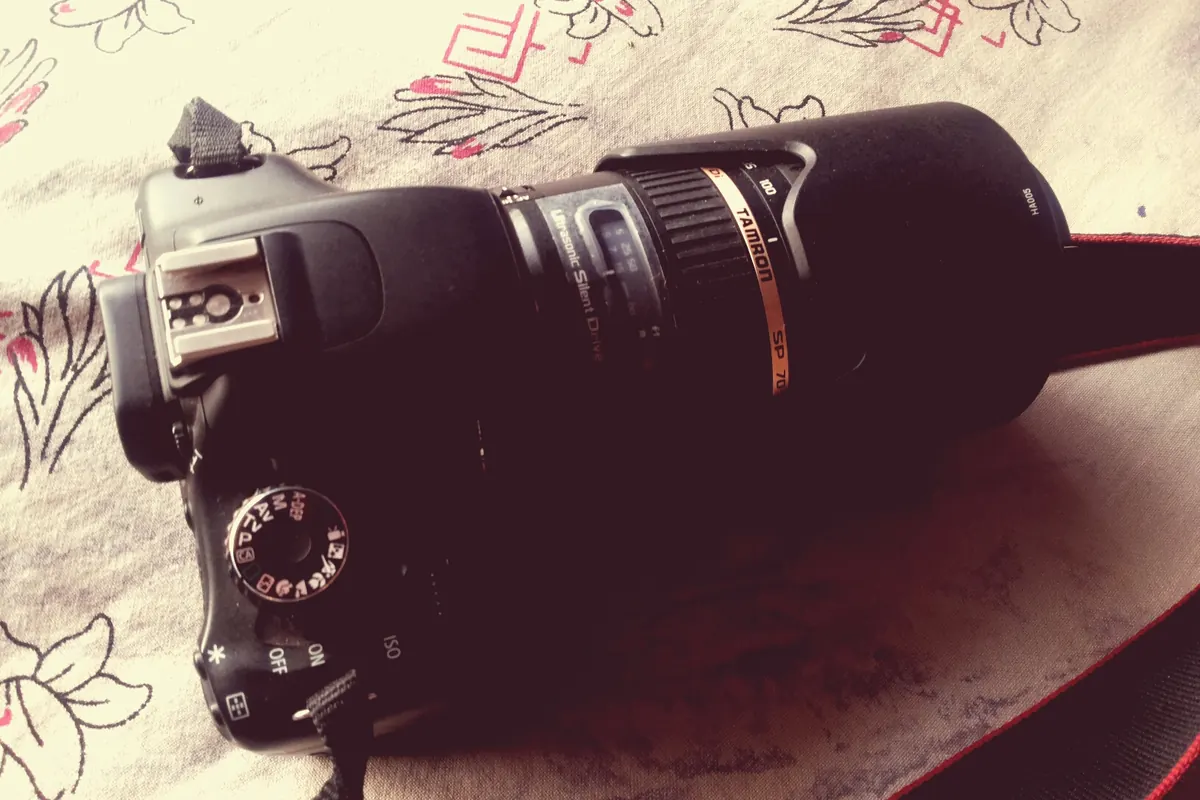

Cameras can go in carry-on in Japan; checked bags have conditions.
Checked against the official page on · Report a correction
Carry-on: Yes. Cameras with a lithium-ion battery of 160Wh or less can be carried on, and spare batteries must be. Checked baggage: The camera: yes, switched completely off and protected from damage. Spare lithium batteries: no. Undeveloped film is better carried on, because the screening of checked bags can expose it.
Cameras on flights in and from Japan
The rule for cameras comes from the Civil Aviation Bureau's list of restricted items and is the same on domestic and international flights.
| Where | Allowed? | What applies |
|---|---|---|
| In the cabin | Yes | Yes. Cameras with a lithium-ion battery of 160Wh or less can be carried on, and spare batteries must be. |
| In checked baggage | Conditions | The camera: yes, switched completely off and protected from damage. Spare lithium batteries: no. Undeveloped film is better carried on, because the screening of checked bags can expose it. |
Narita Airport
Narita says spare lithium-ion batteries go in carry-on baggage, and undeveloped film should be carried on because the high-performance screening equipment may expose it.
Narita International Airport FAQ
Film, spare batteries and tripods when you fly with a camera
The camera body is the simple part. Film, spare batteries and the tripod each come under a different rule.
- Where cameras sit in the lists
- Japan's list has no row called camera. A camera is a portable electronic device there, and the passenger leaflet picks a digital camera's battery as its example of a spare. Hong Kong's CAD and Australia's CASA name cameras and camcorders side by side among devices containing lithium batteries. The TSA's entries are Digital Cameras and Film, both marked yes for carry-on and checked bags.
- The X-ray does not harm a digital camera
- Narita Airport's FAQ takes up the worry about a digital camera at the checkpoint and answers that the camera will not be damaged by X-ray scanning. It says much the same of game consoles: inspection with X-rays does not result in data loss or malfunction. The one photographic item Narita warns about is undeveloped film.
- Film can be checked by hand at Narita
- Narita says a manual check by a screener is possible for photographic film as well as X-ray screening. Passengers who do not want film put through the X-ray equipment, or who carry ultrasensitive film, are asked to tell the staff. The airport's warning about exposure concerns the high-performance scanners used on checked baggage.
- Spare camera batteries: where the counts differ
- Narita's FAQ puts backup lithium-ion batteries in carry-on baggage, up to 2 pieces, while the national leaflet sets no count limit on spares of 100Wh or less. South Korea's list allows 5 per person. For the 101 to 160 Wh batteries used in professional audio and video equipment, the TSA asks for airline approval and allows 2.
Cameras: the rule country by country
Extra conditions apply in Mainland China.
| Flying from | Carry-on | Checked bag | What the authority says |
|---|---|---|---|
| JapanCivil Aviation Bureau | Yes | With limits | Cameras with a lithium-ion battery of 160Wh or less can be carried on, and spare batteries must be. Source |
| United StatesTSA | Yes | Yes | Digital cameras are allowed in carry-on and checked bags. TSA recommends putting undeveloped film and cameras containing undeveloped film in carry-on bags, or asking for a hand inspection of the film at the checkpoint.TSA entry: Digital Cameras, Film Source |
| European UnionEuropean Commission, EASA | Yes | With limits | Carry cameras in hand baggage, not checked baggage. If one must go in checked baggage (not recommended), it has to be completely switched off and protected from accidental activation. Spare batteries go in carry-on baggage only. Source |
| United KingdomUK Government | Yes | Yes | You can usually take camera equipment in hand luggage and hold luggage. There might be restrictions on specialist equipment, for example professional video cameras. Source |
| South KoreaMOLIT Aviation Security 365 | Yes | Yes | Cameras are named among devices with a lithium battery installed: allowed in carry-on and checked baggage (lithium metal 2g or less, lithium-ion 100Wh or less). Spare batteries are carry-on only, up to 5 per person. Source |
| TaiwanCivil Aviation Administration | Yes | With limits | With a lithium battery it is a portable electronic device: carrying it in hand baggage is recommended. If checked with a lithium-ion battery over 2.7 Wh, it must be completely switched off (not in sleep or hibernation mode). Source |
| Hong KongCivil Aviation Department | Yes | With limits | Cameras are named as portable electronic devices allowed in carry-on and checked baggage. In checked baggage they must be completely switched off (not in sleep or hibernation mode) and protected from damage. Source |
| Mainland ChinaCAAC | With limits | With limits | Lithium battery in a portable device: up to 100Wh can be carried on; over 100Wh and up to 160Wh needs airline approval. Checked: lithium batteries are banned and digital electronics should not be packed; ask the airline about such devices. Source |
| AustraliaHome Affairs, CASA | Yes | With limits | Cameras can go in carry-on or checked baggage and should be carried in carry-on. If checked, the camera must be completely switched off and protected from damage and unintentional activation.CASA Pack Right entry: Camera, Portable electronic devices containing lithium metal or lithium ion cells, battery or batteries (watches, calculators, cameras, mobile phones, laptops, camcorders etc.) Source |
Each row comes from that authority's own page. Airlines can be stricter, and the screening officer has the final say.
Buying cameras in Japan
- Where to buy
- Yodobashi, Bic Camera, Map Camera for used gear.
Frequently asked questions
Can you bring a camera on a plane?
On flights in and from Japan: Yes. Cameras with a lithium-ion battery of 160Wh or less can be carried on, and spare batteries must be. In checked baggage: The camera: yes, switched completely off and protected from damage. Spare lithium batteries: no. Undeveloped film is better carried on, because the screening of checked bags can expose it.
Can you bring a Polaroid, Instax or other film camera on a plane?
Yes. None of the lists names instant cameras; they travel as cameras, and the film inside is undeveloped film. The TSA recommends putting undeveloped film, and cameras containing it, in carry-on bags or asking for a hand inspection at the checkpoint. Narita says the scanners used on checked baggage may expose undeveloped film and asks passengers to carry it on.
Can you bring a camera tripod on a plane?
Yes in checked baggage; in the cabin it depends on length. Japan's list lets a tripod or monopod be carried on only if it folds to 60cm or less. Taiwan's CAA sets a similar line at 60 cm of folded height for tripods with tubes a centimetre or more across. Australia's CASA flags tripods and monopods as not to be carried on, and the TSA allows both.
Can you bring camera lenses on a plane?
Yes. Camera lenses are not restricted, or even named, in any list here. GOV.UK says you can usually take camera equipment in both hand and hold luggage, and warns only that specialist equipment such as professional video cameras might be restricted. The TSA's Digital Cameras entry adds that for anything carried on, you should check with the airline that it will fit in the overhead bin or under the seat.
Does the TSA allow a camera in carry-on bags?
Digital cameras are allowed in carry-on and checked bags. TSA recommends putting undeveloped film and cameras containing undeveloped film in carry-on bags, or asking for a hand inspection of the film at the checkpoint.
Can you take a camera in hand luggage in the UK or Europe?
The United Kingdom: You can usually take camera equipment in hand luggage and hold luggage. There might be restrictions on specialist equipment, for example professional video cameras. The European Union: Carry cameras in hand baggage, not checked baggage. If one must go in checked baggage (not recommended), it has to be completely switched off and protected from accidental activation. Spare batteries go in carry-on baggage only.
Can you put a camera in checked luggage?
The camera: yes, switched completely off and protected from damage. Spare lithium batteries: no. Undeveloped film is better carried on, because the screening of checked bags can expose it.
Read more
- Japan Power Bank Rules 2026: 160Wh, 2 Max and No ChargingYes, in your carry-on only: 160Wh or less, two per person at most. Since 24 April 2026 …
- Kyoto Autumn Leaves 2026: Peak Dates and How to Avoid CrowdsKyoto's autumn colour peaks from the second half of November into early December, and t…
- Can You Take Nail Clippers on a Plane? Yes, Minus the KnifeYes: you can take nail clippers on a plane in Japan, in carry-on and checked bags, unle…
- Can You Take an Electric Toothbrush in Hand Luggage? YesYes. You can take an electric toothbrush in hand luggage or checked bags to Japan. Spar…
Sources for this page
Show all 14
- Japan Civil Aviation Bureau (MLIT) — Items restricted in carry-on and checked baggage (updated 24 April 2026)
- Narita International Airport — FAQ: prohibited items
- Japan Civil Aviation Bureau — To all passengers: bringing power banks on board (rules from 24 April 2026)
- Narita International Airport — FAQ: security check
- TSA — What Can I Bring?: Digital Cameras + Film
- EASA — Dangerous goods
- GOV.UK — Hand luggage restrictions: Electronic devices and electrical items
- Aviation Security 365 (MOLIT / KOTSA) — Dangerous goods
- Taiwan CAA — Dangerous goods passengers and crew may carry
- Civil Aviation Department (Hong Kong) — Packing Tips for Air Passenger: Provisions for Dangerous Goods Carried by Passenger and Crew
- CAAC — Air travel basics (航空旅行常识)
- CASA — Pack Right: Camera
- Taiwan CAA — Items that may not be carried into the cabin (公告 113.06.18)
- GOV.UK — Hand luggage restrictions at UK airports