What to Wear in Japan in Winter, According to 100 Locals
How we asked 100 people living in Japan
japan-japan.com ran an open online survey of people living in Japan. 123 people answered between 22:39 on 16 October and 08:54 on 21 October 2026, Japan time.
We removed 23 answers. Five had written answers that looked machine-written, 17 clearly contradicted themselves, and 1 had written answers that were all just “I don’t know”. That left 100 valid answers.
The questionnaire had 87 questions, including 5 required free-text questions. Follow-up questions went only to the people they applied to, so only people who had spent winter in Kyoto rated Kyoto. For groups under 10 people we give numbers of people. We translated the free-text answers from Japanese.
The survey has limits. How cold a place felt is each person’s own sense, not a temperature reading. People spent winter in these places in different years, so the answers do not forecast this winter. And the respondents live in Japan; they are not foreign visitors.
The largest age groups were people in their 40s (30) and 30s (25). 76 were female and 23 male. 20 live in Tokyo, 20 in Chubu and 19 elsewhere in Kanto. Many run cold: 24 feel the cold a lot and 39 a little.
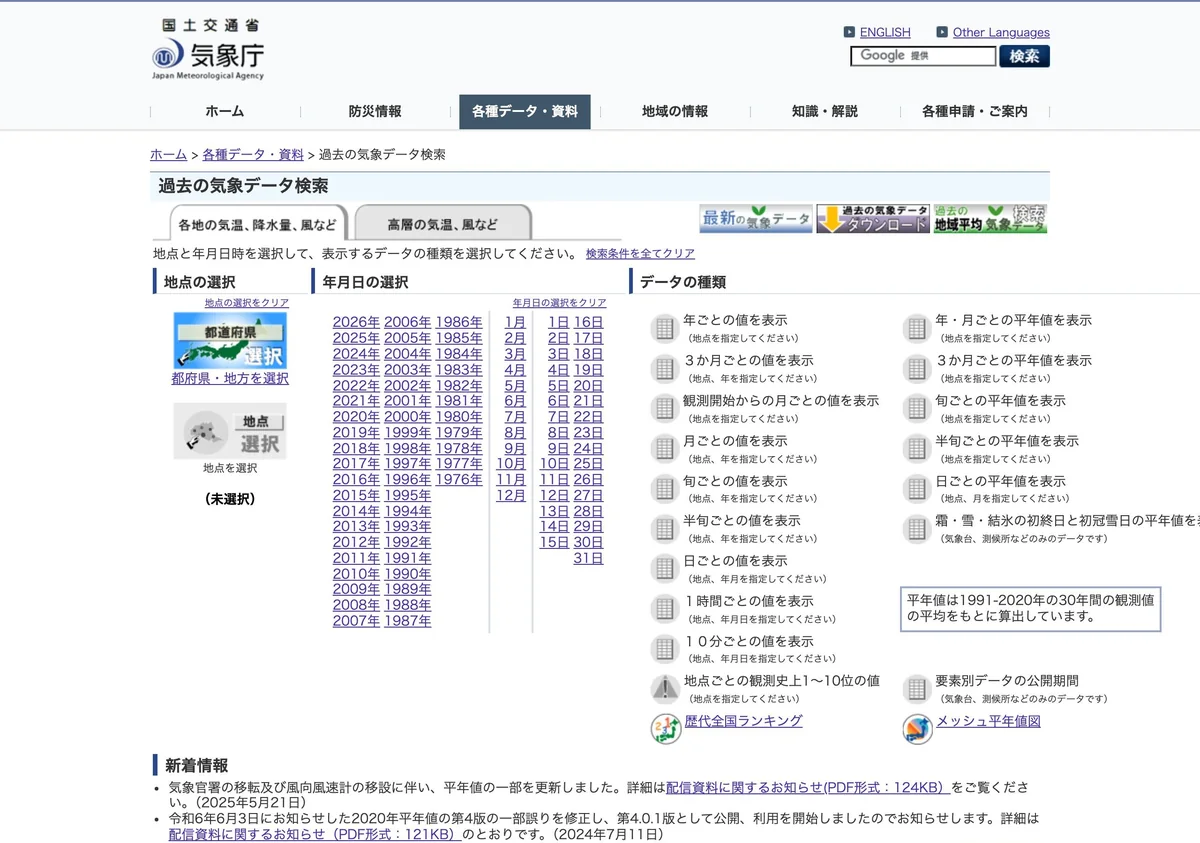
For real temperatures we used the Japan Meteorological Agency climate normals (1991–2020). The screen below is the agency’s past weather data search. Its note says the normals average 30 years of observations.
How to cite: japan-japan.com online survey of people living in Japan (October 2026, valid answers 100).
The full questionnaire (all 87 questions, translated from Japanese)
Respondents saw every question in Japanese, and every question was shown to everyone. Follow-up questions were counted only among people the question applied to. Q41 was an attention check and is not counted. Questions 80 to 84 were required free-text questions.
- Q1. Do you feel the cold easily, or do you tend to feel hot? (choose one)
I feel the cold a lot / I feel the cold a little / Neither / I tend to feel hot a little / I tend to feel hot a lot - Q2. Which best describes winter where you live? (choose one)
Snow often settles / Snow sometimes settles / Snow rarely settles / Warm even in winter, no snow - Q3. When does it feel coldest where you live? (choose one)
Early December / Mid-December / Late December / Early January / Mid-January / Late January / Early February / Mid-February / Late February / March / Not sure - Q4. Where you live, which outer layer do you wear most in December? (choose one)
No outer layer / Light jacket or cardigan / Light coat (e.g. trench coat) / Heavy coat (e.g. wool) / Down jacket / Long down coat / Other - Q5. Where you live, which outer layer do you wear most in January? (choose one)
No outer layer / Light jacket or cardigan / Light coat (e.g. trench coat) / Heavy coat (e.g. wool) / Down jacket / Long down coat / Other - Q6. Where you live, which outer layer do you wear most in February? (choose one)
No outer layer / Light jacket or cardigan / Light coat (e.g. trench coat) / Heavy coat (e.g. wool) / Down jacket / Long down coat / Other - Q7. Below what forecast high temperature do you switch to a heavy coat or a down jacket? (choose one)
Below 15°C / Below 12°C / Below 10°C / Below 7°C / Below 5°C / Below 0°C / I never wear a heavy coat or down / I don’t decide by temperature - Q8. In which months do you wear a down jacket or down coat? (choose all that apply)
October / November / December / January / February / March / I don’t wear down - Q9. How often do you wear heat-generating base layers such as HEATTECH in winter? (choose one)
Almost every day in winter / Only on cold days / Only when travelling or outdoors for long / I have some but don’t wear them / I don’t have any - Q10. Have you ever felt too hot on trains or indoors while wearing a heat-generating base layer? (choose one)
Often / Sometimes / Never / I don’t wear heat-generating base layers - Q11. On a midwinter day out, what do you add under your outer layer? (choose all that apply)
Thick heat-generating base layer (e.g. “Extra Warm” types) / Fleece / Knit or sweater / Light down vest / Tights or leggings / Belly warmer (haramaki) / Other / Nothing in particular - Q12. On a midwinter day out, how many layers do you wear on your upper body (including the outer layer)? (choose one)
2 / 3 / 4 / 5 or more / Not sure - Q13. How often do you use disposable hand warmers (kairo) in winter? (choose one)
Almost every day in winter / Only on cold days / Only when outdoors for long (hatsumode, illuminations, etc.) / I carry them but rarely use them / I don’t use hand warmers - Q14. Which types of hand warmers do you use? (choose all that apply)
Adhesive warmers / Non-adhesive warmers (shake type) / Warmers for socks or inside shoes / Rechargeable warmers / I don’t use hand warmers - Q15. Where do you stick adhesive hand warmers? (choose all that apply)
Back / Lower back / Stomach / Shoulders or below the neck / Soles of the feet or inside shoes / I don’t use adhesive warmers - Q16. Which accessories do you use when going out in winter? (choose all that apply)
Scarf or stole / Gloves / Knit hat / Earmuffs / Neck warmer / Thick socks / Face mask / Other / None in particular - Q17. In winter, what problems do you have with the gap between outdoor and indoor temperatures? (choose all that apply)
Too hot on trains and buses / Too hot in department stores and shops / Nowhere to put my coat in restaurants / Cold on station platforms and at bus stops / Dry air in hotel rooms / Cold inside temples, shrines and old buildings / Other / No particular problems - Q18. How do you deal with the heat indoors? (choose one)
Wear layers that are easy to take off and put on / Wear a lighter outer layer and add hand warmers / Open the front of my coat / Take my coat off and carry it / Nothing in particular - Q19. Which of these places have you spent time in during winter (December–February)? Includes where you live, trips, business travel and visits home. (choose all that apply)
Tokyo / Yokohama / Nagoya / Osaka / Kyoto / Nara / Kobe / Kanazawa / Hiroshima / Fukuoka / Nagasaki / Kagoshima / Okinawa Island (Naha, etc.) / Sapporo / Otaru / Hakodate / Asahikawa / Niseko / Sendai / Aomori / Niigata / Nagano / Nikko / Hakone / Karuizawa / Shirakawa-go or Hida-Takayama / Lake Kawaguchi (Fuji Five Lakes) / None of these - Q20. Of those, which place felt the coldest? (choose one)
Tokyo / Yokohama / Nagoya / Osaka / Kyoto / Nara / Kobe / Kanazawa / Hiroshima / Fukuoka / Nagasaki / Kagoshima / Okinawa Island (Naha, etc.) / Sapporo / Otaru / Hakodate / Asahikawa / Niseko / Sendai / Aomori / Niigata / Nagano / Nikko / Hakone / Karuizawa / Shirakawa-go or Hida-Takayama / Lake Kawaguchi (Fuji Five Lakes) / None of these - Q21. When were you in the place that felt coldest? (choose one)
Early December / Mid-December / Late December / Early January / Mid-January / Late January / Early February / Mid-February / Late February / Don’t remember / None of these - Q22. In which months have you spent time in Tokyo in winter? (choose all that apply)
December / January / February / Don’t remember / Never been there in winter - Q23. How cold did it feel outdoors in Tokyo in winter? (choose one)
Very cold / Cold / A little cold / Not cold / Don’t remember / Never been there in winter - Q24. Which outer layer did you wear most in Tokyo in winter? (choose one)
No outer layer / Light jacket or cardigan / Light coat (e.g. trench coat) / Heavy coat (e.g. wool) / Down jacket / Long down coat / Other / Don’t remember / Never been there in winter - Q25. In which months have you spent time in Osaka in winter? (choose all that apply)
December / January / February / Don’t remember / Never been there in winter - Q26. How cold did it feel outdoors in Osaka in winter? (choose one)
Very cold / Cold / A little cold / Not cold / Don’t remember / Never been there in winter - Q27. Which outer layer did you wear most in Osaka in winter? (choose one)
No outer layer / Light jacket or cardigan / Light coat (e.g. trench coat) / Heavy coat (e.g. wool) / Down jacket / Long down coat / Other / Don’t remember / Never been there in winter - Q28. In which months have you spent time in Kyoto in winter? (choose all that apply)
December / January / February / Don’t remember / Never been there in winter - Q29. How cold did it feel outdoors in Kyoto in winter? (choose one)
Very cold / Cold / A little cold / Not cold / Don’t remember / Never been there in winter - Q30. Which outer layer did you wear most in Kyoto in winter? (choose one)
No outer layer / Light jacket or cardigan / Light coat (e.g. trench coat) / Heavy coat (e.g. wool) / Down jacket / Long down coat / Other / Don’t remember / Never been there in winter - Q31. In which months have you spent time in Sapporo in winter? (choose all that apply)
December / January / February / Don’t remember / Never been there in winter - Q32. How cold did it feel outdoors in Sapporo in winter? (choose one)
Very cold / Cold / A little cold / Not cold / Don’t remember / Never been there in winter - Q33. Which outer layer did you wear most in Sapporo in winter? (choose one)
No outer layer / Light jacket or cardigan / Light coat (e.g. trench coat) / Heavy coat (e.g. wool) / Down jacket / Long down coat / Other / Don’t remember / Never been there in winter - Q34. In which months have you spent time in Fukuoka in winter? (choose all that apply)
December / January / February / Don’t remember / Never been there in winter - Q35. How cold did it feel outdoors in Fukuoka in winter? (choose one)
Very cold / Cold / A little cold / Not cold / Don’t remember / Never been there in winter - Q36. Which outer layer did you wear most in Fukuoka in winter? (choose one)
No outer layer / Light jacket or cardigan / Light coat (e.g. trench coat) / Heavy coat (e.g. wool) / Down jacket / Long down coat / Other / Don’t remember / Never been there in winter - Q37. In which months have you spent time on Okinawa Island in winter? (choose all that apply)
December / January / February / Don’t remember / Never been there in winter - Q38. How cold did it feel outdoors on Okinawa Island in winter? (choose one)
Very cold / Cold / A little cold / Not cold / Don’t remember / Never been there in winter - Q39. Which outer layer did you wear most on Okinawa Island in winter? (choose one)
No outer layer / Light jacket or cardigan / Light coat (e.g. trench coat) / Heavy coat (e.g. wool) / Down jacket / Long down coat / Other / Don’t remember / Never been there in winter - Q40. In Kyoto in winter, was it cold inside temple and shrine buildings (where you take your shoes off)? (choose one)
Very cold / A little cold / Not cold / I didn’t go inside / Don’t remember / Never been there in winter - Q41. This is an attention-check question. Please choose “Autumn”. (choose one)
Spring / Summer / Autumn / Winter - Q42. Have you ever walked on snow-covered or icy streets? (choose one)
Often, where I live / Yes, on trips or business travel / Yes, both where I live and on trips / Never - Q43. When you walked on snow or ice, which shoes did you wear most often? (choose one)
Snow boots / Winter shoes with anti-slip soles / Ordinary boots / Sneakers / Leather shoes or pumps / Rubber boots / Other / Never - Q44. Have you ever slipped or fallen on snow or ice? (choose one)
I have fallen / I slipped but didn’t fall / I didn’t slip / Never - Q45. On trips to snowy places, what did you buy locally? (choose all that apply)
Slip-on shoe grips / Snow boots or rubber boots / Gloves / Hat / Hand warmers / Waterproofing spray / Thick socks / Other / Nothing / Never travelled to a snowy place - Q46. What shoes would you recommend to someone visiting a snowy place for the first time? (choose one)
Snow boots / Winter shoes with anti-slip soles / Add grips to shoes you already own / Waterproof sneakers / Buy them there / Not sure - Q47. What clothing or packing mistakes have you made on winter trips? (choose all that apply)
My outer layer was too thin and I was cold / I wore too much and was hot indoors and on trains / My shoes slipped on snow or ice / My shoes got wet and my feet were cold / I didn’t bring gloves or a hat / My coat was bulky to carry / I didn’t have enough hand warmers / The dry air hurt my skin or throat / My clothes got wet in rain or snow / Other / No particular mistakes / I have never travelled in winter - Q48. What kind of outer layer do you take on winter trips? (choose one)
My usual outer layer / A heavier coat to suit the destination / A lighter coat plus layers / I buy what I need there / I have never travelled in winter - Q49. What did you have to buy at your destination because it was cold? (choose all that apply)
Outer layer / Heat-generating base layer / Gloves / Scarf / Hat / Socks or tights / Shoes / Hand warmers / Other / Nothing / I have never travelled in winter - Q50. Have you ever gone out to see winter illuminations? (choose one)
Yes, within the last 3 years / Yes, more than 3 years ago / Never - Q51. Which illuminations have you been to? (choose all that apply)
Central Tokyo (Marunouchi, Roppongi, Omotesando, etc.) / Yomiuriland / Enoshima (Shonan no Hoseki) / Ashikaga Flower Park / Nabana no Sato / Central Osaka (Midosuji, Nakanoshima, etc.) / Kobe Luminarie / Sapporo White Illumination / Huis Ten Bosch / An illumination near where I live / Other / I haven’t been to an illumination - Q52. How long were you outdoors at the illumination? (most recent visit) (choose one)
Under 30 minutes / 30 minutes to 1 hour / 1–2 hours / 2 hours or more / Don’t remember / I haven’t been to an illumination - Q53. How cold was it at the illumination? (most recent visit) (choose one)
Very cold / A little cold / Comfortable / Not cold / Don’t remember / I haven’t been to an illumination - Q54. What did you do against the cold when going to an illumination? (choose all that apply)
Wore a heavier coat than usual / Took hand warmers / Wore gloves / Wore a scarf / Wore a hat / Wore thick socks or tights / Bought a hot drink / Other / Nothing in particular / I haven’t been to an illumination - Q55. Do you usually go to hatsumode (the first shrine or temple visit of the year)? (choose one)
Every year / Some years / I don’t go - Q56. When do you usually go to hatsumode? (choose one)
Around midnight on New Year’s Eve / New Year’s Day morning / New Year’s Day midday / New Year’s Day evening or later / 2 or 3 January / 4 January or later / I don’t go - Q57. How long do you queue before you can pray at hatsumode? (most recent visit) (choose one)
I don’t queue / Under 30 minutes / 30 minutes to 1 hour / 1–2 hours / 2 hours or more / Don’t remember / I don’t go - Q58. What do you wear to hatsumode? (choose one)
My usual winter clothes / Warmer midwinter clothes than usual / Kimono / Other / I don’t go - Q59. Have you ever visited a hot-spring town in winter (December–February)? (choose one)
Yes, within the last 3 years / Yes, more than 3 years ago / No - Q60. Which hot-spring towns have you visited in winter? (choose all that apply)
Kusatsu / Hakone / Kinugawa / Atami / Ikaho / Ginzan Onsen / Nyuto Onsen / Noboribetsu / Jozankei / Arima / Kinosaki / Gero / Beppu / Yufuin / Kurokawa / Dogo / Other / I haven’t been to a hot-spring town in winter - Q61. When did you feel cold at a hot-spring town in winter? (choose all that apply)
Walking between public baths in a yukata / Going to and from the outdoor bath / Inn corridors and changing rooms / Snacking while walking around town / Waiting at stations and bus stops / Other / It wasn’t particularly cold / I haven’t been to a hot-spring town in winter - Q62. Did you walk around the hot-spring town in a yukata in winter? (choose one)
Yes, with a padded tanzen or haori over the yukata / Yes, in just a yukata / No, I changed into my own coat / I didn’t walk around town / I haven’t been to a hot-spring town in winter - Q63. Have you ever been skiing or snowboarding? (choose one)
Yes, within the last 3 years / Yes, more than 3 years ago / Never - Q64. Which ski regions have you been to? (choose all that apply)
Hokkaido (Niseko) / Hokkaido (other than Niseko) / Tohoku / Nagano (Hakuba, Shiga Kogen, etc.) / Niigata (Yuzawa, Naeba, etc.) / Gunma / Gifu / Kansai or Chugoku / Other / I haven’t been to a ski resort - Q65. What did you do for ski or snowboard wear? (most recent trip) (choose one)
Brought my own / Rented it there / Borrowed from family or friends / Other / I haven’t been to a ski resort - Q66. What did you wear under your ski wear? (choose all that apply)
Heat-generating base layer / Sports base layer / Fleece / Hoodie or sweatshirt / Light down jacket / Tights or leggings / Hand warmers / Other / I haven’t been to a ski resort - Q67. At the ski resort, where did you feel the cold most painfully? (choose all that apply)
Hands / Toes / Face / Neck / Bottom or thighs / Whole body on the lift / Other / It wasn’t particularly cold / I haven’t been to a ski resort - Q68. Which winter festivals or snow events have you been to? (choose all that apply)
Sapporo Snow Festival / Otaru Snow Light Path / Asahikawa Winter Festival / Ice festivals at Lake Shikotsu or Sounkyo / Tokamachi Snow Festival / Yokote Kamakura Festival / Shirakawa-go light-up / Nagasaki Lantern Festival / Other / Never - Q69. What was the biggest problem when going to winter festivals or snow events? (choose one)
Too cold to stay long / Slippery underfoot / Cold feet / Too crowded to get somewhere warm / No particular problems / Never - Q70. Which winter outings would you like to do this winter (December 2026–February 2027)? (choose all that apply)
Illuminations / Hatsumode / Hot springs / Skiing or snowboarding / Snow or winter festivals / A trip to see snowy scenery / A winter food trip (crab, etc.) / A trip to warmer Okinawa or Kyushu / Other / No plans - Q71. If you travel this winter, would you rather go somewhere cold or somewhere warm? (choose one)
Somewhere to enjoy snow and cold / Somewhere warm / Either / I don’t travel in winter - Q72. What matters to you when choosing a winter destination? (choose all that apply)
Snowy scenery / Hot springs / Warm weather / Fewer crowds / Low cost / Trains and flights less likely to stop for snow / Winter food / Events / Close to home / Other - Q73. What is your budget per person for one winter trip (including transport and accommodation)? (choose one)
Under ¥10,000 / ¥10,000–19,999 / ¥20,000–29,999 / ¥30,000–49,999 / ¥50,000–99,999 / ¥100,000 or more / Not sure - Q74. What outer layer would you recommend to a friend coming to Tokyo in December from a warm country such as Taiwan? (choose one)
Light jacket / Light coat / Heavy coat / Down jacket / A lighter coat plus layers / Not sure - Q75. What outer layer would you recommend to a friend coming to Kyoto in January from a warm country? (choose one)
Light jacket / Light coat / Heavy coat / Down jacket / A lighter coat plus layers / Not sure - Q76. What outer layer would you recommend to a friend coming to Sapporo in January from a warm country? (choose one)
Light jacket / Light coat / Heavy coat / Down jacket / A lighter coat plus layers / Not sure / Long down coat - Q77. What clothes would you recommend to a friend coming to Okinawa Island in December? (choose one)
Short sleeves are fine / Long sleeves are enough / Long sleeves plus a light jacket / A heavy coat / Not sure - Q78. What would you recommend a foreign friend visiting Japan in winter to buy in Japan? (choose all that apply)
Disposable hand warmers / Heat-generating base layer / Gloves / Slip-on shoe grips / Scarf / Moisturiser or lip balm / Other / None in particular - Q79. What clothing mistakes do you think foreign visitors to Japan in winter tend to make? (choose all that apply)
Outer layer too thin / Coming to snowy places in sneakers / Wearing too much and overheating indoors and on trains / Not bringing gloves or a hat / Overdressing for Okinawa or Kyushu, expecting it to be cold / Not knowing how cold it is inside Kyoto’s temples and shrines / Other / None in particular - Q80. Please give clothing advice to someone visiting Japan in winter for the first time (include a place and month, e.g. “Sapporo in January is…”). (free text (required))
- Q81. Tell us about a clothing or packing problem you had on a winter outing, and what you will do next time. (free text (required))
- Q82. Share your tips for going to snowy or cold places (shoes, hand warmers, layering, etc.). (free text (required))
- Q83. Share how you deal with the cold on winter outings such as illuminations, hatsumode, hot springs and skiing. (free text (required))
- Q84. Tell us how you cope with the temperature gap between outdoors and indoors. (free text (required))
- Q85. Age group (choose one)
Teens / 20s / 30s / 40s / 50s / 60s / 70 or older / Prefer not to say - Q86. Gender (choose one)
Female / Male / Other / Prefer not to say - Q87. Where you live (choose one)
Hokkaido / Tohoku / Tokyo / Kanto (outside Tokyo) / Chubu (Hokuriku, Koshinetsu, Tokai) / Kinki (Kansai) / Chugoku / Shikoku / Kyushu / Okinawa / Outside Japan / Prefer not to say
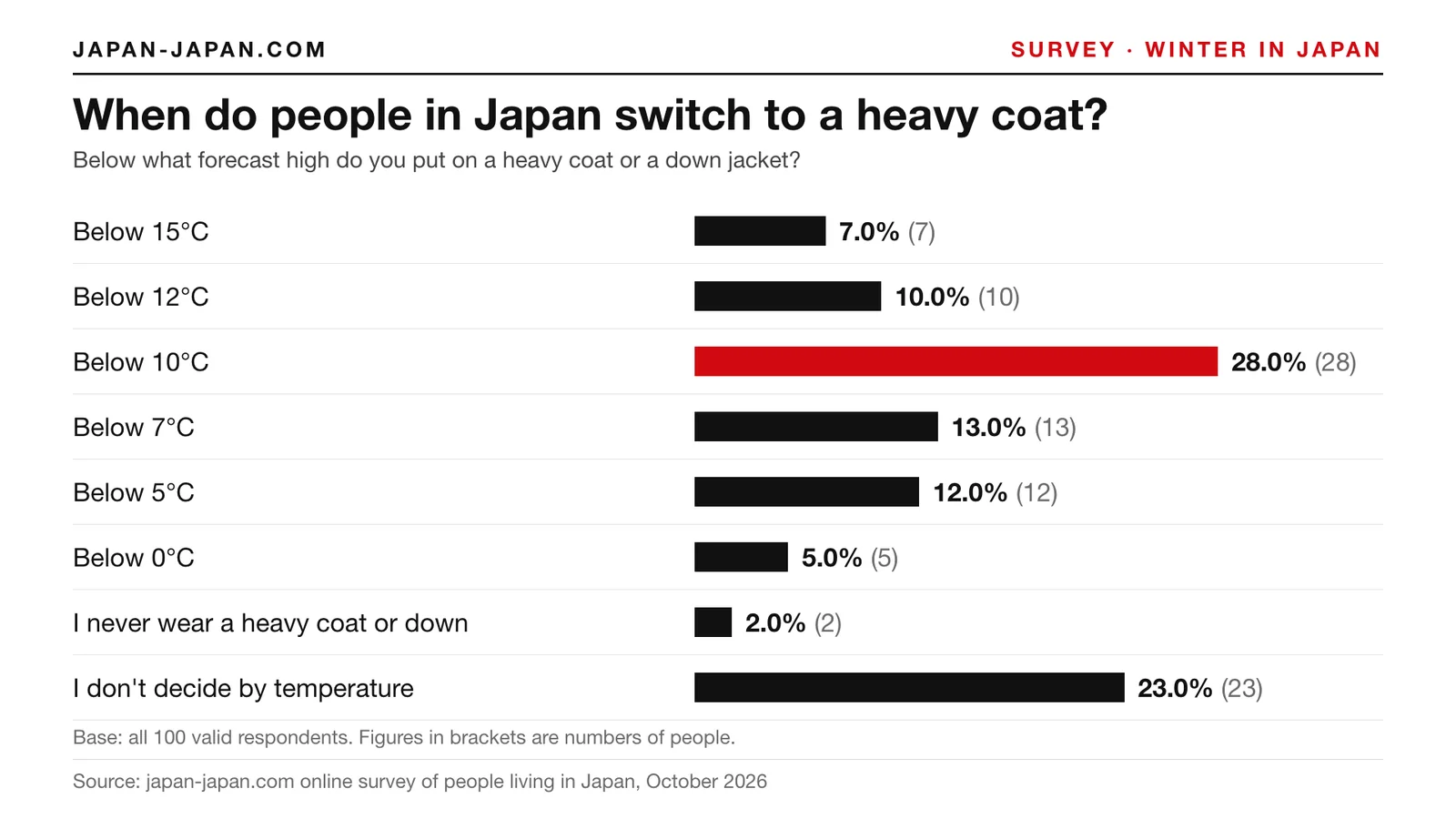
At what temperature do people in Japan switch to a heavy coat?
The most common answer is a forecast high below 10°C. 28 of 100 people switch to a heavy coat or down jacket at that point. 13 wait until below 7°C and 12 until below 5°C. 10 switch below 12°C and 7 below 15°C. 23 of 100 don’t decide by temperature at all.
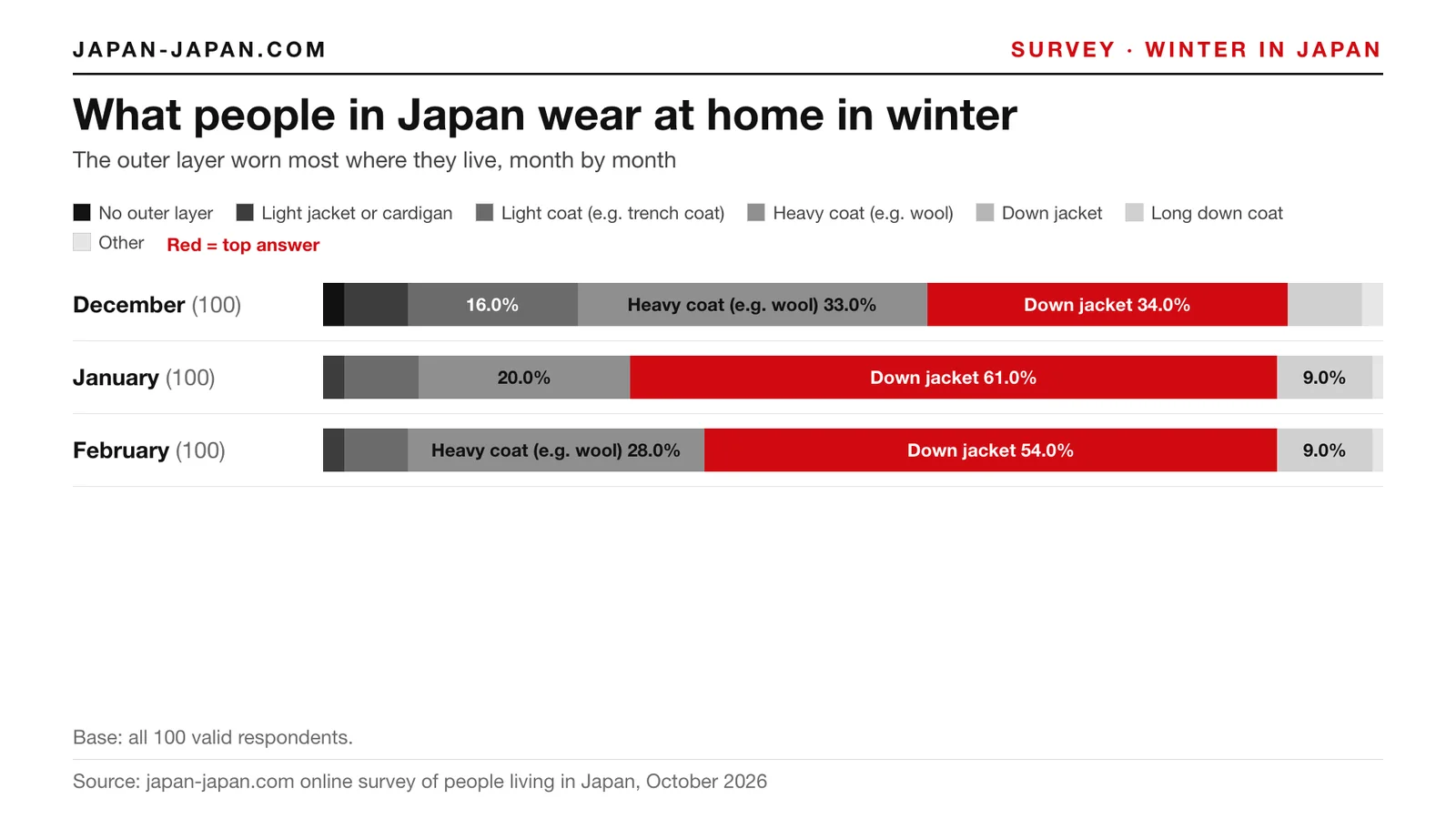
Where they live, 34 of 100 wear a down jacket most in December and 33 a heavy wool coat. With long down coats added, 74 of 100 are in heavy outerwear in December. In January the down jacket alone reaches 61 of 100. The coldest stretch, by their answers, is early February (41 of 100).
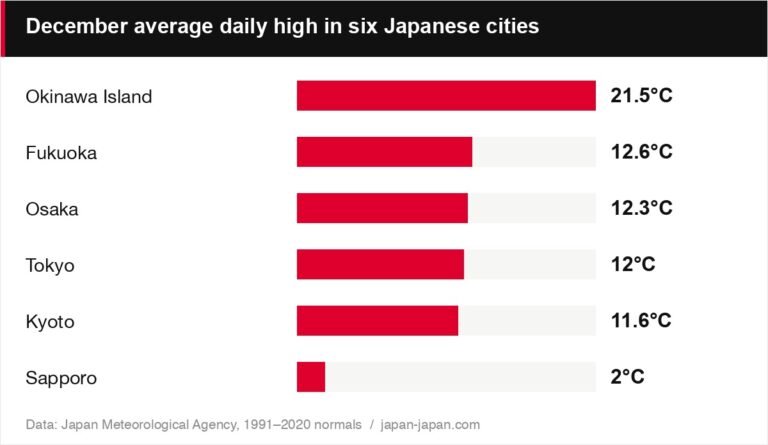
The chart below shows the December average high in six cities, with each city’s average low in the note.
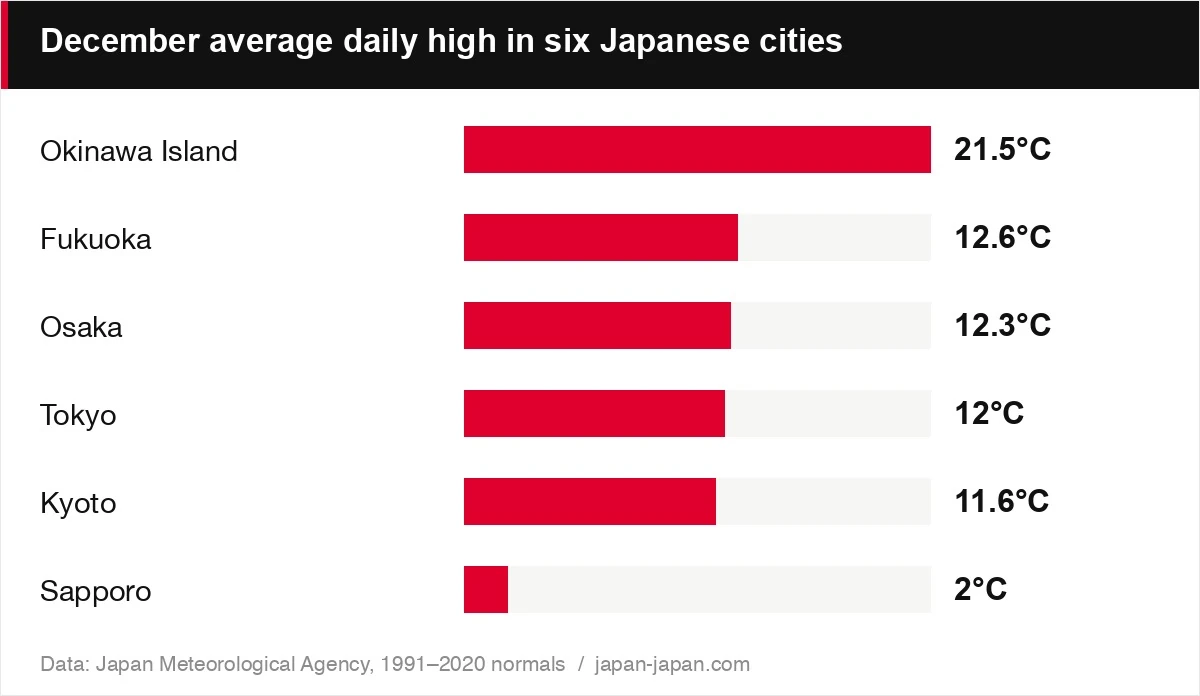
| Item | Value | Note |
|---|---|---|
| Okinawa Island | 21.5 °C | Low 16.8°C |
| Fukuoka | 12.6 °C | Low 5.8°C |
| Osaka | 12.3 °C | Low 5.3°C |
| Tokyo | 12 °C | Low 3.8°C |
| Kyoto | 11.6 °C | Low 3.5°C |
| Sapporo | 2 °C | Low -4.0°C |
In December, Tokyo averages a 12.0°C high and a 3.8°C low. Kyoto averages 11.6°C and 3.5°C, Osaka 12.3°C and 5.3°C, and Fukuoka 12.6°C and 5.8°C. Sapporo drops to 2.0°C by day and -4.0°C at night. Okinawa Island stays at 21.5°C and 16.8°C.
Now put the rule next to the weather. At Tokyo’s December high of 12.0°C, only 7 of 100 would be in a heavy coat by their own rule. Yet 53 of 65 people who spent winter in Tokyo wore heavy outerwear most there.
The gap comes from the time of day. The average high is the warmest part of the day, and mornings and evenings sit near the average low. A rule based on the daytime high misses cold mornings, evenings and windy days. These are 30-year normals, not a forecast for this winter.
In January the rule catches many more people. At Tokyo’s 9.8°C high, Osaka’s 9.7°C and Kyoto’s 9.1°C, 45 of 100 are already in a heavy coat. At Sapporo’s -0.4°C it is 75 of 100. Fukuoka’s 10.2°C catches 17, and Okinawa Island’s 19.8°C nobody. The table sets these side by side.
| City, month | Avg high | Avg low | Coat by rule |
|---|---|---|---|
| Tokyo, December | 12.0°C | 3.8°C | 7 of 100 |
| Tokyo, January | 9.8°C | 1.2°C | 45 of 100 |
| Osaka, January | 9.7°C | 3.0°C | 45 of 100 |
| Kyoto, January | 9.1°C | 1.5°C | 45 of 100 |
| Fukuoka, January | 10.2°C | 3.9°C | 17 of 100 |
| Sapporo, January | -0.4°C | -6.4°C | 75 of 100 |
| Okinawa Island, January | 19.8°C | 14.9°C | 0 of 100 |
Our Japan temperature by month table lists the same averages for every month, with rain and snow.
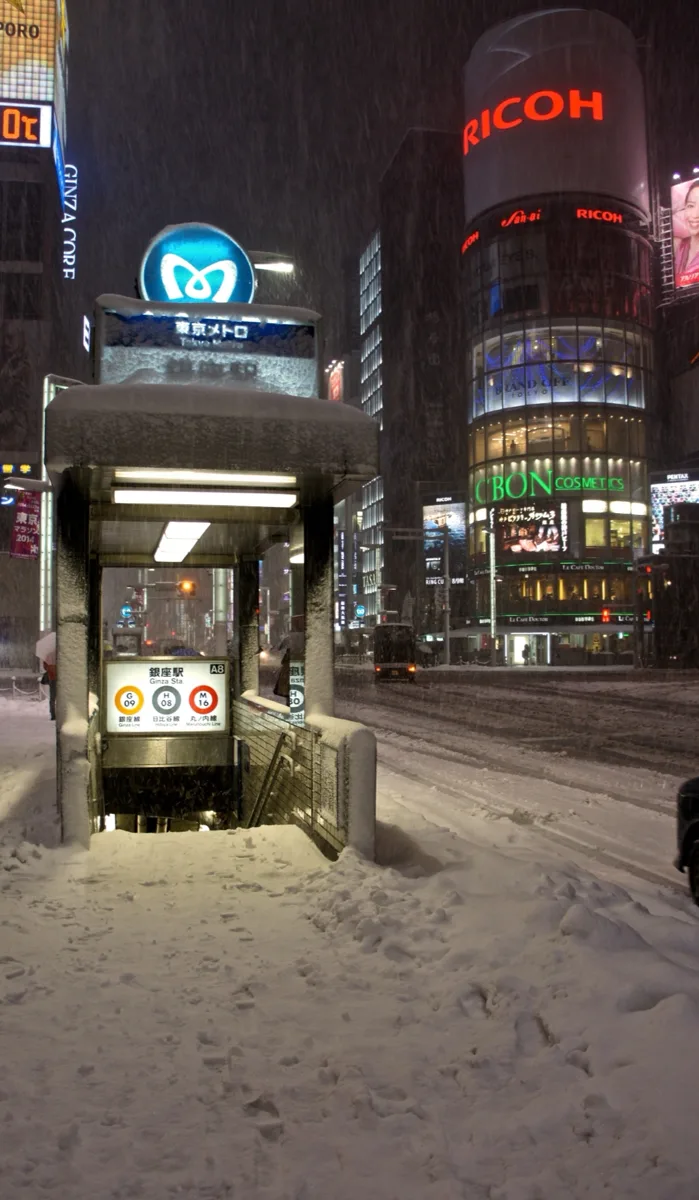
Is Tokyo cold in December?
Yes, for most people who have tried it. Of 65 respondents who spent winter in Tokyo, 36 said it felt cold outdoors and 6 very cold. That makes 64.6% (42 of 65). Only 4 said not cold.
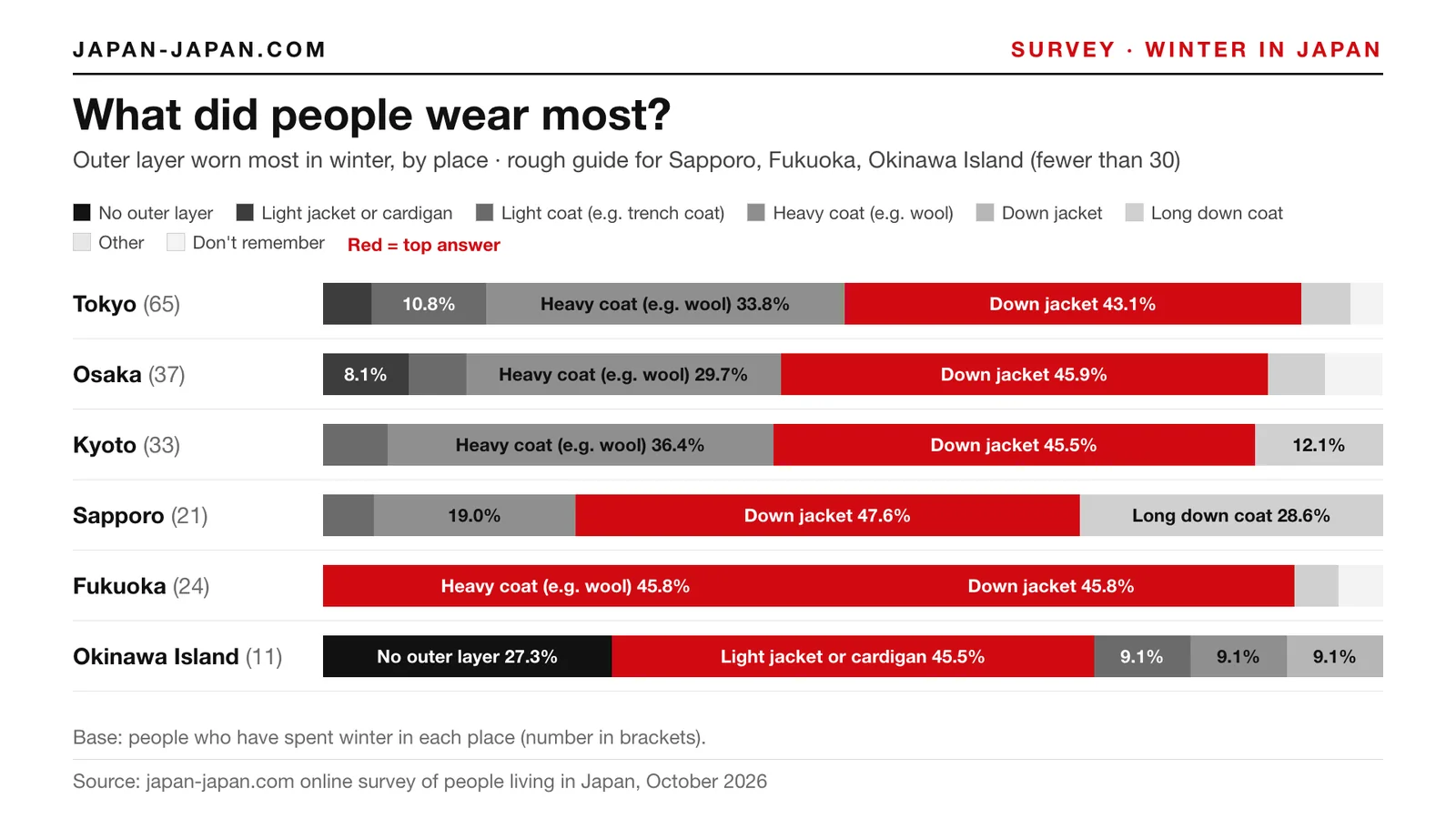
The coat they wore most in Tokyo was a down jacket (43.1%, 28 of 65), then a heavy coat (33.8%, 22 of 65). Just 7 wore a light coat such as a trench.
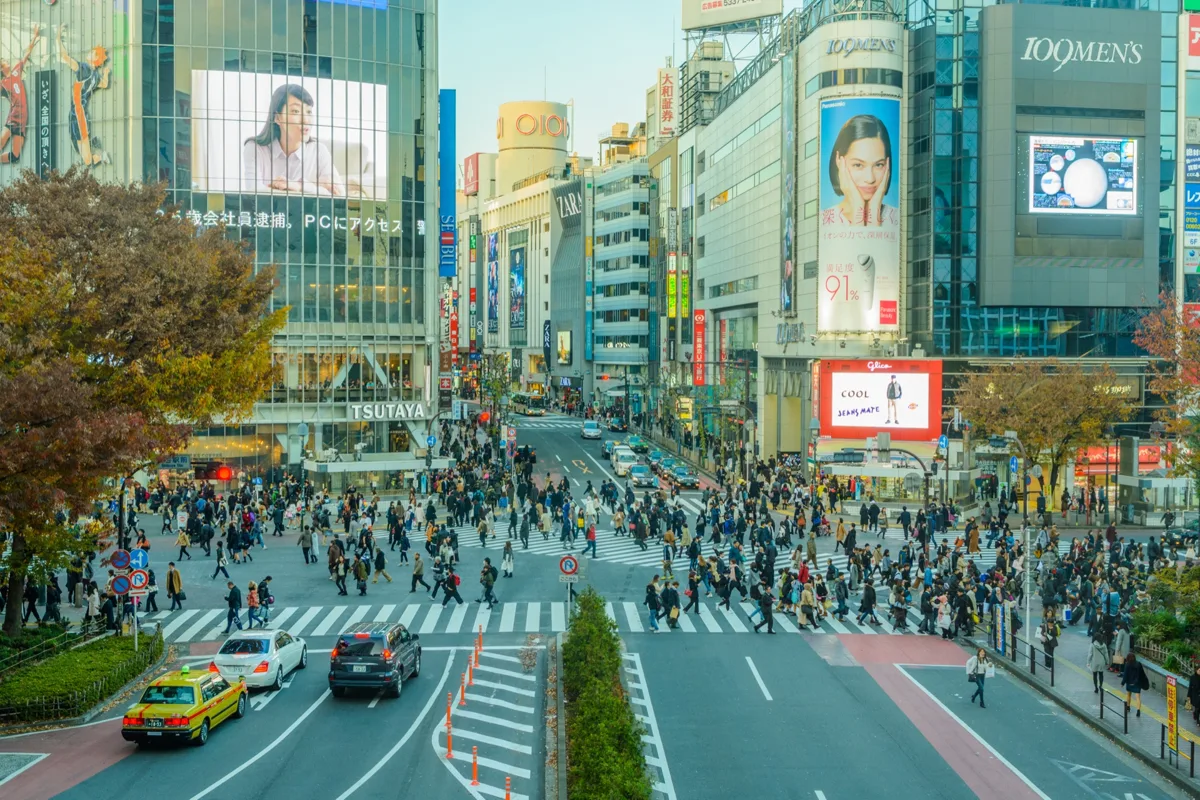
55 of the Tokyo group were there in December, and 45 of them wore heavy outerwear most. These answers cover Tokyo’s winter as a whole, not December alone.
On the official averages, Tokyo in December has a 12.0°C high, a 7.7°C daily mean and a 3.8°C low. The low drops below 0°C on 1.6 days a month. By January the low is 1.2°C.
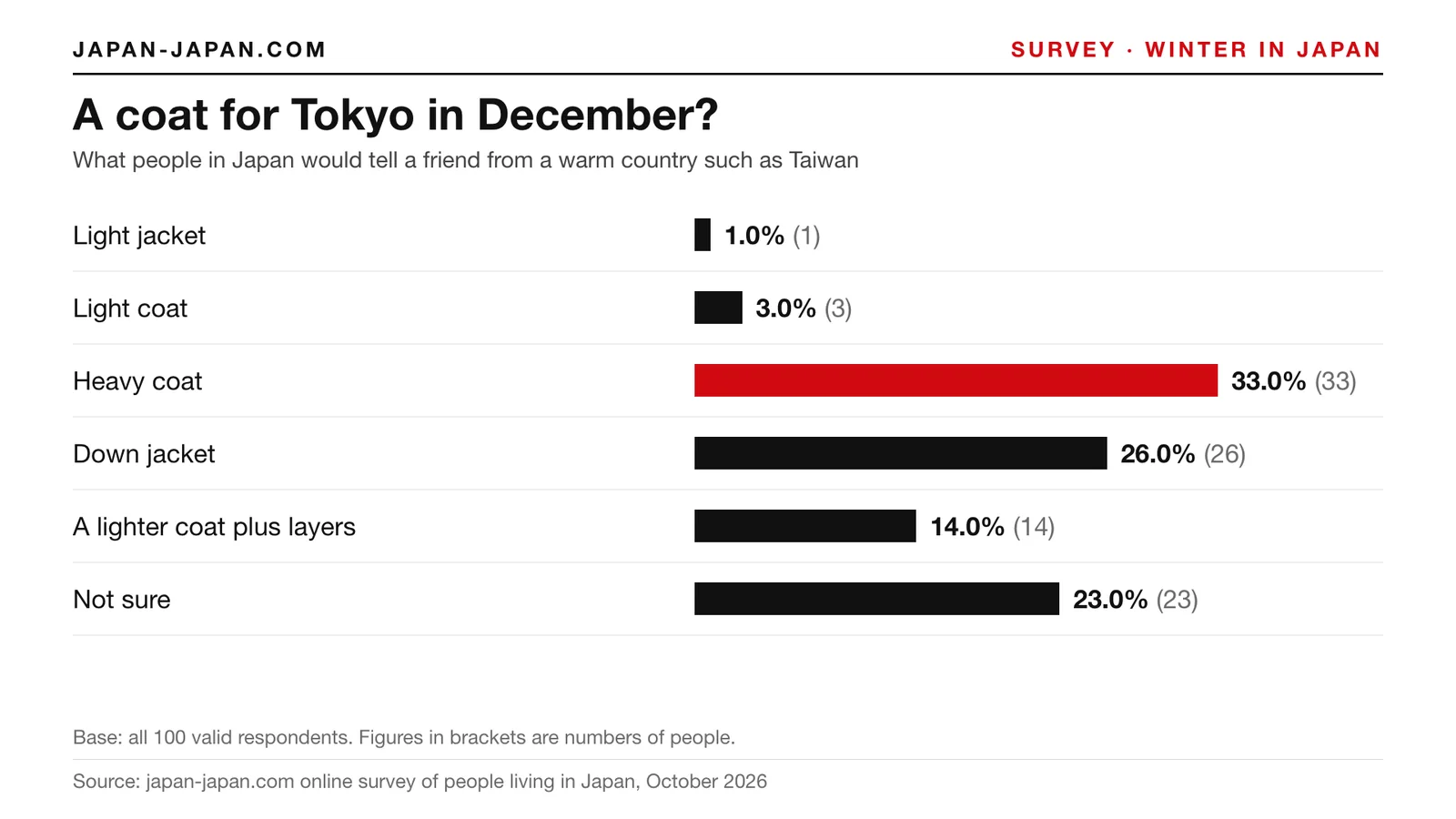
We also asked what to tell a friend coming to Tokyo in December from a warm country such as Taiwan. 33 of 100 said a heavy coat and 26 a down jacket, a combined 59. 18 would suggest a light jacket, a light coat or a lighter coat plus layers. 23 were not sure. Our Tokyo in December guide has the month’s weather and events.
Kyoto, Osaka, Sapporo, Fukuoka and Okinawa in winter
How cold a city felt splits sharply by place. The chart below shows how cold winter felt in each of the six places. Groups under 30 people (Sapporo 21, Fukuoka 24 and Okinawa Island 11) are a rough guide.
Kyoto
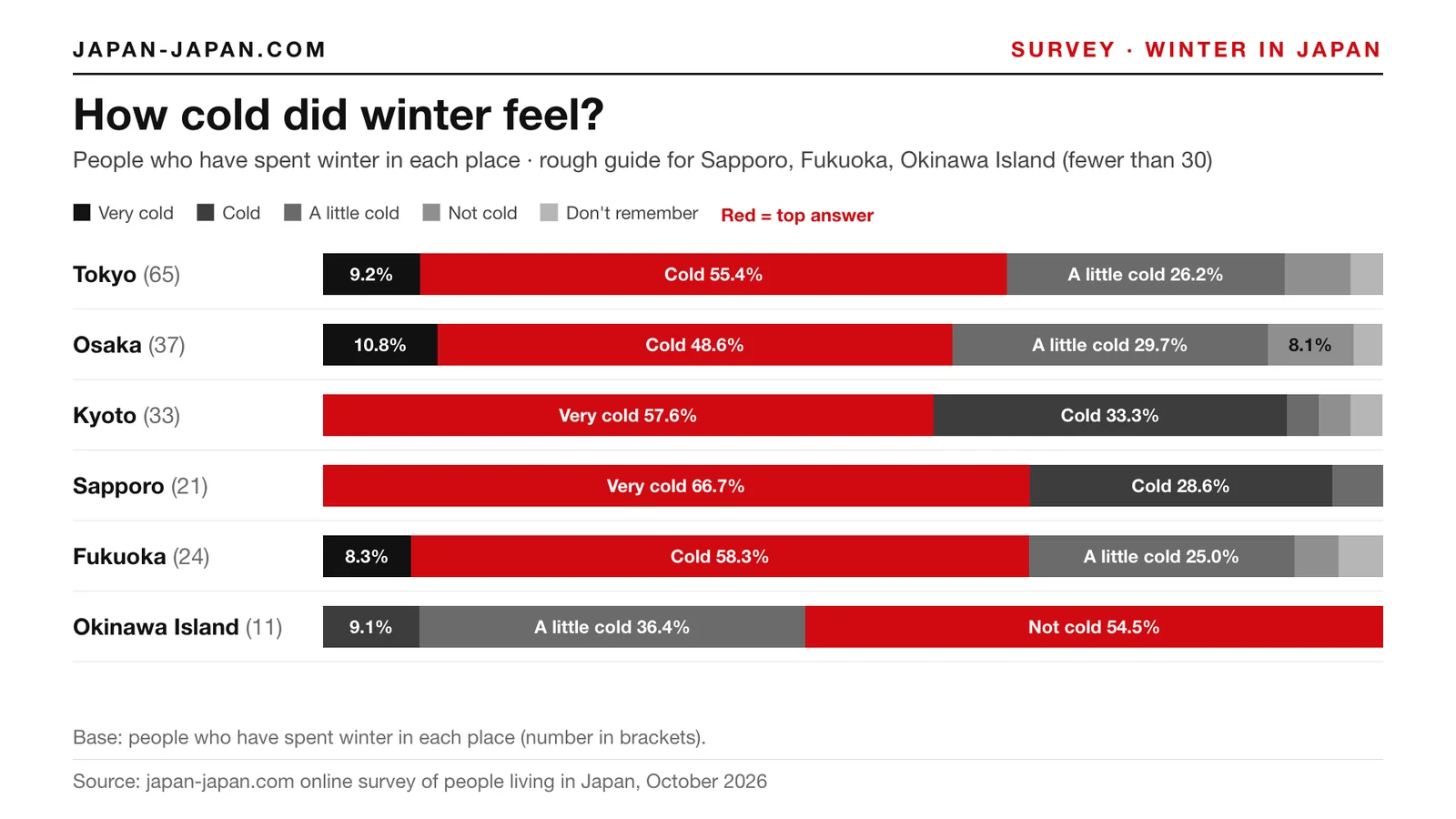
Of 33 people who spent winter in Kyoto, 30 found it cold or very cold (90.9%). The most-worn coat was a down jacket (15 of 33), then a heavy coat (12).
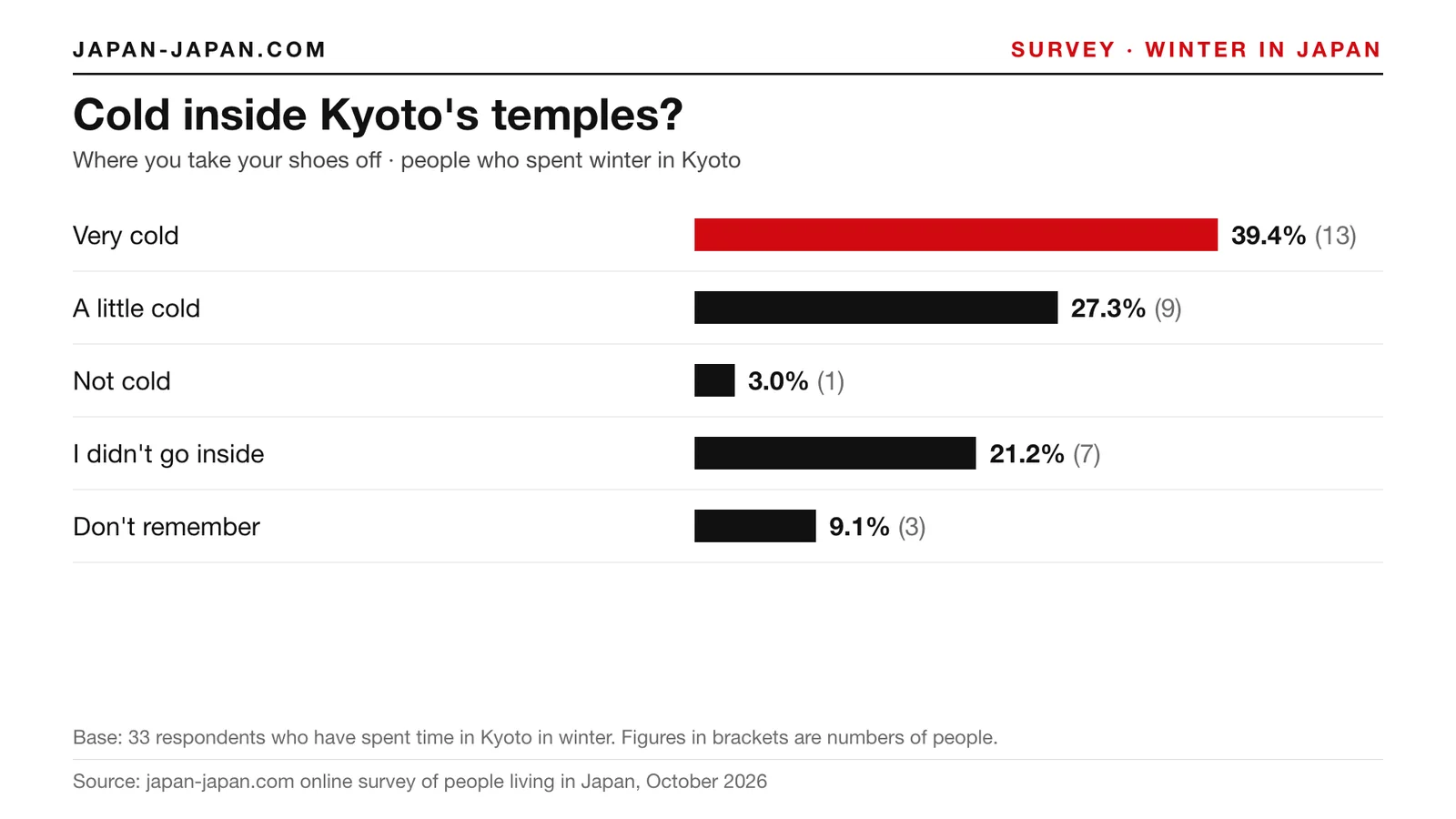
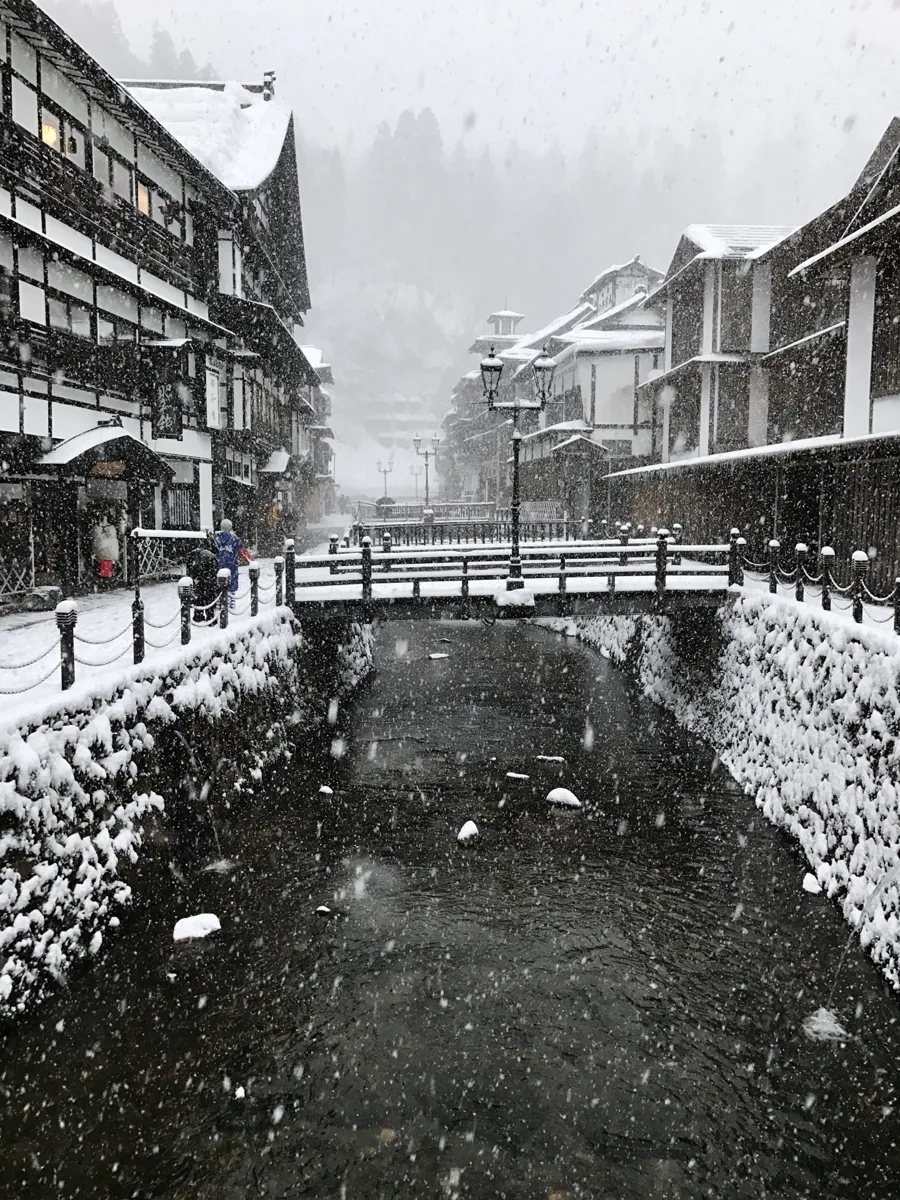
The cold follows you inside. In temple and shrine buildings, where you take your shoes off, 22 of the 23 people who went inside found it cold. A man in his 40s from the Kinki region wrote: “Kyoto in January and February has a deep, damp cold. It gets so cold that even locals stay in.”
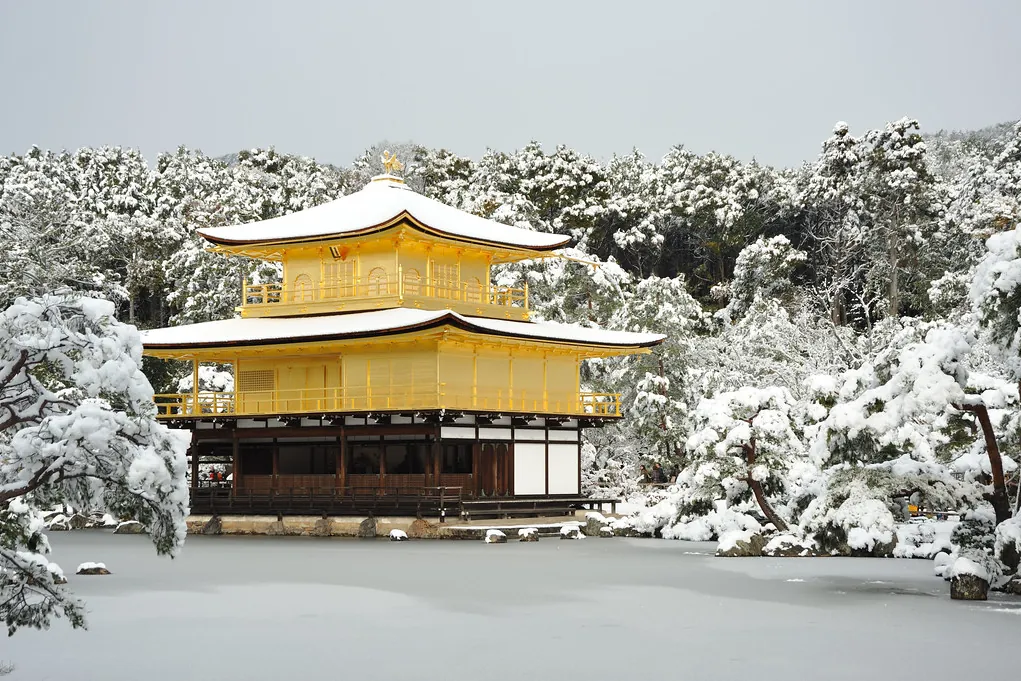
The photo shows a Kyoto temple under snow. Kyoto in January averages a 9.1°C high and a 1.5°C low. For a January visit, 36 of 100 would suggest a down jacket and 28 a heavy coat. See our Kyoto in January guide for events.
Osaka
Osaka felt milder. 22 of 37 people found it cold or very cold (59.5%). A down jacket was the most-worn coat (17 of 37), then a heavy coat (11). December averages a 12.3°C high and a 5.3°C low. Check the Osaka in December guide before you pack.
Sapporo
Nearly everyone agreed on Sapporo. 20 of 21 found it cold or very cold, and 14 said very cold. They wore a down jacket (10 of 21) or a long down coat (6) most. January averages a -0.4°C high and a -6.4°C low. Our Sapporo in January guide covers snow and events.
Fukuoka
Fukuoka surprised people. 16 of 24 found it cold or very cold. A heavy coat and a down jacket tie as the most-worn coat, at 45.8% each (11 of 24). January averages a 10.2°C high and a 3.9°C low. The Fukuoka in January guide has the full month.
Okinawa Island
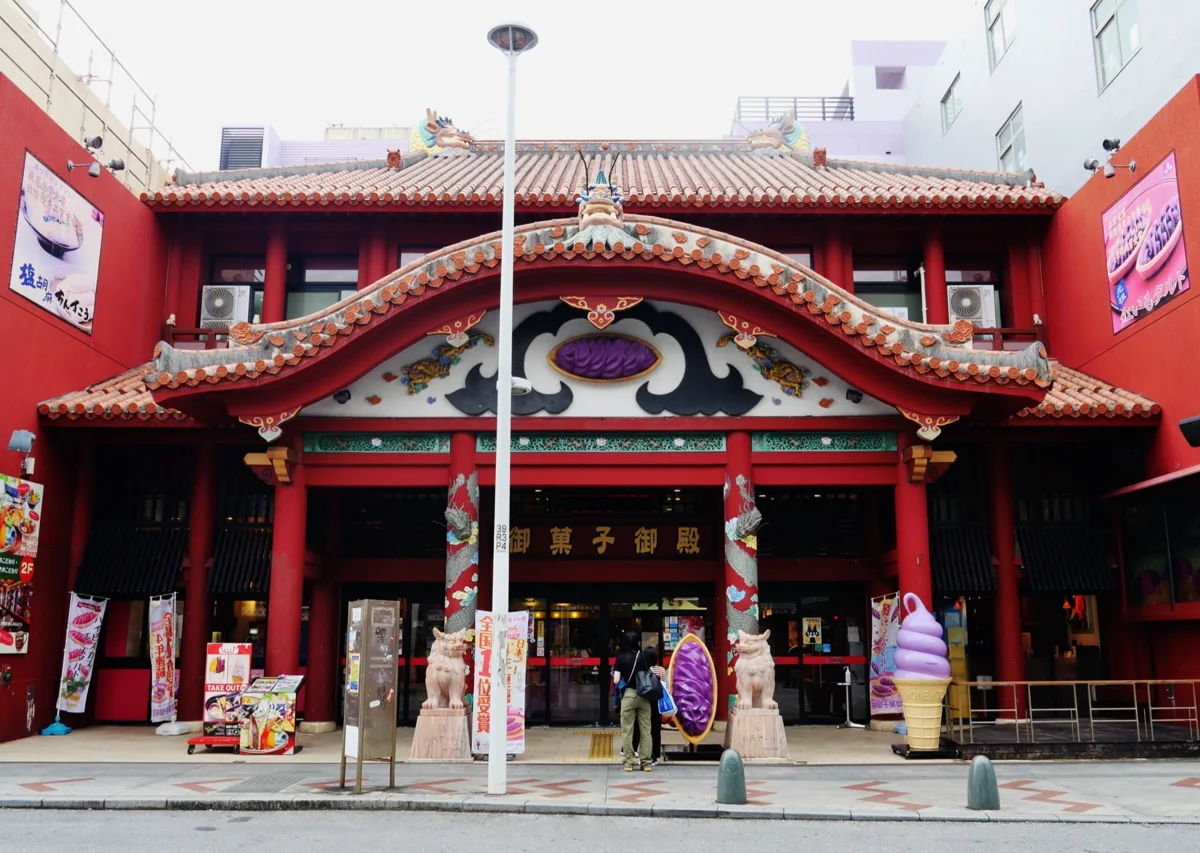
Okinawa Island is the warm exception. Only 1 of 11 found it cold. The most-worn layer was a light jacket or cardigan (5 of 11), and 3 wore no outer layer. December averages a 21.5°C high and a 16.8°C low. For a December trip, 32 of 100 would suggest long sleeves plus a light jacket, and 57 were not sure. The Okinawa in December guide has the month’s averages.
Layers, heat-generating base layers and hand warmers
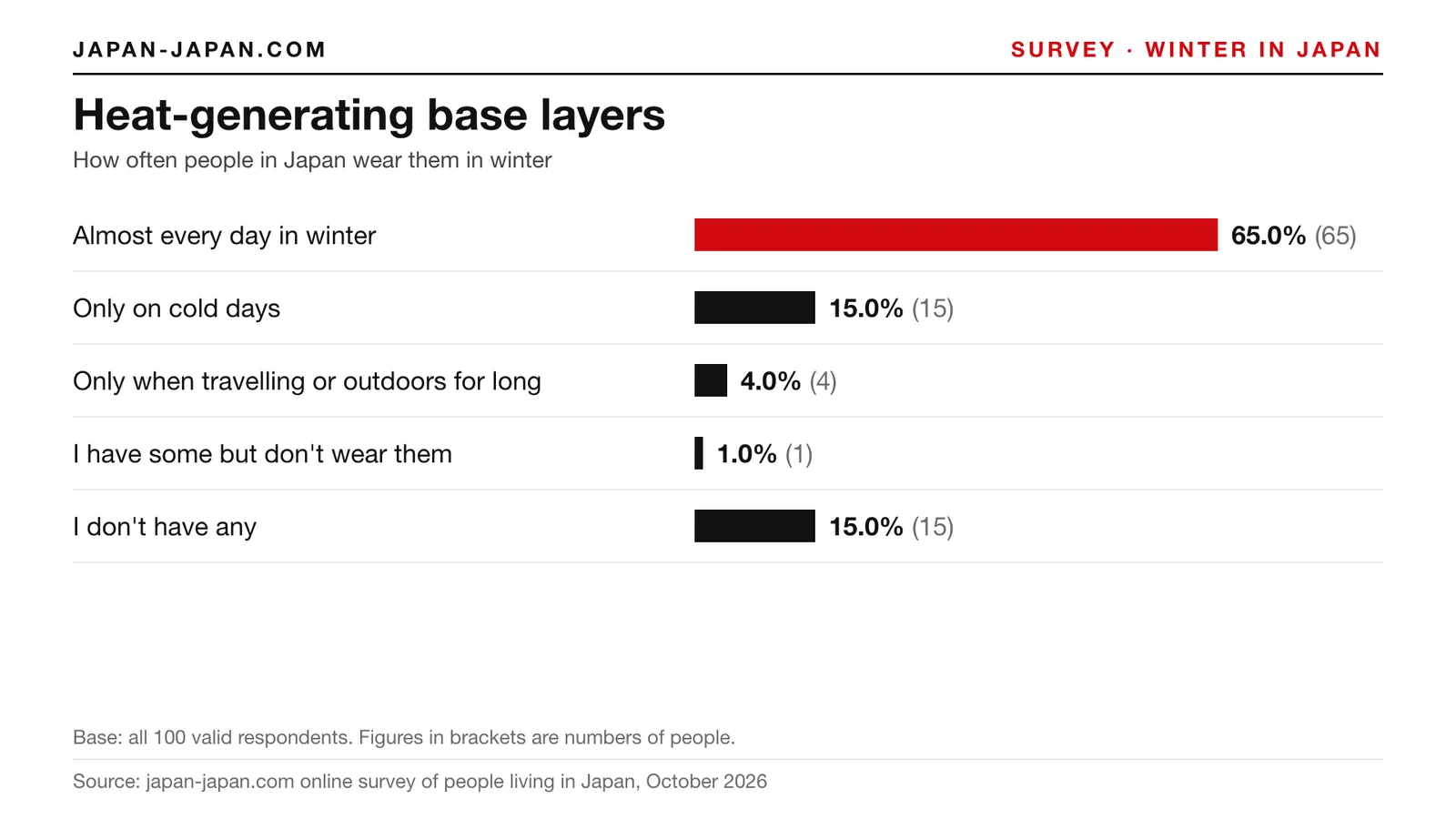
Heat-generating base layers are standard in Japan. 65 of 100 people wear one almost every day in winter, and 84 of 100 at least some of the time. 15 don’t own any.
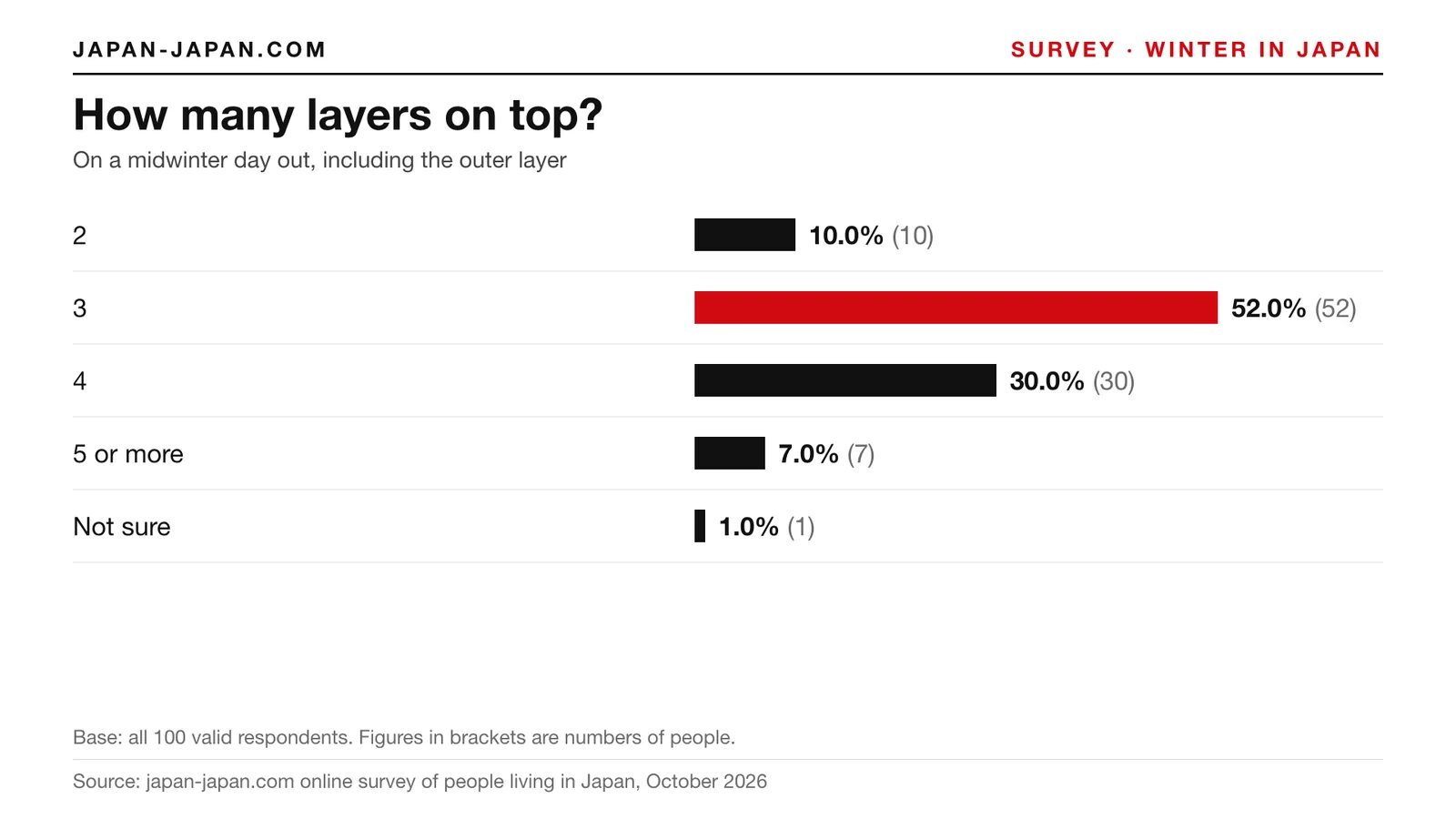
On a midwinter day out, 52 of 100 wear 3 layers on the upper body, coat included. 30 wear 4. Under the coat, 62 add a thick “Extra Warm” base layer, 59 a knit sweater and 58 tights or leggings. The chart below shows how many layers people wear on top.
Accessories matter as much as the coat. 72 of 100 use gloves, 71 a scarf or stole and 50 a face mask. 45 wear thick socks and 37 a knit hat. 96 of 100 use at least one.
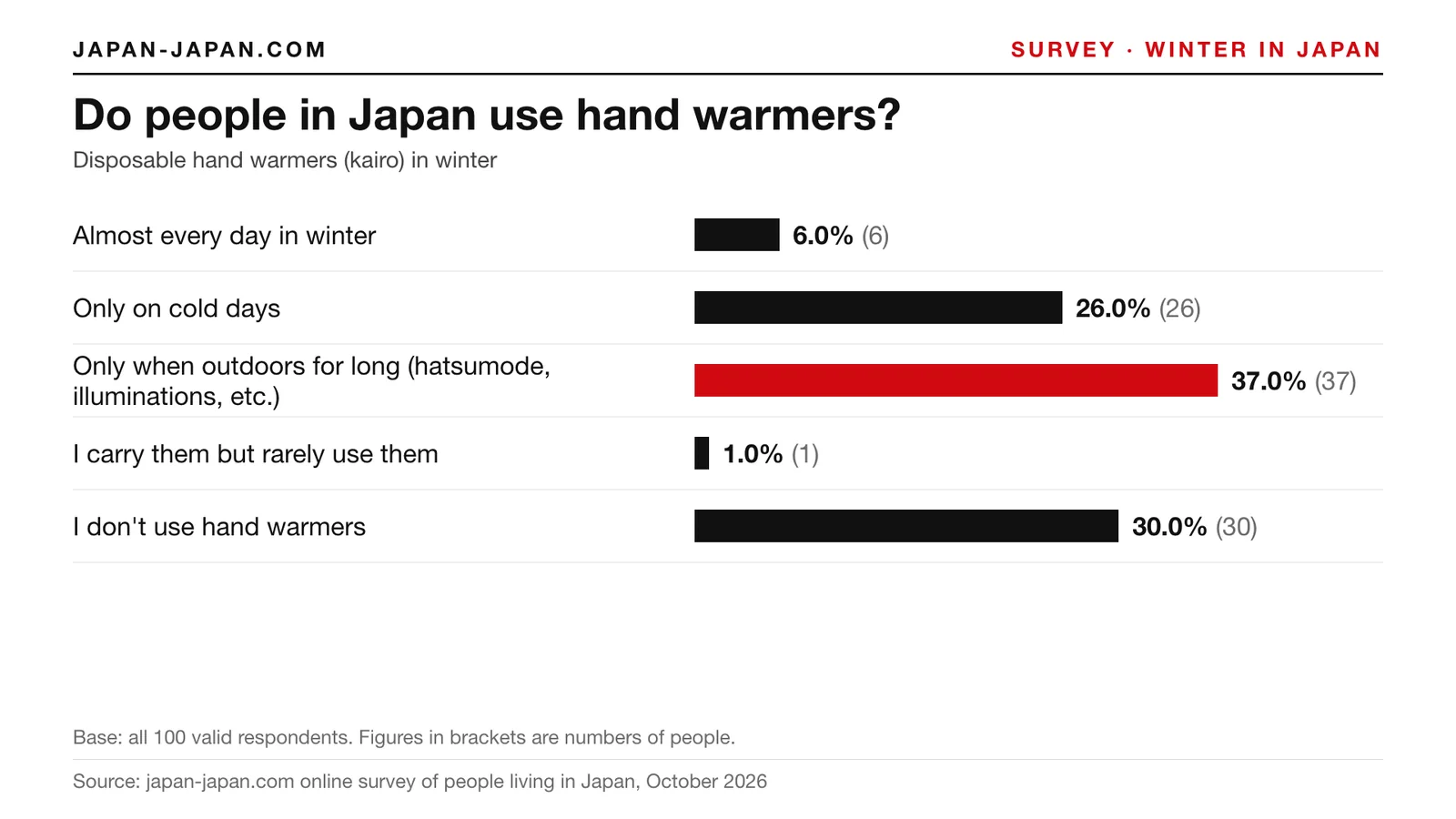
Disposable hand warmers are part of the routine. In shops, look for カイロ (kairo, “hand warmer”). 70 of 100 use them, but only 32 almost every day or on cold days. The largest group, 37, uses them only when outdoors for long, such as at hatsumode or illuminations. 58 use adhesive warmers, mostly on the stomach (43) or lower back (40).
Hand warmers can go in both carry-on and checked bags, as our hand warmers page in the bring database explains. The guide to hand warmers on planes covers the fuel-burning kind. For a full list, see our Japan packing list for winter.
Too hot inside: trains, shops and restaurants
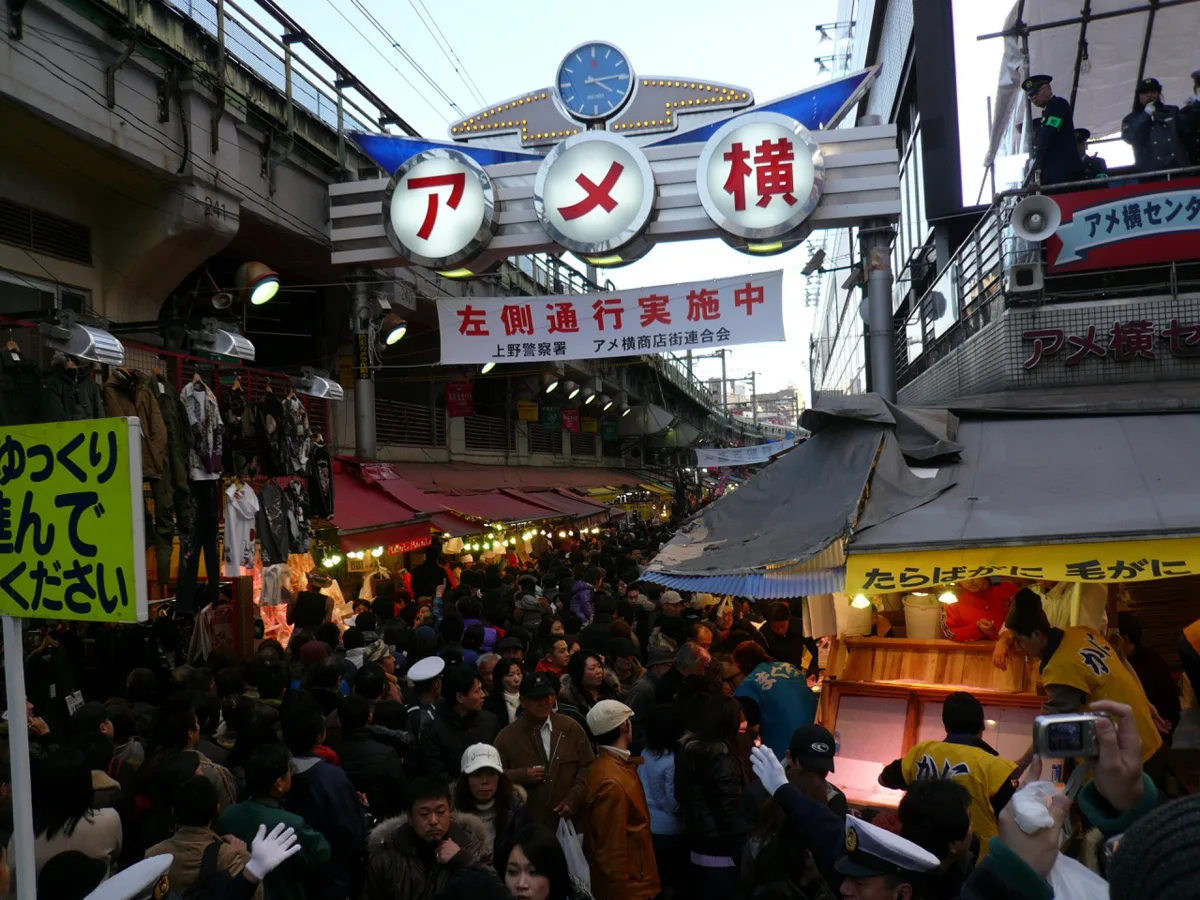
Winter in Japan has two climates: the street and the inside of a train. 61 of 100 people find trains and buses too hot, and 58 say the same of department stores and shops. Together, 81 of 100 find one or the other too hot. 94 of 100 have at least one problem with the gap between outdoors and indoors.
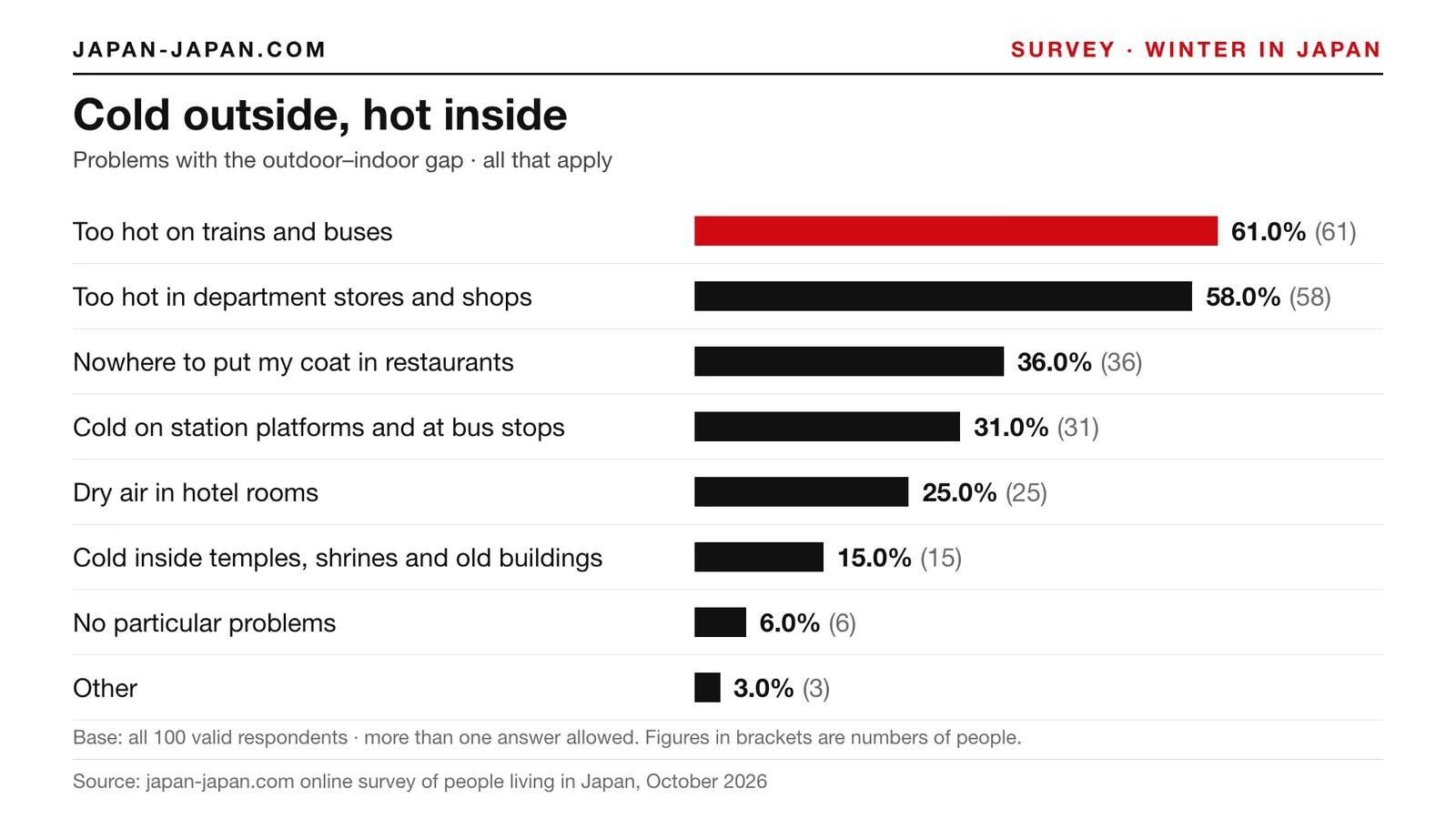
36 have nowhere to put their coat in restaurants, and 31 find station platforms and bus stops cold. Base layers make the heat worse. Among people who wear them, 77.1% (64 of 83) have felt too hot on trains or indoors.
A woman in her 20s in Tokyo wrote: “Winter in Tokyo is colder than you’d imagine, but trains and shops are hot. Wear an outer layer that’s easy to take off.”
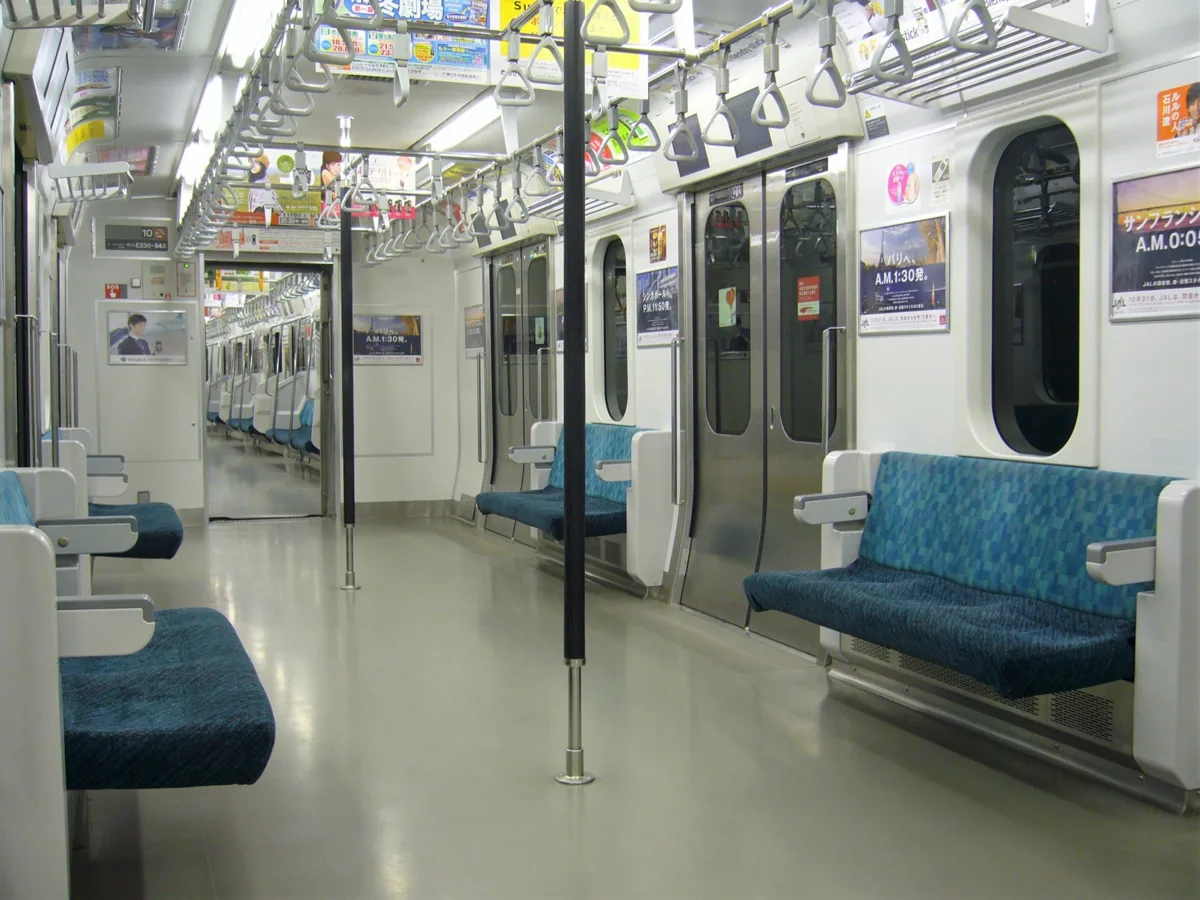
That matches what most people do. 40 of 100 wear layers that are easy to take off and put on. 35 take their coat off and carry it, and 11 open the front of the coat. Pick a coat that opens fully, and wear a thinner base layer on days with long train rides.
Snow and ice: which shoes, and how often people slip
Almost everyone in the survey has walked on snow or ice: 98 of 100. Most of them wore sneakers. 43.9% (43 of 98) wore sneakers most often, 18 snow boots and 15 ordinary boots. 12 wore winter shoes with anti-slip soles.
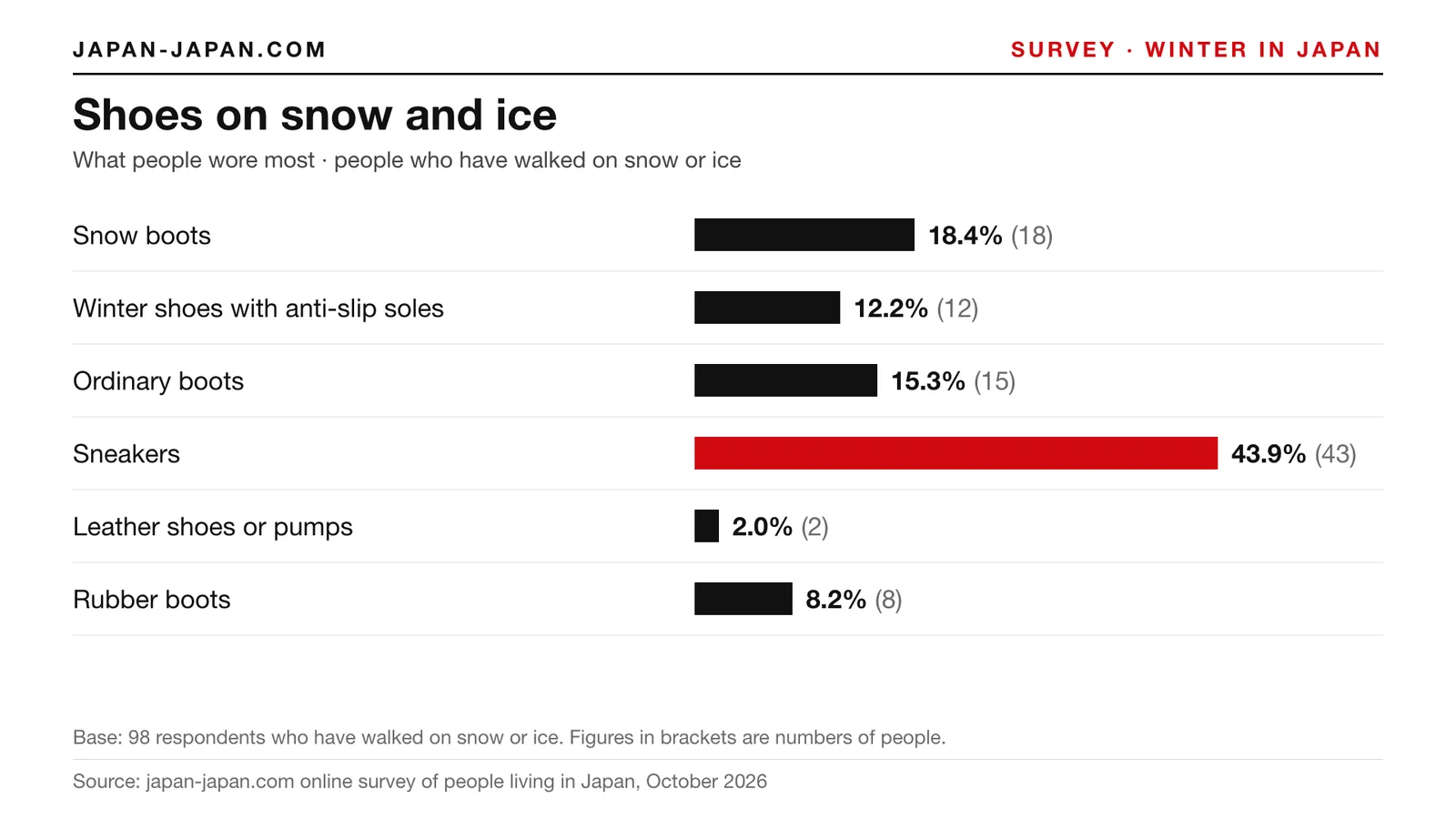
The result is a lot of slipping. 46 of 98 have fallen, and 44 slipped without falling. That is 91.8% (90 of 98) who have slipped or fallen.
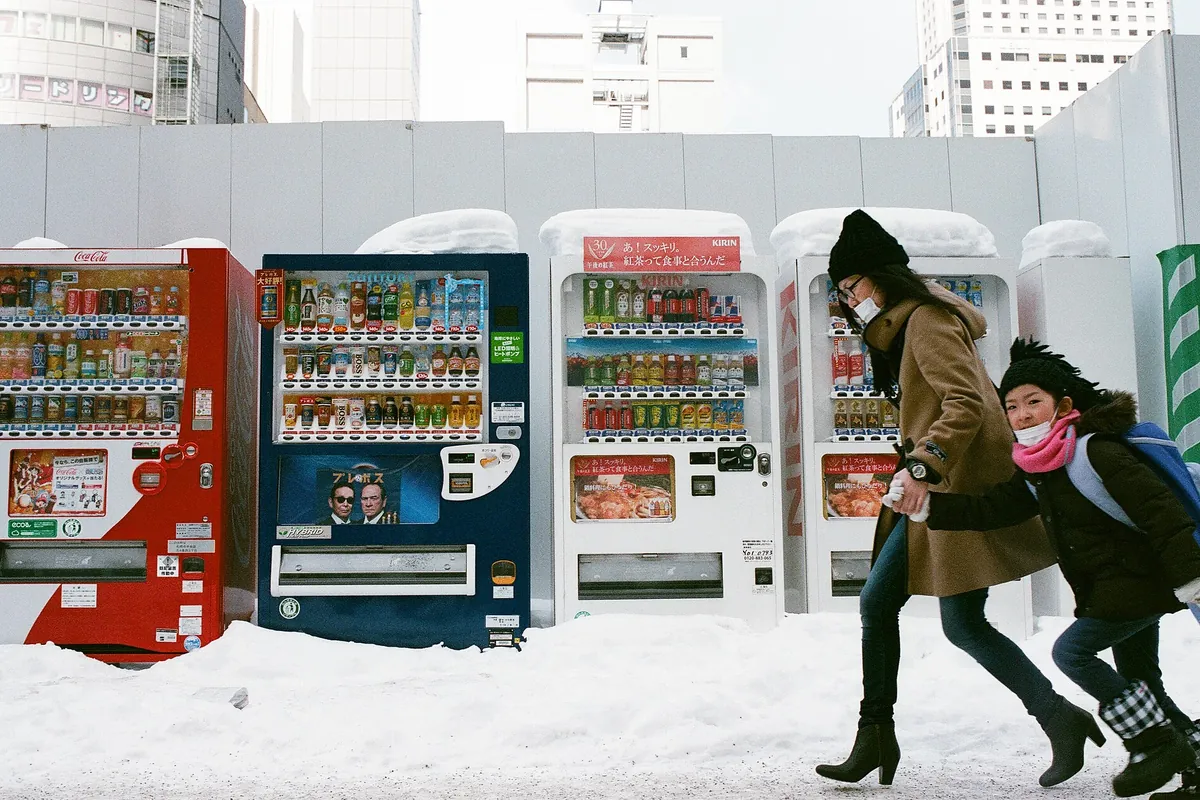
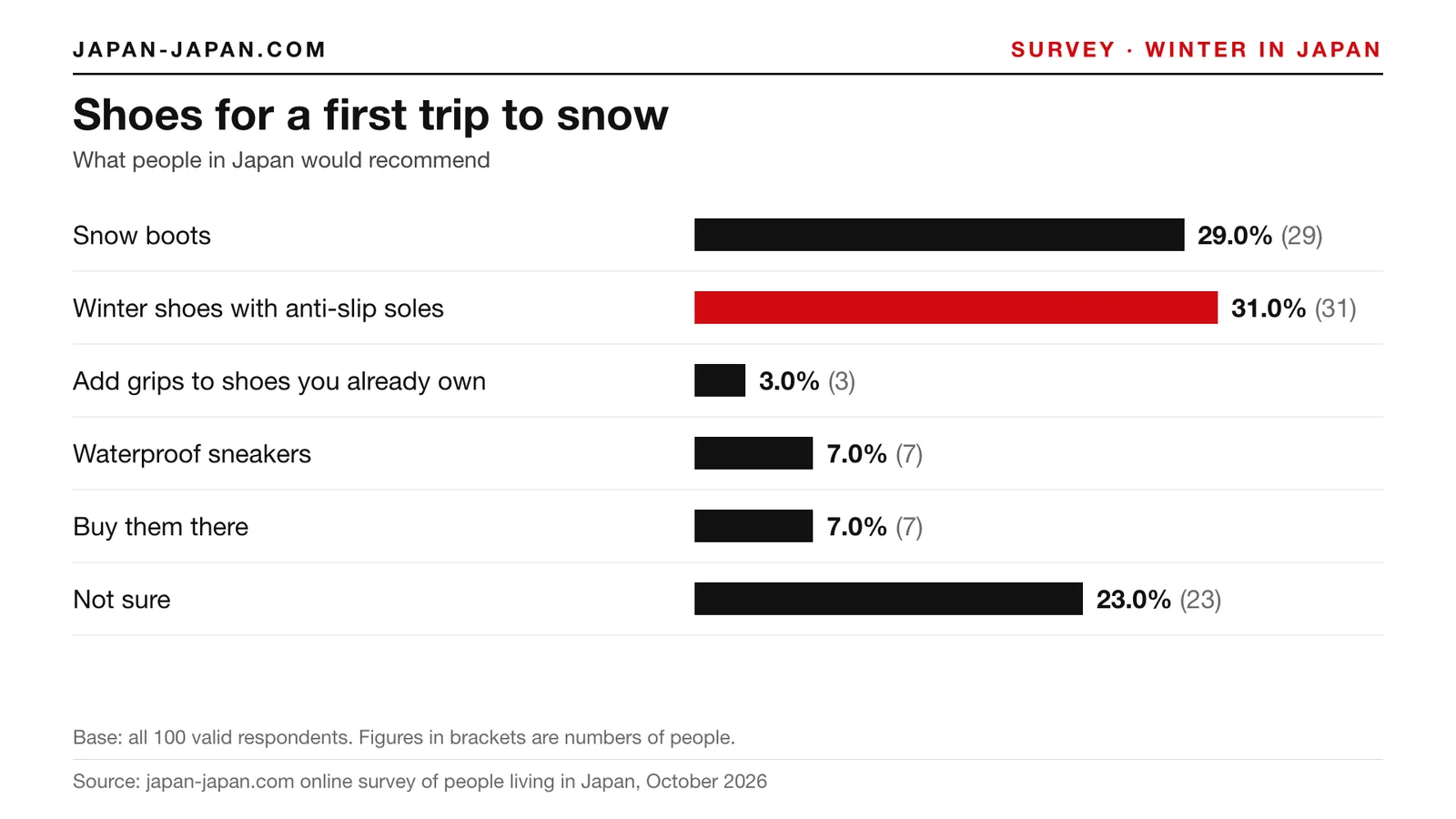
The photo shows a snowy Sapporo sidewalk, the kind of surface where sneakers slide. For a first visit to a snowy place, 31 of 100 recommend winter shoes with anti-slip soles and 29 snow boots. 23 were not sure.
A woman in her 50s in Tohoku wrote: “Always wear snow boots, take short steps and waddle like a penguin. And the white lines on pedestrian crossings are very slippery.”
On trips to snowy places, 24 of 100 bought hand warmers locally and 15 thick socks. 6 bought slip-on shoe grips. To see when snow usually starts in each city, read when it snows in Japan.
Illuminations, hatsumode, onsen towns and skiing
Illuminations keep people standing outdoors for a long time. 87 of 100 have been to a winter illumination. At the last one, 33 of 87 stayed outdoors for 1–2 hours. 44.8% found it very cold and 47.1% a little cold.
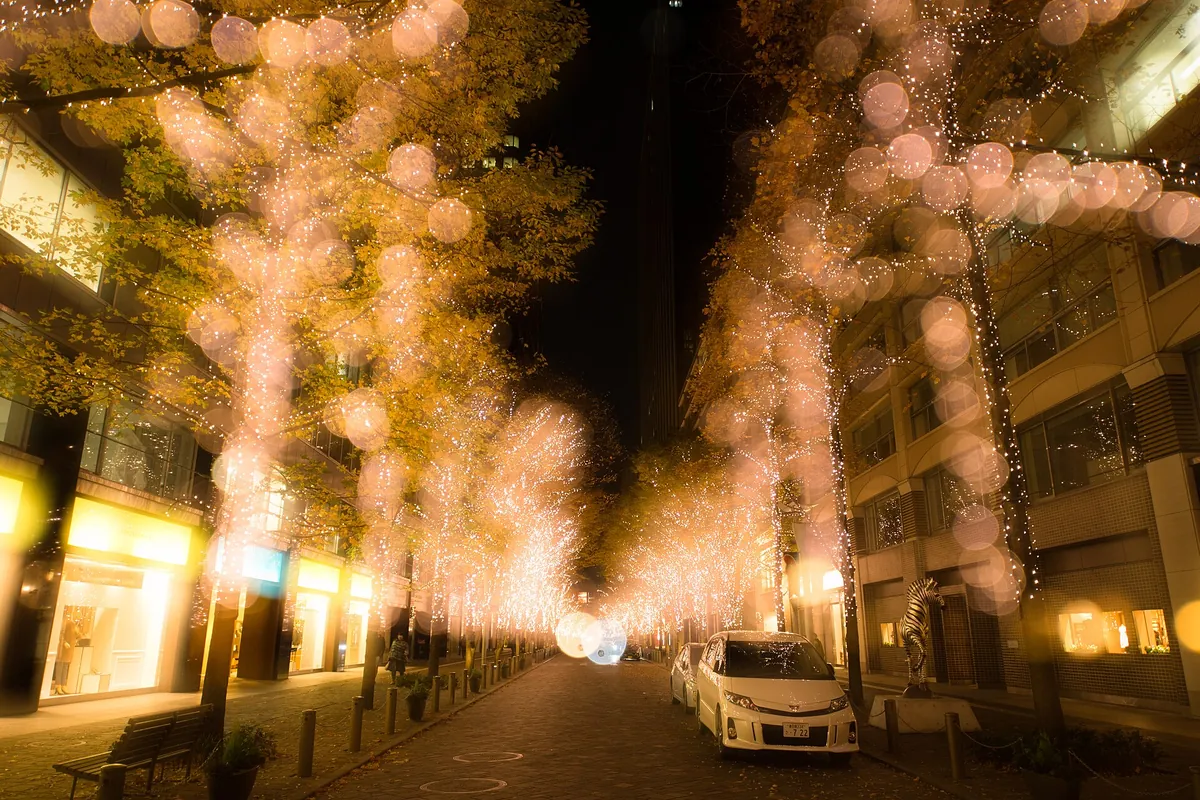
Against the cold, 57.5% wore gloves and 54.0% bought a hot drink. 48.3% wore a heavier coat than usual. Central Tokyo, including Marunouchi, drew 30 of the 87. The photo below shows the kind of street lights that keep people outside for an hour or more.
Hatsumode, the first shrine or temple visit of the year, is just as common. 50 of 100 go every year and 40 in some years. 38 of 90 queue under 30 minutes. 49 of 90 wear their usual winter clothes, and 40 dress warmer than usual.
A woman in her 30s in Tohoku pointed to amazake, a sweet rice drink that shrines often sell at New Year: “Amazake is served hot, so I recommend it.” Check our New Year 2026–27 holiday page and the New Year in Japan guide.
Hot-spring towns are cold in their own way. Of 42 people who visited one in winter, 18 felt cold going to and from the outdoor bath. 18 felt cold in inn corridors and changing rooms. 16 changed into their own coat to walk around town.
59 of 100 have been skiing. On the last trip, 30 rented ski wear and 27 brought their own. Hands hurt most (38 of 59), then the face (34) and toes (31). This winter, 46 of 100 plan hatsumode and 43 illuminations.
What people in Japan tell friends visiting in winter
We asked what people would tell a friend from a warm country, city by city. The table sums up the top answer and how many were not sure.
| Trip | Top answers | Not sure |
|---|---|---|
| Tokyo in December | Heavy coat 33, down jacket 26 | 23 of 100 |
| Kyoto in January | Down jacket 36, heavy coat 28 | 29 of 100 |
| Sapporo in January | Down jacket 34, long down coat 30 | 20 of 100 |
| Okinawa Island in December | Long sleeves plus a light jacket 32 | 57 of 100 |
For Kyoto in January, 64 of 100 would recommend a heavy coat or a down jacket, though 29 were not sure. For Okinawa Island in December, 36 would suggest at least a jacket over long sleeves.
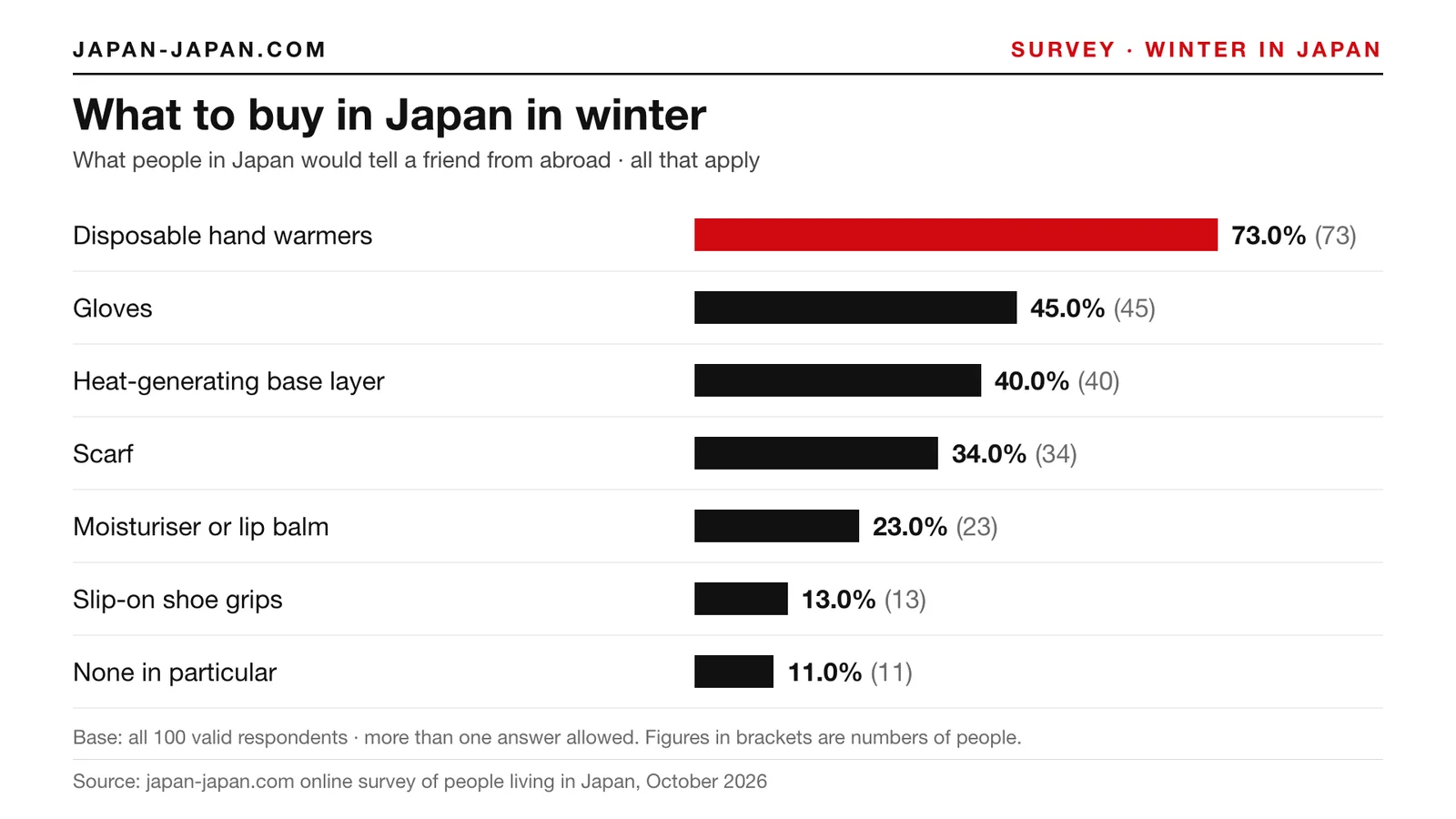
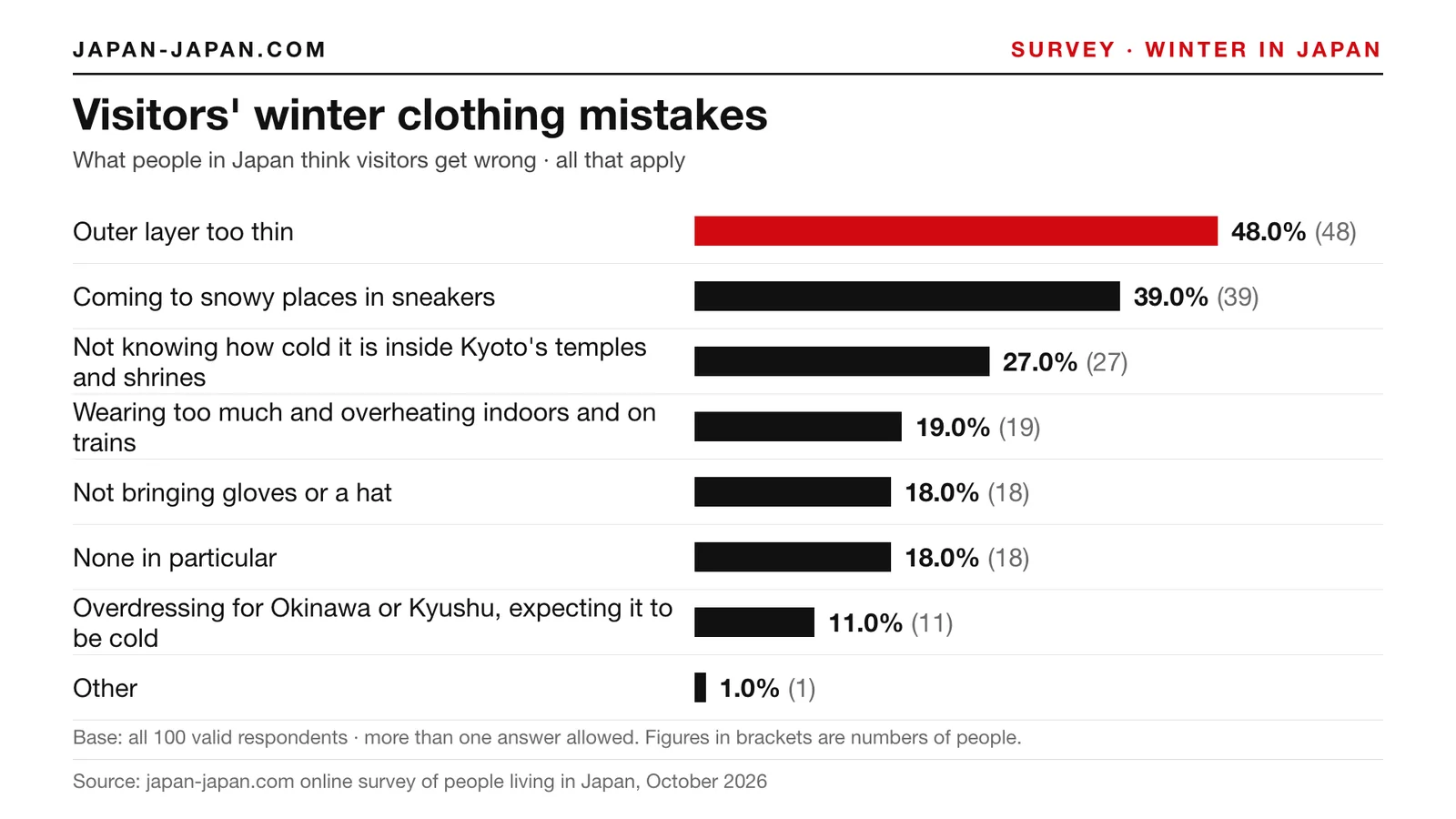
The top things to buy in Japan are disposable hand warmers (73 of 100), gloves (45) and a heat-generating base layer (40). The most common visitor mistakes they see are an outer layer that is too thin (48) and sneakers in snowy places (39).
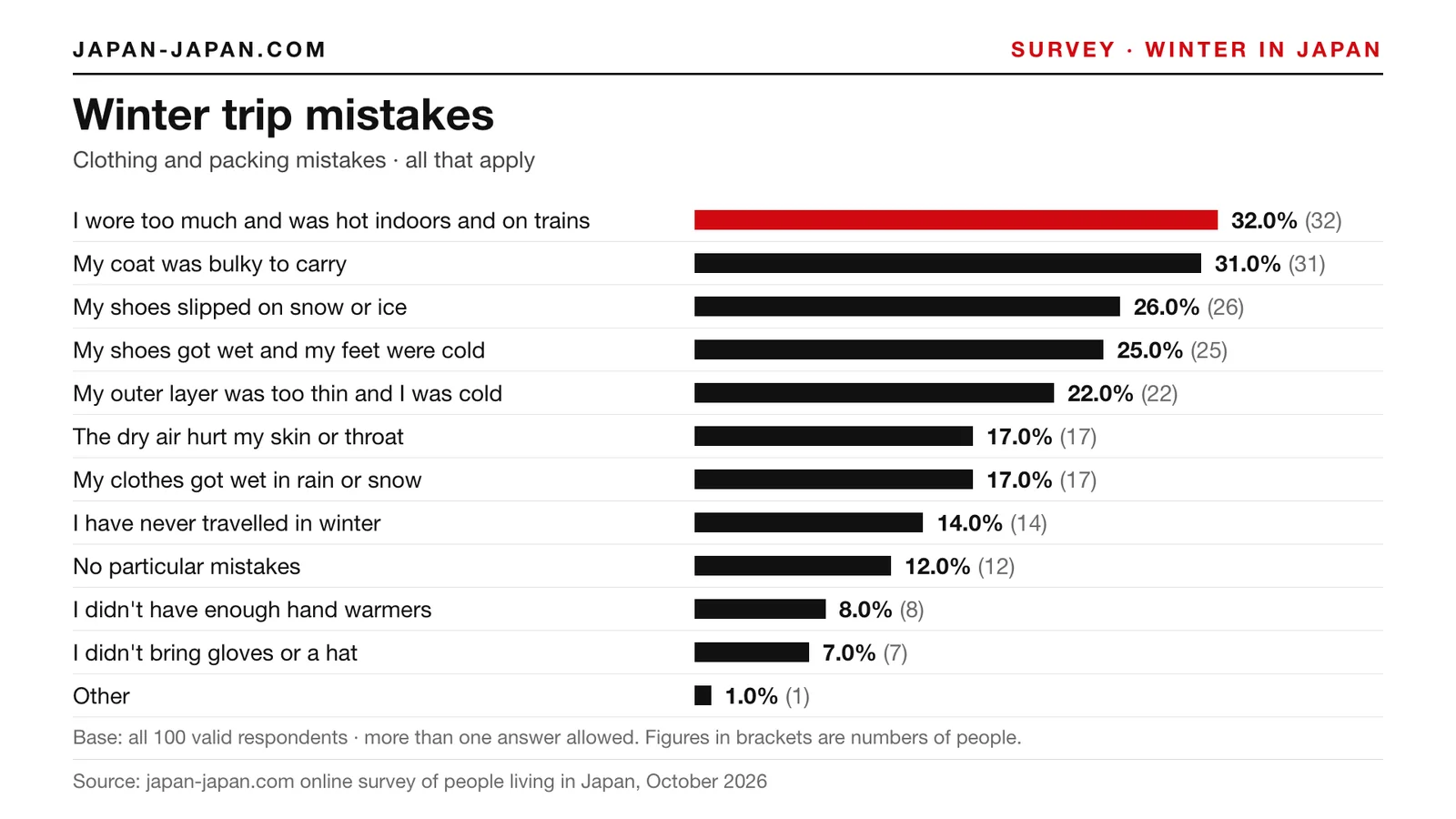
They make mistakes on their own trips too. 76 of 100 have made at least one on a winter trip. 32 wore too much and were hot indoors, and 31 found their coat bulky to carry.
What respondents wrote
Five free-text questions were required, so every one of the 100 respondents wrote something. Here are some of their answers, translated from Japanese by japan-japan.com. Age, gender and region are as respondents reported them.
“If you’ll be outside for hours, like at the Sapporo Snow Festival, you need to dress very warmly. Warm socks are a must. In February the snowy streets get really slippery, so wear shoes with grips. A lot of tourists fall over.”
— Woman in her 60s, Hokkaido. Original Japanese (excerpt): 「雪まつりにように外に長時間いる場合には相当温かい恰好をしないと耐えられません。(中略)足元がすごく冷たくなるので温かい靴下は必須です。雪道も2月はつるつるに滑るので靴は滑り止めがついたものを履いた方がいいです。転んでいる観光客の方はとても多いので。」
“Sapporo in December can get heavy snow. Please come in practical shoes rather than fashionable ones. There’s often snow on top of ice, so wear shoes that don’t slip. It’s cold outside, but inside stations it can actually be hot.”
— Woman in her 20s, Hokkaido. Original Japanese (excerpt): 「12月の札幌は、タイミングによっては大雪です。おしゃれな靴より、機能性重視の靴できてほしいです。氷のうえに雪があることが多いので、滑らない靴で来てほしいです。外は寒いですが、駅など室内は下手すると暑いです。」
“Tokyo in January is very cold outdoors, but packed trains and subways can feel hot. Bring a warm outer layer you can slip off before boarding and put straight back on when you get off.”
— Woman in her 40s, Kanto (outside Tokyo). Original Japanese (excerpt): 「1月の東京に来る際は、屋外は非常に寒いですが、電車や地下鉄の満員電車では車内が暑く感じる事もあるので、電車に乗る前にさっと脱げて、降りたときに直ぐに着ることの出来る暖かい上着があると良いと思います。」
“Osaka in January isn’t as cold as you might think. The heating on trains and in shopping centers is strong, so wear clothes you can take off and put on.”
— Woman in her 30s, Kinki (Osaka and Kyoto area). Original Japanese (excerpt): 「1月の大阪は思ったほど寒くない 電車や商業施設の暖房がきついので脱ぎ着できる服がいい」
“Winter in Fukuoka, especially February, is surprisingly cold. Bring a thick coat too. Some days are windy, so keep your neck warm with a scarf.”
— Woman in her 30s, Kyushu. Original Japanese (excerpt): 「福岡の冬、特に2月は意外と寒いのです。厚手の上着も用意すると良いです。風が強い日もあるのでマフラーで首元を温めると保温できますよ。」
“Okinawa in January and February is said to be fairly warm, but the wind is strong, so outdoors it can feel very cold. Don’t let your guard down: wear a slightly thicker jacket.”
— Man in his 50s, Okinawa. Original Japanese (excerpt): 「1-2月の沖縄は比較的暖かいと言われますが、風が強いので屋外の体感温度は凄く寒くなります。油断せずちょっと厚手の上着を着た方が良いです。」
“In Kanazawa in January, when there’s snow on the ground, the streets turn slushy with melting snow and are hard to walk on, so skip the sneakers. Rubber boots are best. Waterproof long boots are fine too, ideally with grips.”
— Woman in her 50s, Chubu (Hokuriku, Koshinetsu, Tokai). Original Japanese (excerpt): 「1月の雪の積もった金沢は、足元が溶けた雪でぬかるむことが多く歩きにくいので、スニーカーはやめた方が良い。長靴推奨。防水のロングブーツでもいいが、滑り止めがあったらいい。」
“I wore extra-warm thermal innerwear to Hokkaido in winter. Outside it was fine, but the airport was far too hot. Next time I’ll wear the regular kind and adjust with my coat.”
— Woman in her 50s, Tohoku. Original Japanese (excerpt): 「ヒートテックの極暖を着こんで冬の北海道へ出かけたのですが、外はいいのですが、空港が暑すぎたので、普通のヒートテックを着て、上着で調整できるようにしたいです。」
“My hands got so cold I couldn’t use my phone. Next time I’ll use touchscreen gloves, or keep a hand warmer in my pocket and warm up often.”
— Woman in her 20s, Kyushu. Original Japanese (excerpt): 「手が冷えすぎてスマホ操作ができなかったこと。次からはスマホ対応の手袋を使うか、カイロをポケットに入れてこまめに温めるつもり。」
“Once, on the way home at night, my neck was so cold I couldn’t stand it and wrapped my shopping bag around it. Now I carry a neck warmer that doesn’t get in the way.”
— Woman in her 50s, Tokyo. Original Japanese (excerpt): 「夜、帰りに首が寒くて耐えられなかったときに、エコバックを巻いたことがあったので、持ち運んでも邪魔にならないネックウォーマーを持ち歩く」
“Even with grips, you’ll still slip depending on the road. So instead of buying shoes, slip-on cleats may be enough.”
— Woman in her 30s, Hokkaido. Original Japanese (excerpt): 「滑り止めついてても路面状況で結局は滑ります。なので靴は買わずに外付けの滑り止めでもいいような気がします。」
“Put fashion second. I don’t wear sneakers because the snow-melting sprinklers in the road soak them.”
— Woman in her 40s, Tokyo. Original Japanese (excerpt): 「おしゃれは二の次にする。スニーカーは消雪パイプでぬれるので履かない。」
“If you’re not driving, shrines often sell amazake (a sweet rice drink) and sake at New Year, and drinking one warms you up. Amazake is served hot, so I recommend it.”
— Woman in her 30s, Tohoku. Original Japanese (excerpt): 「運転をしないのであれば、初詣だと甘酒やお酒を販売していたりするので飲んで温まるのも対策になります。特に甘酒は温かい物が提供されるのでお勧めです。」
“For illuminations I want to look nice, so I put hand warmers inside my shoes where nobody can see them and use lots of stick-on ones.”
— Woman in her 20s, Tokyo. Original Japanese (excerpt): 「イルミネーションはおしゃれを重視したいので、多少露出のある格好でも良いように外からは見られない靴の中にホッカイロを入れたり、貼るホッカイロを多用する」
“When I feel hot indoors, I take my coat off right away, before I start sweating. Before going out, I always put my scarf and gloves on. The secret is not to be lazy about taking things off and on.”
— Woman in her 50s, Tohoku. Original Japanese (excerpt): 「室内で暑いと感じたら、汗をかくまえにすぐ上着を脱ぎます。外に出る前には、必ずマフラーや手袋をします。脱ぎ着を面倒くさがらないのが秘訣です。」
“I take my coat off when I can, but on packed trains I take off my scarf and gloves and open the front of my coat.”
— Woman in her 50s, Kanto (outside Tokyo). Original Japanese (excerpt): 「上着を脱げる時は脱ぐが満員電車時などは、マフラーや手袋をはずして、コートの前を開ける」
FAQ
Is Tokyo cold in December?
Yes. 64.6% of the 65 people who spent winter in Tokyo found it cold or very cold. December averages a 12.0°C high and a 3.8°C low, so mornings and evenings are much colder than midday.
Do I need a down jacket in Japan in winter?
For Tokyo, Kyoto, Osaka, Sapporo and Fukuoka, a down jacket or heavy coat is what most people wore. In Tokyo, 43.1% wore a down jacket most and 33.8% a heavy coat. On Okinawa Island, a light jacket or cardigan was the most-worn layer (5 of 11).
What shoes should I wear in snowy parts of Japan?
Wear winter shoes with anti-slip soles or snow boots, the top two picks at 31 and 29 of 100. Sneakers were the most common choice (43 of 98). 91.8% of people who walked on snow or ice have slipped or fallen.
Is Kyoto colder than Tokyo in winter?
It feels colder. 90.9% of people who spent winter in Kyoto found it cold or very cold, against 64.6% for Tokyo. On paper the two are close: Kyoto’s January high is 9.1°C and Tokyo’s 9.8°C. Temple buildings add to the chill.
About the author